

Learn how to recognize and treat Cushing’s disease in dogs! Symptoms, modern diagnostics, treatment, diet, and home care – a step-by-step guide.
Table of Contents
- What is Cushing’s disease in dogs? Causes and pathogenesis
- Most common symptoms of Cushing’s syndrome – what should owners watch for?
- Diagnosis of Cushing’s disease – how to identify the condition in your dog?
- Treatment of Cushing’s syndrome in dogs – pharmacological and alternative methods
- Diet and nutrition for dogs with Cushing’s syndrome – practical tips
- Care and prevention – how to improve the quality of life for dogs with Cushing’s disease?
What is Cushing’s disease in dogs? Causes and pathogenesis
Cushing’s disease, also known as hypercortisolism, is a chronic endocrine disorder in dogs characterized by excessive production of cortisol—the stress hormone—in the body. Cortisol serves many biological functions, including metabolic regulation, immune system modulation, and the stress response, so its excess leads to numerous health problems. The most important structure responsible for the development of this disease is the pituitary-adrenal axis: a complex system of interaction between the brain (the pituitary gland) and the adrenal glands located above the dog’s kidneys. In a healthy dog, the pituitary gland produces adrenocorticotropic hormone (ACTH), which stimulates the adrenal cortex to secrete cortisol. In Cushing’s disease, this finely tuned mechanism is disrupted, leading to chronic excess of this hormone. The disease most often develops in older dogs (over 7 years), and certain breeds such as Poodles, Dachshunds, Boston Terriers, and Boxers are at higher risk, although any dog can be affected. Cushing’s disease has a complex clinical presentation and etiology, which is why understanding its causes and mechanism is crucial. Depending on the source, three main forms of the disease are recognized: pituitary-dependent, adrenal-dependent, and iatrogenic.
The most common form of Cushing’s disease in dogs is the pituitary-dependent type (PDH – pituitary-dependent hyperadrenocorticism), accounting for about 80–85% of all cases. It is typically caused by a pituitary microadenoma (a benign, small tumor) that produces excess ACTH. The overstimulated adrenals then produce too much cortisol, and the feedback regulation fails, making the process uncontrollable. The adrenal-dependent form, responsible for 15–20% of cases, is caused by a tumor located directly in the adrenal gland—this can be either benign (adenoma) or malignant (carcinoma). Such tumors don’t respond to pituitary signals and produce cortisol uncontrollably, resulting in the same clinical signs as the pituitary form. The third, rarer form is iatrogenic hypercortisolism, caused by long-term treatment with corticosteroids (e.g., prednisolone), often prescribed for other conditions such as allergies or autoimmune diseases. Excess administered steroids disrupt the natural regulation of the pituitary-adrenal axis and may lead to lasting dysfunction. No matter the type, the result is chronic overload of the body with cortisol, leading to many dangerous metabolic changes: muscle weakness, insulin resistance, thinning of the skin, hair loss, poor wound healing, high blood pressure, increased risk of infections, and damage to internal organs. The multifactorial cause and complex mechanism of Cushing’s disease demand a specialized approach in both diagnosis and therapy.
Most common symptoms of Cushing’s syndrome – what should owners watch for?
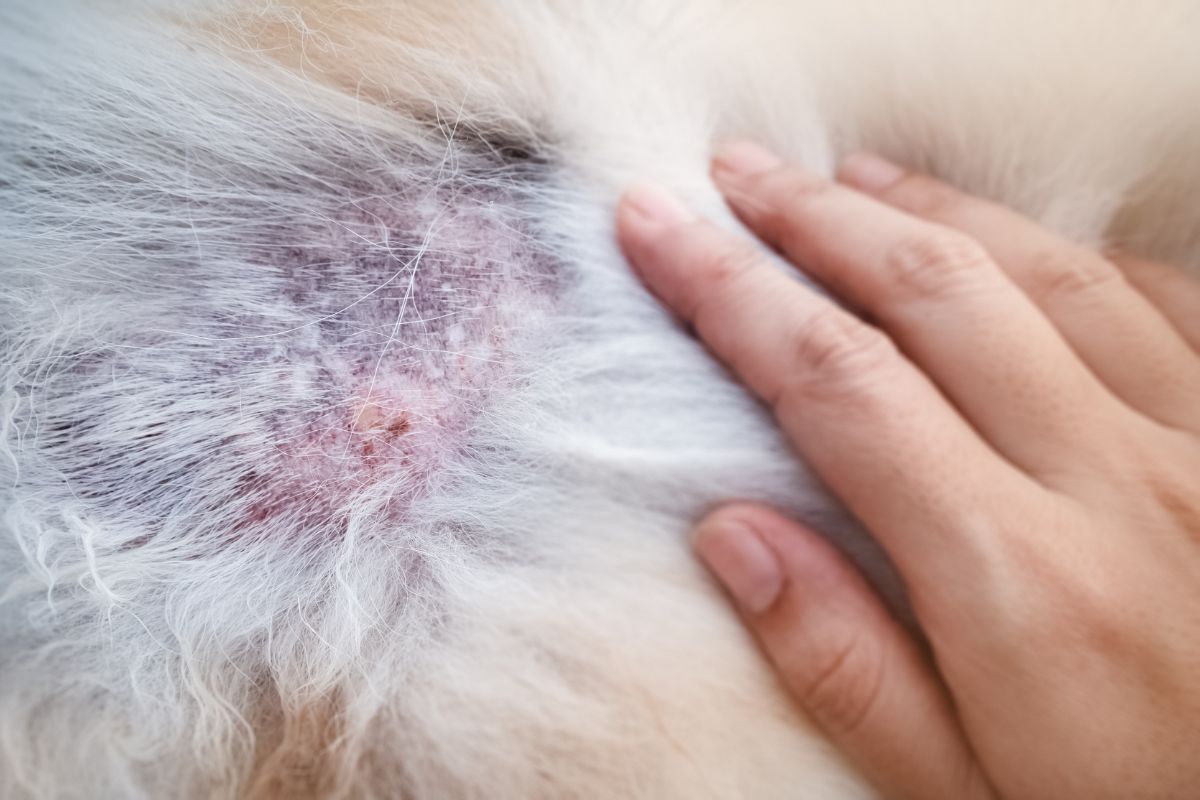
Cushing’s syndrome in dogs develops slowly, and the initial signs can be ambiguous, often mistaken for normal aging. An attentive owner, however, may detect behavioral and physical changes warranting attention. The most characteristic symptom is increased thirst (polydipsia)—dogs with Cushing’s disease drink much more water, resulting in more frequent urination (polyuria) and even occasional urinary incontinence, even in previously house-trained pets. Owners also often notice an increased appetite (polyphagia); the dog begs for food, scavenges leftovers, asks for treats more often, or even steals food. This behavior, coupled with gradual obesity— especially if the dog previously maintained steady weight—should be a red flag. Physical changes are also important: excess fat accumulation around the belly gives the dog a “pot-bellied” appearance, while the limbs and back may seem thinner due to muscle wasting. Weakness and lethargy are common, leading to decreased activity; the dog prefers resting, gets tired quickly, and avoids long walks or play. As the disease progresses, the coat becomes thinner and dull or develops patchy hair loss—especially on the sides, abdomen, or tail, while the head and legs often remain unaffected. The hair falls out in clumps and becomes brittle, while the skin turns thin, fragile, dry, and may change color. Many owners notice skin spots, pustules or scabs, wounds that heal poorly, and secondary skin infections, which can lead to unpleasant odors. Another frequent issue is calcinosis cutis—calcium deposits under the skin.
Symptoms may extend beyond skin and metabolic manifestations. Cushing’s disease disrupts immune function, so dogs are highly susceptible to bacterial infections, especially of the urinary tract, and fungal skin infections. Other alarming signs are recurrent ear infections, diabetes (insulin resistance as a secondary effect), and hypertension, which may cause nosebleeds, weakness, or vision impairment. Neurological symptoms, such as ataxic gait, incoordination, or seizures, may also appear—generally in the pituitary form with possible brain involvement. It’s important to remember the condition develops gradually, and the slow intensification of signs makes it difficult to recognize, especially in older dogs, where the symptoms can be mistaken for age-related changes. Unexplained behavioral changes, such as anxiety, irritability, sleep disturbances, or apathy, should also raise concern. Symmetrical hair loss, muscle mass loss, decreased energy, and the typical “frog belly” (fat, sagging abdomen) are also typical. Some animals may also exhibit enlarged liver, slow wound healing, and—at advanced stages—skin calcification or fat accumulation around internal organs. Noticing several of these signs, especially if they occur together, should prompt the owner to consult a veterinarian and pursue endocrine diagnostics.
Diagnosis of Cushing’s disease – how to identify the condition in your dog?
Diagnosing Cushing’s disease in dogs is a multi-step process that demands close cooperation between the owner and veterinary specialist. The key stage is a thorough medical interview, during which the vet collects information about the dog’s health history, observed symptoms, and any previous diseases or medications, especially use of glucocorticosteroids. Because the symptoms of Cushing’s syndrome are often non-specific and can be mistaken for other diseases or normal aging, it is essential that the owner carefully describe any behavioral or physical changes such as increased thirst, urination, appetite, body shape changes, or skin problems. The vet then decides which further tests to pursue, aiming to confirm hypercortisolism and determine its cause. The first step is usually basic blood and urine tests. Hematology and biochemistry can reveal findings suggestive of Cushing’s syndrome, such as elevated alkaline phosphatase (ALP), ALT (aminotransferases), cholesterol, or glucose levels. Urinalysis may show dilute urine and possible bacterial infection. While these are not diagnostic on their own, when combined with suggestive symptoms, they justify more advanced endocrine testing.
Advanced diagnostics include pituitary-adrenal axis stimulation and suppression tests. The most commonly used screening test is the low-dose dexamethasone suppression test (LDDST), which involves administering dexamethasone and measuring blood cortisol several times. The failure of cortisol suppression after exogenous glucocorticoid administration is characteristic for Cushing’s disease and indicates pathological excess hormone production. Alternatively, the ACTH stimulation test detects abnormal adrenal response to synthetic ACTH. Interpreting these tests depends not only on absolute values but the dynamic change in cortisol levels—they can distinguish pituitary form from adrenal form. The cortisol/creatinine ratio in a 24-hour urine sample can also be used, which is sensitive but non-specific and should not be used as a sole basis for diagnosis. When hypercortisolism is confirmed, imaging of the organs is vital to locate the source of excess cortisol production. This typically involves abdominal ultrasound, which can reveal adrenal enlargement (suggesting pituitary or adrenal form), tumors, or metastases. CT scans or MRI may be recommended at specialized centers, especially if distinguishing pituitary from adrenal form is difficult or a pituitary tumor is suspected. The final diagnosis is based on clinical data, laboratory findings, and imaging; sometimes repeated testing or consultation with a veterinary endocrinologist is necessary. Efficient diagnosis involves considering coexisting diseases and ongoing monitoring, as biochemical and hormonal changes can change with disease progression or pharmacological therapy and be modified by other health problems.
Treatment of Cushing’s syndrome in dogs – pharmacological and alternative methods
Treatment of Cushing’s syndrome in dogs is a multi-step process tailored to the individual dog and the type and cause of the disease. In most cases, especially the pituitary form, therapy is based on pharmacotherapy aimed at controlling excessive cortisol production and reducing clinical symptoms. The most commonly prescribed drug is trilostane, which suppresses enzymes needed for cortisol synthesis in the adrenal glands, effectively lowering cortisol in the blood. Trilostane is administered daily, requiring ongoing monitoring of biochemical parameters, regular follow-up exams, and careful observation of the dog’s response. Another drug group includes mitotane (o,p’-DDD), mainly used in more severe cases or if there is no response to trilostane. Mitotane destroys adrenal cortex cells and requires strict dosage control, a precise protocol, and periodic blood tests to prevent adrenal insufficiency. Ketoconazole is another option, but due to its side effects and reduced efficacy, it’s mainly chosen if other methods are intolerable. For adrenal tumors, surgical intervention—adrenalectomy, or removal of the affected gland—is possible, but this carries significant risk, especially for older dogs or those with other illnesses. Surgery requires specialist preparation and post-operative care, and a skilled veterinary surgeon must assess the risks based on the dog’s overall health and stage of the disease.
Supportive care may include alternative and adjunct therapies to improve the dog’s comfort, control side effects, and mitigate chronic metabolic impacts. Regular veterinary consultations and tight clinical monitoring enable timely adjustment of therapy as needed. A well-tailored diet rich in high-quality protein, low in fat, and with moderate carbohydrates is crucial to mitigate Cushing’s symptoms, counter insulin resistance, support muscle mass, and limit the risk of obesity. Dietary plans should be individualized with the help of a veterinary nutritionist, especially in the presence of concurrent diabetes or liver disease. Natural supplements, such as plant adaptogens (e.g., ashwagandha), omega-3 fatty acids for immune support and skin health, and B/C vitamins, should be used under veterinary supervision. Increasingly, elements of behavioral medicine are introduced to reduce environmental stress and provide stimulating activities for the dog, boosting its mood and motivation for movement. If pharmacological therapy is not possible or not tolerated, palliative care is adapted to prioritize comfort, pain relief, and maintaining quality of life—including symptomatic medication, nutritional support, and caring for skin and hygiene. Early detection of complications such as diabetes, infections, or hypertension and prompt supportive treatment can greatly prolong a dog’s comfortable lifespan with Cushing’s syndrome and avoid irreversible complications.
Diet and nutrition for dogs with Cushing’s syndrome – practical tips
Proper nutrition in dogs with Cushing’s syndrome plays a key role in reducing symptoms, improving quality of life, and supporting drug therapy. The diet should be fine-tuned to the individual needs of the dog, including optimal protein, fat, carbohydrate levels, and the right mix of micro- and macronutrients. Because of the heightened risks of obesity, insulin resistance, and diabetes, a low-calorie diet is recommended, emphasizing high-value animal proteins such as poultry, beef, or fish. Protein helps maintain muscle mass, which is often lost with Cushing’s disease. Fat intake, especially saturated fats, should be limited to reduce stress on the heart and minimize cholesterol build-up and risk of pancreatitis. Healthy fats, such as omega-3s from fish or flaxseed oil, help reduce skin inflammation, improve coat condition, and may boost immunity. The diet should also offer limited easily digestible carbohydrates, especially those with a high glycemic index (white flour, potatoes), to avoid worsening insulin resistance and sudden glucose spikes. Fiber-rich foods are a better choice as they aid digestion, support metabolism, trigger longer-lasting satiety, and reduce overeating temptation. Vegetables like zucchini, broccoli, celery, or carrots, served cooked and cut into small pieces, make valuable meal additions. However, avoid legumes and vegetables that cause gas.
Controlling sodium content in the diet is extremely important, as the disease predisposes dogs to develop high blood pressure. Avoid commercial dog foods high in salt and organ meats like liver, which can contain a lot of sodium. A home-cooked diet is best as it allows full control over ingredients and preparation. Meals should be balanced, properly supplemented, and planned with a veterinary nutritionist. The diet should be enriched with B vitamins, vitamin E, and antioxidants to protect cells from oxidative damage, which is aggravated by high cortisol levels. Probiotics may benefit the digestive system, especially if the dog is on medications affecting gut flora. Remember, dogs with Cushing’s disease are prone to excessive drinking and urination, so they must always have access to fresh, clean water and stay hydrated to prevent dehydration and kidney issues. Special veterinary diets such as “renal” or “diabetic” may be recommended if complications like kidney failure or diabetes arise. Avoid commercial treats high in preservatives, dyes, or fillers—instead use natural snacks, like pieces of cooked meat or vegetables, a seedless apple, or a slice of carrot. Meals should be small and frequent—3-4 times a day—to keep blood sugar stable and avoid stressing the dog’s body. Ongoing monitoring of body weight, coat condition, and general well-being enables quick adjustments to the diet. Above all, the approach must be individualized—each dog may respond differently, making collaborative planning with a vet and nutritionist essential, taking all concurrent diseases and health status into account.
Care and prevention – how to improve the quality of life for dogs with Cushing’s disease?
Proper care for a dog with Cushing’s syndrome involves not only medication and health monitoring, but a holistic approach to daily well-being to effectively enhance the dog’s life quality. A key element is regular observation for new or worsening symptoms, such as mobility difficulties, behavioral changes, skin abrasions, increased susceptibility to infections, or deteriorating coat. Owners should keep notes on how much water the dog drinks, urination frequency, appetite, and weight to promptly detect abnormalities. Routine veterinary check-ins every 3–6 months are recommended to assess therapy effectiveness and adjust medications as needed. Blood and urine tests and ultrasound scans can help detect organ complications such as diabetes, urinary tract infections, or organ enlargement. Day-to-day care includes maintaining hygiene—the skin of a dog with Cushing’s is easily irritated; check for skin issues, bathe your dog regularly with gentle shampoos, use soothing products, avoid harsh detergents, and shield the dog from mechanical injuries. Ear, teeth, and paw care are also vital, as dogs with hypercortisolism are prone to secondary bacterial and fungal infections.
Mental well-being is as important as physical health. Chronic illness and pain can cause apathy, anxiety, and behavioral changes, so owners must focus on their dog’s emotional health. Provide a calm, predictable environment, minimize stress, keep routines consistent, and make environmental changes gently. Relaxing walks, gentle physical activity like slow games or short outings, help both physical condition and mood. Short intellectual play sessions—special treat toys, scent mats, or practicing basic commands—stimulate the mind and strengthen owner-dog bonds. Discuss with your vet if introducing nervous system-supporting supplements (e.g., omega-3s, B vitamins) may help well-being and reduce certain disease symptoms. Avoid overstimulation and contact with other animals if your dog is immunocompromised, and always protect from temperature extremes or overexertion. Ensure comfort at home: quiet, safe resting spots, easy water access, a suitably low bed or even steps for older dogs. All these elements—from health monitoring, proper hygiene and diet, to emotional care—comprise comprehensive prevention and improve quality of life for dogs with Cushing’s disease, reducing the risk of complications and supporting daily enjoyment even with a chronic illness.
Summary
Cushing’s disease in dogs is a serious condition requiring early diagnosis and comprehensive care. Knowing the causes and characteristic symptoms allows owners to react quickly and consult their veterinarian. Accurate diagnosis and individualized treatment improve comfort and lifespan. Dietary adjustments, behavioral support, and daily attentiveness are just as important. Proper care and prevention help minimize disease impacts and boost the chance of a longer, happier life for your dog.

