

Effectively protect your dog and cat from ticks and fleas! Discover the differences, pros, and cons of collars, drops, and tablets, as well as practical tips for choosing the best protection tailored to your pet’s needs. Find out which preventive method will work best in your daily care for your animal.
How to effectively protect your dog and cat against ticks and fleas? Learn the pros, cons, and effectiveness of collars, drops, and tablets in one article.
Table of Contents
- Why is protection against ticks and fleas important?
- Types of products: collars, drops, and tablets
- Collar – long-lasting protection, pros and cons
- Spot-on drops – fast effectiveness and convenience
- Anti-tick and flea tablets – when to choose them?
- How to choose the best protection for your pet?
Why is protection against ticks and fleas important?
Many pet owners associate ticks and fleas only with a seasonal nuisance and the need to deworm the home or garden; in reality, they pose a real risk to the health, and in extreme cases even the life, of your dog or cat. Firstly, both of these parasites are vectors of dangerous infectious diseases. Ticks transmit, among others, Lyme disease, babesiosis, anaplasmosis, ehrlichiosis, tick-borne encephalitis, and other illnesses that until recently were mainly associated with humans or specific regions. Today, due to climate change and the migration of wild animals, ticks appear almost year-round, even in urban areas – in parks, garden plots, or residential lawns. Just one seemingly harmless walk is enough for a dog or an outdoor cat to bring a parasite home on their skin. Babesiosis can lead to acute kidney and liver failure, massive breakdown of red blood cells, and very quickly endanger the animal’s life if not recognized and treated in time. In contrast, Lyme disease or anaplasmosis don’t always produce characteristic symptoms immediately and often develop insidiously – a dog may be lethargic, have recurring fever, or joint problems, and the owner may not connect these symptoms to a past tick bite. Ticks are also dangerous for cats, even though some conditions (like classic canine babesiosis) are rarer – but others, such as hemobartonellosis or different types of anaplasmosis, can be severe. Fleas may seem “less dangerous” since they are usually associated only with itching and scratching, but in reality, they carry internal parasites (such as canine and feline tapeworms), as well as bacteria like Bartonella, responsible for “cat scratch disease” in humans. Even single bites in sensitive individuals can cause flea allergy dermatitis (FAD) – a serious, chronic skin disease causing intense itching, fur loss, excoriations, secondary bacterial and fungal infections, and often requiring long-term, costly treatment. In young, small puppies and kittens, massive flea infestations can even lead to life-threatening anemia due to blood loss caused by the parasites.
Protection against ticks and fleas is also key to the well-being of the animal and the safety of the entire family. Constant itching, self-biting, restlessness, sleep disturbances, reluctance to play or receive affection – these are everyday issues for pets left untreated for parasites. Additionally, sore, scratched skin is painful, easily infected, and requires complex treatment: apart from eliminating parasites, you’ll also need ointments, medicated shampoos, antibiotics, or anti-itch medications, often combined with a hypoallergenic diet. Regular, effective prevention helps avoid these problems altogether, thus reducing the risk of chronic dermatological problems and protracted therapy. Remember also that ticks and fleas not only pass directly from animal to animal, but can also – indirectly – reach humans and your environment. Fleas lay eggs in bedding, carpets, floor cracks, and larvae hide in places that are hard to reach for cleaning. This means an infested animal can spread the problem throughout the entire home, and fighting only the adult parasites on your dog or cat – without regular prevention and environmental disinfection – usually leads to recurrent flea “outbreaks.” For humans, their bites cause itchy bumps, and for children or allergic individuals, they can trigger strong reactions. Ticks, though mainly feeding on dogs and cats, can also bite humans during walks or garden rest – the presence of an unprotected animal increases the risk of ticks in the immediate environment. Financially, prevention is also more cost-effective than treatment. The cost of a regular collar, drops, or tablets is usually much lower than the expenses of advanced diagnostics (blood tests, serological tests, imaging), hospitalization, IV drips, medications, or specialized dermatological and infectious disease care that will be necessary if your pet develops a tick-borne disease or severe dermatitis. Finally, regular use of effective tick and flea protection allows guardians to enjoy daily activities more peacefully – walks in the woods, trips to the garden plot, lakeside vacations – without obsessively checking the fur and constantly worrying about your pet’s health. For all these reasons, choosing the right form of protection (collar, drops, or tablets) and regular, considered use of products is not just about convenience, but a responsible element of caring for your dog or cat, directly affecting the length and quality of their life and the safety of the whole family.
Types of products: collars, drops, and tablets
There are several main forms of tick and flea preventive products on the market – collars, spot-on drops, and oral tablets. Each works slightly differently, has a different composition, action duration, and convenience of use, so choosing the right solution should take into account not only effectiveness but also your animal’s lifestyle and your own needs. Tick and flea collars are usually long-acting products soaked with an active substance that is slowly released onto the skin and fur. Once the collar is on, the substance spreads in the lipid layer of the skin, creating a protective barrier – parasites die on contact with the fur or are repelled before they can bite. Depending on the brand, collars can work from a few weeks up to even 6–8 months, making them one of the most convenient options in terms of frequency of use. There are both waterproof versions and those that require removal for baths, so it’s worth checking the manufacturer’s guidelines. Collars may contain proven chemical compounds (e.g., flumethrin, imidacloprid, deltamethrin) or natural essential oils with mainly repellent effects. For “natural” collars, effectiveness is variable, especially with heavy tick exposure, so they are recommended more as a supplement than the only form of protection. Proper sizing is also important – the collar shouldn’t be too loose or too tight; usually, two fingers should fit between the collar and the animal’s neck, and excess length should be cut off to prevent chewing. Disadvantages include the risk of the collar getting caught on branches or fences with very active dogs, and limitations for small kittens, puppies, pets allergic to certain ingredients, or households with small children who often touch the animal’s neck area. Spot-on drops, on the other hand, are topical products, typically applied in one or several spots on the nape, between the shoulder blades, or along the back where the animal can’t lick. The active ingredient spreads in the skin’s lipid layer and fur, so effectiveness strongly depends on correct application: the skin must be dry and undamaged, and manufacturers often recommend not bathing the animal for 2 days before and after application. Drops usually last 3–4 weeks, though some offer longer protection. Among spot-ons, you’ll find products targeting only fleas or both fleas and ticks, and sometimes other external (e.g., lice) and internal parasites as well. The advantage is they can be used for animals intolerant of collars (due to skin irritation) or in households where the collar would be at risk of snagging. Drops are also a good solution for outdoor cats, who rarely accept collars and more easily lose them outside. However, monthly application and adherence to timing may be a challenge for some owners, and animals may experience temporary discomfort or redness at the application site, especially in those with sensitive skin or when using an inappropriate product. Also note that frequent bathing or use of drying shampoos can strip the lipid layer and reduce the efficiency of drops.
Oral tablets are the newest and increasingly popular form of tick and flea protection, based on isoxazoline compounds (e.g., fluralaner, afoxolaner, sarolaner, lotilaner), which act from within. After administration, the active substance is absorbed from the digestive tract into the bloodstream, and the parasite dies after biting and ingesting blood. Unlike collars or drops, tablets do not create a contact barrier on the skin – the tick must attach and begin feeding, but usually dies within several hours before it can transmit most pathogens. The duration of action depends on the specific product – some require monthly dosing, others every three months or even less frequently. This is especially convenient for guardians of animals that swim often, are bathed regularly, or live in homes with small children – there’s no risk of contact between children and substance on fur or a reduction in effectiveness after bathing. Many dogs find the tablets tasty, making them easy to administer, though with cats it may require hiding the tablet in food or other tricks. Additional benefits include the lack of smell and visible “elements” on the animal, which is important for aesthetic reasons or for cats allergic to collars. On the other hand, tablets aren’t suitable for every pet – some have sensitive digestive systems and may experience temporary vomiting or diarrhea, while those with liver, kidney, or epilepsy require particularly careful qualification by a vet. The choice among collar, drops, or tablets should therefore be based on an overall assessment: the animal’s lifestyle (does it swim; how often does it go outdoors; does it sleep in the owner’s bed), its age, body weight, any chronic illnesses, as well as the composition of the chosen product and any contraindications listed in the leaflet. Regardless of form, it’s crucial to use the product according to the manufacturer’s instructions and consistently remember dosage dates, because even a short lapse in protection – especially during periods of peak tick and flea activity – can result in infection. In many cases, vets combine forms of protection (e.g., tablet as a base and additional spray repellent before travel to high-risk areas), so collars, drops, and tablets should be treated as part of a wider prevention strategy, not just single products.
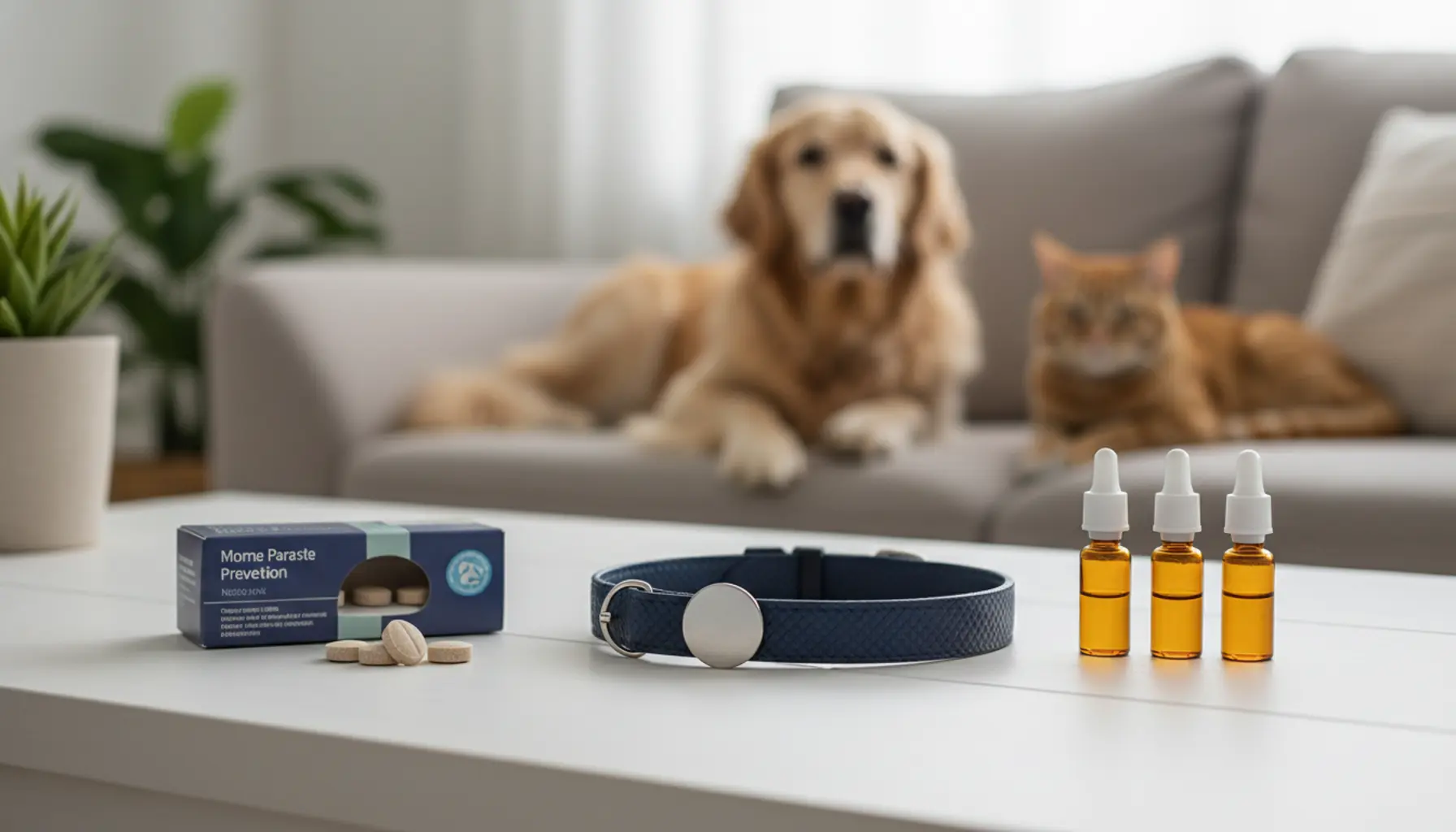
Collar – long-lasting protection, pros and cons
An anti-tick and anti-flea collar is one of the most popular preventive solutions, mainly due to convenience of use and long-lasting effect. Modern collars contain active substances with insecticidal or repellent properties, which are gradually released from the surface of the material onto the skin and coat of the animal. This creates a type of “protective shield” – a parasite entering the dog or cat’s fur is exposed to the substance, which typically kills it or discourages it from feeding. Depending on the product, a collar can work from several weeks to as long as 6–8 months, which makes it especially attractive for guardians looking for a “put it on and forget it” solution. For active dogs often walking in forests, meadows, and parks, long-lasting protection minimizes the risks of repeated bites and, as a result, the transmission of tick-borne diseases. For outdoor cats, collar use is sometimes one of the only practical solutions, as tablets are hard to administer and repeated application of drops is challenging or stressful. However, not all collars work equally: cheaper variants sold in supermarkets often include older substances effective mainly against fleas, offering limited protection against ticks, and protection time is usually shorter than claimed. For this reason, vets usually recommend medical-grade collars, sold at clinics or reputable pet shops, which have documented efficacy against specific parasites. One should also pay attention to age and weight – most collars have strict limits (e.g., from 7 weeks of age or a specific weight), and using them for very young or tiny pets can entail risk of adverse effects. The collar should fit properly: not too loose to slip off, not so tight as to cause discomfort or abrasions; it’s generally recommended that two fingers should fit under the collar. Correct fitting is crucial for even substance release and effectiveness. Some brands are waterproof, meaning rain and brief baths won’t compromise their effect, but with frequent swimming, especially in chlorinated pool water or salty sea, effectiveness may decrease faster than stated – check with your vet, especially if your dog spends a lot of summer in water. Collars designed for cats should have a break-away safety clasp to reduce the risk of strangulation should the cat get caught on a branch, fence, or household item; the lack of this is a significant argument against cheaper, non-specialist collars. For small dogs and cats, a massive, wide collar can simply be uncomfortable and limit movement or cause trouble while eating and sleeping. Some guardians also care about aesthetics – collars come in various colors and designs, and some are more discreet, which matters to people who don’t want the product to be highly visible. A specific group are pets with sensitive skin or contact allergies – for them, the active substance or collar material can cause local irritation, redness, itchiness, or even hair loss around the neck. In such cases, immediate consultation with a vet and often a switch in protection type is necessary.
Main advantages of anti-tick and anti-flea collars are precisely their long duration, which can cover the entire tick activity season – from early spring to late autumn – without having to remember monthly product application. This is a great convenience for busy guardians, travelers, or families where several people care for the animal – the risk of missing a dose is lower than with drops or tablets. Another advantage is ease of use: putting the collar on once doesn’t require special skills, and the lack of contact with freshly applied solution is important for families with children who like to hug and pet the animal. Unlike drops, which shouldn’t get wet for a time after application, a collar generally doesn’t require special precautions after the initial “activation”. For some touch-sensitive pets, especially in the neck and back area, the collar is better tolerated than spot-on applications; compared to oral tablets, it is also easier for pets that dislike swallowing medications or are prone to vomiting after oral products. Some collars also have significant repellent action, scaring away ticks and insects even before they attach, which reduces transmission risk, unlike some tablets which kill the parasite only after a bite. Despite many advantages, collars are not without flaws. One main limitation is the need for continuous wear – any extended removal, e.g., due to bathing, grooming, or shows, may reduce effectiveness. Some pets may feel discomfort, scratch around the neck, or for unaccustomed cats, try to remove it with their paws, risking scratches. Families with children should know the active substance may transfer to hands during intensive neck petting, so regular handwashing and avoiding hand-to-mouth contact are advised after touching the pet, especially right after applying a new collar. Some products have a distinct smell, which may be unpleasant for caretakers and animals, and the collar material may be attractive to puppies and kittens to gnaw on; in extreme cases, there’s a risk of ingesting a collar piece, which requires emergency vet attention. Also, the collar mainly protects the animal wearing it – if several dogs or cats live together and play by biting each other’s necks, there can be exposure to another pet’s active substance, which is not always safe, especially when there’s a cat in the house and the product is dog-specific. For these reasons, despite overall convenience and effectiveness, a collar should be part of a considered protective strategy, not the only “ticked box” on tick and flea prevention – its selection, fitting, and usage should always be discussed with your veterinarian, who will consider the animal’s age, health status, lifestyle, and environment.
Spot-on drops – fast effectiveness and convenience
Spot-on drops are among the most popular and convenient forms of dog and cat protection against ticks and fleas, favored by those who don’t want to remember daily administration. They are usually sold in single-use pipettes corresponding to the animal’s weight, making it easy to select the right dose. The product is applied directly to the skin, typically at one or more points on the neck and shoulders, where the animal can’t lick. The active substance then spreads over skin and fur, creating a protective layer that kills or repels parasites. Depending on the product, effects can be seen within hours, and full protection typically lasts 3–4 weeks. For many owners, an advantage is that most products require no concern over taste, as with tablets, or permanent collar wear – with one application, the pet can go on as usual. Spot-on drops are available for both dogs and cats, in various weight and age brackets, so precise selection is essential. Some drops work only on fleas, others on both fleas and ticks, and still others also protect against lice, mosquitoes, or sandflies, especially important in regions where diseases transmitted by bloodsucking insects are prevalent. It’s also worth noting if a product is exclusively parasiticidal (killing on contact or bite) or also has repellent (deterring) properties, as repellency can greatly reduce the risk of a tick attaching and biting. In practice, this results in a lower risk of disease transmission, such as Lyme or babesiosis. For cats, it’s crucial to use only products dedicated to their species – many substances safe for dogs (e.g., permethrin) are toxic for cats, and misuse can cause severe neurological symptoms or even death. Spot-on drops are convenient also because they easily fit into your routine: just mark a calendar or set an app reminder to reapply monthly, ideally year-round, not just during peak tick season.
Although application seems simple, correct administration is critical for effectiveness and safety. Carefully part the fur at the application site so the liquid reaches the skin, not just the hair, where it can be easily wiped off or licked. For dogs with thick, long fur or undercoats, this requires extra patience. After applying, avoid bathing or letting your pet swim for several hours (or according to manufacturer’s instructions, up to 24–48 hours) so the substance can spread evenly. Avoid intense petting of the application area and don’t let children touch it while it’s fresh, especially important for households with kids who love to cuddle pets. The drop form is also suitable for pets that can’t tolerate collars (due to neck skin irritation or fear) or where there’s risk of the collar snagging (crates, harnesses, branches), particularly for outdoor cats. Compared to tablets, spot-ons are better for animals with gastrointestinal problems or unwilling to take oral meds. However, drops also have their limitations: they are less suitable for pets that swim a lot, are regularly bathed with anti-dandruff or grooming shampoos, or spend plenty of time in the rain, since frequent water contact can shorten their efficacy. Some pets may also react with local irritation, redness, or itching at the application site; usually mild and transient, but if symptoms worsen, consult a vet and consider an alternative product or protection type. Also remember that most drops work only with regular use – a single early spring application won’t provide long-term safety, and preventive gaps can allow ticks and fleas to reappear on your pet and in your home. Combine drop use with regular fur checks after walks in the woods and meadows, and maintain hygiene of bedding, blankets, and upholstery to limit flea populations in the environment. If you have doubts about choosing a product, its makeup, or its safety in chronic health issues (liver, kidney, epilepsy, skin allergies), always consult your veterinarian, who will choose the proper product and schedule for your individual pet’s lifestyle, age, weight, and other medications.
Anti-tick and flea tablets – when to choose them?
Anti-tick and flea tablets are one of the most modern prevention forms and have become increasingly popular among pet owners in recent years. They work internally – the active substance is absorbed into the bloodstream from the digestive tract and then taken up by ticks or fleas during feeding. The parasite usually dies within a few hours of biting, significantly reducing the risk of disease transmission. Depending on the product, one tablet provides protection for 4–12 weeks, a huge organizational convenience for many owners. Tablets are particularly beneficial for highly active pets, those that swim often, live with young children, or develop skin irritations from topical treatments. The lack of an external insecticidal layer means there’s no risk of a child or household member coming into contact with the substance by petting, cuddling, or sharing a bed with the animal. This is important for families where the dog or cat is a full “member of the pack” with very close daily human contact. Tablets also do not lose efficacy after bathing or swimming – since they act systemically throughout the body. For sporting, working, hunting dogs or those who love lakes and rivers, this is often the most practical solution. The animal also doesn’t need to wear a collar, which can be an issue for outdoor cats (snagging risk) or dogs that often lose collars in undergrowth. Some tablets are palatable for certain animals, making administration less stressful compared to spot-on liquids or new collars. For forgetful owners, dosing is also transparent – most tablets are given every 1–3 months, so it’s easy to link with other routines, like deworming or vet visits. Modern tablets are designed with a high safety profile: doses are matched by weight, and the active substance is precisely tested for toxicity, side effects, and possible drug interactions, but as always, strict adherence to vet and manufacturer guidelines is necessary.
However, tablets are not always the ideal solution, and understanding their limitations enables informed decision-making about their suitability for your specific dog or cat. First, the mechanism requires the tick/flea to attach and feed to absorb the substance and die. This means there’s no typical repellent effect, like some collars or drops that may prevent attachment/feeding altogether. In practice, most modern oral products kill ticks fast enough to significantly limit disease transmission risk, though not entirely – especially in areas with very high tick density and prevalence of tick-borne disease, extra prevention (regular skin checks, targeted vaccination, or combination therapy as advised by your vet) may be needed. Another key aspect is digestive health and general condition – for the tablet to work, it must be absorbed properly, so for animals with ongoing vomiting, diarrhea, liver, or pancreas diseases, extra caution is required. Some pets may experience temporary side effects such as vomiting, diarrhea, appetite loss, or lethargy, usually mild and self-resolving, but always monitor and inform your vet if they persist or worsen. Another consideration is dose control: unlike a collar, which can be removed immediately if adverse effects develop, a tablet cannot be “undone.” Thus, product selection should follow a careful interview – your vet should know the animal’s age, weight, breed (some breeds have specific sensitivities), medical history, concurrent meds, and prior allergic reactions. Anti-tick and flea tablets are especially good for dogs and cats living with young children, pregnant women, or immunocompromised people, where avoiding contact with topical insecticides is paramount; for animals who swim a lot and lose topical protection rapidly; for pets with sensitive skin prone to contact allergies to spot-ons; and for owners who value the ease of infrequent dosing and exact control of the next dose time. Caution is needed for animals with GI issues, very young puppies and kittens, seniors with multiple illnesses, or those with previously poor responses to similar products. For them, quality collars or drops may be better, possibly combined with other environmental preventive options as determined by your vet, who will recommend the safest product for your specific pet.
How to choose the best protection for your pet?
Selecting the right tick and flea protection starts with an honest assessment of your pet’s lifestyle and health. A young, energetic dog that walks daily in the forest needs different solutions than an older cat who occasionally goes out on the balcony. The level of parasite exposure is key: animals living in houses with gardens, spending lots of time in tall grass or near forests, require stronger and often multimodal protection (e.g., combining a collar with drops or tablet, as recommended by the vet). Animals living mainly in city apartments can also be exposed – ticks may be brought in on clothing, and fleas often inhabit basements and stairwells – but in such cases, one well-chosen form of protection may suffice. The temperament of your pet also matters: for a dog or cat that can’t stand being touched around the neck, a collar is a poor option, while one that gets stressed during each drop application may better accept a tablet given every few weeks. Age and body weight are factors as well: puppies, kittens, or very small pets require specifically designed products with lower doses; never use products “by eye”, break up tablets for smaller than intended pets, or shorten collars to use one for multiple animals. Always remember that the safety and effectiveness of a product is closely linked to proper match with the animal’s weight, species, age, and following manufacturer’s guidelines, so a thorough medical interview with your vet before purchase is vital. Your vet will consider chronic illnesses (liver, kidney, skin, epilepsy), previous reactions to parasite products, as well as pregnancy or lactation in females.
When choosing between collars, drops, and tablets, carefully consider their action, convenience, and realistic limitations in your daily life and your pet’s. A tick and flea collar is great for those favoring “put it on and forget it” solutions – properly fitted, it provides protection from several to even eight months, especially practical in summer or for owners who struggle to remember monthly dosing. However, keep in mind that it must stay on the neck at all times, some models decrease in effectiveness with frequent baths, and in homes with small children constant supervision is needed to ensure they don’t play with or put the collar in their mouth. Spot-on drops work if you want to avoid a permanent element on your pet’s neck and seek even coverage, but these require discipline – reapplication every 3–4 weeks and observation that for 24–48 hours after application, your pet shouldn’t be bathed or touched at the site (especially crucial with small kids in the home). For dogs that swim a lot, go to the groomer frequently, or need regular medicated baths, tablets may be more comfortable – effectiveness isn’t affected by coat condition, and household members aren’t exposed to the active substance on skin. Remember, however, that tablets start working once the parasite bites, and not all pets tolerate oral products well (e.g., vomiting or diarrhea). The choice should also reflect your home situation: if there are small children, pregnant women, or allergy sufferers, you may want forms that minimize human contact with the active ingredient. In households with multiple animals, it’s essential to treat all your dogs and cats simultaneously and ensure regular deworming and cleaning of bedding, carpets, and upholstery. It’s also important to honestly assess your consistency – if you know you’ll forget monthly drop applications, it’s better to choose a long-lasting collar or a tablet given every quarter, establishing with your vet an individual preventive schedule considering local tick-borne risks, seasonal parasite activity, and planned trips to high-risk regions.
Summary
Protecting your dog and cat from ticks and fleas is the duty of every pet owner. It’s important to understand the advantages and disadvantages of available products – collars provide long-term protection, drops work quickly, and tablets are convenient and more and more popular. The right method should be chosen according to your pet’s individual needs and the owner’s lifestyle, so it’s a good idea to consult with your veterinarian. Proper protection means not only comfort, but above all, the health and safety of your four-legged friends.

