

Learn how to effectively take care of your dog’s teeth and ensure a healthy smile for years to come. Discover proven oral hygiene methods, the right diet, and home remedies that protect your pet’s health from dental problems.
Find out how to properly care for your dog’s teeth! Check out practical tips on oral hygiene, diet, and prevention for a healthy pet.
Table of Contents
- Why Is Oral Hygiene for Dogs Important?
- The Best Ways to Clean Your Dog’s Teeth
- How to Choose a Toothbrush and Toothpaste for Your Dog?
- The Role of Diet in Maintaining Healthy Teeth
- Home Remedies for Combating Tartar
- Prevention and Consistency – The Key to Healthy Dog Teeth
Why Is Oral Hygiene for Dogs Important?
A dog’s oral hygiene is much more important than it might seem at first glance, as the health of the teeth and gums affects not only your pet’s comfort but also the function of many internal organs. Naturally, bacteria live in your dog’s mouth – this is normal as long as their number is controlled by saliva, the body’s immunity, and proper care. The problem begins when soft deposits (plaque) accumulate on the teeth, which over time harden and turn into tartar. Tartar irritates the gums, leading to inflammation, bleeding, and pain. If oral hygiene is neglected, sooner or later this results in periodontal disease, loose teeth, or even tooth loss. It’s not just about bad breath – for the dog, every bite can become painful, causing them to refuse food or choose only very soft meals, which further impairs the natural mechanical cleaning of the teeth and drives the vicious cycle of dental problems. Additionally, chronic inflammation in the mouth puts continuous strain on the immune system – bacteria and inflammatory mediators enter the bloodstream, which may contribute to heart diseases (endocarditis, valve damage), kidney and liver problems, and even worsen joint diseases in predisposed breeds. That’s why veterinarians increasingly emphasize that dental care is an integral part of overall canine health prevention, not an optional extra.
Owners should also remember that dogs can’t clearly communicate tooth pain – often, they will just “grin and bear it,”) and carry on as if nothing is wrong. The issue is usually noticed only when it’s already advanced: the dog stops eating dry food, rubs its muzzle with its paw, avoids head touches, or grows defensive when you try to check the mouth. Regular oral hygiene makes it possible to catch these warning signs early and react before serious complications arise.
Taking care of your dog’s teeth directly affects the length and quality of their life, veterinary treatment costs, and your shared everyday comfort. Clinical data shows that up to 70–80% of dogs over three years old have some form of periodontal disease, and in small and mini breeds (e.g., yorkshire terrier, maltese, shih tzu, chihuahua), the issue develops faster due to a small jaw, tightly packed teeth, and a genetic tendency to tartar build-up. In such dogs, neglected oral hygiene often leads to frequent, costly procedures under general anesthesia – like tartar removal and extraction of diseased teeth. On the other hand, consistent prevention (regular brushing, appropriate diet, dental chews, routine vet checkups) can significantly reduce the need for such invasive interventions. A dog with clean, healthy teeth is more willing to play fetch or chew toys, absorbs nutrients from food more efficiently, maintains a more stable weight, and rarely suffers from chronic inflammation that can decrease vitality. For owners, bad breath (halitosis) can make close contact with the dog less pleasant, though this is only a symptom – not the cause – of the actual problem. If you treat oral hygiene as a regular part of care – just like vaccination, deworming, or weight checks – you’re investing in your dog’s long-term health, minimizing the risk of “silent,” chronic diseases that start from the mouth. Also, keep in mind that many systemic diseases in dogs – such as diabetes, chronic kidney failure, or endocrine disorders – can worsen gum and tooth condition, while mouth inflammation may make managing those diseases harder. This is why vets use a holistic approach: treating systemic illness goes hand-in-hand with managing oral health and building a daily dental care routine. A responsible pet owner who understands these relationships sees dental care or the use of special diets not as a whim, but as a key part of caring for the pet’s health, behavior, and well-being at every age.
The Best Ways to Clean Your Dog’s Teeth
Out of all the methods for keeping your dog’s mouth clean, the most effective by far is regular tooth brushing – ideally every day or at least 3–4 times a week. Mechanical removal of plaque using a toothbrush is the best way to prevent tartar, gum disease, and bad breath. Only use special dog toothpastes, as human toothpaste contains fluoride and detergents that can be toxic or irritate your pet’s mucous membranes. There are dog toothpastes with flavors attractive to dogs, such as chicken, beef, or fish, which make the process much easier. The choice of toothbrush is equally important: for small breeds, use a small, soft children’s toothbrush or a finger brush, while for medium and large breeds, choose a longer, dual-headed brush with soft bristles. Start brushing with short, gentle sessions: at first, just touch the muzzle, then the lips, then gently massage the gums with a finger, and only later introduce the toothbrush and paste. Gradually lengthening the routine and rewarding your dog after each successful session helps build positive associations and, with time, allows you to thoroughly clean even the back teeth, where plaque accumulates fastest. The brushing technique is gentle circular motions along the gum line, focusing on the outer surfaces of the teeth, but, for calm dogs, gradually work towards the inner surfaces as well.
Consistency is often a challenge for owners, so it’s worth supplementing traditional brushing with other methods that add to your prevention strategy and make keeping teeth clean easier. Dental chews specifically designed to scrape plaque and massage gums during chewing are a great support; select only products with proven effectiveness, matched to your dog’s size, and with controlled calorie and sugar content to avoid obesity. Chews made from dried rawhide, natural dog-specific bones (never boiled, as boiling makes bones brittle and dangerous), or special rubber chew toys can also support dental hygiene, though these do not replace brushing; for some dogs, overly hard bones or antlers may break teeth, so consult your vet before use. Water or food additives with enzymes, plant extracts, or substances that reduce bacterial growth and plaque mineralization are increasingly popular. They can aid daily care, especially if your dog will not tolerate brushing, but ask your vet for advice to avoid questionable products. Some owners use enzymatic gels that you apply to the teeth or gums; these help to break down plaque and are especially useful for older dogs or those with sensitive gums. Keep in mind that no home method can replace professional ultrasonic scaling by a veterinarian under anesthesia when tartar is advanced. Comprehensive oral care should combine regular brushing, appropriately selected dental treats and chews, supplements for dental health, and checkups at the vet, who can assess your dog’s teeth and gums and recommend the best prevention plan for your pet’s age, breed, and needs.
How to Choose a Toothbrush and Toothpaste for Your Dog?
Choosing the right toothbrush and toothpaste for your dog is essential for effective dental prevention. It’s not just about convenience – the right tools make cleaning more effective, ensure your dog accepts the procedure, and help avoid gum or mouth irritation. Rule number one: never use a human toothbrush or toothpaste. Human brushes are usually too hard and have head shapes that make it difficult to access your dog’s back teeth and may be uncomfortable. Meanwhile, human toothpastes contain fluoride, foaming agents (e.g., SLS), and flavorings that, if swallowed, may cause stomach problems or even poisoning in larger doses. Dogs do not spit out toothpaste – whatever goes in gets swallowed, so these products must be safe for everyday use. When choosing a toothbrush, consider the softness of the bristles, the size and shape of the head, the handle’s length, and flexibility. Good dog brushes have soft, densely packed bristles for gentle gum massage without injury, even with a firmer touch. The head should be small and slender to easily access tight corners of the mouth and reach the molars, where plaque tends to form. For small and mini breeds, special “small” size brushes or even baby toothbrushes (unsweetened) are often recommended, but those made specifically for pets are always best, as they’re ergonomically shaped for canine anatomy. The handle must allow a firm grip, especially since many owners brush with one hand while holding the muzzle with the other – a slippery or too-short handle makes brushing tricky, and any insecurity can stress your dog. For some dogs and owners, finger brushes (silicone or soft-bristled) are a better option. They allow good pressure control and are very useful when training puppies or fearful dogs, but they may be impractical or risky for very small dogs or those prone to nibbling fingers. There are also three-sided brushes that clean the tooth from three angles at once – these are great for experienced owners looking to shorten brushing time. When selecting a brush, check veterinary recommendations, quality certifications, and real-life reviews, especially referencing durability and ease of use with dogs of similar size and mouth shape.
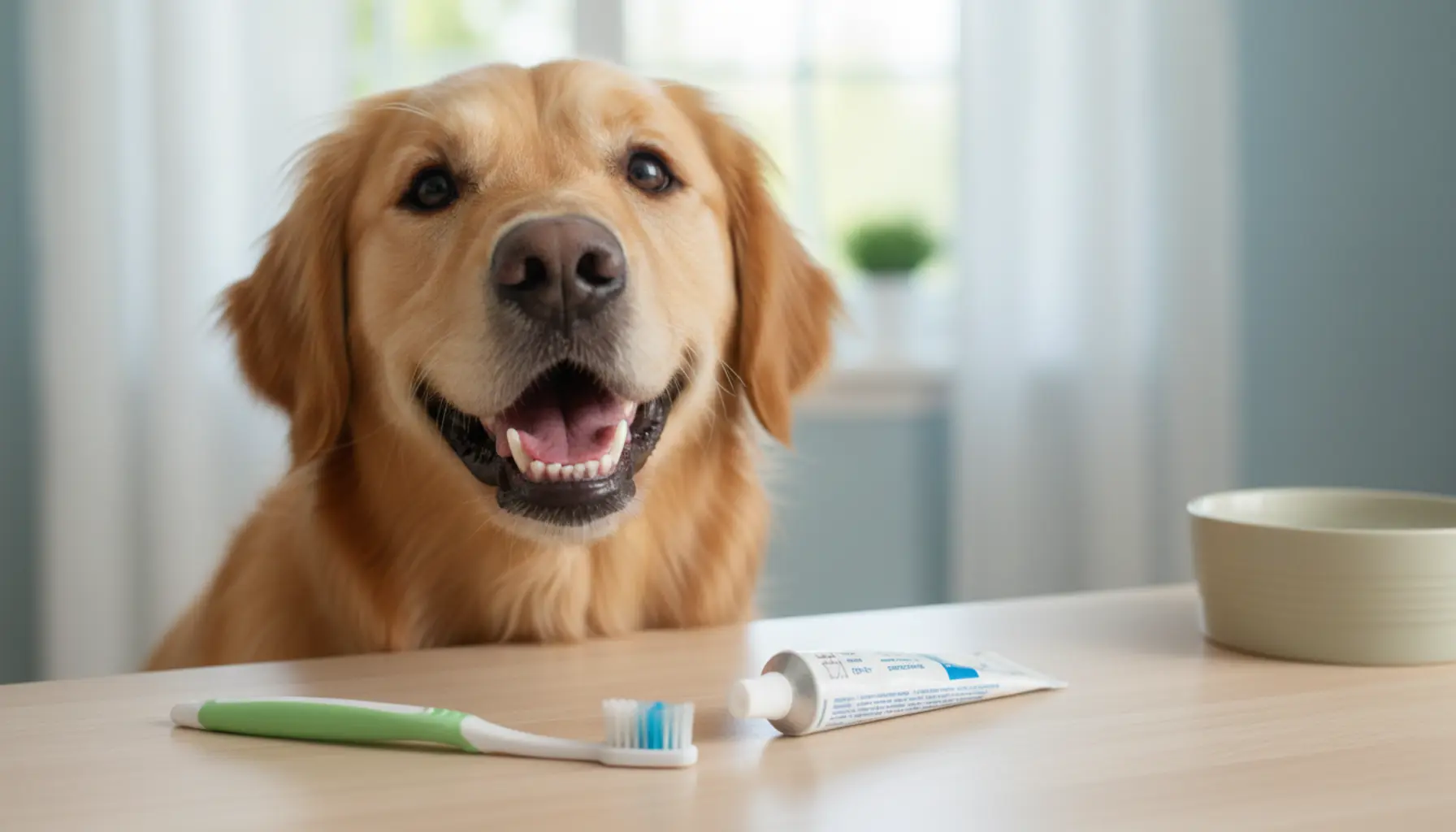
The second, equally important element is selecting the right toothpaste. These products differ not only in flavor but also in active ingredients and mechanism of action, which affects their effectiveness in reducing plaque and refreshing breath. The basic characteristic of dog toothpastes is that they contain no fluoride or strong detergents – instead, they contain enzymatic substances (e.g., lactoperoxidase, lysozyme, lactoferrin) to help break down bacterial plaque, limit pathogen growth, and support the mouth’s natural defense mechanisms. Good pastes also include mild abrasives (e.g., silica) in amounts safe for dog enamel, which help remove deposits when brushing. When choosing toothpaste, look for a clear ingredient list – the fewer artificial colors and intense flavors, the lower the risk of irritation or allergic reactions. For dogs with food sensitivities, allergies, or digestive problems, choose hypoallergenic, grain-free, poultry- and beef-free toothpastes, as these proteins most often cause allergies. The flavor of the paste is key in practice – most dogs accept chicken, veal, salmon, or liver flavors, making brushing more like a reward than a chore. However, avoid very intense scents if you’re sensitive to them, or the owner may quickly give up the routine. Start with small tubes in several flavors to find out which your dog likes best – some dogs prefer mild yogurt or minty flavors; others dislike anything except meaty ones. For dogs with a tendency towards tartar or existing periodontal issues, consider specialty pastes with zinc chloride, hexaphosphates, or ingredients that bind calcium in saliva, limiting mineralization and slowing tartar build-up. Some products can be used without brushing – apply them with a finger or applicator, which is useful if your dog is still learning to accept a brush. However, remember that even the best toothpaste is not a substitute for mechanical cleaning and should always be a part of broader oral care. Before buying, consult your vet, especially if your dog already has gum disease, enamel defects, dental pain, or breed-specific needs (e.g., brachycephalic breeds with tightly packed teeth). Your vet can recommend specific products that have proven effective and are suited to your dog’s age, size, and health. Pay attention to how your dog reacts to the brush and paste – excessive drooling, face rubbing, refusal to eat, or gum redness indicate you may need to switch products. That way, daily oral hygiene remains not only effective but also comfortable and safe for both dog and owner.
The Role of Diet in Maintaining Healthy Teeth
Diet has a direct impact on your dog’s teeth and gums, as what and how your dog eats can either foster plaque build-up or help to naturally scrape it away. The foundation is a complete dog food tailored to the pet’s age, size, and health – deficiencies of minerals like calcium, phosphorus, magnesium, and micronutrients (zinc, copper, etc.) can weaken teeth and periodontal tissues, increasing the risk of inflammation. Choose foods with high-quality animal protein, which helps tissue regeneration, and provide enough fat, and vitamins A, D, and E, crucial for mucous membranes and local oral immunity. Very soft, sticky foods – particularly wet food or homemade purees, leftovers, and table scraps – promote the collection of debris between the teeth and along the gum line, a perfect environment for bacteria. Combined with saliva, bacteria form dental plaque. Dry food with the right kibble structure can act like a gentle “scrubber,” mechanically removing some deposits during chewing, though it still does not replace brushing. The hardness of the kibble matters as well – too small and fragile, and it breaks up instantly in the mouth, not requiring chewing; too big and too hard, and it may discourage eating or cause tooth micro-injuries, especially in small breeds or senior dogs. Avoid excess simple carbohydrates and sticky foods, which easily adhere to teeth (e.g., cheap foods high in grains, syrups, or molasses), as they increase bacterial growth and tartar formation. Caloric balance is also crucial – overweight or obese dogs have more chronic inflammation, which can include gum inflammation. A well-balanced diet strengthens immunity, helping the body combat oral bacteria. For BARF or home-cooked diets, consulting a veterinary nutritionist is vital to ensure the right calcium-to-phosphorus ratio, protein, fatty acids, and micronutrients – wrong proportions can weaken jaw bones and teeth, and increase risk of periodontal disease. Besides ingredients, regularity and serving style matter: dogs fed several times a day have more frequent contact between food debris and the mouth, so regular brushing and dental supplements become even more important.
You can actively use diet as a dental prevention tool, opting for products specially formulated to reduce plaque and tartar. There are VOHC (Veterinary Oral Health Council)-approved dental diets with special fibers and kibble shapes so the tooth sinks into the kibble, rather than just shearing it. These foods dramatically reduce plaque if used regularly, but are typically supplements to the main diet, not complete meals – your vet should decide. Dental treats are helpful thanks to their texture and active ingredients (e.g. polyphosphates, enzymes, chlorhexidine, plant extracts) that help limit bacterial growth and slow mineralization. Mind their calories and ingredients – many popular chews are high in grains, sugar, or artificial coloring, which can harm your dog’s overall health. Pick products with short ingredient lists, proven effectiveness, and veterinary recommendations, adjusting the number of treats according to your dog’s daily caloric needs and reducing main food portions if necessary. Natural chews (dried skins, tendons, ears, tripe) also encourage chewing, improve gum circulation, and can clean teeth somewhat mechanically, but again, caution is warranted: bones, antlers, or hooves that are too hard increase the risk of cracked tooth crowns, broken premolars and molars (especially the famous P4 tooth), and gum injury. A key rule given by veterinary dentists is the “thumbnail test” – if you cannot dent it with your thumbnail, it may be too hard for your dog’s teeth. If your dog tends to swallow large pieces of chews, be careful about choking or digestive obstruction. Clean, lukewarm water is another, often overlooked, part of diet – proper hydration supports saliva production, which naturally washes away some germs and food debris from the teeth. Enzyme or antibacterial water additives can be used, but introduce them gradually and make sure your dog still drinks – too strong a taste or smell may discourage drinking, causing more harm than good. Never give your dog sweet drinks, leftovers, sauces, or human foods (especially sweets, products with xylitol, onions, garlic), as they can severely worsen dental decay and gum disease. Diet must be individually tailored: for mini breeds high-risk for periodontal disease, special dental diets and preventive treats are often recommended; for dogs with allergies or digestive issues, ingredients must be chosen very carefully to avoid adverse reactions. Regular dietary consultations with your vet or a pet nutritionist help create a plan that supports both overall health and helps keep teeth and gums clean and strong.
Home Remedies for Combating Tartar
Home prevention of tartar buildup in dogs relies on simple, regular activities you can make part of your daily pet care routine. The most important and effective home method remains regular tooth brushing – this is the only way to truly remove bacterial plaque before it mineralizes into hard tartar. Combine brushing with dental treats, special chews, and additives for water or food, supporting the action of brush and paste. Home care won’t replace a professional dental cleaning at the vet, but it can delay or even prevent the need for anesthesia and medical tartar removal. The key is to act early, stay consistent, and choose methods suited to your dog’s character and health. For young dogs still changing teeth, introduce routines of touching the mouth, lifting lips, and short, positive sessions with a finger brush from the beginning. This way, the dog learns that oral care is normal and not scary, and you increase your chances of successful cleaning in adulthood. At home, pay attention not only to the teeth themselves but also the gum line: redness, swelling, or bleeding after chewing toys may signal plaque irritating the tissues and the need for more action or a vet visit. Regularly checking your dog’s mouth in good light helps you quickly spot dark yellow or brown tartar, usually collecting on the canines and molars, especially in small breeds such as yorkshire terrier, shih tzu, maltese, or older dogs less willing to chew harder foods.
Dental treats and chews that combine chewing pleasure with mechanical cleaning are also helpful against tartar at home. Choose proven products, ideally with VOHC certification or vet recommendations; these often have a special shape, a porous texture, or added active substances (enzymes, polyphosphates) that slow down plaque and tartar formation. Remember, they are supplements, not substitutes for brushing: while they can reduce deposits, they do not reach gum lines or between teeth as accurately. Among home methods, natural chews like dried skins, tendons, or antlers are popular, but be very careful – bones or antlers that are too hard can cause hairline fractures or break teeth, causing pain and infection. The “if you can’t dent it with your thumbnail, it’s probably too hard” rule is a good practical tip. Owners sometimes try “home hacks” (baking soda, vinegar, or coconut oil solutions), but don’t use these without veterinary advice – they can irritate mucous membranes, upset the mouth’s natural pH, and do more harm than good. Safer alternatives include special water or food additives designed for dogs: these may contain enzymes, algae extracts, or compounds binding calcium to slow plaque mineralization. Regular use, following manufacturer and vet instructions, can subtly improve oral health, especially in dogs that resist thorough brushing. Also, avoid frequent starchy or sugary snacks, opt for complete food with proper kibble structure, and always provide fresh water to support natural cleaning through saliva and chewing. Whatever methods you choose, consistency and observation are key: if, despite brushing, dental treats, and water additives, your dog’s breath remains bad, there’s visible tartar, or the dog is sensitive to mouth touch, see your vet to check for gum disease needing professional attention.
Prevention and Consistency – The Key to Healthy Dog Teeth
Dental prevention for dogs is not a single spectacular procedure every few years, but a calm, repeatable routine that day by day reduces plaque build-up and bacterial growth. It’s consistency that sets apart owners whose dogs have healthy teeth into old age from those needing expensive dental treatments every few years. The foundation of prevention is daily or nearly daily brushing – ideally seven times a week, but realistically, 3–4 times weekly is still effective and attainable if done at roughly the same time every day. Make it part of your routine, e.g., after the evening walk or before bedtime, so your dog associates it with a predictable, calm moment. Build positive associations with a reward after every brushing: praise, a low-stick treat, or a few moments of play. This helps your dog accept the procedure faster, turning resistance into cooperation. Start with short sessions of a few seconds and gradually increase to one or two minutes for the whole mouth, performed regularly without long breaks that can undo your progress. Consistency also includes home mouth checks – once a week, inspect the gums and teeth in good light for redness along the gum line, foul odor, loose teeth, discoloration, or enamel damage. Regular “inspections” allow you to spot early problems before painful periodontal disease or abscesses manifest (often only apparent when the dog stops eating hard food or starts drooling heavily). Consistency also applies to chew and treat choices – certified dental chews (e.g., VOHC) should appear regularly, like 2–3 times a week, not randomly or in excess which could disrupt caloric balance. Avoid abrupt changes and experiments with hard “natural” chews that might sometimes be given, sometimes banned, causing frustration or confusion for you and the dog. Consistent rules are easier for both the dog and household members, reducing the risk that someone gives a “comfort treat” that ruins good dental hygiene. Prevention also means sticking to a set feeding plan – high-quality food, not constantly mixed with leftovers or sticky add-ons, as these stick to teeth and feed bacteria. Fewer sugar spikes in the mouth and less snacking make it easier to maintain a healthy oral microbiome and slow plaque growth.
Routine vet checkups are equally important – ideally once a year, or every six months for breeds prone to periodontal disease and senior dogs. Only a vet can spot subtle issues like gum pockets, receding gums, or hidden tooth fractures that you won’t see at home. Many owners visit the vet only when a problem is advanced, since dogs often hide pain for a long time – so schedule regular dental checkups, just like vaccinations or deworming reminders. After professional cleaning under anesthesia, maintaining home brushing is critical – otherwise, tartar may start building up again in just weeks. Sanitation should serve as a “reset” followed by a permanent, aware prevention plan: daily brushing, chosen diet, regular checks, and recommended water or food additives. Simple organizational strategies help maintain systematization: keep brushing supplies somewhere visible (e.g., by the water bowl), set a phone reminder, and divide duties among household members (one for nighttime brushing, one for the weekly mouth exam). For nervous or adopted dogs with negative mouth-touch associations, go slowly: start by touching lips, then lifting the lips, then introduce a finger wrapped in gauze, and only after several weeks use a brush. Don’t rush – any failed or too-aggressive step can undo your progress. Prevention also requires promptly responding to subtle problem signals: bad breath, mild gum bleeding after chewing, or avoiding harder foods. Don’t wait to “see if it passes” – early intervention is far less invasive. This systematic approach pays off not only in less tartar, but also in your dog’s well-being: no chronic pain, free chewing, better appetite, and more willingness to play. It also means predictable, lower prevention costs for you instead of sudden, high bills for complicated dental treatments, and the pleasant bonus of fresh breath and closeness with your pet every day.
Summary
Proper oral hygiene is the foundation of your dog’s health and well-being. Regular tooth cleaning, choosing the right brushes and paste, plus the proper diet, significantly reduce the risk of dental disease and tartar. Don’t forget about home support methods and regular veterinary checkups. Making prevention a part of your daily routine is an investment in your dog’s long, healthy life and their joyful smile every day.

