

Table of Contents
- Irish Soft Coated Wheaten Terrier – Origin and breed history
- Appearance and unique features of the Wheaten Terrier
- Character and temperament of the Irish Soft Coated Wheaten Terrier
- Coat care and daily maintenance
- Who is the Wheaten Terrier for? Tips for future owners
- Health, nutrition, and life span of the Irish Soft Coated Wheaten Terrier
Irish Soft Coated Wheaten Terrier – Origin and breed history
The Irish Soft Coated Wheaten Terrier, also known in Poland as the Wheaten Terrier, is one of the most fascinating Irish dog breeds with a rich history and unique cultural heritage. This breed’s roots reach deep into the traditions of rural Ireland, where for centuries it played a crucial role as a versatile working dog – guarding, hunting, herding, and family companion. The oldest mentions of dogs similar to the Wheaten Terrier date back to the 17th century; however, precise documentation is limited due to the sparse records from rural villages at the time. Though an official breed standard for the Soft Coated Wheaten Terrier was not introduced for a long while, these dogs were highly valued by Irish farmers for their remarkable intelligence, endurance, and versatility in both farm work and hunting small game – foxes, rabbits, or rats.
Unlike its more famous cousins – the Kerry Blue Terrier and the Irish Terrier – the Wheaten was, for centuries, the dog of the people, an inseparable part of everyday rural family life. Its characteristic, soft, wheat-like fur protected it from the harsh Irish climate and traditionally signified it was not an “upper-class dog.” The breed’s official recognition date is March 17, 1937, when the Irish Soft Coated Wheaten Terrier was first presented and registered by the Irish Kennel Club during St. Patrick’s Day celebrations. The breed’s formalization was the result of many years of breeders’ efforts to preserve distinctive Wheaten Terrier traits such as gentleness, friendliness, and unique appearance, while maintaining the breed’s characteristic temperament and working abilities. In the following decades, the breed gained more popularity outside Ireland – it reached Great Britain as early as the 1940s, and in the 1950s and 1960s it was introduced to the United States, where it was officially recognized by the American Kennel Club (AKC) in 1973.
The uniqueness of the Irish Soft Coated Wheaten Terrier is the result of careful maintenance of pure breeding lines and selective pairing to avoid introducing undesirable traits from other terrier breeds. For many years, the breed remained on the margins of cynologists’ attention, which allowed it to retain its rustic character and authentic bond with family and farm. Today, the Wheaten Terrier symbolizes Irish tradition and the love of persistent, hardworking, and also gentle dogs for children and loyal to their human. The traits shaped over centuries – sensitivity, attachment, extraordinary intelligence, and resistance to difficult conditions – make the Irish Soft Coated Wheaten Terrier not only an amiable dog but also a versatile companion both in city and countryside. The breed is still appreciated by dog lovers for its unique character, charm, and natural elegance, making it a true ambassador of Irish canine heritage worldwide.
Appearance and unique features of the Wheaten Terrier
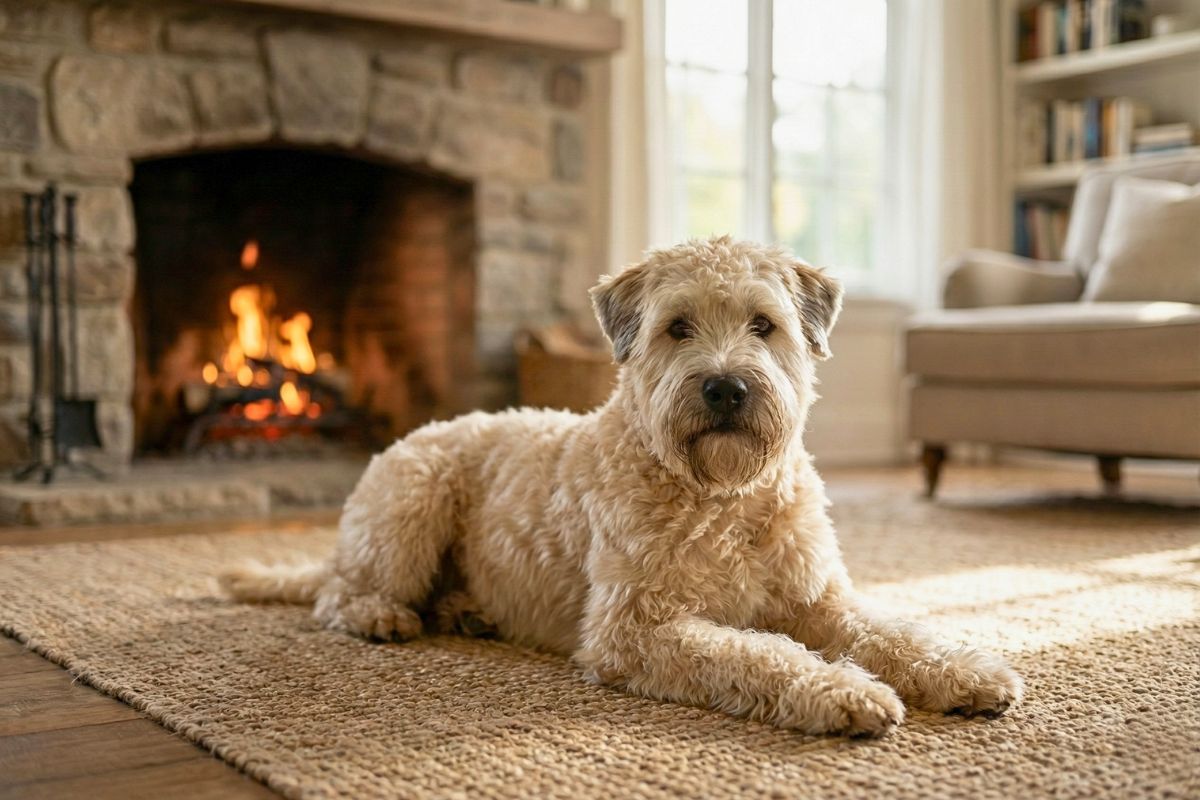
The Irish Soft Coated Wheaten Terrier, also known as the Wheaten Terrier, is a dog with a highly recognizable appearance that immediately attracts dog lovers looking for a uniquely charming breed. Its silhouette is proportionate, supple, and slightly elongated, making it look exceptionally elegant while radiating the energy typical of terriers. Adult males usually reach a height at the withers of 44 to 49 cm, while females are somewhat smaller and lighter, weighing 14 to 18 kg on average. The most distinctive feature of this breed is its soft, silky coat the color of ripe wheat – hence the breed’s name. The hair is long, wavy, and velvety to the touch, lacking an undercoat, which is why the breed is considered “hypoallergenic” (though it’s worth noting that truly non-allergenic dogs do not exist). This unique coat grows continuously throughout the dog’s life, requires regular grooming, and does not shed in a persistent fashion as in many other breeds, which is appreciated by people who value tidiness or have mild allergies.
The dog’s gaze is accentuated by dark, slightly almond-shaped eyes, surrounded by a lively, intelligent expression that betrays its willingness to cooperate. The ears are small, gently leaning forward in a “V” shape, soft, lying close to the head, and often covered with delicate hair, giving the Wheaten Terrier its characteristic, friendly appearance. The torso is strong with firm muscles, a straight back, and a short, compact loin. Both front and back legs are well-boned and strong, standing straight with arched feet, making the breed an excellent companion for walks, hikes, and sporting activities. The tail is of medium length, traditionally set low and carried in a cheerful but not overly high position. In addition to its visual appeal, the Wheaten Terrier is also distinguished by a harmonious gait, full of lightness and freedom, reflecting its agility, alertness, and lively temperament. Puppies are born with darker fur that lightens as they age, eventually reaching the final golden, wheaten shade. Many owners note that not only does the Wheaten Terrier impress with its aesthetics, but it also exudes warmth and friendliness, making it at home with families, active individuals, or singles. It is perfect with children and other animals, and its open, endearing expression wins over even those who had never encountered this breed before.
Character and temperament of the Irish Soft Coated Wheaten Terrier
The Irish Soft Coated Wheaten Terrier is renowned for its exceptional cheerful disposition and open nature towards people. Its personality reflects its long tradition of being both a family and working dog – accompanying Irish families and children, and integral to country life. The Wheaten is full of energy and joyfulness, immediately winning the favor of new acquaintances. Its greatest strengths include sociability, loyalty, and a strong need for closeness – this breed loves to be the center of attention, participate in daily family life, and always seeks physical contact, eagerly cuddling or laying its head on its caretaker’s lap. It is not a loner – it does not handle prolonged isolation well, making it best suited to active families where members spend a lot of time together, go on trips, or long walks. The Wheaten’s temperament combines gentleness and liveliness. Although it belongs to the terrier group, which can be impulsive and dominant, the Wheaten is relatively gentle, empathetic, and friendly towards children. It also gets along well with other pets, especially if properly socialized at a young age. Highly intelligent, curious about the world, and quick to learn new behaviors, the Wheaten excels in obedience training, educational games, or sports activities such as agility. At the same time, the breed retains some classic terrier traits: alertness, courage, and moderate independence. In new and unfamiliar situations, it may be reserved at first, but typically overcomes shyness quickly thanks to its curiosity and positive attitude towards people. It is known for the so-called “Wheaten greetin’” – an enthusiastic greeting where it bounces up, wags its tail, and intensely shows joy at seeing its owner or guests. This unique way of displaying affection is typical for the breed and highlights its friendly, open temperament.
While the behavior of the Irish Soft Coated Wheaten Terrier is charming, it requires understanding and appropriate guidance from its owner. Dogs of this breed can be stubborn at times, a result of their terrier heritage and high degree of independence. Proper socialization and positive training methods are necessary to channel their energy and develop desirable habits from puppyhood onwards – ignoring their physical and mental needs will lead to boredom and unwanted behaviors (such as digging, destruction of objects, or excessive barking). Wheatens have a heightened guarding instinct: they are alert, like to observe their surroundings, and alert owners to strangers’ presence; however, they are not an aggressive breed and are not overly territorial, more often warning with barking than engaging in confrontation. Thanks to their positive attitude towards people, they are not typical guard dogs, but make excellent “canine alarms” and friendly companions for even the youngest children. Their expressiveness, willingness to play, and need for movement make them ideal for physically active owners – daily walks, jogging, forest outings, or outdoor games suit them perfectly. Sensitive to tone of voice and quick to pick up on human emotions, Wheatens are even suited to therapeutic or assistance roles. Though not a fearful breed, the Wheaten may bark or act impulsively when bored or excited, so it’s important to apply consistent, deep-reaching training methods beyond basic commands. The Irish Soft Coated Wheaten Terrier truly shines when paired with a responsible owner who provides clear rules, much love, activity, and diverse mental stimulation. It is the model family companion – full of passion and warmth, eager to cooperate, gentle with loved ones, yet always lively, inquisitive, and prone to mischief, ensuring life with a Wheaten is never dull.
Coat care and daily maintenance
Grooming the Irish Soft Coated Wheaten Terrier, known for its exceptionally soft and silky coat, is a key component of caring for this breed. The Wheaten’s coat lacks an undercoat, distinguishing it from other terriers – their wheat-colored fur requires special attention, both in terms of looks and health. Regularity is crucial, so brushing should be done at least 3–4 times a week, ideally daily, especially during shedding periods or when the dog spends more time outdoors. Brushing prevents matting and tangling, which are a major concern for owners of long-haired, silky breeds. The brushes used should be gentle and suitable for soft hair, and you can also use wide-toothed combs and undercoat-removing tools – the latter, although symbolic in Wheatens, may sometimes be necessary. The Wheaten coat should be trimmed every 6–8 weeks, ideally by an experienced groomer familiar with the breed – trimming accentuates the dog’s shape and prevents the hair from growing too long and hindering daily function. At home, it’s best to teach your dog from a young age to stand calmly during grooming; when mats appear, gently separate them by hand or use special detangling sprays. Bathing should be done as needed, typically every 4–8 weeks, using mild shampoos for sensitive skin and silky coats. It’s essential to rinse thoroughly to prevent irritation or dryness. The hair around the muzzle, belly, or paws also needs special care – it easily collects dirt, food, and sand, so daily wiping with a damp towel or wipe is recommended. After walks, especially in overgrown areas, carefully inspect the dog’s coat for ticks, burrs, or grasses that can become tangled and cause skin irritation.
In addition to coat care, daily maintenance includes other routines affecting the Wheaten’s health and comfort. It’s advisable to check and clean the ears regularly – Wheaten’s soft, folded ears are prone to infections, so check weekly for discharge or unpleasant odors and clean them gently with a special ear cleaner for dogs. Corner of the eyes, due to hair length, may also need wiping with a damp gauze, especially if there are stains or crusts – this helps prevent irritation and discoloration. Nails should be clipped regularly, usually every 3–4 weeks, especially if not worn down naturally during walks, to ensure proper paw placement and prevent gait problems. This breed loves outdoor activity, so paw hygiene – cleaning and checking after each walk, especially in winter (contact with salt) but also in summer (sharp grasses, asphalt) – should be routine. Do not forget about oral hygiene; regular tooth brushing or dental treats reduce tartar and gum disease risks common in medium-sized dogs. Diet also affects coat and skin quality – consult a specialist for foods rich in omega-3, omega-6, vitamin A and E, which improve hair condition. Preventive actions such as vaccinations, deworming, and regular vet visits should be conducted per veterinary advice. Proper Wheaten care goes hand in hand with physical activity and mental stimulation – toys, learning new commands, changing walking routes, and interactions with other dogs will help maintain not only a beautiful coat but also balanced behavior and excellent well-being. Comprehensive Irish Soft Coated Wheaten Terrier care demands engagement, but the result is a healthy, well-groomed, and happy family dog that delights with both looks and character.
Who is the Wheaten Terrier for? Tips for future owners
Choosing a dog should be preceded by a thorough analysis of your expectations, lifestyle, and the specific requirements of a given breed – in the case of the Irish Soft Coated Wheaten Terrier, these matters are particularly important. This energetic, intelligent, loyal dog thrives in active families and with people who value closeness and regular contact with their pet. It is designed for those wanting to share everyday life with a dog that needs involvement; this is not an ideal companion for someone seeking an independent, low-maintenance dog. The Wheaten Terrier does not tolerate long separations from its owner, and being left alone can trigger separation anxiety, manifesting in vocalization or destructive behavior. The ideal Wheaten owner is thus someone with enough time for shared walks, play, training, and necessary daily grooming to maintain the dog’s coat and mental well-being. Remember, the Wheaten does not handle monotony well – the breed needs stimulation, both physical and mental, so outdoor activity, hikes, dog trekking, and diverse scent or obedience games are essential.
The Wheaten is recommended for families with children, though it’s important to build proper relationships from puppyhood and teach children to handle the dog gently. Thanks to its natural gentleness and patience, the Wheaten is an excellent playmate, but – as with any dog – contact with young children should always be supervised. Seniors with energy and free time may also consider this breed if they are ready for daily activity, walks, and somewhat more time-intensive grooming. The Wheaten adapts well to various living conditions, from a house with a garden to an apartment, provided it receives adequate exercise and entertainment; it is relatively quiet and not excessively vocal without reason, which city neighbors will appreciate. Another advantage is its “hypoallergenic” quality, making it a popular choice for those with moderate allergies – but “hypoallergenic” does not mean allergen-free, and reaction levels depend on the owner’s individual biology. It’s the right breed for those seeking a partnership with their dog, ready to fulfill its emotional needs and be consistent with training. The Wheaten quickly bonds with its family, easily accepts other dogs (especially when socialized young), and with cats or small animals, success depends on calm, well-thought-out introductions. Its intelligence and willingness to cooperate make it a great candidate for obedience, agility, canicross, or canine therapy, but training should always use positive reinforcement, as this breed is sensitive to tone of voice and does not tolerate being scolded. To sum up, choosing a Wheaten Terrier is recommendable for committed, patient people, active families, and those who understand the need to provide stimulation, regular grooming, and close emotional bonds every day.
Health, nutrition, and life span of the Irish Soft Coated Wheaten Terrier
The Irish Soft Coated Wheaten Terrier is nowadays considered a generally healthy breed, but like all dogs, it has some specific predispositions and requires carefully chosen health care. Most representatives of the breed enjoy good immunity and durability, but genetic problems can occur in the population. Typical health issues include protein-losing nephropathy (PLN), where the kidneys lose protein, and digestive tract conditions such as protein-losing enteropathy (PLE). Both have hereditary backgrounds and require particular attention – it is crucial to acquire puppies from reputable breeders who test the parents for health issues. Other potential concerns include hip dysplasia, progressive retinal atrophy (PRA), and skin allergies. Regular veterinary check-ups allow early detection and treatment or dietary management as needed. Health care must also include parasite prevention, vaccinations, and monitoring of teeth and ears, for Wheatens are susceptible to ear infections and periodontal disease due to their build. Health in this breed requires not just symptom-based responses but primarily preventive action, lifestyle adjustments, and daily routine tailored to the individual dog. Regular exercise maintains both fitness and mental hygiene, which is vital for the energetic and playful Wheaten.
Nutrition is key to the Irish Soft Coated Wheaten Terrier’s condition, coat appearance, and prevention of hereditary and acquired diseases. This breed requires a balanced diet, both in quality and quantity – the best results are achieved with high-quality dog foods rich in animal protein, essential fatty acids, vitamins (especially A, E, and B-group), and minerals like zinc and selenium. Many breeders and behaviorists recommend supplementing the diet with cooked vegetables, flaxseed oil, sea fish, or eggs, which helps both the skin, coat, and immune system. To prevent kidney and bowel diseases, avoid highly processed products, cereals, artificial preservatives, and colorants – owners should opt for mono-protein or hypoallergenic foods if food intolerance or skin allergies occur. Controlling weight and feeding regular, split meals prevent overload of the digestive system or metabolic issues. Remember, Wheatens will use their “doggy charm” to obtain treats, so controlling weight takes consistency and systematic approach from the owner. A proper diet means better coat quality and helps prevent cardiovascular diseases or age-related diabetes. Following these rules and veterinary care, these dogs can live on average 12 to even 15 years, which, for a medium-sized dog, is impressive. Early diagnostics, conscious feeding, and daily play and exercise ensure that the Irish Soft Coated Wheaten Terrier can remain a healthy, active, and happy family member for many years.
Summary
The Irish Soft Coated Wheaten Terrier is an energetic, friendly dog that makes an excellent addition to a family home. The breed is known for its soft, non-shedding coat and a remarkable temperament that blends courage and sociability. Proper grooming, physical activity, and a balanced diet are crucial to the health and happiness of the Wheaten Terrier. If you’re looking for a family dog that does not shed and loves spending time with people, the Irish Soft Coated Wheaten Terrier is an excellent choice for you.

