
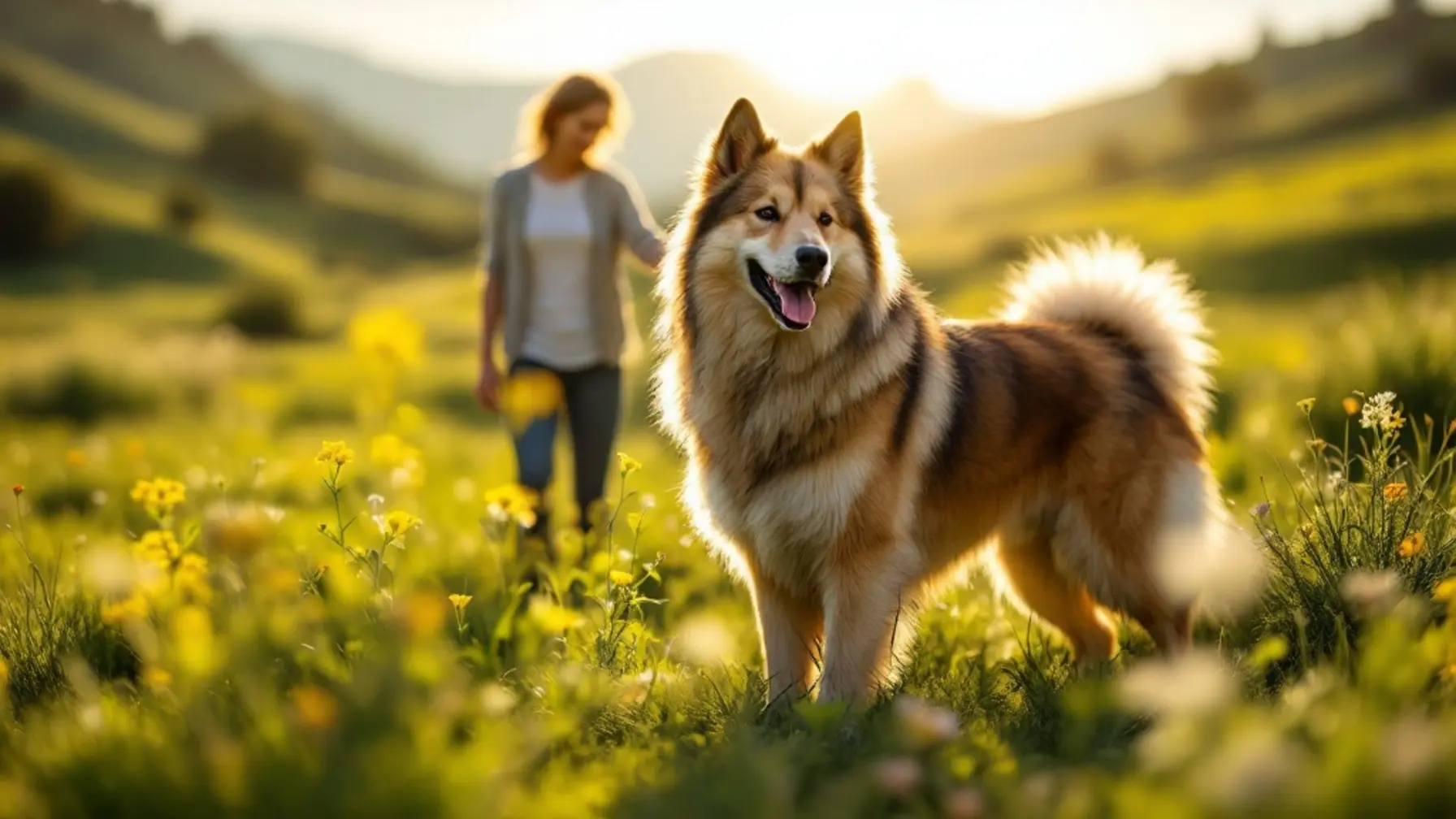
Alabai is a dog of extraordinary strength, endurance, and a deeply ingrained guarding instinct. The Alabai dog stands out not only with its impressive appearance but also with its loyalty and independence in action. Discover the history, appearance, and key features of this unique breed.
Table of Contents
- History and Origins of the Alabai Breed
- Appearance and Physical Structure of the Alabai
- Character and Temperament of the Central Asian Shepherd
- Living Conditions and Care for the Alabai Dog
- Feeding and Health of the Alabai
- Is Alabai the Right Breed for You?
History and Origins of the Alabai Breed
The Alabai dog, also known as the Central Asian Shepherd, is one of the oldest guardian breeds in the world, with roots going back several thousand years. It is believed that the ancestors of the Alabai originated from the vast areas of Central Asia—today’s Turkmenistan, Kazakhstan, Uzbekistan, Tajikistan, Kyrgyzstan, and parts of Russia. In these harsh, steppe-mountainous regions, the Alabai developed naturally, without the intervention of modern cynology: only the strongest, most resilient, and most balanced individuals survived. This long natural selection, supported by local nomadic and pastoral peoples, resulted in the Alabai being a dog of exceptional endurance, independence, and a strong territorial instinct. The main task of the Alabai for centuries was to protect flocks of sheep, goats, cattle, as well as property from predators and human robbers. The breed developed among wolves, jackals, and even bears, which required not only impressive physical strength but also strategic thinking and the ability to make independent decisions. For shepherds of the Central Asian steppes, the Alabai was not just another yard dog—it was an indispensable work partner, a flock guardian, and a “living fence” that watched over animals on vast pastures day and night, often in extreme weather conditions: from heat and drought to freezing winters with sharp winds. From the perspective of the breed’s history, the specific breeding philosophy in nomadic cultures was crucial. Alabai were not selected for a striking appearance but for utility. Females were chosen for breeding by observing their resilience, maternal instinct, and the way they defended the flock. Males had to show courage in real encounters with predators, the ability to sustain prolonged effort, and resistance to pain. Timid individuals, those aggressive toward the family, or disobedient to the shepherd were ruthlessly eliminated from breeding. As a result, a breed with considerable independence, a high threshold for aggressive reaction to humans, but extremely tough and determined in threat situations emerged. In the tradition of many Central Asian peoples, the Alabai was held in high esteem—often given names associated with strength, honor, and courage; the puppies of the best dogs went only to trusted shepherd families, strengthening the breed’s status in local culture. This cultural importance is connected with local varieties and types of Alabai, differing slightly in build, coat color, or working style, but sharing the core traits: versatile resilience, independence, and loyalty to their human. In countries like Turkmenistan, the Alabai has become a national symbol, and traditional methods of rearing and using these dogs are still alive today, thus maintaining the breed’s original character.
Although for centuries the Alabai remained mostly a working dog of pastoral peoples, it gradually began to appear outside its original region. The key moment in the breed’s history was during the Soviet Union era, when mass-scale, systematic breeding activities were initiated. The Soviet Union took an interest in native working breeds, including the Central Asian Shepherd, seeing it as an excellent candidate for a working, guard, and patrol dog. Many individuals were sent to military and state breeding centers, where they began to be registered, described, and crossed with the goal of developing a more uniform working type. At the same time, in the Alabai’s homeland, old “shepherd” lines continued to exist, often isolated from organized cynology and still developing according to traditional breeding principles. This dual heritage—on one hand, the “dog of the people,” shaped by harsh conditions and daily work with flocks, and on the other, the “state dog,” included in the official breeding system—affects today’s diversity in the Alabai regarding type, temperament, and working style. Formal recognition of the breed internationally was gradual: in many Western European countries, the Alabai appeared relatively late, and awareness of its original role and character was only just forming. For modern enthusiasts of the breed, it is important to understand that the Alabai is not an artificially bred “show dog,” but a living heir to the centuries-old Central Asian pastoral tradition. Long-term geographical isolation, the need to handle threats on their own, and close cooperation with shepherds have shaped a breed that has retained the traits of a primitive guardian dog: strong territorial instinct, vigilance, independent thinking, and the need for a clear hierarchy in its “own” pack. Knowing this history is essential for properly understanding Alabai behavior in contemporary conditions—on the farm, property, or even as a family companion—because its current reactions, needs, and worldview are the direct result of millennia of selection for being a fearless, responsible steppe guardian.
Appearance and Physical Structure of the Alabai
The Alabai, or Central Asian Shepherd, belongs to breeds with an impressive, massive build, making a strong impression with its very physique. This is a large, sometimes even giant dog—adults usually reach 65–78 cm at the withers (often more), with a weight of up to 70–80 kg. Females are generally a bit shorter and lighter, but are still very powerful. The Alabai’s body should be rectangular, solidly built, with a broad chest and robust bone structure. The topline is straight, strong, slightly rising towards a well-muscled croup, which provides the dog with the driving force so critical for work in difficult terrain. The belly is moderately tucked up, without any sign of heaviness, but without the “dryness” of a sport dog—this is a truly functional animal, not a racer. Legs are strong, well-muscled, with thick, solid bones, ending in large, tight paws that make it possible to move on rocky, mountainous terrain and snow. The Alabai is often described as moving heavily, but in reality, a good specimen of the breed moves quite smoothly, with a long stride and notable driving force, while maintaining stability and confident steps. The overall impression should combine massiveness with rugged functionality—nothing about the body should be exaggerated or decorative, since every feature comes from its original purpose as a defender of flocks and property.
The Alabai’s head is large, wide, massive, with a shape close to rectangular and a pronounced, though not overly elongated, muzzle. The skull is broad, with a clear but not excessive stop. The nose is large, preferably black, though lighter pigment is permitted in light-colored dogs. The muzzle is deep and strong, and the dog’s bite is very powerful. Lips are thick but should not hang excessively. The Alabai’s eyes are set wide, relatively small for the size of the head, usually brown in various shades from dark to light. Their expression is of calm watchfulness, sometimes a hint of severity. The typical expression is a combination of composure and readiness to react—the Alabai is not a “smiling” dog, but rather a serious, focused observer of its surroundings. The ears are naturally medium-sized, triangular, set rather low and pendulous; in their countries of origin they were traditionally cropped, as was the tail, to protect the dog from injuries during fights with predators. Today, ear cropping is banned in many countries (including Poland), so increasingly Alabai are seen with natural, thick, high-set tails that curl in a ring or sickle. The neck is short to medium, very strongly muscled, often with a slight dewlap—though without excessive skin, adding to the impression of strength and stability, so important when confronting major predators such as wolves and bears.
The Alabai’s coat was shaped by the harsh climate of Central Asia and thus serves a crucial protective function. The coat is double: a dense, abundant undercoat covered by tougher, straight guard hairs that lie close to the body and protect against rain, snow, and wind. There are two main coat lengths: short (about 3–5 cm) and semi-long (up to 8–10 cm, especially around the neck, trousers, and tail). Regardless of length, it should be tough and somewhat rough to the touch, never silky or decorative. Alabai shed seasonally, usually heavily, due to their undercoat adapting to extreme temperature differences in their homeland. The color of the breed is very diverse—white, fawn, brindle, black, gray, pied, as well as cream and beige, both solid and with various markings. The standard allows almost any color except merle and chocolate; in the breed’s native regions, coats providing better camouflage in the steppe and mountains are traditionally favored. The skin is thick, elastic, often looser around the neck and shoulders, which makes them more resistant to injury and bites—this trait is highly valued in predator encounters. The entire build is molosser-like, though without the exaggerations found in some show breeds: the Alabai remains a working dog, with proportions that allow hours of movement and year-round outdoor living. Looking at a well-built Alabai, one is struck by the harmonious combination of strength, massiveness, and functionality—there is no over-broad chest at the expense of movement, no overly shortened muzzle that would impair breathing, nor excessively delicate limbs that would not withstand long distances over rocks or snow. This is a dog whose appearance directly reflects its history and purpose: big, tough, resilient, with distinct, rugged beauty that true breed lovers see as a synonym of authenticity and ancient power.
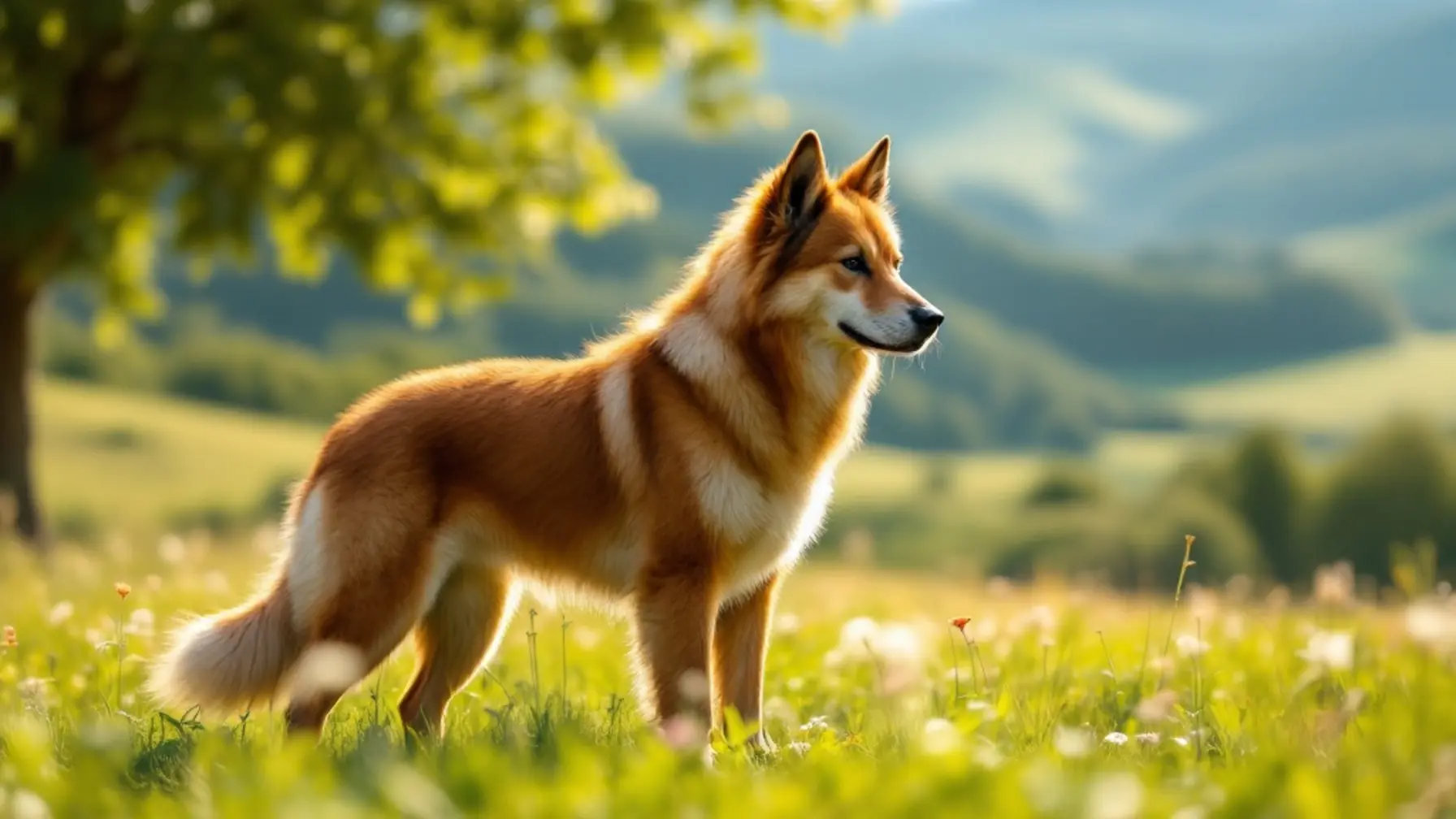
Character and Temperament of the Central Asian Shepherd
The Alabai has a very specific character, deeply rooted in the breed’s history, and significantly different from typical family or popular sport dogs. Its psyche has developed over centuries of independent work with flocks, without constant human supervision, which has made the Central Asian Shepherd extremely independent, calm, and composed, yet wary of strangers and highly territorial. In daily life, this appears as calm, even phlegmatic behavior—the Alabai is not overly excitable or vocal and can spend much of the day sleeping or watching its surroundings. However, its internal “radar” is always on: the dog constantly analyzes stimuli, picks up changes nearby, and instantly reacts with great determination and courage in case of threat. This blend of calmness and readiness means the Alabai acts more like an independent property guardian than a typical working dog waiting for commands.
With family, the Alabai is highly loyal, bonding strongly to its “pack,” though it is not overly demanding of affection. It expresses its feelings more through being close to its owner, quietly accompanying daily tasks, or discreetly watching household members. It often chooses a single main person in whom it places most trust, but a well-raised Central Asian Shepherd will defend the entire family and the territory it considers its own. The dog usually behaves very correctly at home—generally not very barky, not hyperactive, and doesn’t blindly obey every command. This is a dog that first checks whether something “makes sense” before responding; owners used to highly submissive breeds may find the Alabai stubborn or “disobedient.” In reality, this reflects its strong instinct for independent decision-making, a trait that, in its original environment, literally saved lives.
An important temperament trait is the Alabai’s inborn distance toward strangers—both people and animals. The dog typically does not seek contact, does not greet guests enthusiastically, and doesn’t react joyfully to unknown people on walks. Strangers are treated coldly and cautiously, closely observed. However, if it judges someone as a real threat to its territory or family, it can show another side: it becomes extremely determined and assertive, and its warning signals are very clear. Because of its strong guarding instincts and physical strength, an improperly raised and uncontrolled Alabai can be dangerous; therefore, appropriate socialization from the first months is crucial. A balanced Alabai clearly distinguishes between everyday situations and real threats—it doesn’t overreact to every noise, but will not ignore an intruder—here, the dog itself “judges” when to intervene, which can be challenging for less experienced owners.
The temperament of the Alabai combines seriousness and the ability for quick, decisive action, but it is not a breed set for dynamic, continuous work with a person—like German Shepherds or Border Terriers. The intelligence of the Central Asian Shepherd is utilitarian: the dog easily remembers patterns, can assess situations, and draw conclusions, but motivating it to repeat commands precisely many times requires much experience, consistency, and the right approach. Training must be built on respect, calm but unyielding consistency, and clear rules that the dog experiences daily, not just on a training field. The Alabai does not tolerate shouting, chaos, or nervous behavior from its owner; rough handling or violence may make it withdraw or begin to act independently, and in extreme cases, even display defensive aggression. Instead of physical force, it needs authority based on calmness and confidence—the handler must set boundaries clearly but also respect the dog’s needs and never overstep its sensitivity threshold. Alabai’s territorial and guarding instincts are especially visible in a property or farm setting. The dog quickly “maps” its area, learns to recognize typical stimuli like the mailman or neighbors, and usually does not react violently to constant, predictable things. It is much more alert to new situations: an unfamiliar car at the gate, a stranger entering the property, or the presence of predators nearby—in such times, it can switch from observer to active defender. For many, a big advantage is that the Alabai usually does not attack right away—it first warns, with a confrontational stance, growling, and deep, low barking. These are clear signs not to be ignored, especially if guests are not acquainted with the dog. With other animals, the Alabai’s temperament varies greatly and depends on early socialization and individual traits. With animals it grows up with, it is typically well-behaved, often even protective, treating them as part of its flock to defend. It may, however, strongly dominate other dogs, particularly of the same sex, and combined with its formidable strength, this demands responsibility and careful management during walks. Owing to its size and unique character, the Alabai is not a breed recommended for beginners or for those looking for a “cuddly” dog. This is a dog for conscious people, prepared for ongoing work on the relationship, providing a clearly defined place in the family hierarchy and suitable living conditions, where its natural vigilance and guarding sense become an asset, not a problem.
Living Conditions and Care of the Alabai Dog
The Alabai is a dog created for open spaces and demanding conditions, so providing suitable space and the possibility to act as a guardian is essential for its wellbeing. The Central Asian Shepherd is definitely not suited for apartment living—limited space, frequent noise, and contact with many strangers can lead to frustration, increased territorial behavior, and behavior problems. The best environment for an Alabai is a fenced property with solid, high fencing that it cannot jump over or dig under (the breed is known for its strength and cunning). The dog should have access to a secure area where it can move freely, watch its surroundings, and “patrol” the boundaries. However, it cannot be left alone “in the yard” without family contact—as independent as it is, psychologically it needs its human, and isolation may lead to withdrawal, excessive aggression, or apathy. Overnighting outdoors is natural for an Alabai, provided it has access to a well-insulated, spacious kennel set in a sheltered spot away from drafts and extreme sun; in cold regions, especially with strong wind and moisture, it’s worth giving it the choice—shelter in a heated outbuilding or the home. Because of its great size and slow bone maturation, the ground that a young Alabai walks on should be stable, not slippery and not too hard—repeated walking on stairs, tiles, or slick floors increases joint issues. When planning activities, remember this is not the kind of dog for running alongside a bike or long, strenuous jogs—the Alabai prefers steady but lasting walks, environmental observation, short bursts in threat situations, and independent initiative. Daily walks outside the property are nevertheless important for mental balance, requiring excellent control and work on calmly passing other dogs and people, because the Central Asian Shepherd instinctively evaluates threats in unfamiliar settings. In many districts, muzzles and a solid leash are required, and responsible Alabai owners should fully comply—especially since the dog’s size and behavior can evoke respect or fear in strangers. This breed tolerates constant life in a damp, tight kennel rather poorly; while the kennel may be useful as a precaution when the owner is absent, it should not be the dog’s main living space. The Alabai is also not a typical “couch potato,” but many representatives like spending time indoors with the family if taught proper behavior in the house.
Caring for the Alabai, while appearing simple, requires regularity and an understanding of breed specifics. The double coat with a thick undercoat protects against both frost and heat, so it should never be shaved “to the skin”—this disrupts natural thermoregulation and can encourage skin diseases; only light thinning of dead hair during shedding is acceptable. Normally, thorough brushing once or twice a week is sufficient, using a rake or furminator (but not overly aggressively, to avoid skin damage). During heavy shedding, usually spring and autumn, brushing even every day is beneficial, improving ventilation and reducing hair at home and yard. Baths should be rare—the breed benefits from a natural protective layer on the coat, so bathe only when truly needed, using gentle shampoos made for double-coated breeds. Pay special attention to paw care—after walks and during weather changes, check pads for cracks, cuts, or foreign bodies; in winter protect from salt and chemical de-icers with emollient treatments or special protective ointments. Also monitor nail length—dogs walking mainly on soft surfaces may not wear claws down adequately, and they may require trimming. The Alabai’s naturally pendent ears need regular checks for moisture, redness, bad odor, or discharge; gently clean with an ear-care solution, avoiding deep poking. Eyes also require observation—excessive discharge, squinting, or redness should prompt a veterinary check. Oral hygiene counts too: regular natural chews (e.g., dried skin, tendons, well-chosen raw bones under supervision) and periodic teeth brushing with special toothpaste help limit tartar build-up. Beyond grooming, health prevention is vital—the Alabai, being a giant breed, needs monitoring of joints (hip, elbow), heart, and for signs of bloat; feeding must be high-quality, suited to age and activity level, with daily rations divided into at least two meals and avoiding intense activity before and after eating. Constant access to fresh water, especially in summer, is essential, and bowls should be stable, heavy, and positioned so the dog cannot easily overturn them. Regular veterinary check-ups (vaccinations, deworming, health screening) and cooperation with a groomer, if the owner is not confident grooming alone, help maintain the dog’s good condition for many years. Calm, firm work with the Alabai from puppyhood ensures all care routines become habituated and not stressful for the dog.
Feeding and Health of the Alabai
Feeding the Alabai requires special attention, as it is a large, heavy dog with a slow-maturing body and specific nutritional needs. Alabai puppies grow rapidly but should not grow too fast—excess calories and overly high protein and calcium can result in serious skeletal and joint problems. Therefore, young Central Asian Shepherds should be fed high-quality food designed for giant breeds, with controlled energy and optimized calcium-phosphorus ratios, or a home-cooked diet developed by an experienced animal nutritionist. Meals should be divided into several smaller portions (for puppies even 3–4 daily), lightening the stomach’s load and reducing the risk of bloat. Adult Alabai generally do well on two meals a day, served at regular times, in calm conditions, with breaks before intense activity. Regardless of the feeding method (dry food, wet, BARF, cooked), stability and consistency are key, and avoid abrupt menu changes which may cause diarrhea and digestive upset. Alabai tend to keep good condition with a moderate amount of food, but some are greedy—the owner must monitor body weight, avoid overfeeding, and limit frequent treats, especially highly processed ones. It is advised to choose functional treats (dried meat, natural chews free from chemicals) that support dental hygiene and satisfy the need to chew. The Alabai diet should include appropriate amounts of animal fat, omega-3 fatty acids (e.g., salmon oil) to support resistance, skin, and coat, and a balanced amount of carbohydrates that do not cause overweight. Always ensure access to fresh, clean water, especially for outdoor and warm-climate dogs. Never give table scraps, seasoned food, sweets, chocolate, onions, grapes, nor alcohol; avoid cooked bones as they can perforate the intestines or cause serious constipation. For large breeds like the Alabai, consider elevated bowls, though this should be consulted with a vet in the context of individual bloat risk; more important than bowl height is avoiding the rapid gulping of large quantities at once, feeding right after exercise, and limiting jumping or vigorous play post-meal.
The health of the Alabai largely depends on responsible breeding, proper prevention, and knowledgeable ownership, because this breed, though generally tough and resilient, is not free from typical large dog health issues. Most important is the risk of hip and elbow dysplasia—a genetic disease but highly affected by diet and upbringing; therefore it is vital to buy Alabai puppies from breeders who perform mandatory x-rays on parents and do not push young dogs into intense training or stair running. Another serious breed issue is bloat—a life-threatening condition requiring immediate surgery; it shows as anxiety, repeated unproductive vomiting, abdominal distension, and rapid deterioration. Alabai owners should recognize these symptoms and act fast. Some individuals may develop heart problems (e.g., cardiomyopathies), endocrine diseases (hypothyroidism), and eye issues, such as entropion (eyelid rolling), which may require surgery. Prevention is vital: regular vaccinations, deworming based on stool tests, tick protection (collars, spot-ons, tablets), and annual—or in senior dogs biannual—veterinarian checkups with basic blood and urine tests. Because of their mass and build, monitoring nails and maintaining the right hair length between pads is important to prevent slipping or small injuries. Maintaining the Alabai’s health depends crucially on good physical condition—the dog should not be underweight or obese; being overweight dramatically increases the risk of orthopedic and cardiac problems. Physical activity must be adjusted for age and health—long, calm walks, free movement in the yard, as well as mental work (learning useful commands, nosework, scent tasks) keep muscles strong and the psyche balanced. Remember, the Alabai, as a guard dog, naturally conserves energy, so a lack of health problems doesn’t always mean a high desire for movement—the owner must ensure appropriate, regular activity. Properly cared for and well-fed Alabai can enjoy a relatively long life for a giant breed, living up to 12–14 years, but this requires consistent prevention, quick response to the first warning signs (stiffness after rising, cough, apathy, appetite changes), and constant cooperation with a veterinarian who understands the breed’s specifics and can tailor a suitable health program.
Is Alabai the Right Breed for You?
The Alabai is a demanding breed, designed for independent work and decision-making, so before deciding to buy or adopt, it’s worth honestly considering your abilities, lifestyle, and expectations toward a dog. The Central Asian Shepherd is not a “big Labrador” or a typical family dog—it is above all a guard dog, selected over centuries for independence, courage, stress-resistance, and a strong territorial instinct. This means that the Alabai needs an experienced, calm, consistent, and confident owner who understands the specifics of shepherd-guardian breeds and can set clear boundaries without violence. A fearful, uncertain, overly lenient, or emotionally explosive person may not manage such a strong, independent dog. The Alabai should have clear rules from day one—what is and isn’t allowed—because once the dog accepts a privilege, it is hard to take it back. This breed requires wise leadership built on mutual respect: the Alabai will not blindly follow commands for the sake of “obedience,” but will happily cooperate with a human it regards as a stable leader. If you want a dog always eager to play, keen to learn tricks, or to easily submit to every guest at home, the Alabai likely will not be the right choice.
The key issue in choosing an Alabai is the environment in which the dog will live daily. This breed is decidedly not suited to cramped apartment living, especially in a large city with constant movement, noise, and steady presence of strangers and other dogs. The Alabai feels best on a fenced, well-secured property where it can move freely and have a full view of its “territory.” Fencing must be solid, high, and stable—when the dog finds a real threat, it won’t hesitate to try breaching it. At the same time, it must not serve solely as a “yard alarm”: isolated on a chain or left almost exclusively outdoors and deprived of family contact, the Alabai will become frustrated, possibly aggressive, and a real risk to its surroundings. On one hand, this is a dog that prefers physical distance and does not constantly seek human attention; on the other, it must feel a genuine sense of belonging to its “human pack,” have daily contact and be able to participate in household life. It’s also vital to know that, even well-raised, the Alabai will never be a breed “for everyone”: its attitude toward strangers will always remain reserved, sometimes outright wary, requiring its guardian to control situations, guests, and introductions of new people to the property. If you run an open house, have frequent social gatherings, or receive many deliveries, service, or clients, you must introduce strict rules—separate zones, set procedures for greeting guests, controlling the dog at the gate or entrance. For those used to easygoing, open breeds, this may be a significant change in daily organization.
When considering an Alabai, you must also take a long-term view: this is a dog living over a decade, whose upkeep, training, and security cost both time and money. A Central Asian Shepherd puppy needs a carefully planned socialization—not “by quantity” as with many companion breeds, but a more qualitative, calm exposure to different stimuli and situations, coupled with learning composure, stepping away, and accepting human control. Any upbringing errors, lack of consistency or ignoring early discomfort signs can turn, in the future, into hard-to-manage behaviors, especially with a dog of such power. You must also consider local laws: in some countries or regions, the Central Asian Shepherd is subject to additional regulations (mandatory muzzle, registration, liability insurance), and neighbors may not always feel comfortable with a large, vigilant dog next door. When considering whether Alabai is right for you, ask yourself several honest questions: do I have experience with large, independent breeds? Can I dedicate time to conscious upbringing, careful socialization, and maintain steady rules throughout the dog’s life? Do I have sufficient space and infrastructure (fencing, technical kennel, safe resting area at home)? Do other household members—including children, elderly—understand this breed’s nature and accept the need for consistent rules about dog contact? Am I ready to take full responsibility for a dog that, in a real emergency, can use its strength and whose behavior will be judged much more strictly than that of a little pup? Only when these answers are conscious and consistent can you consider coexisting with the Alabai as a satisfying—though demanding—relationship between human and classic guardian dog.
Summary
The Alabai dog, also known as the Central Asian Shepherd, is a powerful and independent breed with a deep-rooted history. It is characterized by harmonious build and great physical strength. Although their appearance commands respect, Alabais are balanced and calm. They require an experienced handler who understands their needs and provides appropriate living conditions and care. Proper feeding and health prevention are crucial to their well-being. If you are looking for a guarding dog with a strong character, the Alabai can be an excellent choice.

