
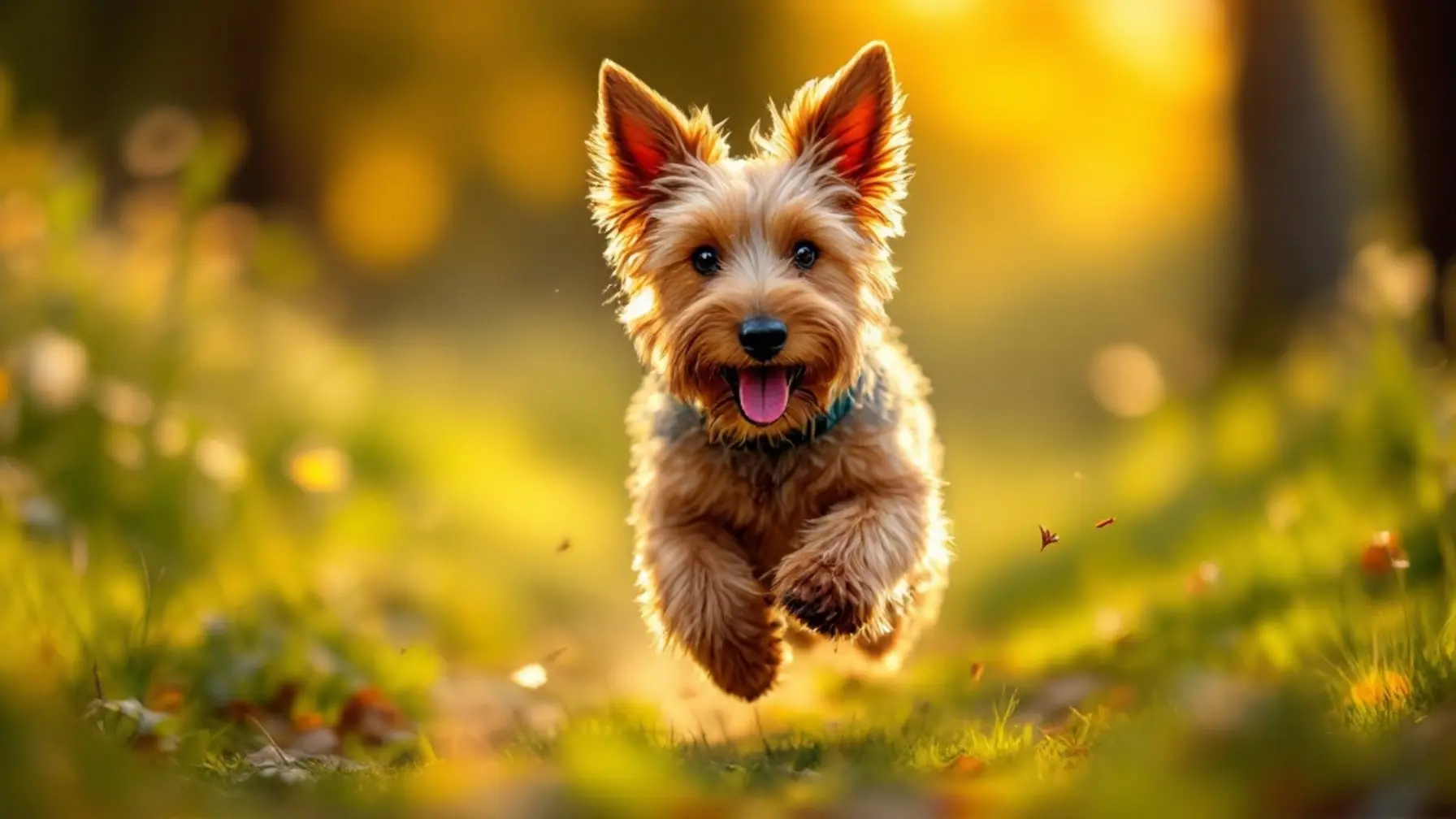
The Welsh Terrier is an active, intelligent dog — a perfect match for owners looking for a loyal companion with character. Our guide presents an in-depth overview, care recommendations, and key health information about the breed. Let our expert insight into the Welsh Terrier’s temperament and grooming reveal the most important features of this unique dog and offer practical tips for everyday life.
Table of Contents
- Welsh Terrier Temperament & Personality
- Welsh Terrier Coat Care
- Health & Common Breed Issues
- Activity Needs & Physical Requirements
- Best Diet for Welsh Terriers
- Tips for Future Welsh Terrier Owners
Welsh Terrier Temperament & Personality
The Welsh Terrier is renowned for its lively, confident personality and strong bond with its family. Like most terriers, they’re persistent and independent, enhanced by a naturally cheerful “Welsh” demeanor, playfulness, and surprising gentleness towards their humans. These intelligent dogs are alert and quick to react to their environment – whether it’s a rustle outside or a stranger approaching the gate. Despite possessing strong hunting instincts and a keen nose, with consistent training from puppyhood, the Welsh Terrier can focus closely on its owner. Loyal and often attached to one “favorite” person, they are usually friendly with all household members, including children (who must respect their space). Welsh Terriers crave human company and stimulation — left alone or bored, they can become noisy, destructive, or demand attention through barking.
Immense energy and curiosity keep the Welsh Terrier constantly on the move, requiring plenty of both physical and mental activity. This breed thrives on exploring, tracking scents, hunting for toys, obedience practice, or learning new tricks — all activities that channel their vibrant nature. Highly intelligent yet independent, the Welsh Terrier wants to understand the purpose behind commands and, at times, prefers doing things its own way. Effective training involves consistency, patience, and the use of positive reinforcement — harsh methods or shouting may lead to distrust or even defensive behaviors. A properly socialized Welsh Terrier usually gets along with other dogs but still carries the typical “terrier toughness”—in conflicts, they rarely back down. Owners must monitor interactions with other dogs, particularly those of the same sex. Cautious yet rarely fearful with strangers, they need to “evaluate” new situations independently, showing guarded alertness and a readiness to protect their territory. Their self-assurance and boldness create a “big dog in a small body” impression — perfect for active households where they can join everyday activities, sports, or excursions. When well exercised and mentally engaged, their playful and loving side emerges at home: they can relax, snuggle, and rest quietly with family. This unique blend of spontaneity, cheerfulness, cleverness, and loyalty makes the Welsh Terrier’s temperament a rewarding challenge, bringing daily joy and positive energy to the right owner.
Welsh Terrier Coat Care
The Welsh Terrier’s coat is distinctive — wiry, dense, with a defined “hard” texture and soft undercoat. This structure lets them handle cold and damp weather and shed less than many breeds, but it requires specialized grooming. The key is hand-stripping, not just machine clipping. Hand-stripping (done by hand or using stripping knives) removes dead topcoat hair, stimulating new, strong hair growth and maintaining the breed’s signature look and coloring. If only clipped, the coat softens, mats, and loses its iconic “terrier” appearance, while the softer fur absorbs more dirt and moisture, potentially causing odor. For show dogs, hand-stripping every 6–8 weeks (with a “rolling coat” technique) keeps the coat in top shape; for pets, stripping every 8–12 weeks suffices, but longer gaps mean harder, less comfortable sessions for the dog.
Regular coat care doesn’t stop at stripping. Daily or frequent at-home maintenance is essential. While the harsh coat resists dirt, it catches twigs and debris, especially after walks in woods or tall grass. Gentle daily brushing with a natural bristle brush or rounded steel comb removes debris and prevents mats, especially on the chest, armpits, and groin, while allowing for skin health checks. Avoid rough or forceful handling: the Welsh Terrier responds best to gentle, consistent grooming — especially young dogs or those new to the process. Baths should be infrequent, only when the dog is dirty, before stripping, or for shows; too-frequent shampooing (especially with harsh products) softens the hair and removes protective oils, risking dryness and itching. Choose products designed for wire-haired breeds to strengthen the coat and make maintenance easier. Special attention is needed for the Welsh Terrier’s signature beard and facial hair, which can trap food and saliva — clean this area after meals to prevent stains and odors. Maintaining cleanliness here not only improves appearance but also ward off skin irritation. Early, positive introduction to grooming, standing on a grooming table, light plucking, and rewarding calm behavior all help make future grooming stress-free. If unsure, work with an experienced groomer familiar with Welsh Terriers and consult regularly on your grooming routine to keep coat and skin healthy and the typical, elegant wire-haired look intact.
Health & Common Breed Issues
The Welsh Terrier is generally robust and long-lived, but, like all purebreds, has some health predispositions. Average lifespan is 12–14 years, with many reaching old age in excellent condition — provided they enjoy proper nutrition, regular exercise, grooming, routine veterinary care, and responsible breeding. Among the most common health concerns are skin disorders, especially contact and food allergies. Their wiry coat and dense undercoat can lead to skin irritation if not regularly stripped and thoroughly dried after baths or wet outings. Some Welsh Terriers show itching, redness, and secondary infections, particularly around the abdomen, armpits, and paws. Many also have sensitive digestion; the wrong food can worsen skin issues or cause diarrhea or bloating. Hypoallergenic or monoprotein diets and limited, natural treats are recommended, especially for those with recurring symptoms. Regular ear checks are also crucial, as their moderately hairy but tight ear canals can trap moisture and wax, leading to infections, which manifest as itching, head shaking, or odor.

Breeders note some orthopedic and hereditary eye issues as well. While hip dysplasia is less common than in large breeds, some Welsh Terriers may develop mild dysplasia or other joint issues, especially if overweight or over-exerted as puppies (such as frequent staircase use or jumping before growth plates close). Legg-Calvé-Perthes disease — a degenerative hip condition causing lameness and pain — can occasionally occur and may require surgery. Eye problems like cataracts and corneal dystrophy are also observed, so reputable breeders screen parents for such diseases. Glaucoma and lens issues can arise, especially in seniors; owners should seek veterinary advice if their dog’s vision worsens, eyes water, or lenses cloud over. Though their thick coat protects well against the cold and wet, Welsh Terriers still need regular vaccines (for distemper, parvo, leptospirosis, rabies) and ongoing deworming and flea/tick protection, especially given their hunting background and love of undergrowth. Keeping a healthy weight is critical; a Welsh Terrier’s hearty appetite, if not offset by exercise, quickly leads to weight gain, joint strain, heart issues, and metabolic problems like diabetes. Dental checks and home oral hygiene prevent tartar build-up and gum disease, a risk if fed only wet food. Adults should see the vet once a year for a check-up; senior dogs, every six months including basic blood and urine tests to spot early signs of organ or heart disease for a longer, healthier life.
Activity Needs & Physical Requirements
Originally bred for tough, demanding work, the Welsh Terrier’s exercise requirements go far beyond basic neighborhood strolls. These dogs are energetic, have a powerful chase instinct and great stamina, thriving in busy, active households. Adult Welsh Terriers need at least 1.5–2 hours of diverse daily activity, spread over multiple sessions: an invigorating morning walk, playful afternoon games, and a calmer evening outing. For young dogs (8–24 months), this may be the bare minimum — more exercise and stimulation is often necessary to keep behavior in check and prevent boredom-related issues. Passive leash walks aren’t enough; the Welsh Terrier needs physical and mental challenges — hiking, brisk walks, running alongside a bike (when bone growth is complete), and nose work or scent games outdoors all satisfy their innate drive to explore. Due to a strong prey drive, they may chase cats, squirrels, or birds; safe, enclosed areas and a solid recall are a must before off-leash outings.
Alongside physical activity, Welsh Terriers need daily mental exercise. Without it, they can become overexcited, bark excessively, or find ways to entertain themselves, like digging or chewing on household items. Combine obedience practice with movement: brief, fun training sessions during walks, impulse control drills (such as waiting calmly before crossing streets), or trick training all deepen the bond and burn energy. Welsh Terriers excel at dog sports like agility, rally, obedience (even at an amateur level), and nose work. These activities harness their agility, drive, and curiosity and reinforce teamwork. Careful growth management is critical: build up exercise gradually in puppies, and avoid hard jumps and sharp turns until full skeletal maturity. For everyday living, the Welsh Terrier needs a secure, comfy home base and regular access to the outdoors. While a yard is nice, it won’t replace walks or interaction with the owner — alone in the yard, Welsh Terriers often dig, bark, or try to escape. Without enough exercise and mental stimulation, these dogs may develop behavior problems like barking or frustration. Structured, varied, and regular activities result in a balanced, cheerful Welsh Terrier that’s happy to curl up on the couch at the end of an active day.
Best Diet for Welsh Terriers
The Welsh Terrier’s diet should reflect its working dog history, energetic nature, and health profile. They’re small but robust, have fast metabolisms, and are quite active — they need meals rich in high-quality animal protein, healthy fats, and complex carbs. Top choices: quality dry or wet foods made for small–medium breeds, home-cooked meals, or a BARF diet (home diets should be guided by a pet nutritionist or veterinarian). Most Welsh Terriers do well on monoprotein or simple-ingredient foods, especially if sensitive to skin allergies or digestive issues. Choose food where meat is the main ingredient; minimize wheat, corn, and fillers that can trigger sensitivity. Healthy fats, especially omega-3s (fish, krill, flaxseed oil), support skin health and coat texture — keeping the coat glossy but properly wiry. Avoiding excess calories is crucial; even small indulgences can cause weight gain, hurting their joints, spine, and heart. Adjust portion sizes to age, weight, activity level, and health. Puppies need high-energy, nutritious puppy food in 3–4 meals daily; switch to adult food at 10–12 months, and reduce to two meals a day. Senior Welsh Terriers need lower-calorie “senior” diets rich in quality protein to maintain muscle and immunity.
Because they’re prone to digestive upsets and allergies, dietary changes should be gradual over 7–10 days, monitoring stool, skin, and energy. Sudden switches may result in diarrhea or worsen gut inflammation. Make small, step-wise transitions — especially between food types or if introducing home cooking. Choose treats without additives or sugar; natural chews (dried meat, tendons, fish skin) are ideal as rewards and for dental health. Treats should be no more than 10% of daily calories — Welsh Terriers are small but active, so overfeeding is easily missed until weight gain is obvious. Always provide fresh water, especially for dogs on dry food or those training in canine sports like agility or scent tracking; dehydration adversely affects performance, skin, and kidney function. Consider supplements for joint health (glucosamine, chondroitin, MSM) for very active dogs, and probiotics to stabilize gut flora in sensitive individuals (always check with your vet first). Dogs with existing health concerns may need therapeutic diets (hydrolyzed protein or limited-ingredient, duck, rabbit, lamb, etc.). Monitor weight, body condition, coat quality, and overall energy to ensure your Welsh Terrier’s current diet meets their needs, making quick changes if health declines.
Tips for Future Welsh Terrier Owners
Welcoming a Welsh Terrier into your home requires careful thought, as these are high-maintenance dogs needing hands-on, consistent leadership. Evaluate your lifestyle first: the Welsh Terrier isn’t a “couch potato” — this is a true working dog bred to hunt in the tough terrain of Wales. He’ll need multiple daily outings, including sniffing games and obedience practice. Plan on dedicating at least 1.5–2 hours daily — in all weather — to physical and mental activity. Teach children how to interact: Welsh Terriers are exuberant and may jump or grab toys near hands. Adults should supervise play and instruct kids not to pull the beard, disturb the dog while eating or sleeping, or tease with loud behavior. Consider other household pets: strong prey drive can jeopardize smaller pets, and relations with other dogs (especially same-sex) can be assertive without early, ongoing socialization.
Prospective owners should be ready for the breed’s classic stubbornness and independence, plus commit to early, positive training and socialization. Training is about building partnership and clear rules, not mechanical repetition; the dog must understand expectations, but also have outlets for natural instincts — exploring, sniffing, chewing, or digging in appropriate places. Find an experienced positive reinforcement trainer familiar with terriers to guide you. Stock up on quality gear: a secure, well-fitted harness or collar, sturdy leash, long line for recall training, variety of interactive toys, nose work mats, and dedicated grooming tools (brush, comb, stripping stone, or a trusted groomer). When selecting a puppy, connect with a responsible, registered breeder, ask about health test results, temperament, and observe adult Welsh Terriers in daily life to gauge if their energy level fits your home. City-dwellers should consider if there’s space for long-line training, and know that Welsh Terriers may bark at sounds or stimuli, requiring focus on calm behavior. Budget for grooming, preventive vet care, behavioral consults, and high-quality food tailored to their active lifestyle. Above all, Welsh Terriers are happiest as close companions — not in isolation or kennels — with consistent rules and patient, dedicated owners, they become confident, well-adjusted, and devoted friends for years to come.
Summary
The Welsh Terrier is independent and energetic, requiring much more daily activity than average. Regular hand-stripping and dedicated grooming are essential to keep their unique coat in top condition. Their health is usually robust, but owners should watch for breed-specific issues. With a balanced diet and enriching lifestyle, this is a truly rewarding companion. Considering a Welsh Terrier? Make sure you’re ready for a lively, involved canine partner who needs your time and commitment every day.

