

Discover the world of dog sports! Find out how to spend active time with your dog, choose the perfect type of activity, and ensure your pet’s health, safety, and fun. Practical tips and starting advice can be found below.
Discover the best dog sports, shared activities, and tips on how to choose the perfect sport for you and your dog. Be active and take care of your pet’s health!
Table of Contents
- Why is it worth doing sports with your dog?
- The most popular dog sports
- How to choose a sport based on your dog’s character?
- Safety and rules during activities with your dog
- Equipment and accessories for dog sports
- How to start your adventure with dog sports?
Why is it worth doing sports with your dog?
Doing sports together with your dog is one of the simplest and most effective methods of building a strong, healthy bond between caregiver and their four-legged friend. Exercise is not a luxury for a dog but a biological necessity—lack of adequate physical activity quickly leads to behavioral and health problems. Regular training, whether it’s canicross, agility, dog trekking, nosework, or just regular running with a bike, lets you fully unleash your dog’s natural potential, gives them a sense of fulfillment, while also teaching self-control, focus, and teamwork. For humans, it’s a great way to weave activity into daily routines, strengthen muscles, improve fitness, reduce stress, and simply get outside more often. Importantly, dog activities can be tailored to virtually any lifestyle—from calm, long walks and dog trekking, through recreational agility in your backyard, to very demanding competitive sports that engage both mind and body of the dog and owner alike. Overcoming obstacles together, learning new commands, planning running routes, or preparing for competitions strengthen the bond, build trust and communication, boost your dog’s confidence, and give you a sense of achievement and pride in your pet’s progress. From the dog’s point of view, an important aspect is that sports combine both physical and mental exertion—most disciplines require quick decision-making, solving “tasks,” and close cooperation with the handler, which is more tiring (and satisfying) than just running loose across a meadow. Well-chosen sports help young and energetic dogs burn off excess energy, reducing the risk of destructive behaviors at home, excessive barking, running away, or other frustration and boredom-based behaviors; for shy and insecure dogs, working together on new challenges gradually increases their sense of security and teaches them that their human is a reliable, supportive partner.
The health benefits of training with your dog are multidimensional and apply to both ends of the leash. For dogs, regular physical effort supports proper function of the heart and respiratory system, strengthens muscles, joints, and ligaments, and helps maintain a healthy weight, which is essential in preventing joint degeneration, diabetes, spine issues, or strain-related problems. Exercise improves intestinal peristalsis, metabolism, and overall body condition, while also helping many dogs calm down and achieve emotional stability, as a dog physically and mentally tired is typically calmer, more relaxed, and easier to train. For people, joint training is real motivation to get off the couch—a dog won’t “give up” a walk or a run, making it easier to maintain workout regularity, which positively affects cardiovascular health, fitness, immunity, and mental well-being; contact with nature, endorphins released during exertion, and your dog’s joy act as a natural antidepressant, reduce tension, and help you disconnect from everyday duties. Dog sports also have a huge social and educational element: group training, competitions, seminars, or simply meetings at the agility field or on long dog trekking outings encourage meeting new people, exchanging experiences, and building a community around healthy, responsible animal care. Regarding dog education, sports teach your dog to work in different conditions, with distractions, in the presence of other dogs and people, translating to better manners daily—easier walks in the city, calmer responses to stimuli, greater focus on the handler. For many owners it is also significant that doing sports gives purpose and brings daily structure: planning training, warm-ups, and recovery teaches regularity, time management, and attentiveness to your dog’s signals, such as fatigue, discomfort, or excitement for work. It’s a great opportunity to learn more about dog biology, biomechanics, and psychology, consulting with trainers, physical therapists, and behaviorists, which in the long run improves the quality of care and your overall life with your dog—from everyday walks to holidays and weekend trips centered around active time together.
The most popular dog sports
Among the most popular canine sports, agility usually comes first—a dynamic discipline where a dog overcomes a course of obstacles such as tunnels, slaloms, jumps, planks, or see-saws, guided solely by the handler’s voice commands and body signals. Agility develops coordination, speed, and focus in dogs, and requires good communication, precise movement, and route planning from humans. It is a sport for everyone—both small, agile breeds and medium or large ones, as long as there are no health contraindications; the intensity and height of obstacles can be adjusted to your dog’s abilities. Another very popular sport is canicross, meaning cross-country running with the dog attached to a special waist belt via a shock-absorbing leash. The dog runs ahead, pulling lightly and motivating you to keep pace, making canicross perfect for owners wanting to improve their fitness while giving their dog a controlled, intense energy outlet. Dogs best suited for this are healthy with good stamina—not necessarily purebred—as willingness to run, endurance, and no joint or spine issues matter most. A variant is bikejoring—cycling with your dog in harness running ahead and helping propel the bike. This sport requires advanced handler cycling skills, excellent dog control, and trained responses, so it’s recommended for more experienced teams. For mountain lovers and fans of long walks, dog trekking—hiking with your dog along trails, usually over longer distances and sometimes in organized events—is ideal. Here, speed matters less than endurance, route planning, orientation skills, and good organization (water, food, first aid kit, paw protection). Dog trekking is available for most dogs—including calmer or older ones, as long as pace and distance are suited to their capabilities.
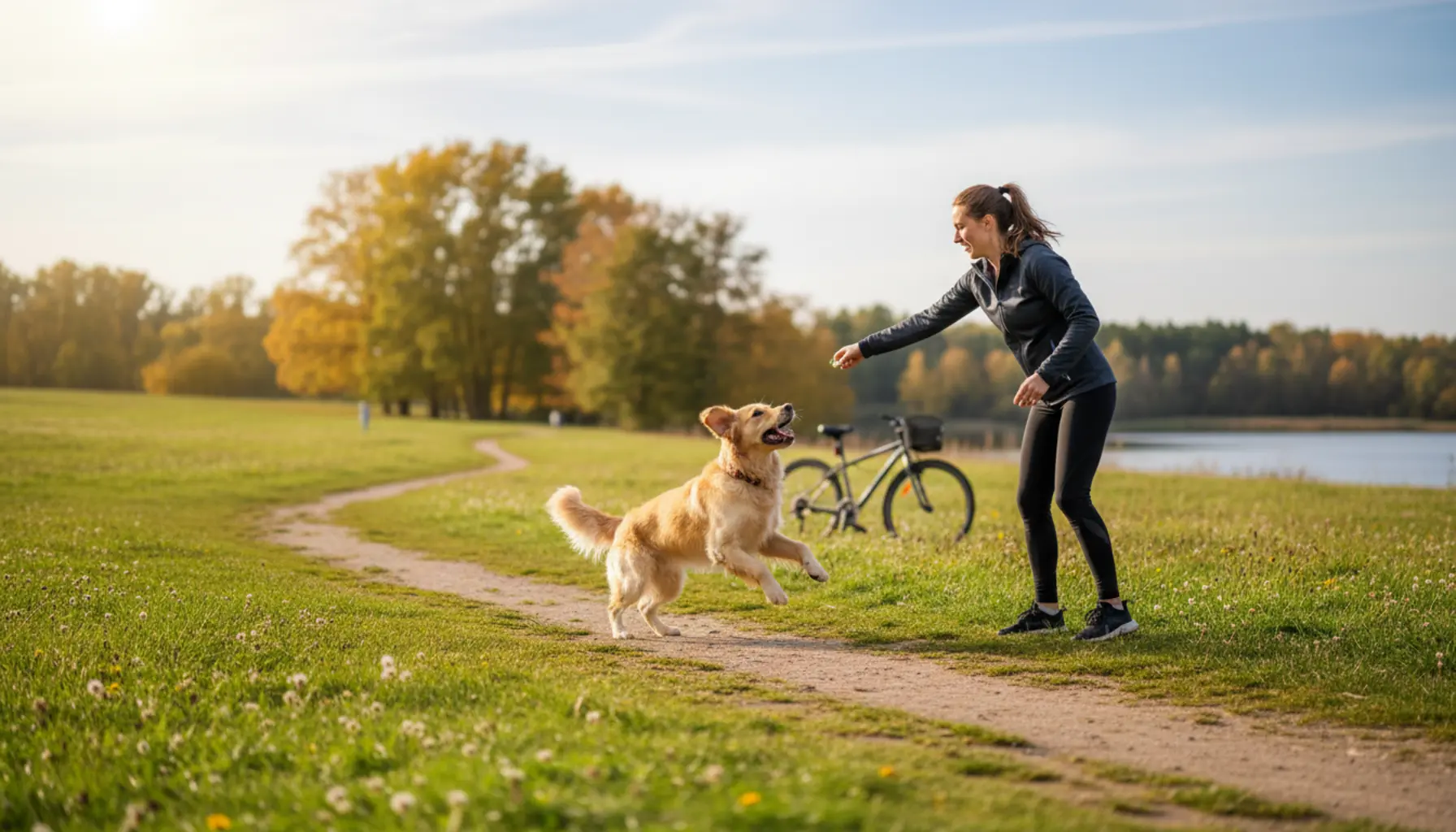
Working sports and nose work, based on dogs’ natural talents—mainly scent—are also gaining popularity. Nose work involves searching for a specific scent (such as essential oils) in various environments: indoors, outdoors, or in cars, with the human’s role being to teach the dog how to indicate a find. This training exhausts dogs mentally, builds confidence, and is suitable even for shy dogs, seniors, or those with mobility issues. Defensive and working dog sports like competition obedience (obedience trial), IPO/IGP, or rally-o are similar. Obedience focuses on precise command following, handler concentration, and teamwork—such as off-leash heeling, fetching, staying in place, changing positions at a distance. Rally-o is a more “laid-back” variant, where the dog-human pair completes a course of task cards, with evaluation based on flow and enjoyment of cooperation, making it accessible even for beginners. Also worth mentioning are herding and sled-based sports—such as flyball and sled racing. Flyball is a relay where dogs jump over obstacles, trigger a ball-launching machine, and return with the ball to the handler; it calls for speed, fetch drive, and the ability to work amid distractions (other dogs running alongside), but brings lots of physical and emotional excitement. Sled disciplines—canicross, bikejoring, scooterjoring (dog pulling a scooter), or classic sleds—are based on the dog’s instinct to pull and team cooperation, which is why northern breeds and dogs with high stamina excel, though with proper training, other dogs can also participate recreationally. There are also fetching and water sports, e.g. dog frisbee and dock diving. Dog frisbee combines speed, agility, and precision in catching a disc in the air, and also helps develop eye contact and understanding body signals; proper warm-up for the dog and jumping technique is crucial to avoid joint overload. Dock diving involves jumping into water from a dock for distance or height, offering intensive exercise while offloading joints thanks to the water. The variety of disciplines means virtually every dog-human team can find something suitable: from dynamic, fast-paced sports to long-distance hikes and calmer, “brainy” scent activities—what matters is always taking into account your dog’s health, temperament, preferences, as well as your own time and fitness.
How to choose a sport based on your dog’s character?
Choosing a dog sport should start with careful observation of your dog’s temperament and natural predispositions, instead of purely your own dreams or trends. Not every dog will feel comfortable in highly dynamic competitions, just as not all enjoy the precise discipline of obedience competitions. The first step is to evaluate your dog’s energy level: lively, quickly aroused dogs that are hard to “switch off” after a walk often thrive doing intense sports like canicross, bikejoring, flyball, or dog frisbee. Calmer, more steady dogs with a moderate nature usually prefer mentally engaging activities and quiet teamwork—nose work, mantrailing, obedience, rally-o, or dog trekking, where the effort is spread over time at lower intensity. It’s also crucial to observe how your dog responds to stimuli—crowds, other dogs, noise, or new places. A confident, curious, and adaptable dog will have fewer issues with competitions or group training, handling crowded fields. Shy, sensitive, or reactive dogs may need quieter environments and sports that give them distance from others, such as nose work or long-leash walks, treating agility or flyball as a long-term goal only after emotional groundwork. Your dog’s attitude to other dogs and people matters—if your dog gets easily frustrated, barks out of excitement, or tends to “collide” with others, pick sports that allow personal space or individual work, introducing team sports only after solid foundational training. Consider also your dog’s motivation: some will do a lot for treats, others respond better to toys, chasing a ball or tug—some find the greatest reward just running or being with you. The sport should use your dog’s main motivation—for retrieve lovers, dog frisbee, dummy training, or retrieval sports are perfect; for food lovers—scent disciplines and precision training where rewards are frequent. Observe in what types of play your dog enters a “flow” state: do they flourish when sniffing and tracking, sprinting, or calmly solving tasks and puzzles? That’s a big clue in which direction to go.
But character isn’t everything—when choosing a sport, you must include body structure, age, health, and even… your lifestyle. Heavier dogs, molosser-types, or brachycephalic breeds (short muzzles) may have reduced respiratory efficiency and struggle with prolonged, fast running, so intense canicross or sled sports may not be the best, especially in hot weather. Lighter, agile dogs with good coordination and high motivation—like border collies, shepherds, many working-type mixed breeds— excel at agility, flyball, or dog frisbee, so long as conditioning is built up gradually and orthopedic care taken. Seniors, puppies, and post-injury dogs need cautious introduction to activity, with emphasis on joint and back safety—for them, calm walks (dog trekking), scent training, basic proprioception and obedience (no jumps or sudden turns) are preferable. Regardless of breed or age, before starting demanding sports (especially jumping or strength-based), consider a vet check-up and, if possible, a consultation with a physiotherapist or orthopedist to rule out build or health exclusions. An important yet often ignored element is the handler’s character and capabilities—if you dislike running, it’s unlikely you’ll stick to canicross, and if you’re unsteady outdoors, sledding sports in tough terrain can be stressful. Consider what form of movement you enjoy: running, cycling, long hikes, competitive sport, or calm, analytical training—look for sports that overlap with both your preferences and your dog’s. Always start “light”: try demonstration classes, short workshops, beginner groups, or an individual session with an experienced instructor—someone who can assess if a sport suits your team. Watch your dog’s body and emotions during and after training—a sport-suited dog eagerly goes for sessions, remains engaged, and afterwards is happily tired but not over-excited or exhausted. Signs of stress, avoidance, boredom, or conversely—over-excitability, leash pulling, trouble calming—could mean the discipline, session method, or difficulty level needs changing. Treat sport selection as a process: with time, as your dog matures and their needs change, you may transition smoothly from one activity to another, combining sports so as to satisfy movement, mental work, and close contact with you at once.
Safety and rules during activities with your dog
The foundation of safety in dog sports starts long before the starting line—at the planning stage. The basis is a recent health check-up with your vet, ideally including a musculoskeletal, heart, and respiratory evaluation; for sporty dogs, also consider an orthopedic or physiotherapy consult. Puppies, seniors, post-injury dogs, or those overweight need to be introduced to training much more carefully; many disciplines have minimum age limits for this reason—to protect developing joints and spines. Owners should know of any exclusions (e.g. heart disease, dysplasia, breathing issues in short-nosed breeds) and not ignore even subtle signals such as reluctance to jump, stiffness afterwards, or changed movement. A proper warm-up is just as vital: 5–15 minutes of calm walking or trotting, a few simple joint mobilization exercises (gentle turns, weaving obstacles, walking on low, stable surfaces), and muscle activation with fetch or command work. Warm-ups should fit the discipline—different before agility jumps than before a long canicross run—and always feature gradual heart rate increase, not sudden intensity spikes. After activity, always cool down: a few minutes of easy walking, calming emotions, and offering rest in a quiet place. Proper equipment is just as crucial: a well-fitted sports harness that doesn’t block the shoulders or compress the trachea, a shock-absorbing leash of the right length (canicross and dog trekking need different ones), a human waist belt to offload the lower back, and—if needed—protective boots for dogs on rough, hot, or salty surfaces. Choke-collars, prong-collars, or standard “Norwegian” harnesses that poorly distribute pressure can cause pain, block shoulder movement, and lead to injury, and are not recommended for sports. The equipment should be regularly checked for frays, cracks, or loose stitching, since failures during running, cycling, or swimming pose immediate accident risks. Nutrition and hydration also play a part—dogs shouldn’t train right after big meals (risk of bloat in some breeds), but must always have access to fresh water before and after activity; on longer walks or runs, offer drinks every 20–30 minutes, and reduce distance/intensity in hot weather.
The key safety rule is to recognize your dog’s signals and respect their boundaries. Excessive panting, drooling, heavy breathing, slowing down, delayed command response, frequent stops, seeking shade, or licking paws can indicate tiredness, overheating, or pain. Ignoring these for “results” or just to finish your own session leads to injury and loss of your dog’s trust. Overheating is particularly dangerous—on hot days, skip the run in favor of nose work, water play, or a short, calm walk; dark, long-haired, and short-nosed dogs overheat faster and cool down slower. In winter, paws should be protected from frost and salt, avoid static standing on ice-cold surfaces, and be careful on slippery ground that invites ligament injuries. Safety also means being responsible in public—choose running or cycling routes away from busy roads, sharp bends, or loud sudden noises. In forests, respect regulations, particularly wildlife protection periods and leash rules; dogs must return on command and must not chase wild animals, both for their and wildlife’s safety. Meeting other dogs and people, practice training etiquette: don’t let your dog approach others uninvited, don’t assume “he has to get along,” and always ask before allowing interaction or say when your dog needs space. In groups, keep distance, control leash slack, and don’t let dogs get tangled in lines. In all activities, your dog’s wellbeing is the priority: training should be fun and motivating, never forced. Use positive training methods based on rewards, not punishment or yelling, to minimize stress, reduce aggression risk, and build trust for better cooperation. Carry a basic “field first aid kit” (bandages, saline for rinsing eyes or wounds, number for the nearest vet), learn basic canine first aid, and always plan sessions with a safety buffer: it’s better to end while your dog is still energetic and happy than push them to exhaustion.
Equipment and accessories for dog sports
The right dog sport gear affects not only comfort but primarily safety for both dog and handler, and also makes training easier and supports development in your chosen discipline. The cornerstone for running and sledding sports (canicross, bikejoring, dog trekking, skijoring) is a well-fitted sports harness dispersing pulling force over the chest and shoulders, not compressing the neck/trachea. Unlike ordinary walking harnesses, a sports harness extends behind the shoulder blades, letting your dog fully extend and move freely. Just as important is a stable, adjustable human waist belt with leash attachment slightly below the waistline to offload the spine. In canicross/dog trekking, shock-absorbing leashes of proper length are key—too short and they jerk, too long and they reduce control; roughly 2m for canicross, 2.5–3m for trekking. For cycling, the leash should be longer and feature a special attachment (bikejoring arm) to prevent entanglement. For many activities, light, well-fitted non-restrictive harnesses for heeling, obedience, or nose work are helpful—these allow freedom, not pulling, and easy leash changes. For technical sports like agility or rally-o, lightweight durable collars with secure buckles and short leashes (not interfering with starts or moves) are common. Sports gear also includes protective footwear for dogs, essential on sharp, rocky, icy, or hot surfaces. Boots prevent paw abrasions/cuts but need prior familiarization—during early training, use them on short stretches and reward the dog for moving comfortably. For water sports and disciplines with jumps into water (dock diving, water retrieve), floating toys and life jackets are invaluable, especially for beginners or those with less stamina, helping your dog keep afloat and stabilizing their body for safe, longer swims. For outdoors training, collapsible bowls, water bottles, lightweight mats, plus reflective and light-up gear—harnesses with reflectors, LED lights for collars, reflective leashes—improve safety for dawn or dusk sessions.
Each discipline often has its own extra accessories for precision and safety. For agility, the essentials are tunnels, jump obstacles, slaloms, planks, and see-saws with non-slip surfaces, but for amateur owners home training gear is more important: low bars for jumping, adjustable mini-hurdles, simple fabric tunnels, non-slip mats, and markers for defining zones. Flyball requires a special ball-launching machine and soft, visible balls sized for safe mouth hold; in dog frisbee, disc quality is vital—flexible yet durable to avoid mouth injuries; for beginners, soft smaller disks are best, with harder, more “professional” discs introduced later. Nose work and scent sports need boxes/containers to hide samples (e.g. cloves, tea, bark—subject to regulations), safe spots to place them, and light, long training lines (5–10m) to let the dog work independently but still under control. Dog trekking and longer hikes may call for fitted dog backpacks for light loads—water, treats, first aid kit—but the burden mustn’t exceed about 10–15% body weight, and the pack must distribute weight evenly without rubbing shoulders or armpits. Regardless of discipline, a “dog first aid kit” is handy—elastic bandages, sterile dressings, animal-safe disinfectant, tick tweezers, paw ointment, and any essential medication from your vet. Many sports dogs also use protective wear: lightweight rain jackets, muscle-warming sheets for post-workout or cooling vests for hot days ensuring thermoregulation and preventing overheating or chills. For training organization and handler comfort, treat pouches, waterproof bum bags or waist packs for phones/keys, and training markers (like clickers) and appropriate, high-value, small, non-crumbly, non-messy treats are very useful. When choosing gear, consider material quality, safety certifications, ease of cleaning, adjustability, and fit every element to your dog, testing gradually and observing reactions during early sessions.
How to start your adventure with dog sports?
Begin your dog sports adventure as a well-planned project: calmly, step by step, focusing on building a relationship, not quick results. The first step should be a thorough health check for your dog—a vet visit expressing your sports plan lets you assess your dog’s heart, joints, respiratory system, and any potential restrictions. For large and giant breeds, realize that early joint loading (e.g. intense running on hard ground, jumping) can cause injury, so young dogs often start with lighter forms of training focused on concentration, cooperation, and basic obedience. At the same time, assess yourself: your fitness, free time, and what activity type is realistic daily—intense canicross three times a week needs more commitment than Sunday dog trekking. At the start, it’s helpful to define your training goal: is it mainly to burn your dog’s energy, strengthen your bond, address behavioral issues, or prepare for amateur competitions? Awareness here helps you choose the right discipline and stay consistent in training.
The next stage is gradually introducing your dog to new stimuli, rules, and equipment—without pressure or comparing yourself to others. Initially, instead of immediately joining expert classes, try “trial” activities: a short, gentle jog on soft terrain, simple exercises using natural park obstacles (low logs, gentle hills), or scent games with treats hidden in grass or boxes. This lets you see what your dog enjoys, what stresses him, how he copes with new situations, and whether he can maintain focus with distractions. At the same time, lay the foundation: communication—learning basic commands (come, stay, drop it, slow, forward), focusing on the handler, and self-control. These skills are essential for most sports and will make future training more organized. Once you know your dog feels confident while moving, want to try something specific, and have some obedience basics, consider enrolling in group classes or private instruction with an experienced, positive-methods coach. A trainer helps select exercise difficulty, demonstrates right technique, corrects your posture and equipment use, and crucially helps you read subtle dog signals: signs of fatigue, frustration, pain, or emotional overload. For your first training, choose short sessions—better to end while your dog is still eager than push on until he loses interest. When introducing typical sport items—running harness, waist belt, frisbee, agility kit, nose work containers—give your dog time to explore: allow him to sniff, investigate calmly, praise any sign of curiosity or bravery. Ensure a gradual progression—start with teaching individual elements (approaching an obstacle, one short run with the leash lightly taut, one simple scent task), then combine them in short sequences. Keeping a “training journal”—logging session length, exercise type, weather, and your dog’s mood—helps you notice overfatigue or what activities suit him best. Over time, you can join local training groups, amateur competitions, or themed walks, but treat these as fun extras, not the primary goal—the foundation remains your dog’s comfort and wellbeing. While progressing in your chosen discipline, regularly return to basics: focus exercises, calm leash walking (why dogs pull on the leash), practicing rest in new places, and boosting confidence. These make sports clear, predictable, and enjoyable for your dog, and for you—a safe, rewarding way to spend time together for years, regardless of changes in your or your dog’s age, health, or skill level.
Summary
Sport with your dog is not only a great way to spend time together but also an investment in both you and your dog’s health and wellbeing. By choosing the right discipline, you gain the chance to strengthen your bond and ensure your dog gets an essential dose of exercise. Safety, tailored equipment, and understanding the basics are the key to success and joy for both ends of the leash. Start your canine sports adventure and see how physical activity can positively transform your dog’s life!

