
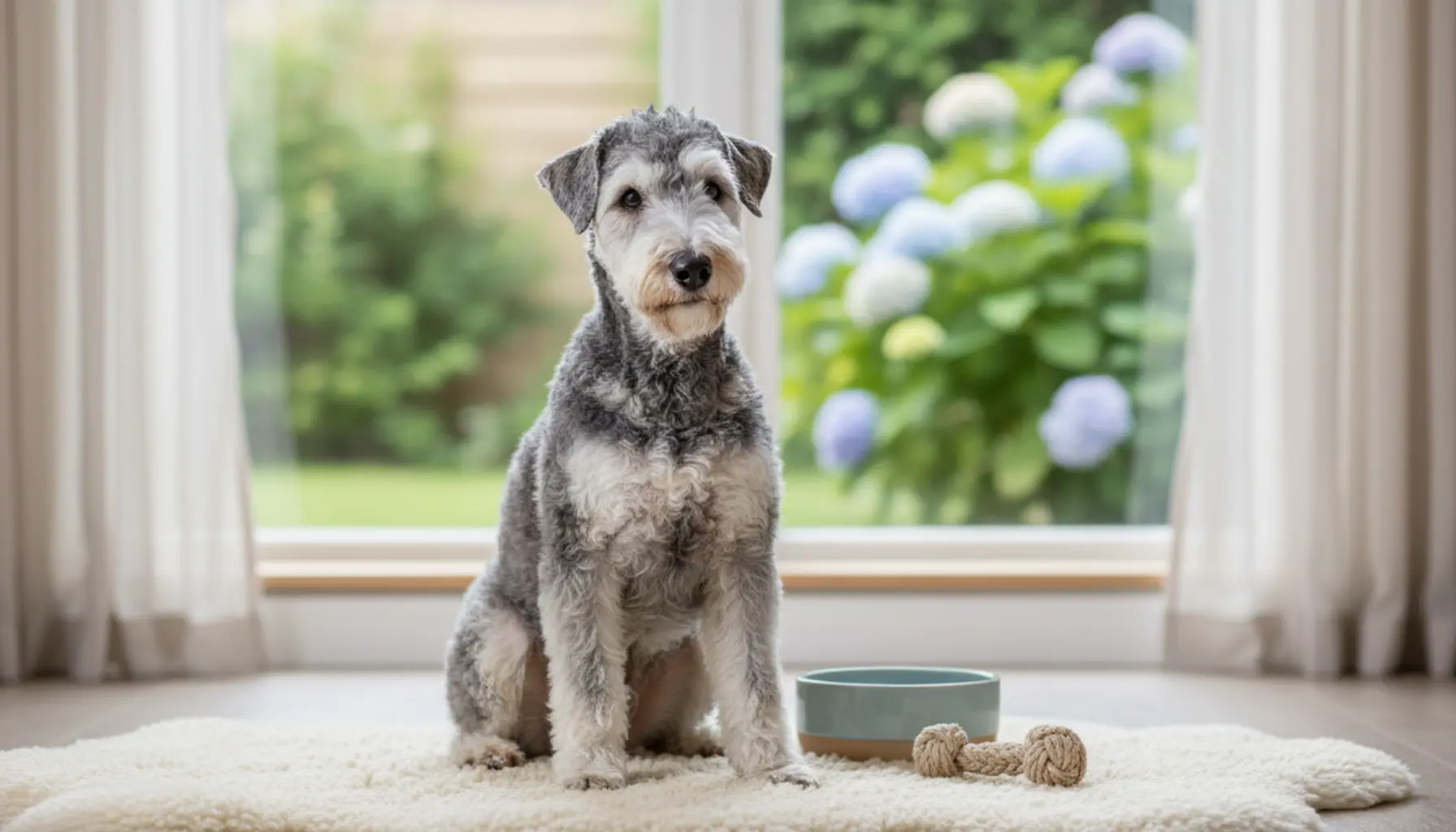
The Bedlington Terrier is a breed with a unique appearance and a fascinating history. The Bedlington Terrier combines the delicacy of a lamb with the courage and character of a true terrier. Discover its features, temperament, and grooming requirements to consciously choose the ideal four-legged companion for your home.
Table of Contents
- History and Origin of the Bedlington Terrier
- Exceptional Appearance and Build
- Breed Character and Temperament
- Health and Lifespan
- Bedlington Grooming Requirements
- Bedlington Terrier as a Family Dog
History and Origin of the Bedlington Terrier
Although at first glance the Bedlington Terrier looks like a delicate, dainty “lamb,” its history is much rougher and tougher than its appearance would suggest. This breed originates from northern England, in Northumberland County, specifically from the mining town of Bedlington, from which it took its name. As early as the 18th century, various working terriers were popular in the area, used primarily for vermin control—rats, otters, foxes, or badgers. At that time, there was no distinct breed yet, but the local dogs were known as “Rothbury Terriers”—named after Rothbury Valley, where animals renowned for their courage, agility, and extraordinary endurance were bred. It was from this non-uniform population of working dogs that the type gradually emerged, eventually gaining the name Bedlington Terrier. Initially, it was a typical working dog—employed in mines, on farms, and during hunts, with the task of relentlessly hunting down and eliminating pests. Contrary to today’s elegant image, the breed’s earliest representatives were valued for their “hard temperament,” hunting instinct, and ability to work in challenging terrains, including burrows and water. Their determination, speed, and nearly silent movement were highly prized, making them ideal allies of miners and poachers who needed an effective, yet inconspicuous, dog. Importantly, bedlingtons were especially favored among working-class people—laborers, miners, small farmers—rather than the aristocracy. Only over time, as their unusual appearance and character began to attract the attention of higher social classes, did the breed reach salons and dog show rings.
One of the most important breed forebears is considered to be a dog named Old Flint, born in 1782, though early records are incomplete and full of speculation. However, it is known that the modern Bedlington Terrier was significantly influenced by crosses with other hunting breeds, including the Dandie Dinmont Terrier and—according to some sources—the whippet. Infusing sighthound blood gave the dogs greater speed, a longer silhouette, and an elegant, arched back, which is still a hallmark of the Bedlington. The Dandie Dinmont’s influence can be seen in the coat’s unique structure and the strong personality—combining a terrier’s hardness with a certain dose of independence. The name “Bedlington Terrier” only began to appear in cynological documents in the first half of the 19th century, as the breed acquired a more stable, recognizable type. The first organized kennels began around the 1820s and 1830s near Bedlington and Rothbury, with the Bedlington Terrier Club founded in 1877, which greatly contributed to standardizing and promoting the breed at pedigree dog shows throughout the UK. From this point, the Bedlington began its gradual transformation—from a mainly working dog, often used in illegal dog fights or otter hunts, to a valued show and companion dog. As interest grew in its unique physique and “lamb-like” look, breeders focused more on elegance of lines, the characteristic pear- or wedge-shaped head, and the specific curly coat giving the impression of wool. Over time, Bedlingtons spread not only to continental Europe but also to the United States, where the American Kennel Club officially recognized the breed in the early 20th century. Today, this breed is relatively rare but valued by connoisseurs for its unique combination of a working, hunting, and guarding dog’s history with the modern role of an elegant family companion. Its pedigree still remembers the tough times when the Bedlington had to combine nearly sighthound speed and endurance with the determination of a typical terrier—the unusual “lamb-like” appearance is, in a way, a result of this history, and not just a trend or breeder’s whim.
Exceptional Appearance and Build
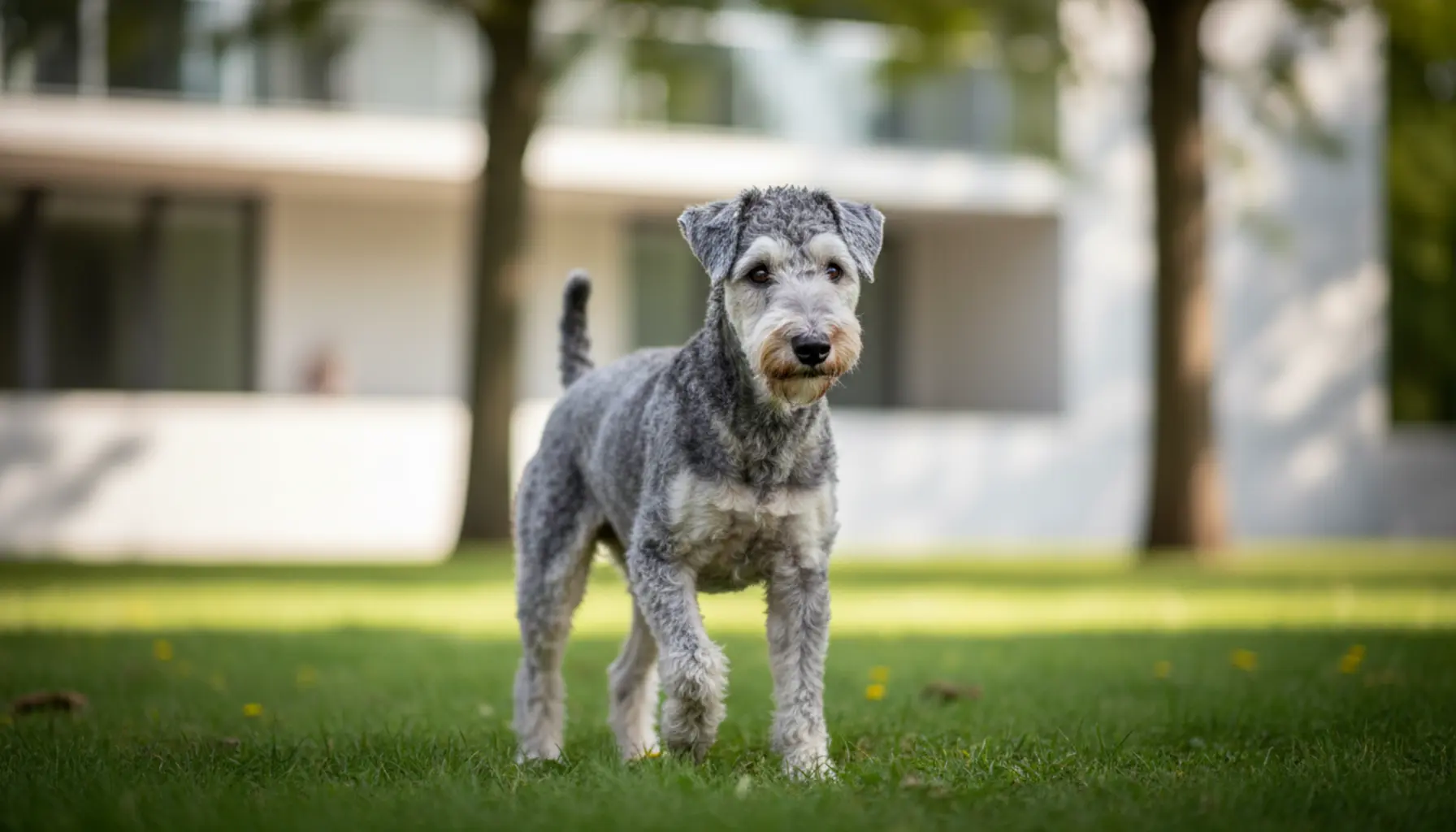
The Bedlington Terrier is one of the world’s most recognizable breeds precisely thanks to its sheep-like silhouette, but beneath this soft, plush image lies a harmoniously built, athletic dog. The first thing that stands out is the characteristic arch of the topline—slightly raised at the loin, giving the figure an elegant, almost galloping profile even when still. The chest is deep but not very broad, emphasizing the breed’s slimness, and its well-muscled yet dainty limbs betray the breed’s racing potential and speed in the field. Body proportions are balanced—the Bedlington appears light but not fragile; this is a lean but strong-built dog meant for prolonged exertion in demanding terrain. Height at the withers generally ranges around 38–44 cm, with a weight of approximately 8–10 kg, placing the breed in the medium terrier category, though the dog appears taller due to its long legs and high-set neck. The head is one of the most distinctive features—narrow, with a pear- or wedge-like shape, with no pronounced stop and a smoothly rounded skull flowing into the muzzle. This makes for an exceptionally elegant profile, further accentuated by the thick, curly coat forming a “topknot” or fringe on the head, lighter than the rest of the body hair. The ears are medium-sized, thin, set low, close to the cheeks, and finished with a small silky tassel—these softly dropped ears give the dog its familiar gentle, somewhat dreamy look. The Bedlington’s eyes are triangular, proportionally small, and slightly slanted, adding intelligence and sharpness to the gaze; their color depends on the coat—ranging from dark brown to amber. The tail is medium-length, thick at the base, tapering to a point, carried in a distinct gentle curve—never high over the topline, which reinforces the measured, ‘sheepish’ movement profile.
The Bedlington’s coat deserves special attention, as its combination with body shape is responsible for the breed’s striking sheep-like resemblance. The coat is mixed—not fully silky or wiry, but rather springy, dense, and slightly curly, with a distinct tendency to form soft curls, especially on the head and legs. Unlike many other terriers, a Bedlington’s hair continually grows and requires regular clipping, and a well-maintained coat hardly sheds, making the breed appealing to those sensitive to hair at home. The breed standard allows for several coat colors: blue, liver, and sandy, each of which may appear with or without tan. A characteristic feature is lightening of the coat with age—adult dogs often appear more silvery, with the head becoming lighter in contrast to a darker body. The coat is styled in a specific way—professional grooming highlights the arched back, lengthens the neck, and slims the legs while maintaining a natural, “cloud-like” outline. A good groomer shapes the muzzle into a narrow, tubular form, clearly separates the fringe from the face, and subtly shades the cheeks, giving the Bedlington its typical aristocratic look. Beneath the fluffy coat lies a strong, flexible body with well-developed thigh and shoulder muscles, responsible for a springy, elongated trot and lightning-fast sprint—a Bedlington is often compared to small sighthounds in motion. Combined with the long, swan-like neck, deep chest, and slim loin, the breed appears stately yet always ready for sudden acceleration. This contrast—between the plush, sheep-like image and the muscular, functional physique—is one of the Bedlington Terrier’s greatest quirks and explains why it often surprises those seeing it running, jumping, or making agile moves for the first time.
Breed Character and Temperament
The Bedlington Terrier is full of contrasts—gentle in looks, yet lively and terrier-like in character. At home, it is typically calm, affectionate, and very attached to its family, often choosing one “favorite” person to shadow around the house. It enjoys physical contact, happily jumping onto the couch or laps, but keeps some independence and is not a typical “lapdog.” It is gentle and generally patient with household members, fairly tolerant of children as long as they are taught to respect animals. Thanks to intelligence and high emotional sensitivity, the Bedlington quickly senses its owners’ moods, can calm down when the home is quiet, and perk up when it’s time to play. This emotional radar has a flip side—dogs of this breed poorly tolerate yelling, a chaotic environment, or harsh correction; this can easily breed distrust or fearfulness. By nature, the Bedlington is vigilant, sharp, and quick to react. Despite its plush appearance, it is not naïve—it grasps situations well and can respond decisively if it perceives a threat to itself or its family. It is not generally a barker, but tends to give a warning bark when someone approaches the house or stairwell; this can be shaped through training so warnings are brief and controlled. At home, the Bedlington is called a “couch athlete”—it can nap for hours in its favorite bed, but at the prospect of a walk or playtime, it instantly transforms into an energetic, agile athlete. This flexibility in temperament means it does well in both active families and quieter homes, provided it gets enough movement and mental stimulation. Unlike many more “wired” terriers, the Bedlington can calm down better after activity, which is a big advantage in city life. A key trait is courage—their original purpose for hunting and mining left them with above-average boldness. The Bedlington is not easily intimidated; when provoked, it can act surprisingly tough despite its fluffy looks. This is why it requires wise leadership from puppyhood, consistent rules, and regular socialization with people, dogs, and various environments so its bravery goes hand-in-hand with composure and confidence, and not impulsiveness.
In interactions with other dogs, the Bedlington Terrier often displays the classic terrier temperament—can be dominant, self-assured, and reluctant to submit to strangers of the same sex, especially without proper socialization and guidance. While it doesn’t seek out fights, it dislikes being provoked or ignored in conflicts; it can stand its ground if necessary. That’s why calm, consistent work on communication with the dog is essential: recall training, recall, walking
on a loose leash and calmly passing other dogs. Surprisingly often, the Bedlington gets along well with dogs it has lived with since puppyhood, forming strong bonds, but it may be more distant with strangers. Its hunting instinct remains strong—it has a fast takeoff, excellent vision and reflexes, and a suddenly fleeing cat, hare, or bird can spark a powerful chase drive. Therefore, not all Bedlingtons can safely run off-leash in unenclosed spaces, especially near busy roads or areas with wildlife. In homes with smaller animals (rodents, rabbits, birds), very thoughtful management and clear rules are necessary—while some Bedlingtons tolerate such company, this is not the norm. At the same time, this chasing passion and natural energy make the Bedlington excellent in dog sports: agility, canicross, coursing, and nosework. Scent work and problem-solving tasks help it release tension, while reward-based training strengthens the bond with its owner and builds confidence in a controlled way. Training-wise, the Bedlington is intelligent and perceptive yet quite independent—it does not blindly follow commands like some working breeds but rather calculates whether a task is worthwhile. The best results come from positive reinforcement, short, varied training sessions, and clear, consistent rules at home. Prolonged boredom, lack of challenge, or repetitive walks on the same route may foster problem behaviors: excessive vigilance, barking, destruction in the home, or chasing shadows and moving objects. This is a sensitive dog, needing a balance of exercise, mental training, and time to relax close to people. Properly guided, the Bedlington Terrier grows into a loyal, well-balanced family companion—still brave and full of character, but able to match the household rhythm and function safely in the modern, often crowded, world.
Health and Lifespan
The Bedlington Terrier is a breed with a relatively good lifespan—averaging 13–15 years, and with proper preventive care and good diet, it is not uncommon for dogs to live even longer. This breed’s athletic build and balanced energy help keep it fit for many years, but there are characteristic health issues prospective owners should know. The most well-known Bedlington disease is hereditary copper-associated liver disease (Copper Toxicosis). This results from a genetic mutation disturbing copper metabolism, leading to its gradual buildup and liver cell damage. If untreated and undiagnosed, this can cause cirrhosis, jaundice, blood clotting disorders, or even sudden death. This makes it extremely important for puppies to come from breeders who DNA-test for the copper toxicosis gene, and for adult dogs to have regular liver function checks (ALT, AST, ALP, bile acids). Proper prevention and early detection allow many dogs to live long, comfortable lives—often with a copper-reduced diet and, if needed, medication. Eye diseases are another issue—hereditary conditions like cataracts, retinal dystrophy, and lens problems can occur. Breeding dogs should have up-to-date ophthalmological exams (e.g., ECVO certificate), and in daily life, owners should watch for lens clouding, excessive tearing, squinting, or reluctance to move in the dark. Despite its elegant and seemingly delicate structure, the breed has strong bones, but due to activity and jumping, owners should watch the joints—especially in young, growing dogs, avoiding excessive strain (long runs on hard surfaces, stairs jumping) to minimize the risk of overload and early degeneration. In old age, as in most breeds, spinal or joint problems may occur, so it is recommended to keep a correct body weight and use supplements supporting cartilage after veterinary consultation.
General health and lifespan are greatly influenced by proper nutrition, exercise, and hygiene. This breed is prone to mild overweight, especially if its lifestyle is too sedentary, so the diet should be well-balanced, adapted to age and activity, and free of excessive treats and table scraps. For dogs with sensitive livers, avoid foods and treats rich in offal, especially liver, which is naturally high in copper. Hydration is important—there should always be fresh water available and salty snacks avoided. The breed doesn’t have a marked tendency for food allergies, but its specific mixed (hair-wooly) coat requires care that also affects skin health. Regular clipping, thorough drying after baths or walks in the rain, and skin checks under the thick coat prevent inflammation, hot spots, and bacterial or fungal infections. Due to the curly coat, Bedlingtons rarely shed heavily, but if ignored, the coat can mat, increasing irritation risk. Oral hygiene is also essential—small and medium breeds, including Bedlingtons, tend to develop tartar, which leads to gum inflammation, bad breath, and even organ problems. It’s worth getting puppies used to tooth brushing and, if needed, having tartar removed by a vet. Regular vaccinations, deworming, and tick/flea protection are essential, as tick-borne diseases (e.g., babesiosis, Lyme disease) can be severe. Preventive blood and urine tests and heart checks every 1–2 years (more often for seniors) catch abnormalities early, before visible symptoms. With its moderate temperament and high adaptability, the Bedlington Terrier fits both city and rural life, provided it gets regular exercise—ideally several long walks daily, with access to fenced running and mentally engaging activities. The right mix of vet care, responsible breeding, daily attention to physical and mental health, and grooming means the Bedlington Terrier has great potential to enjoy good health for many years.
Bedlington Grooming Requirements
The Bedlington Terrier is considered sheep-like partly because its hair keeps growing, more like human hair than typical dog fur. This makes grooming a key part of life with this breed and cannot be neglected. Regular clipping is essential—at home usually every 6–8 weeks, while show dogs require far more precise and frequent grooming. The famous “lamb trim” aims to balance the silhouette, highlighting the gently arched back, slim neck, and pear-shaped head; the head fur visually blends with the long neck hair, and only soft “pompoms” are left on the ear tips. Non-show dogs can be trimmed more practically, but it’s still important the hair is not too long or heavy as it can mat, trap moisture and dirt against the skin, and trigger irritations. Between grooming visits, systematic brushing is necessary—ideally 2–3 times a week with a metal comb and slicker brush, focusing on groins, belly, behind the ears, and under the collar, where mats tend to form. It’s best to accustom puppies to tools early: short, positive, treat-rewarded sessions ensure future grooming is not stressful. Bedlington hair—a mix of soft, slightly woolly, and rough types—mats from “the skin up,” so real brushing, not just surface sweeping, is needed. After bathing—usually done every 4–8 weeks depending on lifestyle—the coat must be thoroughly dried and brushed before styling. For washing, use mild shampoos for coated breeds and detangling conditioners; never use human products, which can upset canine pH. Daily care also requires skin checks—Bedlingtons, while usually healthy-coated, can react to a poor diet or inappropriate products with itching, redness, or dandruff. Product selection is best discussed with a breed-experienced groomer or vet, especially if sensitivity or allergy symptoms appear. The fur around the anus, paws, and between toes should be clean and kept short for hygiene and to prevent tracking in mud, sand, or droppings.
Bedlington grooming doesn’t stop at the haircut: ear, eye, dental, and nail care are equally vital. This breed’s ears are thin, densely furred, and their specific shape limits air circulation in the ear canal, increasing infection risk if not kept clean. Weekly checks are needed—smell, inspect color, and any discharge. Use only dog ear cleaners—never cotton buds that can push dirt deeper. Some groomers suggest plucking excess ear hair for ventilation, but some dogs dislike this, so consult your vet and develop an individual care plan. Eyes should be wiped daily with a damp cotton pad or special dog eye wipes, especially if tearing or dried discharge is present. Fur around the eyes should be short and shaped to avoid ingrowing and cornea irritation. Oral hygiene is another key element—as with many small and medium breeds, Bedlingtons tend to collect tartar; neglected mouths lead to periodontal disease, bad breath, and even systemic issues. Regular tooth brushing (ideally daily, at least several times a week), dental chews, and dental check-ups with the vet greatly reduce risks. Nails can be problematic—if not naturally worn down, they can overgrow and alter paw stance, stressing the joints and causing pain. Check every 3–4 weeks and trim if needed—a habit best started in puppyhood. All care routines should be calm, predictable experiences: best done in a quiet setting, in short sessions ending with a reward. Regularity and gentle handling mean even such a grooming-heavy breed as the Bedlington Terrier fits comfortably into daily life, and good grooming and hygiene mean not just style but improved comfort and health for the dog.
Bedlington Terrier as a Family Dog
Despite its racing roots and strong hunting instincts, the Bedlington Terrier can be an excellent family dog if its psychological and physical needs are properly met. At home, it is usually calm, quiet, and very attached to its people, often choosing one “special” person but equally capable of bonding deeply with the whole family. This is a dog that likes to be close to humans—happily joining everyday activities, lounging on the sofa, watching household members, and subtly seeking attention, but rarely being pushy. Its sensitivity makes it ideal for homes with a calm and predictable routine, where communication is based on consistency and routine rather than shouting. It does not handle noisy, chaotic behavior well, so in families with very young children, careful introductions and teaching kids how to handle a dog gently are necessary. Properly socialized, the Bedlington can be a loving companion to older children—joining in play, accompanying on walks, and serving as a “silent friend” to cuddle after a hard day at school. Adults should control play intensity, as excess stimulation can trigger the terrier temperament, which in overly excited situations may result in chasing or nipping. With other household animals, the Bedlington can be loyal, but its strong chase drive means cats, rabbits, or guinea pigs must be introduced very carefully, ideally during puppyhood. With other home dogs, strong bonds and playful chases are common, whereas with unfamiliar males, it may show dominance tendencies—hence, conscious socialization, supervised walks, and calm encounters on leash are vital. Despite the plush look, this is not a typical lapdog devoid of instinct—on walks, it may want to chase a pigeon, squirrel, or cat, so developing a solid recall, using fenced runs or long training lines, and providing safe energy outlets such as fetch, obedience training, or canine sports are important.
In daily family life, the Bedlington Terrier does well both in a city apartment and a house with a garden, as long as it gets sufficient exercise and mental stimulation. It is not a “yard dog”: it dislikes being isolated from the family and left outside without human contact, which—in such an intelligent, sensitive breed—can cause behavioral issues like excessive barking, destructive behavior, or separation anxiety. Owners should be ready for daily, varied walks blending slow sniffing, some energetic running, and short training sessions—the Bedlington learns commands and tricks well with positive reinforcement and short, diverse sessions. At home, provide a snuffle mat, interactive toys, and a permanent rest area in a quiet corner where children have limited access, so the dog can calm down. Due to its minimal shedding and unique coat, the Bedlington is often chosen by allergy-prone families—which can be beneficial, but no breed is truly hypoallergenic, and regular grooming and cleanliness are still required. As a vigilant, but usually not unnecessarily noisy dog, it fits well into apartment life as long as the neighbors are not extremely sensitive to occasional barks. With guests, it can be polite but initially reserved, taking a moment to accept new people—good upbringing, rewarding calm behaviors, and early habituation to various people help shape a stable, confident family dog. The Bedlington is not a breed that can be “put aside”: it needs commitment, time for relationship-building, consistent home rules, and patience in training, but in return, it offers loyal devotion, a subtle, graceful character, and a unique charm that makes it an integral, valued family member—not just a decorative dog with a sheep-like look.
Summary
The Bedlington Terrier is a fascinating breed, combining a lamb-like appearance with the heart of a lion. It is known for its friendly character, intelligence, and energy, which make it an excellent companion for families. Despite its curly, dense coat, Bedlingtons are relatively easy to care for. They are healthy dogs that can live up to 14 years, and their liveliness and playfulness make them ideal partners for active owners. All of this makes the Bedlington Terrier a breed worth considering as an addition to the family.

