

Table of Contents
- What are calming signals in dogs?
- Most common calming signals in dogs
- How do dogs ask for calm?
- Why do dogs use calming signals?
- How to read and respond to calming signals?
- Why understanding calming signals matters for your bond
What are calming signals in dogs?
Calming signals are subtle and gentle body language cues that dogs use to lower tension for themselves and others during interactions. They form a natural part of canine body language, mainly intended to prevent conflict, avert aggression, and ease stress. From a dog’s perspective, these signals act as polite requests: “I’m nervous,” “please slow down,” or “I need space.” For owners, recognizing them is essential for a mutually respectful relationship, letting you notice early signs of discomfort, overstimulation, or when your dog simply needs a break. These cues usually appear long before your dog growls, barks, or shows outright aggression—they’re the first, often-missed stage of discomfort that many humans mistake for disobedience or odd quirks. Norwegian trainer Turid Rugaas popularized the concept, pointing out that dogs worldwide share a universal set of calming gestures, postures, and facial expressions to defuse social tension and keep the peace—an evolutionary survival strategy.
Unlike verbal commands or tricks, calming signals are instinctive, automatic reactions to stress, pressure, close contact, insistent petting, fast movement, loud voices, noise, or sudden changes. They appear in dog–dog and dog–human interactions, or even when a dog is alone and trying to self-soothe. Some signals are barely perceptible—a tiny lick of the nose, a brief blink, looking away—while others are clear, like yawning, turning away, sidestepping, or lying down sideways. For those unfamiliar with canine body language, it can seem mysterious; in reality, dogs “turn up the volume” on their signals, moving from subtle hints to more obvious warnings, and, if ignored, finally to defensive or aggressive behavior.
Context is crucial: the same gesture can mean different things depending on the situation and your dog’s mood. For instance, yawning isn’t always tiredness—if your dog yawns when hugged by a child, at the vet, or when someone looms over them, it’s a clear calming signal, saying, “This is too much, I’m stressed.” Likewise, licking the nose may mean “please give me space” if it happens outside of eating. You can’t interpret these in isolation—look at ears, tail, tension, direction of gaze, movement pace, and the environment. Calming signals also have a social function: your dog may yawn, turn their head, or act as if they’re sniffing the ground to tell you, “I’d prefer a gentler approach.” If these early requests are consistently ignored, dogs often skip directly to growling or jumping away next time. Recognizing and respecting these cues isn’t “training out” the behavior—it’s about reducing tension in a way that makes your dog feel heard and safe.
To truly understand calming signals, think context: the same gesture has different meanings depending on what’s happening and who else is present. For example, licking the nose with a stiff body might mean “I’m uncomfortable,” but that same lick during training could show concentration. Watch your whole dog and the scene: ear, tail, facial tension, speed of movement, and surrounding triggers. Socially, calming signals are directed both inward and outward. Your dog may use them to calm themselves—and to signal to you or other dogs, “I want things to be easier.” If you answer these requests—by giving space, lowering your voice, lightening up—you’ll strengthen a bond of trust and make your dog less likely to feel they have to shout to be understood.
Most common calming signals in dogs
Calming signals are subtle at first, but once you learn them, you’ll spot them everywhere your dog interacts. The most famous and frequent is turning the head or body away—if your dog feels pressured (by a person hovering, or a pushy dog), they may gently look off to the side or face away, a clear, “Please slow down, give me some space.” Avoiding eye contact is similar: your dog may look away, blink, or just flick a glance at you. Another classic is nose licking—often a quick, barely visible movement—commonly mistaken for hunger, but often an attempt to relieve tension. You’ll spot it during vet visits, when you raise your voice, or ask your pup to pose for a photo. Yawning when not actually sleepy is also common, especially during stress (e.g., public transit, waiting rooms, elevators) and acts as self-regulation, letting your dog signal, “It’s getting overwhelming—can we ease up?”
Other signs include slow, soft blinking, relaxed facial muscles and ears held backwards or softly to the side—unlike wide, tense “whale eyes” that signal anxiety or fear. Slow movement, intentionally curving their path instead of approaching directly, “sniffing for no reason,” and “shaking off” like after a bath (when not wet) are all ways your dog calms themselves and others. Even the tail can mislead: not all wagging is happy. A gentle side-to-side wag at mid-height may be friendly, but slow, low, uncertain wagging alongside other calming signals is a call for peace. Some dogs will “freeze” in place, pausing all movement or stiffening momentarily—this can be the very last subtle warning before a more obvious protest develops if ignored.
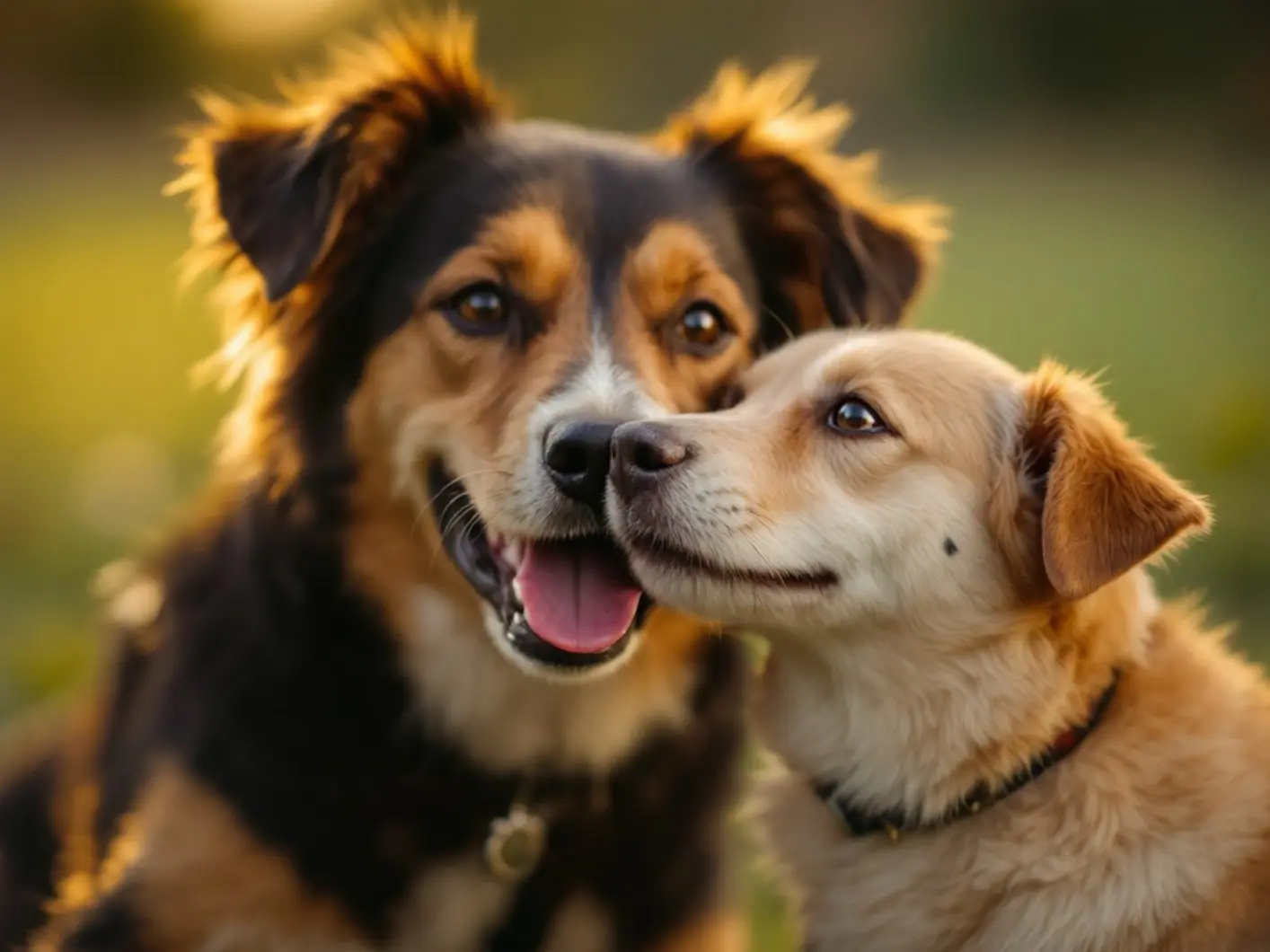
Some signals, like running in a loop (“zoomies”), sudden scratches, or dramatic bows, can look like “disobedience” or “goofiness” but are often peace offerings. For example, if your dog bows before a stiff, nervous dog, then curves around, it’s likely a request to diffuse tension rather than an invitation to play. Sitting or lying with their back/side to a stress source, hiding behind or leaning gently against you, or slipping between you and a potential threat can all be calming signals. Dogs rarely show just one signal; they create sequences—turning away, nose licking, slow movement, sniffing, and shaking off. Their “signature” depends on temperament, experience, and past responses from their environment. It’s vital to differentiate these calming cues from signs of extreme fear (ears back, tail tucked, tense trembling) or readiness for conflict (stiff posture, tail high, hard stare). Reading these subtleties lets you offer support—shortening stressful encounters, speaking calmly, or giving your dog space—and empowers your pup to use peaceful communication instead of escalating to “shouting” behaviors like growling or snapping.
How do dogs ask for calm?
Dogs communicate constantly, and calming signals are a core part of their “conversation.” When your dog needs peace, they’ll start with barely-perceptible signals: a subtle head turn, averted gaze, nose lick, out-of-place yawn, or sudden “interest” in a spot on the ground. These appear exactly when things get too intense, fast, or close—say, if someone leans over, reaches for your dog’s head, or approaches quickly. In those instances, your dog might look away, lick their nose, and narrow their eyes. To a human, it seems like “nothing”—for the dog, it’s a polite “this is too much.” The same goes for dog-dog interactions: an overwhelmed dog slows, curves their path, lowers their head, or presents their side to avoid confrontation. Yawning, especially in new, loud, or stressful places, is an obvious sign of tension. Many dogs move slowly, stick close to trusted people, or “freeze” as a request for a pause. When tension rises, self-soothing behaviors—like shaking off, licking paws, or scratching—signal, “please give me a moment.”
The dog’s whole body and expression are key: a dog wishing to de-escalate rarely stands rigidly facing the stressor. More often, you’ll see soft posture, bent legs, a relaxed or slightly tucked tail, a loose mouth, and ears angled back. Looking “past” rather than at people or dogs, or even bowing (with body language less about play and more about breaking tension), can be requests for a gentler situation. Always consider the context: the same behavior, like a play bow, communicates differently depending on your dog’s facial tension and tail. Dogs limit physical contact when needing peace—they slip away from overbearing attention, children, or guests; hide behind you or under a table, or move to another room. The more you respect these signals—by letting your dog move away, decreasing pressure, or altering routes—the more confident they become in using “quiet words” rather than being forced to “shout” their needs with barking, growling, or snapping. Knowing that a nose lick, turning away, stepping aside, or sniffing are not “weird habits” but conscious communication can help you respond in ways that quickly reduce your dog’s stress.
Why do dogs use calming signals?
Calming signals are an evolutionary product of dogs growing up in complex social groups. In the wild, open conflict is risky—injuries can mean less ability to hunt or avoid danger, so dogs evolved subtle signals as “safety switches.” Each signal, from turning away to yawning or licking, helps relieve tension and ensures group harmony, whether in a canine pack or mixed human-animal household. These are automatic responses to overwhelming situations: sudden approaches, loud callers, intrusive petting, or new objects. Their main function is to prevent conflict, regulate emotions, and support social well-being, allowing dogs to navigate a world that can be far more intense than humans realize.
Calming signals play intertwined roles: communicative (expressing intentions to other dogs or tuned-in humans), self-regulatory (helping lower their own arousal and stress), and social-educational (setting gentle boundaries, especially with puppies, and negotiating daily social encounters). When you acknowledge and respond—by giving space, softening your voice, or easing up on play—you boost your dog’s sense of security and build mutual trust. In contrast, if such signals are ignored, your dog may abandon subtlety in favor of “louder” forms like growling, snapping, or biting to protect their comfort. Dogs rely on calming signals because they’re a built-in language of negotiation, letting them adapt daily to changing social dynamics and maintain emotional balance in a sometimes-overwhelming world.
How to read and respond to calming signals?
Reading your dog’s calming signals starts with attentive observation, not just of individual gestures but of the whole body in context. The same behavior—like licking the nose—might follow a meal (no stress), but also appear during tense moments (high stress), so consider location, the distance from triggers, situational dynamics, your dog’s history, and what happened before and after the signal. Look for patterns: is your dog tense or loose, tail high or gently wagging at midpoint, mouth tight or relaxed, eyes soft or wide? The more gentle, circular movements you see, the more your dog is trying to “turn down” the situation. For instance, if your dog looks away and licks their nose while being petted, yawns, or leans away, these aren’t relaxed stretches but requests for things to ease up. Many owners mistake these cues for indifference or relaxation when they’re your dog’s nonverbal way of avoiding escalation. Filming everyday interactions (greetings, play, walks, feeding) and reviewing in slow motion can help you see those split-second signs, making you a more fluent “translator” of your dog’s needs.
Responding well means honoring requests for more distance, less intensity, or a change in activity. If your dog turns their head, looks away, licks their nose, yawns, or presents their side when meeting someone new, pause—don’t move forward or loom over the dog; stand sideways, soften your voice, and let your dog choose whether to approach. On walks, if your dog slows, sniffs intensely, freezes, or tries to circle another dog, allow them that space—loosen the leash and let them arc around rather than forcing a head-on meeting. When these signals appear during play, it’s time to ease things down—stop rough play, take a break, or offer something soothing to chew or sniff. Responding builds trust and reduces the chance your dog will need harsher communication (growling, snapping) next time. If you’re unsure whether your dog wants a break, give it anyway—if they relax, you’ve done right. Make sure everyone in the household is consistent about respecting calming signals, as ignoring these cues by some people creates stress and confusion for your dog. For sensitive or reactive dogs, build a habit: at the first calming signal, increase distance from the trigger; if signals ease, maintain the distance; if they increase, move farther or switch environments. This predictability convinces your dog you’re “on their team”—so they needn’t handle the stress alone or escalate behaviors to be heard.
Why understanding calming signals matters for your bond
Knowing how to recognize calming signals profoundly shapes the quality of your relationship with your dog. It’s the key to true interspecies understanding, letting you “hear” your dog’s requests in real time. Once you recognize stress yawns, head turns, nose licks, brief pauses, or subtle shifts in body language, you’ll see that your dog is telling you: “I need a breather,” “I’m overwhelmed,” or “Please give me space.” This shift transforms daily life—you’ll stop expecting endless compliance, and instead regulate stimulation levels to match your dog’s emotional needs. This leads to fewer conflicts, less “disobedience” caused by overload, and a dog that’s more willing to cooperate because their communication is respected. For your dog, feeling “heard” builds fundamental trust. When a simple yawn or turning away is enough for you to back off, calm down play, or pause an interaction, your dog never needs to escalate to intense behaviors like growling, barking, or snapping. Calming signals are your “early warning system”—catch them and respond before stress boils over, and your dog will relax and trust you more and more.
Understanding these signals also makes you a more empathetic partner; you’ll train smarter, ending sessions at the first signs of mental fatigue, and choose activities that suit your dog’s mood. You’ll spot when your dog is overloaded on walks, and learn which social interactions are uplifting and which are too much—adjusting distance, session length, or avoiding certain scenarios when needed. Trust grows, your dog feels safer, and everyday life becomes smoother.
Respecting calming signals is not just a bonus skill—it’s the foundation for preventing behavioral problems that stem from chronic misunderstanding. Dogs forced to “shout”—because their subtle cues go unanswered—eventually escalate to growling, snapping, or biting, and humans are then shocked, saying “he bit without warning,” when in fact all the warnings had been missed. Instead, if you notice nose licking, yawns, or a dog turning away, you can avoid conflict or stress before it snowballs. This approach redefines your dog from “stubborn” or “dominant” to “overloaded,” “anxious,” or “tired,” inspiring more compassion and realistic expectations. Respect builds a partnership: your dog is no longer just a subordinate expected to obey, but a friend whose needs are recognized and negotiated. This makes it easier to tackle other training and life challenges, such as loose leash walking or coping with new environments. In short, understanding calming signals becomes more than just an observation skill—it’s the core of a relationship based on dialogue, attention, and mutual respect, letting your dog feel safe to communicate without ever needing to choose between loyalty and comfort.
Summary
Calming signals are essential in canine communication, conveying emotional needs and helping prevent conflict. Spotting subtle gestures—like yawning, head turning, or rapid blinking—helps owners understand and adapt to their dogs’ needs. Reading and responding to calming signals builds a strong, trusting relationship and a safer, more confident dog. Understanding these cues not only enriches daily interaction, but can also help avoid potential behavioral issues down the road.

