
Table of Contents
- Irish Setter – Origin and Breed History
- Appearance and Distinctive Features of the Irish Setter
- Character and Temperament of the Irish Setter
- Needs, Activity, and Who is the Irish Setter For?
- Grooming and Health of the Irish Setter
- Price, Breeding, and Interesting Facts about the Irish Setter
Irish Setter – Origin and Breed History
The Irish Setter is one of the most recognizable and esteemed hunting breeds, with a history that dates back centuries on the picturesque lands of Ireland. The origins of this breed are shrouded in a touch of mystery, though the earliest records indicate the Irish Setter’s ancestors appeared as early as the 17th century, when Irish hunters and landowners were searching for the perfect dog for bird hunting. For generations, local breeders experimented with crossing retrieving dogs, pointers, and spaniels to create a dog with remarkable hunting passion, endurance, and elegance. The result of these efforts was the Irish Setter – a breed that not only excelled in the challenging conditions of hunting across Irish moorlands, but also gained acclaim for its beauty and unique temperament. The oldest descriptions of the so-called “Red Setters” come from numerous 18th-century hunting reports, which noted their excellent sense of smell, speed, and their distinct red coat that set them apart from other hunting dogs. During this period, the Irish Setter primarily functioned as a pointing dog, specializing in finding small game hidden in dense grasses and heather, tasks that demanded great patience, cunning, and cooperation with humans.
A key moment in the breed’s history was the 19th century, when organized breeding and selection of Irish Setters began, aiming to standardize their working and aesthetic traits. At this time, their popularity rose sharply not only in the UK and Ireland, but also in other European countries and North America. Breeders placed particular emphasis on the intense mahogany coat, noble silhouette, balanced proportions, and lively temperament – traits that we now associate with the breed. Initially, there were several varieties of Irish Setter, also with white and red markings, but over time the solid, intensely red coat became the breed’s hallmark. The official Irish Setter standard was approved in the second half of the 19th century by Irish and British kennel clubs, and the first pedigree dog shows and field trials helped establish both its working skills and external appearance. The Irish Setter then became appreciated not only as a hunting dog but also as an elegant family companion, a symbol of social status and good taste. Its popularity exploded during the first modern dog shows, attracting the attention of aristocrats, artists, and dog lovers worldwide. Especially in the United States, Irish Setters gained a reputation not only as excellent working dogs but also as show and family pets. The modern Irish Setter descends both from working and show lines, which has contributed to some diversity in character and appearance within the breed. Despite changing use – from hunting to life in urban homes – the breed continues to retain its original hunting passion, energy, and friendliness, making it immensely popular all over the world for decades. Today, the Irish Setter is considered one of the oldest and most distinctive pointing breeds; its history is inextricably linked to the culture and traditions of Ireland, which over centuries shaped its unique character, unparalleled appearance, and unwavering companionship toward humans.
Appearance and Distinctive Features of the Irish Setter
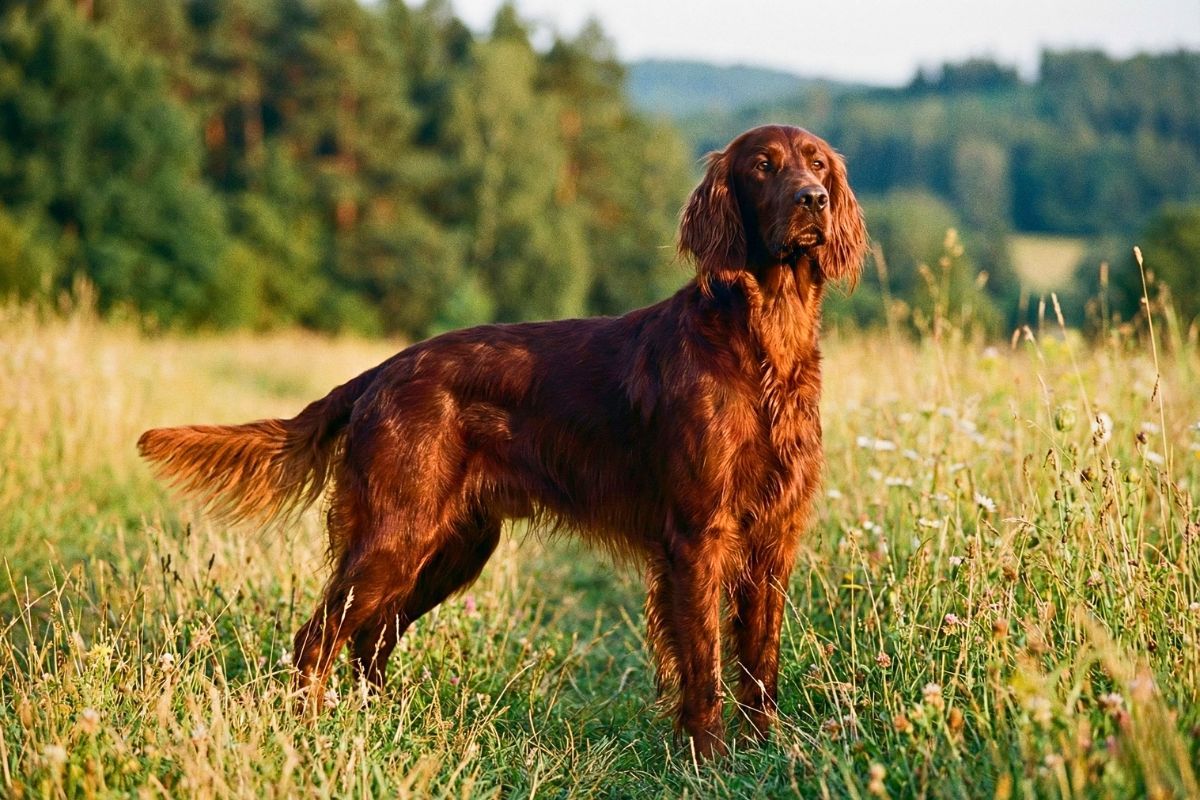
The Irish Setter is a dog impossible to confuse with any other breed thanks to its unique, graceful looks and its characteristic shiny coat in a rich chestnut-red hue. The coat is one of the breed’s most recognizable features and is considered medium-length – it is soft, silky, and lies close to the body, with longer “feathers” visible on the ears, chest, belly, the back of the legs, and the tail. The harmonious, proportionate silhouette of the Irish Setter is marked by an elegant topline, moderately deep chest, and a slightly tucked-up abdomen. Its long, dry head with a distinct stop, black or dark brown nose, and large, expressive dark brown eyes give the dog an open, friendly expression. The ears are set low, narrow, lie close to the head, and are covered in wavy hair, underscoring the breed’s noble appearance. The limbs are long and strong – hindquarters slightly bent, enabling a long, springy stride that’s characteristic of the breed’s movement when running. According to the FCI standard, an adult male stands between 58 and 67 cm at the withers, and a female between 55 and 62 cm, with weights of 29–34 kg (males) and 25–29 kg (females), respectively.
Beyond their unique appearance, Irish Setters have grown popular for their characteristic personality traits, which make them especially loyal to family and friendly toward people. They are very energetic, cheerful, and full of life and passion – always ready to play and move, either outdoors or indoors. Marked by high intelligence and alertness, they eagerly take on new challenges and pick up commands quickly, though they require consistent leadership and positive motivation. Irish Setters are extremely sociable – they form strong bonds with their owner, love human contact, and often show a special fondness for children, being patient and gentle companions. They are not prone to aggression, but thanks to their vigilance and courage, make excellent watchdogs – their barking and behavior can alert against strangers. A breed characteristic is also their independent nature and initiative, especially evident during open-land walks, when their hunting instinct comes out and the dog joyfully explores the environment. Irish Setters require close contact with people and enough daily exercise to avoid boredom and unwanted behaviors. Besides their innate gentleness, their temperament means they dislike loneliness and long periods of inactivity – they thrive in homes with gardens or with active families who dedicate plenty of time to them. This breed delights with its elegance, strength, energy, and friendly temperament, making the Irish Setter not only a beautiful but also passionate and loyal dog.
Character and Temperament of the Irish Setter
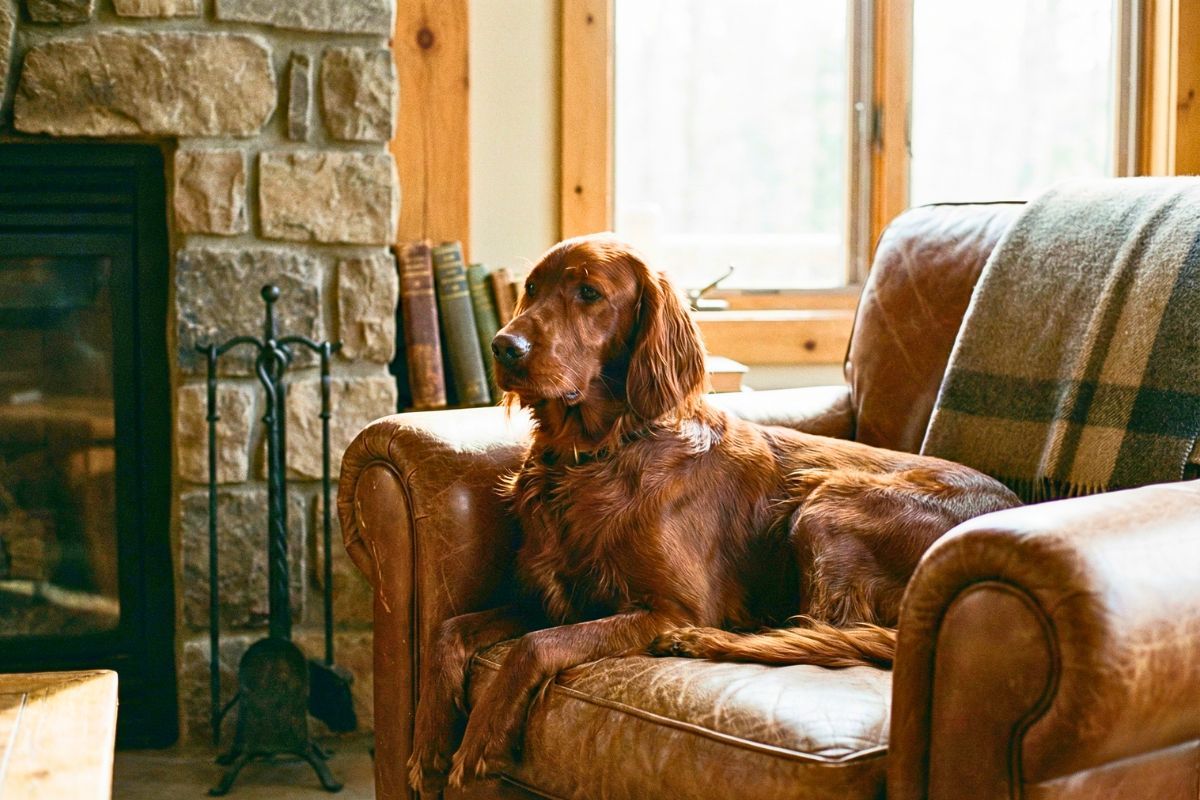
The Irish Setter is a breed appreciated not just for its beautiful chestnut coat, but also for its unique temperament. Experts often highlight their energetic disposition and innate zest for life. On a daily basis, they show their deep optimism and need for active participation in family life. From puppyhood, the Irish Setter displays great needs for exercise and mental stimulation – when bored, it may become mischievous or overly excited, especially if not provided with proper stimulation. Its intelligence makes it quick to learn new commands, but it can also be stubborn at times, so consistent training is key. The Irish Setter has a reputation as an extremely loyal and devoted dog – very attached to its family, and separation from its owner can lead to anxiety or melancholy. It is extremely sociable, craving close human contact and thriving in a family environment, which makes it a perfect dog for those wanting a partner for daily activities. Being left alone for many hours is difficult for an Irish Setter, so it does best where there’s always attention and a household full of activity and play.
Amongst the Irish Setter’s traits, their friendliness and attitude toward children are especially valued – they are patient, gentle, and enthusiastic, forming strong bonds with younger family members. Thanks to their open nature, they usually get along well with other dogs and household pets, especially if accustomed to them early. They are not aggressive, though their territorial instinct and alertness may mean they warn owners of strangers – yet in daily life are not typical guard dogs and are more likely to greet visitors happily. Irish Setters have a strong hunting instinct rooted in their history as hunting dogs, so during walks and outdoor play they may be prone to chasing birds or other animals. This instinct, combined with their temperament and physical agility, means Irish Setters require regular, intensive walks and opportunities to run freely – they do well in canine sports, scent work, and dog trekking. Providing enough daily exercise and mental stimulation is crucial to avoid boredom and less desirable activities. Positive reinforcement and patience are key in raising Irish Setters – they respond best to gentle training, praise, and treats, while shouting or physical punishment can undermine their trust and mental well-being. A well-trained and socialized Irish Setter is an invaluable friend and companion for adventures, able to keep up on bicycle trips or joyfully relax beside its owner at home. Its happy nature, gentleness, and enthusiasm for life make it easy to love, bringing a unique atmosphere of energy, loyalty, and good humor into any home.
Needs, Activity, and Who is the Irish Setter For?
The Irish Setter is a breed with exceptionally high requirements both physically and mentally. Primarily, these dogs were selected for endurance, agility, and tenacity on the hunt over generations, so they need lots of exercise and daily mental stimulation. The Irish Setter does not belong to sofa dogs — a short, calm walk is anything but sufficient to satisfy its needs. Ideally, it should get at least two hours of intensive activity per day, spread among brisk walks, running freely in a safe environment, and different games requiring mental engagement, such as retrieving, scent work, or simple obedience and agility tasks. Irish Setters not only excel at long forest hikes or mountain trails, but also enjoy cycling, jogging, and even swimming, as water is particularly attractive for many in the breed. It is recommended that owners regularly introduce new forms of activity to avoid routine, which can lead to boredom and unwanted behaviors such as destruction or excessive vocalization.
Another important aspect of daily Irish Setter care is providing enough intellectual stimulation. Dogs of this breed are intelligent, very curious, and quick learners, but can also become bored without constant new challenges. Puzzle games, scent searches, learning new commands, and advanced interactive games stimulate both body and mind. Irish Setters require consistent but gentle work from an owner who builds trust through positive reinforcement. Lack of attention and insufficient human contact can lead to frustration, disobedience, and lower the dog’s well-being. For these reasons, the Irish Setter feels best in homes where it can count on regular company and does not spend many hours alone. It is not a dog for people who spend much of the day outside the home or want a quiet, low-energy companion — this breed needs engagement, time, and energy from its family. It is best suited to active homes with members who enjoy trips and sports, and are ready to include the dog in daily life. Irish Setters fit in both large families, where there is companionship and plenty of stimulation, and with singles or couples, provided they devote time and activity. They can live in homes with spacious gardens for free exploration and play or in apartments if the owner compensates for limited space with regular, intensive walks. It’s definitely not a breed recommended for seniors, people with low physical activity, or extremely busy families. Irish Setters appreciate the presence of children — provided there is proper mutual socialization — and other animals, especially if they have been exposed to them from puppyhood. It is essential to understand that the Irish Setter is a dog that requires contact, challenges, and broad engagement; only in such conditions will it thrive, becoming a faithful, happy, and loyal family member.
Grooming and Health of the Irish Setter
The Irish Setter is a breed with a spectacular appearance, but maintaining its beautiful, chestnut-red coat requires systematic and careful grooming. Its coat consists of soft, flat hair and characteristic, slightly longer fringes on the ears, tail, chest, and legs, which easily pick up dust, leaves, and seeds during walks. A key part of Irish Setter care is regular brushing, preferably at least three to four times a week, using a brush with soft pins or a comb with widely spaced teeth. This prevents mats and makes it easier to remove dead hair. During the shedding season, usually in spring and autumn, daily brushing may be necessary. Baths should be given as needed, typically every few months or when the dog is particularly dirty – always using shampoos formulated for long-haired dogs. It’s very important to trim the hair around feet and pads, where debris and moisture can accumulate, and to check and trim nails regularly. Special attention should be paid to the ears – they are quite long and hanging, making them prone to the buildup of wax, moisture, and plant debris. Weekly inspection and cleaning with veterinary products plus skin checks help make early detection of irritation or infection possible. Irish Setters also require regular dental care – brushing a few times a week and providing dental chews significantly reduces the risk of tartar and periodontal disease. While Setters are generally clean and often care for their own coat, neglecting basic grooming can lead to mats, skin infections, or hearing problems. Such comprehensive grooming benefits not only appearance and health but also strengthens the bond with the owner and helps in early detection of any issues.
Healthwise, the Irish Setter is generally a robust, long-lived breed – its average life expectancy is from 11 to 14 years, though some may live longer. Nevertheless, like any breed, it is susceptible to certain conditions that future and current owners should be aware of. One of the more common issues is a propensity for hip and elbow dysplasia, which can cause lameness and decreased mobility, especially in older dogs or those lacking sufficient exercise. It is important to choose puppies from reputable breeders who test parents for these conditions. Progressive retinal atrophy (PRA), leading to gradual loss of vision, and occasionally epilepsy, occur in Irish Setters. Be vigilant for bloat and gastric torsion, typical of large, active dogs – thus it is recommended to divide food into several smaller portions, ensure calm eating, and avoid intense exercise right after meals. Irish Setters can also be prone to food and skin allergies, manifesting as itching, redness, or irritation, which may require diet consultation and the use of hypoallergenic feeds and supplementation with essential fatty acids. Regular vet checks, complete vaccinations, deworming, and tick/flea prevention are essential, especially as Setters spend substantial time outdoors. A proper diet rich in protein, vitamins, and minerals adapted to the dog’s age, weight, and activity level supports its health, shiny coat, and immune system. Ensuring regular exercise is fundamental to both mental and physical health – an active lifestyle reduces the risk of obesity, heart disease, and joint problems. It’s also worth stimulating mental activity: scent work, obedience classes, and interactive games help prevent boredom and undesirable behaviors. Although generally healthy, understanding and meeting the Irish Setter’s grooming and health needs ensures a long, active, and beautiful life together.
Price, Breeding, and Interesting Facts about the Irish Setter
Purchasing an Irish Setter puppy comes with significant emotional and financial responsibility. The Irish Setter is a noble breed admired worldwide, so puppies from reputable, registered breeders typically cost from 4000 up to even 9000 złotys, depending on lineage, breeder prestige, parent achievements, and market trends. Puppies with documented ancestry, free of genetic defects, intended for companionship as well as for breeding or showing, are more expensive because advanced genetic tests, correct socialization, health prophylaxis, and initial vaccinations incur substantial costs. It is important to purchase from breeders registered with the Polish Kennel Club (ZKwP) for assurance of health, proper development conditions, and animal welfare. Buying outside official, registered breeding can result in health problems or other unpleasant surprises regarding origin or the dog’s emotional development. Additional monthly costs for an Irish Setter include high-quality food (for active breeds), grooming products, regular vet visits, grooming services for the longer coat, and accessories for activity and mental work – totaling 250 to even 500 zł per month depending on region, food standards, and dog health. Regular investment in preventive health checks is highly recommended, since early detection of typical breed conditions such as hip dysplasia, pancreatic inflammatory diseases, and eye issues (PRA) significantly impacts the dog’s comfort and lifespan.
Irish Setter breeding, which is both a passion and a huge responsibility, requires thorough knowledge of genetics, health, socialization, and breed standards. Experienced, ethical breeders ensure a proper breeding pair match to maintain both working character and typical appearance and stable temperament. It’s important to pay attention to the puppy’s pedigree, breeding conditions, and the degree of basic socialization the pups receive before leaving for new homes. Breeders affiliated with the Kennel Club conduct genetic tests on parents, record ancestor health and achievements, and provide proper nutrition and initial vaccinations. In professional Polish kennels, the dogs also undergo early obedience training and get used to household noises and environments, fundamental for future adaptation. When choosing a puppy, prospective owners should visit several breeders, talk with breeders, see the litter’s mother, and review documents confirming breed purity and health testing. Kennels geared toward shows and sports often select puppies for certain predispositions already a few weeks old to continue lines excelling in appearance and working abilities. There are dozens of active breeders in Poland, and the number of registered litters is increasing each year thanks to responsible buyers and growing awareness of the Irish Setter as an exceptional family companion. Interestingly, in Ireland the breed is sometimes called “Red Setter” and is one of the country’s dog symbols, even appearing on postage stamps and commemorative coins. Irish Setters are also known for their great sense of humor and inventiveness, often making owners smile with their unique antics and creative behaviors. The breed is also widely used in modern times – Irish Setters serve as therapy dogs, participate in dog-therapy programs, and due to their excellent sense of smell, are involved in search-and-rescue work or assist emergency services. One typical trait is their love of water – they often swim eagerly and enjoy outdoor fun even in poor weather. Their achievements in dog sports are notable too – Irish Setters regularly win at international shows, obedience competitions, agility, and scent work. Despite their worldwide popularity, their numbers in Poland still do not match more common breeds, but the breed is gaining followers each year due to its noble nature, remarkable looks, and inborn joy of life, making the Irish Setter an exceptional, loyal family companion and active partner in daily living.
Summary
The Irish Setter is a dog breed valued for its exceptional character, intelligence, and energy. It stands out with its beautiful, shiny coat and gentle, devoted personality. With proper grooming and an active lifestyle, the Irish Setter becomes a loyal family member and a superb companion for active people. If you seek a dog that combines friendliness with energy and intelligence, the Irish Setter may be your perfect choice. Remember to meet its health and grooming needs – in return, you will gain a faithful and joyful friend.

