

Table of Contents
- Alaskan Malamute – breed history and origin
- Alaskan Malamute appearance and distinctive features
- Character and temperament – who is this dog suitable for?
- Coat care and health of the Alaskan Malamute
- Training and activity – how to train a Malamute?
- Price, breeding, and maintenance costs of the Alaskan Malamute
Alaskan Malamute – breed history and origin
The Alaskan Malamute is one of the oldest and most primitive sled dog breeds, with a fascinating history that goes back thousands of years to the time when the wild, inhospitable terrains of Alaska were inhabited by the region’s first settlers and indigenous peoples. The breed owes its name to the Inuit tribe called the Mahlemuts, who for generations lived in the western part of the Seward Peninsula in Alaska and in areas surrounding Kotzebue Sound. It was the Mahlemuts who created the line of dogs that, in Alaska’s harsh, arctic conditions, were mainly used for pulling heavy sleds, transporting people and goods, as well as for hunting and assisting in daily work. Their strong build, resistance to low temperatures, independence, endurance, and remarkable loyalty to humans made Alaskan Malamutes inseparable companions of these communities and a key factor in their survival in one of the most demanding ecosystems in the world. It is worth emphasizing that the selective breeding conducted by the Mahlemuts was not based on appearance, but purely on functionality: the dogs had to be strong enough to haul loads weighing dozens of kilograms, energetic and hardworking to cover hundreds of kilometers in snow, and gentle and protective toward children and family members at the same time. Thanks to this, since its very beginning, the Alaskan Malamute has stood out for its unique balance of power and friendly disposition, which is still one of the breed’s most important traits today.
The first mentions of dogs resembling the modern Alaskan Malamute appear in the accounts of travelers, fur traders, and Arctic explorers as early as the 19th century. However, the breed’s true popularity began with the Alaskan Gold Rush at the end of the 19th and beginning of the 20th century. Large, resilient sled dogs proved invaluable for gold prospectors, trappers, and explorers traversing Alaska’s remote territories. The Mahlemuts’ dogs, thanks to their strength, loyalty, and hardiness, stood out among other northern breeds, such as Samoyeds, Siberian Huskies, or Greenland sled dogs. Unfortunately, this period was also the start of a threat to the purity of the breed: in the pursuit of increasingly efficient and faster dogs, Malamutes were crossbred with other northern breeds and European retrievers, which led to the partial loss of the original breed characteristics. In the 1920s and 1930s, the first attempts were made to restore “pure” Alaskan Malamute lines. Thanks to breeders such as Arthur T. Walden, Milton and Eva Seeley, and Paul Voelker, two main genetic lines were developed: Kotzebue and M’Loot, which can be regarded as the direct ancestors of today’s Malamute. In 1935, the American Kennel Club officially recognized the Alaskan Malamute breed and set the standard still in use today. Malamutes also played an important role during World War II, being used in military transport and rescue missions. After the war, the breed’s population was threatened with extinction and had to be rebuilt from a small number of surviving dogs. From the second half of the 20th century onward, the Alaskan Malamute steadily gained popularity as a family, show, and sporting dog worldwide, including in Poland. The modern Alaskan Malamute retains the pride and hardiness of its ancestors and stands as a living legend of survival and a symbol of the extraordinary bond between humans and dogs in the harshest arctic conditions.
Alaskan Malamute appearance and distinctive features
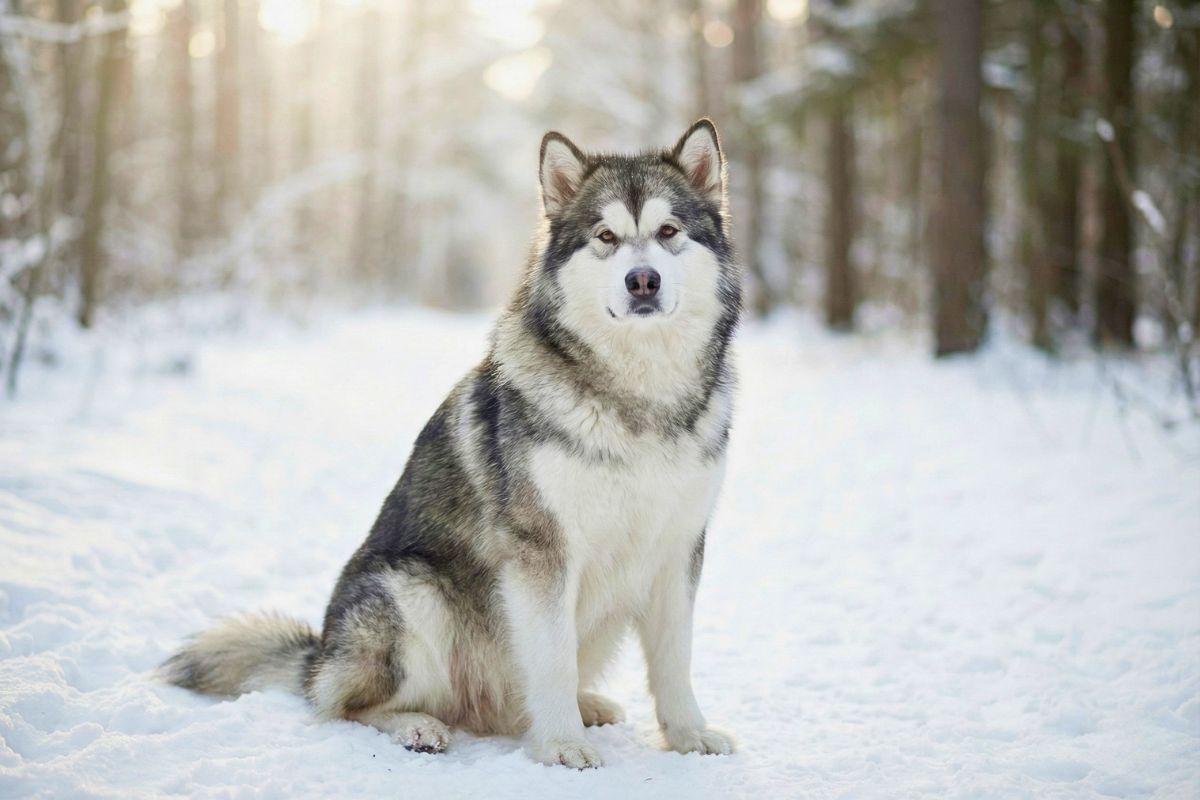
The Alaskan Malamute is a breed that commands respect and awe at first sight with its majestic and athletic appearance. It is a large, robust, massive, and well-proportioned dog, characterized by a solid build and a broad chest. Males typically reach a withers height of 63.5 to 68.5 cm and a weight of 38–43 kg, while females are slightly smaller – their height ranges between 58.5 to 63.5 cm, with a weight of 34–38 kg. One of the breed’s most distinct features is its dense, double coat, which provides effective protection against frost and moisture. The undercoat is soft, thick, woolly, and somewhat oily to the touch, while the topcoat is longer, stiffer, straight, and lies close to the body. Alaskan Malamute coats are usually a combination of various shades of grey, black, sable (sand), and less commonly red, always with the breed-specific white markings on the lower body, muzzle, paws, and the tip of the bushy tail, which is arched over the back. The Malamute’s head is broad and strong, with a slightly rounded forehead, well-defined brows, and a relatively short, powerful muzzle. Most individuals have a distinctive “mask” – darker patches around the eyes – which adds expression and highlights the breed’s intelligence. The ears are triangular, relatively small, widely set, standing upright, and slightly forward-leaning. The almond-shaped eyes are set obliquely, of moderate size, and generally brown in color – blue eyes, common in other arctic breeds, are a disqualifying fault in Alaskan Malamute breeding. The Malamute’s broad, fleshy paws – colloquially called “snowshoes” – have strong pads and nails, ensuring excellent grip on snowy terrain. The Malamute’s tail resembles a feathery plume and, unlike the Husky, is not tightly curled, but arched and bushy along its whole length.
Apart from its impressive physical attributes, the Alaskan Malamute stands out for a number of characteristic traits, which determine both its suitability for sled work and its special position among family dogs. Above all, it is exceptionally tough, strong, and energetic, yet surprisingly gentle and friendly toward people. Its strong physique is matched by a strong character – Malamutes are known as independent, self-reliant, and highly self-assured dogs. Their ancestors were chosen for teamwork, but didn’t rely solely on human commands; therefore, modern Alaskan Malamutes can be stubborn, await their own opinions, and often test their keeper’s patience. This is a highly social and outgoing dog that forms strong bonds with its human “pack” but requires consistent upbringing and clear boundaries. Malamutes are also known for their high intelligence and cleverness – they learn quickly but need positive reinforcement and a sense of purpose to stay motivated. A big advantage is their friendly attitude toward children, but due to their size and energy, play should always be supervised by adults. When it comes to other dogs, especially of the same sex, Malamutes may be dominant, showing a strong territorial instinct and a penchant for rivalry. The original hunting instinct is still present in the breed, so caution is advised around smaller domestic animals. Another hallmark is their talkativeness – Malamutes love to “talk,” making a variety of noises, howling, purring, grumbling, but rarely bark, which distinguishes them from other northern breeds. The Alaskan Malamute loves exercise, long walks, and outdoor activity, and a lack of adequate physical stimulation can lead to boredom and destructive behavior. Despite their size, Malamutes are gentle toward their carers, open to human interaction, and extremely loyal. Their charismatic appearance and interior make them not only wonderful adventure companions but also dogs that require responsible, consistent handling and full understanding of their natural needs and predispositions.
Character and temperament – who is this dog suitable for?
The Alaskan Malamute is a dog with a remarkably interesting character, combining not only the strength and endurance of a sled dog but also an extraordinary sensitivity to its owner. This breed is known for its deep loyalty and attachment – Malamutes can build a truly emotional bond with humans. At home, they are affectionate, calm, and balanced, eagerly seeking contact with household members and not liking loneliness. For this reason, they are best suited to families where they can spend most of their time in human company. For people who work long hours away from home or travel frequently, a Malamute may not be the right choice – left alone, it can show destructive behavior, vocalize, or escape in search of companionship. Keep in mind the Malamute’s strong pack instinct, visible in their need to be in a group as well as their desire to establish a position in the “family pack”, making it important to clearly establish hierarchy. Stubborn and independent, they can test boundaries or try to take over if training lacks consistency and clear rules. At the same time, they are intelligent dogs and learn quickly, though often choose when to listen – sometimes preferring to decide on their own, which requires the handler to be patient, resourceful, and use positive training methods. The Malamute can also be sensitive to unfairness or harsh criticism, so shouting, violence, or rough treatment can completely undermine their trust and damage the relationship with their owner.
Malamutes are very active physically and mentally – they are made for work, movement, and outdoor activities. A daily dose of intensive effort is essential regardless of weather or season. Without fulfilling this need, they can quickly become bored, leading to undesirable behaviors: digging, destroying objects, attempting to escape, or excessive vocalization. These dogs excel at sled sports (canicross, bikejoring), long hikes, treks, and in winter, pulling sleds or practicing skijoring. For active owners who love nature and spending time outdoors, a Malamute will be an excellent companion. In terms of temperament, Malamutes are usually friendly toward people – they are not aggressive or suspicious towards strangers, so they should not be expected to act as typical guard dogs. However, they can be dominant toward other dogs of the same sex, and smaller pets may trigger a strong hunting instinct stemming from the breed’s original purpose. Due to their strength, temperament, and natural stubbornness, the Malamute isn’t a dog for everyone. This breed is much better suited to experienced owners familiar with strong character dogs, or beginners willing to invest time, consistency, and learning in working with their pet. The Malamute can be a good family dog, provided that children are taught respect for animals and safe interaction rules – it is important to remember that the Malamute’s large size and energy can unintentionally pose a danger to the youngest during unsupervised play. In a family setting, the Malamute is cheerful, happy, and often “talks” using grumbles, howling, or other vocalizations – this is a breed that is hard to ignore. The Alaskan Malamute requires plenty of attention, interesting training, consistent boundaries, and opportunities to fulfill natural hunting and exercise needs – only then will it show its best character traits and become a loyal and happy family member.
Coat care and health of the Alaskan Malamute
The Alaskan Malamute is famous for its exceptionally dense, double-layered coat, which offers comprehensive protection even in the harshest weather conditions. The undercoat is soft and abundant and is responsible for thermal insulation, while the outer coat is rough, straight, and water-resistant. In practice, coat care for the Malamute requires regularity, especially during shedding periods, which typically occur twice a year—spring and autumn. During these times, the dog may shed enormous amounts of fur, making daily thorough brushing with a comb or brushes of varying hardness necessary. This effectively removes dead undercoat and prevents matting. The breed does not require frequent bathing – too much washing can disrupt the coat and skin’s natural protective layers, causing dryness or excessive flaking. It’s recommended to bathe a Malamute no more than once every 2–3 months or only when really necessary (for example, after substantial dirt exposure). It’s also essential to care for the cleanliness and condition of the ears because dense hair around them can hold moisture and debris, increasing the risk of infections. Regular inspection and cleaning of the ears, especially after baths or rainy walks, helps prevent fungal and inflammatory conditions. Don’t forget about paw care – especially in winter when the dog comes into contact with road salt or sharp ice, it’s worth protecting the pads with special moisturizing products and removing any foreign bodies stuck between the toes. Routine care also includes nail trimming and regular dental checks using chew toys, dental treats, and, where possible, tooth brushing, which positively influences oral health and minimizes gum disease risk.
Coat care is just one aspect; vigilance concerning health issues typical for this breed is another. Although Malamutes are generally robust and long-lived (average lifespan 10–14 years), they are prone to some genetic disorders and health problems. Among the most common are musculoskeletal diseases such as hip and elbow dysplasia—conditions typical in larger breeds that can cause pain, movement restrictions, and, in advanced stages, degenerative changes. Early diagnostics, responsible breeding (buying puppies only from reliable breeders who test parents), and proper diet are important to minimize risk. Eye issues, including corneal dystrophy, cataracts, or progressive retinal atrophy (PRA), are also a nuisance and require regular ophthalmological checks to catch abnormalities early and implement management. Hereditary zinc deficiency syndrome (common in Malamutes) can manifest as skin flaking, redness, and susceptibility to infections, in which case veterinary-recommended supplementation is needed. The breed can also be prone to gastric torsion, so it’s best to provide several small meals a day rather than one large serving, avoid intensive activity immediately after feeding, and ensure a calm environment for rest post-meal. Malamutes are hardy against cold, but tolerate heat poorly – in summer, ensure shaded, cool shelter and constant access to fresh water, and schedule walks for early morning or late evening. Preventive care – regular vaccinations, deworming, protection against ticks and fleas, and periodic checks at the vet – increases the chances of your Malamute leading a long and healthy life. Proper health care and consistent, thoughtful coat maintenance are key to keeping this extraordinary breed in excellent condition for years.
Training and activity – how to train a Malamute?
The Alaskan Malamute is a dog that, on one hand, impresses with intelligence and adaptability in training, but on the other, can present a real challenge to its owner. Training this breed should be based on a conscious and consistent approach that respects the Malamute’s innate independence. These dogs have a strong will and can be stubborn, so it’s advisable to establish clear rules and a daily routine from day one in the new home, building trust and a predictable environment. Malamutes do not respond well to shouting or physical punishment – positive reinforcement with praise, treats, or favorite toys is much more effective and motivates cooperation. The first months of life are crucial for proper socialization. Malamutes should regularly experience various stimuli, situations, and people, and have supervised contact with other animals to minimize the risk of fear or aggression in adulthood. Learning basic commands such as “sit”, “stay”, “come”, or “leave it” is the foundation for further training. However, training obedience with a Malamute must be creative and diverse, as these dogs quickly get bored with routines. Scent work, search games, command training outdoors, or combining obedience with physical activity are ways to keep the Malamute engaged and effectively shape their behavior. Consider enrolling in obedience classes with a trainer experienced in primitive breeds, as Malamutes vary in motivation and learning pace, and an individual approach yields better results.
Physical and intellectual activity is another foundation of proper Malamute upbringing and development. Bred for work and intense effort, Malamutes require a daily dose of movement as an absolute priority. The Alaskan Malamute needs at least two long walks a day, ideally enhanced with training, play, or exploring new environments. Ideal activities include sports like canicross, bikejoring, or traditional sledding – these activities use the breed’s natural strength, endurance, and need for teamwork with people. Failing to provide enough exercise leads to frustration, resulting in undesired behaviors like destroying objects, disobedience, or excessive vocalizations. Besides physical needs, Malamutes need regular intellectual stimulation – plan educational games, teach new tricks, engage in scent work, and use puzzles that require logical thinking. All forms of activity should be conducted calmly and consistently, avoiding frustration for both dog and handler. Notably, Malamutes have a strong prey drive and love digging – these behaviors should be addressed in recall training and when teaching your dog not to get distracted during walks. Owners should be vigilant around other dogs, particularly of the same sex, as Malamutes can be assertive and insufficient socialization may exacerbate rivalry. In raising a Malamute, don’t forget about patience and regularity – training results come gradually, and building mutual respect and trust should be the priority. By introducing clear boundaries, consistent messaging, and seeking activities suited to your Malamute’s predispositions, this breed will excel both as a family companion and a loyal partner for an active lifestyle.
Price, breeding, and maintenance costs of the Alaskan Malamute
Purchasing an Alaskan Malamute is a considerable investment, encompassing not only the initial price for a puppy from a legitimate kennel but also the long-term costs of caring for and maintaining this demanding breed. The average price of an Alaskan Malamute puppy from a reputable FCI-registered kennel usually ranges from 6000 to 10000 PLN, and sometimes more for puppies out of exceptional, titled parents. Price differences may depend on the dog’s origins, parental show achievements, kennel prestige, and up-to-date genetic testing. When buying a Malamute, avoid puppy mills offering cheap puppies without pedigree or appropriate health documentation, as there is a higher risk of genetic defects and behavior problems. Responsible breeders not only ensure appropriate parental selection, health, and temperament, but also provide proper puppy socialization and support in the early stages of life. Before making a purchase decision, check kennel reviews, see how the dogs are raised, and get to know both parents, if possible. The final puppy price should also include mandatory costs such as vaccination, deworming, microchipping, and the first layette – bed, bowls, leash, collar, or transport crate, which can generate several hundred or even over a thousand PLN in initial expenses. The cost of acquiring a Malamute is a one-time fee, whereas the real cost of keeping this breed involves regular, multi-year expenses, which should be considered before bringing a Malamute home.
One of the most significant monthly expenses for an Alaskan Malamute is top-quality dog food – tailored to the needs of large, active, and thick-coated northern breeds. The typical cost of feeding is from 250 to 400 PLN per month, depending on the chosen brand (dry, wet, BARF), as well as the individual dog’s health requirements. Due to their lush coat, Malamutes also need regular grooming – at least several times a week for brushing and, during shedding, periodic visits to the groomer, with yearly care services totaling 200–400 PLN. Owners should anticipate routine veterinary check-ups (vaccinations, deworming, anti-parasitic prevention), which cost roughly 500–1000 PLN per year, and for health problems – such as dysplasia, eye, or skin conditions – expenditures can be much higher. Additional costs include durable leashes and harnesses (for the dog’s strength), chew toys, beds, grooming products, dermatological preparations, tick and flea repellents, and, if necessary, supplements or vitamins – altogether amounting to several hundred PLN annually. For those training in canine sports (canicross, skijoring, sledding), specialized gear – running harnesses, shock-absorbing leads, protective boots, or bike trailers – will drive expenses up. Being a dog that needs lots of movement, a Malamute may need a dog hotel or petsitter during lengthy trips – the daily rate for such services usually exceeds 80–120 PLN, boosting the annual maintenance cost. It’s also advisable to consider pet insurance, which reduces sudden and expensive payments, with costs depending on policy coverage. In total, the annual expenses for a responsible Malamute owner – considering food, veterinary care, grooming, accessories, and unforeseen costs – usually run between 5000 and 9000 PLN, or sometimes more, depending on the family’s lifestyle, dog’s health, and level of sport activity. This clearly shows that deciding to purchase and raise a Malamute requires not only love for the breed, but also financial preparation and full awareness of all the expenses involved in caring for this extraordinary dog.
Summary
The Alaskan Malamute is a dog of extraordinary strength, devotion to family, and majestic appearance. With the right amount of exercise, consistent upbringing, and proper care, it can be a wonderful companion for experienced, active owners. Before deciding on a Malamute, it is worth getting to know the breed’s history, temperament, health needs, and estimated maintenance costs in detail. Proper care and responsible breeding are the keys to a satisfying, long-term relationship.

