

Table of Contents
- Origin and history of the Rhodesian Ridgeback
- Appearance and coat of the Ridgeback
- Character and temperament of the Rhodesian Ridgeback
- How to take care of your Ridgeback’s health and grooming?
- Who is the Rhodesian Ridgeback the ideal dog for?
- Interesting facts and important information about the Rhodesian Ridgeback
Origin and history of the Rhodesian Ridgeback
The Rhodesian Ridgeback is a breed with a unique and rich history dating back to southern Africa at the end of the 19th century. Its origins are closely tied to the needs of settlers, explorers, and hunters traversing the challenging terrains of present-day Zimbabwe (formerly Rhodesia) and South Africa. A key element in the development of the Ridgeback were the native Khoikhoi-type dogs, also known as African ridgeback dogs, which local tribes used for property protection and hunting. These ancestors were distinguished by bravery, intelligence, and the distinctive ridge running along their back – a hallmark now synonymous with the breed. European settlers, especially the Boers, recognized the advantages of these exotic dogs but required a more versatile dog, family-loyal, resistant to the African climate, and able to face large game – including lions and leopards. Upon arriving in Africa at the end of the 19th century, they crossed the Khoikhoi dogs with imported European breeds, including foxhounds, greyhounds, pointers, mastiffs, bloodhounds, and also airedale terriers. Each contributed traits to the temperament, appearance, and skills of the newly forming breed. The purpose of this hybridization was to create a companion dog and a fearless tracker and hunter. The greatest influence came from Cornelius van Rooyen – a renowned hunter from the Bulawayo region, who laid the foundations of breeding by selecting dogs for their courage, fitness, and practical hunting skills.
The first generations of these versatile dogs, distinguished by a ridge formed by a plume of hair along their spine, quickly gained recognition among both African settlers and local tribes. Rhodesian Ridgebacks became famous as “lion dogs” – they did not directly attack predators but tracked and cornered them with remarkable skill, allowing hunters to take precise shots. Besides their hunting prowess, they displayed extraordinary resistance to high temperatures and local diseases, independence, alertness, and loyalty to people. These traits made them not only hunters, but also excellent guard and family dogs. In 1922, the first official breed standard was created; a few years later, in 1924, the Rhodesian Ridgeback Club of Bulawayo earned breed recognition from the South African Kennel Union. Ridgebacks quickly gained popularity outside Africa – especially in the UK and the United States. In 1955, the American Kennel Club officially recognized the Rhodesian Ridgeback as an independent breed, and since then, these dogs have regularly appeared in show rings and in the homes of active lifestyle enthusiasts worldwide. They remain a symbol of African wildness and unbridled courage, as well as an example of meticulous breeding work and testimony to the bond between man and working dog. To this day, the Rhodesian Ridgeback retains not only its original functionality but also an exceptional character, being an inseparable element of southern African cynological history and one of the most recognizable and valued breeds in the world.
Appearance and coat of the Ridgeback
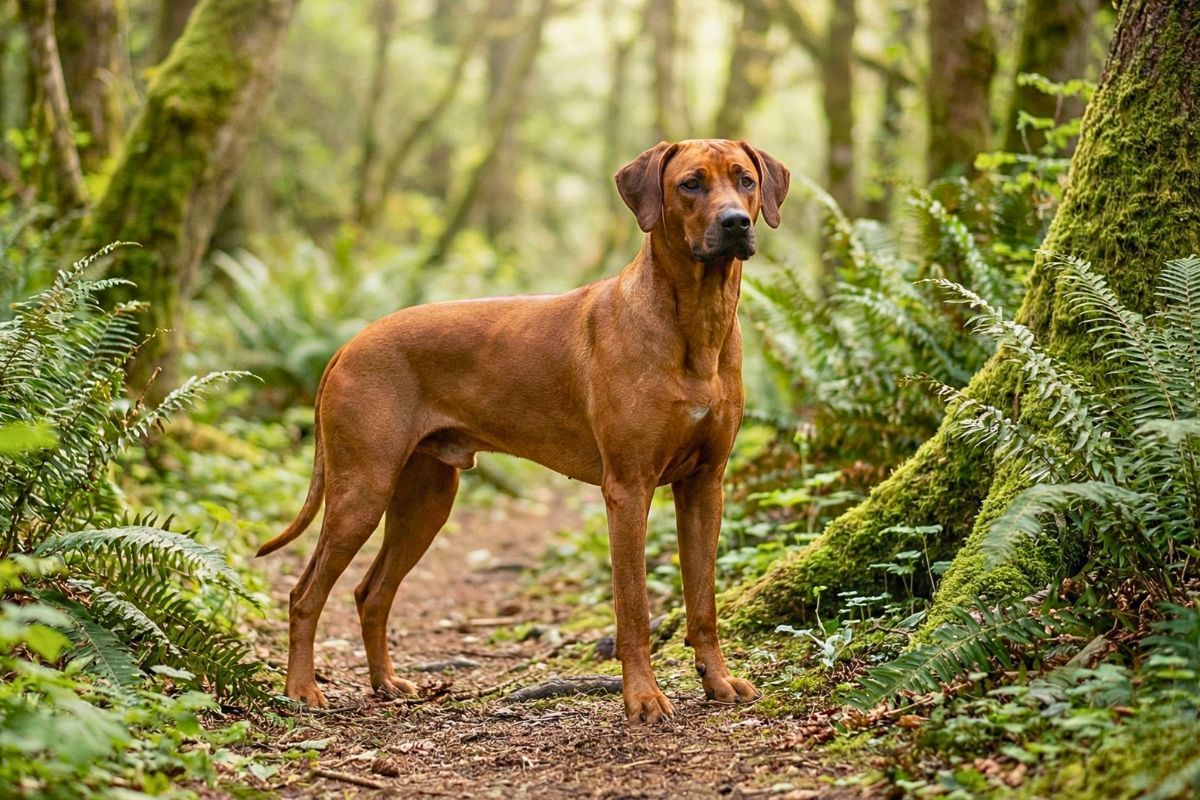
The Rhodesian Ridgeback is a dog with a uniquely distinctive silhouette that immediately attracts the attention of both breed lovers and laymen. Its build combines strength, agility and elegance, directly resulting from its original designation as a hunting dog and guardian. The Ridgeback belongs to large breeds – adult males typically stand 63–69 cm at the withers, females 61–66 cm. Mature dogs weigh between 30 and 39 kg, emphasizing their muscular yet proportional posture. The Ridgeback’s head is relatively broad between the ears, with a marked stop and strong muzzle. The nose may be black or liver, both permitted by breed standard, and the eyes have a vivid, intelligent expression that harmonizes with nose color – with black-nosed dogs having dark brown eyes, and those with liver noses having lighter, amber eyes. The ears are medium-sized, set high, carried flat against the head with rounded tips, suggesting nobility and alertness. The neck is dry, strong, and moderately long, and the back is powerful and straight. The chest is deep, reaching the elbows with a marked forechest, but not overly broad, allowing lightness of movement during intense physical activity. The breed’s tail is thick at the base, tapering towards the end, carried with a slight upward curve but never curled over the back. The Ridgeback’s hallmark feature is, of course, the famous ridge running along the back – a key identifier of the breed since its southern African ancestors. The ridge is created by hair growing in the opposite direction than the rest of the coat, starting immediately behind the shoulders and continuing to the end of the loin, gently narrowing toward the tip. A correct ridge should be clearly defined, symmetrical, contain two crowns (whorls) at the top, not extend beyond the shoulders or too far out to the sides, and be approximately 5 cm wide at the base and straight its full length.
When it comes to coat, the Rhodesian Ridgeback is remarkably functional – its short, smooth, dense and shiny fur is waterproof and very easy to maintain, making it excellent for hot, dry African climates as well as temperate conditions. Ridgebacks’ color ranges from light wheaten to deep reddish, with solid, uniform shades most desirable (without patches or marbling) – only limited white markings on the chest and toes are allowed, while white “socks” or broad white patches are considered faults. The coat’s intensity may subtly vary between individuals: some dogs feature a slightly golden sheen, others have a more red and deep, almost mahogany shade, emphasizing the breed’s majestic and wild character. Of special note when selecting a Ridgeback is the typical black coloring of the muzzle and ears, which may contrast with the rest of the coat, though a fully black mask is undesirable. The skin should be tight, without looseness – another advantage of the breed, which eases grooming and ensures resistance to injury during hunting or fieldwork. The Ridgeback’s overall look inspires respect, without seeming heavy – it is an energetic animal, balanced in movement, with a harmonious outline and upright, proud bearing. The breed’s physical condition expresses not only a working dog, but also an impressive family companion, attracting attention with its unique appearance and elegance. All these attributes create a one-of-a-kind image of a noble, enduring dog, absolutely devoted to people, always ready to face any challenge set by its owner – the Ridgeback enchants with both its naturalness and dignity, a beautiful symbol of wild Africa and a loyal friend in daily life.
Character and temperament of the Rhodesian Ridgeback
The Rhodesian Ridgeback is distinguished by a remarkable temperament – on the one hand, reflecting the breed’s hunting heritage, and on the other, resulting from careful selection for human bonding and versatility. The breed is highly independent, intelligent, and endowed with a strong territorial instinct, making it excellent as a family dog and a vigilant household guardian. Ridgebacks are renowned for their courage – unafraid of challenges, able to defend their loved ones, and with a history as “lion dogs”, exemplifying their capacity to face very dangerous opponents. With a strong personality, they require an owner who is decisive, consistent, and patient – able to set clear boundaries and start proper upbringing from puppyhood. Although independence and stubbornness are signature traits, Ridgebacks are deeply attached to their family and typically prefer close contact with their guardians. They are devoted, faithful, and loyal – capable of showing affection, though not excessively demonstrative. Their behavior is often reserved toward strangers, sometimes even aloof, but they should never be aggressive or overly fearful. Well-socialized Ridgebacks show confidence, balance, and calmness. The famous back ridge is not their only extraordinary trait – equally characteristic is their seriousness in assessing situations and the ability to read human emotions. These dogs can be excellent companions for active families who can provide not just exercise, but also mental challenges. At home, the Ridgeback is usually quiet and clean – not a noisy or overly barky breed, making it a welcome guest in larger cities or homes with gardens.
However, Ridgebacks need proper stimulation and daily activities to fully develop their potential and maintain a stable temperament. Boredom, lack of clear rules, or improper handling may lead to behavioral problems such as destructiveness, hyperactivity, or escapes. They are best suited to environments where owners ensure a balanced lifestyle with physical and mental activity, and close human contact. Ridgebacks get along well with children, especially if raised with them from puppyhood – they are patient, understanding and often show a natural caring instinct. However, due to their strength and temperament, they require supervision when interacting with the youngest and skillful socialization from the outset with both people and other animals. With other dogs, Ridgebacks are generally friendly, though they can be assertive toward males or strong-willed animals. Their hunting instinct – though less pronounced than in some hunting breeds – may awaken an interest in smaller pets, so appropriate control and training are crucial. It is essential to remember that the Ridgeback is clever, learns quickly, but often chooses its own path – motivation based on rewards, praise, and understanding needs are key to building a harmonious relationship. On the one hand, the breed requires commitment and consistency; on the other, it is extremely grateful and devoted to a companion who values its distinctive nature and temperament. Properly handled, Ridgebacks can impress with composure, dignity, and an extraordinary balance between alertness, strength, and calm in day-to-day interactions with the family.
How to take care of your Ridgeback’s health and grooming?
The Rhodesian Ridgeback is famous for its natural resilience and general health, but the right care is key to a long and happy life. Above all, it is necessary to remember regular vet checkups, preventive vaccinations, and periodic blood tests, which enable early detection of potential illnesses. Common health problems in this breed include hip and elbow dysplasia, so it is worth monitoring joint development from puppyhood and avoiding excessive strain. Choosing a reputable breeder where puppy parents have undergone genetic testing for hereditary diseases is a good idea. Along with dysplasia, Ridgebacks can be prone to dermoid sinus – a congenital skin defect, so young dogs should be thoroughly examined by specialists, especially before purchase. Owners should also be attentive to the heart and eyes, scheduling regular vet appointments to catch any abnormalities early. The Ridgeback’s teeth should also be monitored, cleaned regularly, and, if necessary, tartar removed during vet visits. A balanced diet is crucial – it should be tailored to age, activity level, and the dog’s individual needs; Ridgebacks require meals rich in high-quality protein, good quality fats, and supplements supporting joint health. Fresh water must always be available, especially after intense activity.
Ridgeback grooming is relatively straightforward, but should still be regular and thoughtful to serve its purpose. The short, close coat does not need heavy brushing – once weekly with a rubber brush or grooming glove is enough to remove loose hair and improve circulation. During heavier shedding periods – two or three times a year – more frequent brushing is recommended. Bathing is needed only occasionally, using gentle shampoos designed for short-haired breeds to avoid skin irritation. Special attention should be paid to the ears – check regularly for debris, moisture, or unpleasant odors that might indicate infection. Nails should be checked every few weeks and trimmed if not naturally worn down, to reduce risk of painful cracks or paw deformities. Keep the area around the eyes and mouth clean by regularly wiping with a damp cloth. Being an active dog, the Ridgeback requires daily exercise – long walks, running, or practicing commands will help maintain not only excellent physical condition but also mental balance. The breed also needs mental stimulation: scent games, treat searching, and learning new commands benefit the dog’s satisfaction and prevent boredom that could cause behavioral issues. Caring for a Ridgeback’s health and grooming requires consistency, commitment, and understanding of breed specifics, which will be rewarded with loyal companionship for many years.
Who is the Rhodesian Ridgeback the ideal dog for?
The Rhodesian Ridgeback is not a breed for everyone – it requires a responsible, engaged owner who can respond to its specific needs. The Ridgeback is especially suited to active families, leading a dynamic lifestyle, enjoying long walks, jogging, trekking, and spending leisure time outdoors. With high energy and endurance, this dog is perfect for people who can provide plenty of exercise in daily walks and more demanding play or training. Owners who value trips outside the city, bike rides, or running will appreciate the Ridgeback’s readiness for any adventure. The breed is an excellent partner for consistent, responsible people – its independence and decision-making tendency demand an owner who can set clear boundaries and household rules. This is not a dog for those lacking experience with large, strong breeds, or those unable to dedicate the time needed for consistent training, activity, and socialization. Daily work on obedience and proper handling are a must – without it, the Ridgeback can become stubborn or, in extreme cases, develop behavior problems.
The Ridgeback will do well in families with children, provided it has been habituated to their presence since puppyhood, and the relationship is based on mutual respect and safety rules. The breed is proud, calm, and usually gentle, but also extremely loyal and willing to protect family members – which is why it is often recommended as a watchdog for homes with gardens, where it can guard the territory and actively participate in daily life. However, owners should remember the Ridgeback’s strong hunting instinct – those living near forests or farms must be particularly vigilant to control the dog during walks and protect smaller pets. This is not a typical apartment dog, especially if left alone for much of the day – it poorly tolerates isolation and lack of stimuli, easily becoming bored which can lead to destructive behavior. The Ridgeback is recommended for people who can organize a day full of diverse activities for the dog – both physical and mental, such as scent work, educational games, or canine sports. Those interested in shows, training, or amateur sports like agility or canicross will find the Ridgeback an excellent partner for development and shared time. This breed is generally not suitable for the elderly or those with limited mobility because of its temperament, strength, and exercise requirements; likewise, people preferring a quiet lifestyle or not ready to dedicate daily time and energy to the dog may find the Ridgeback’s demands overwhelming. It thrives in balanced families that value companionship, a partnership approach to life with a dog, and understand the crucial roles of training and responsibility with such a sentient breed.
Interesting facts and important information about the Rhodesian Ridgeback
The Rhodesian Ridgeback is a breed that, due to its uniqueness, has fascinated dog lovers worldwide for years – both working and family dog fans. The most distinctive feature is the characteristic back ridge, created by hair growing in the opposite direction. This ridge has always been a hallmark of the breed and a symbol of its heritage – selection based on this feature has been present since the breed’s inception in Africa. Interestingly, not every puppy is born with a perfectly formed ridge – some Ridgebacks, called “ridgeless”, lack the dorsal crest and cannot be shown under the official standard, though in many ways they are the same temperamentally and health-wise as their ridged relatives. Originally, the breed standard (set in the 1920s) allowed for both ridged and ridgeless dogs, but preference was eventually given to those with a clear ridge, which prevails today. The breed owes its traits not only to native African dogs known for their resilience and agility, but also retrievers, pointers, bulldogs, and sighthounds – each contributing traits from endurance to hunting instinct and tracking ability. Curiously, though originally bred to hunt lions – referenced as “lion dogs” – Ridgebacks were never meant to fight predators alone. Their role was to locate, approach, and corner the lion – distracting it and allowing the hunter to shoot from a safe distance, demonstrating both courage and situational awareness.
Although considered a robust breed, the Rhodesian Ridgeback requires attentive care due to specific health predispositions. One unique condition is dermoid sinus, a congenital defect from improper skin and nervous system development, detectable in puppies. Responsible breeders attach great importance to screening and selection to eliminate this condition. Another curiosity is Ridgebacks’ exceptionally “clean” metabolism – they rarely experience food allergies and, thanks to their short coat, risk of skin parasites is minimal. Despite strength and endurance, they are not typical “outdoor dogs” – they do not tolerate long isolation and feel best in close contact with humans. Favored by dog sports fans, Ridgebacks win accolades not only in shows but also in obedience, agility, and canicross. Their intelligence and talent for learning new commands is often paired with stubbornness and independent thinking – Ridgebacks can be particularly creative in problem-solving, which necessitates consistent upbringing based on understanding the breed’s character. Another remarkable feature is their resistance to climate – Ridgebacks manage well in both hot African weather and colder European regions, provided they are protected from rain and frost. Notably, Ridgebacks are less susceptible to common large-breed age ailments like cancer or heart disease, thanks to proper diet and regular exercise. Historically, the Rhodesian Ridgeback has not only left its mark as a hunting dog but also as a loyal companion to many famous individuals – notable enthusiasts include Errol Flynn and Countess Phyllis Gordon. Today, Ridgebacks are often chosen by active people who appreciate independence of character, attachment, and readiness to work together. Due to their versatility and charm, these dogs are also featured in many publications, films, and nature trivia articles, which showcase their extraordinary relationship with people and their primal power inherited from the African lands.
Summary
The Rhodesian Ridgeback is a dog with a remarkable origin, impressive appearance, and exceptional character. Once used for hunting in Africa, today it impresses with loyalty and energy as a family companion. The Ridgeback requires attentive grooming, adequate physical stimulation, and consistent training. It fits perfectly in active families that provide it with suitable challenges. Thanks to its strength, intelligence, and unique ridge, the Rhodesian Ridgeback continues to gain admirers across Europe.

