

Table of Contents
- History and Origin of the Welsh Corgi Pembroke Breed
- Appearance and Distinctive Features of the Corgi
- Character and Personality of the Welsh Corgi Pembroke
- Grooming, Health, and Lifespan of the Corgi
- Breeding, Nutrition, and Activity Needs
- Welsh Corgi Pembroke as a Family Dog – Is This the Breed for You?
History and Origin of the Welsh Corgi Pembroke Breed
The history of the Welsh Corgi Pembroke dates back hundreds of years and is deeply rooted in the culture and traditions of Wales. There are many legends and tales about the origin of these small, energetic herding dogs. According to one of the most romantic Welsh legends, corgis were a gift from fairies to children, and the saddles they were meant to carry on their backs are a trace of this magical history – to this day, many individuals of this breed carry distinctive markings on their coats reminiscent of a bridle or saddle. Regardless of the legends, actual historical documents indicate that the ancestors of today’s corgis appeared in Wales as early as the 10th century, where they were used by Welsh shepherds to herd cattle, sheep, and geese. Thanks to their agility, intelligence, and courage, the Pembroke excelled as a working dog on expansive, often demanding Welsh terrain. The breed’s name comes directly from Pembrokeshire county, where these dogs enjoyed great popularity among local breeders and farmers. Some theories also mention Nordic influence – according to them, the ancestors of the corgi arrived in Wales with the Vikings, and crossbreeding local herding dogs with small spitz-type vallhunds (Swedish herding dogs) contributed to the creation of two corgi varieties: Pembroke and Cardigan. Both varieties share the herding function, but differ slightly in appearance and genetic origin.
The distinction of the Welsh Corgi Pembroke as a separate breed from the Cardigan happened relatively late – only at the beginning of the 20th century, despite the dogs having been present in Wales for centuries and being recognized locally by their distinctive body structure and coloring. The Pembroke is generally smaller, lighter, and has a shorter tail compared to its cousin from Cardiganshire, which is one of the oldest British herding breeds. The classification became official in 1934, when the British Kennel Club recognized both types as separate breeds. The popularity of the Pembroke corgi soared in the mid-20th century, thanks in large part to the British royal family – this breed is closely associated with Queen Elizabeth II, who was connected to corgis since childhood and welcomed many of them to the royal court. The Queen’s love for Pembrokes contributed over many decades to solidifying their status as one of the most recognizable and valued dogs not only in the British Isles, but around the world. Besides the favor of the royal family, traits such as intelligence, trainability, loyalty, spirited temperament, and resilience to tough working conditions have made the Pembroke an excellent working dog in rural areas as well as a loyal companion in urban families. Imported to other European countries and North America, Pembroke corgis have gained a large following, and modern breeding lines focus on maintaining working abilities and their characteristic, endearing appearance. All these factors make the Welsh Corgi Pembroke not only a dog with a rich and fascinating history but also a living legend, symbolizing Welsh tradition and devotion to people.
Appearance and Distinctive Features of the Corgi
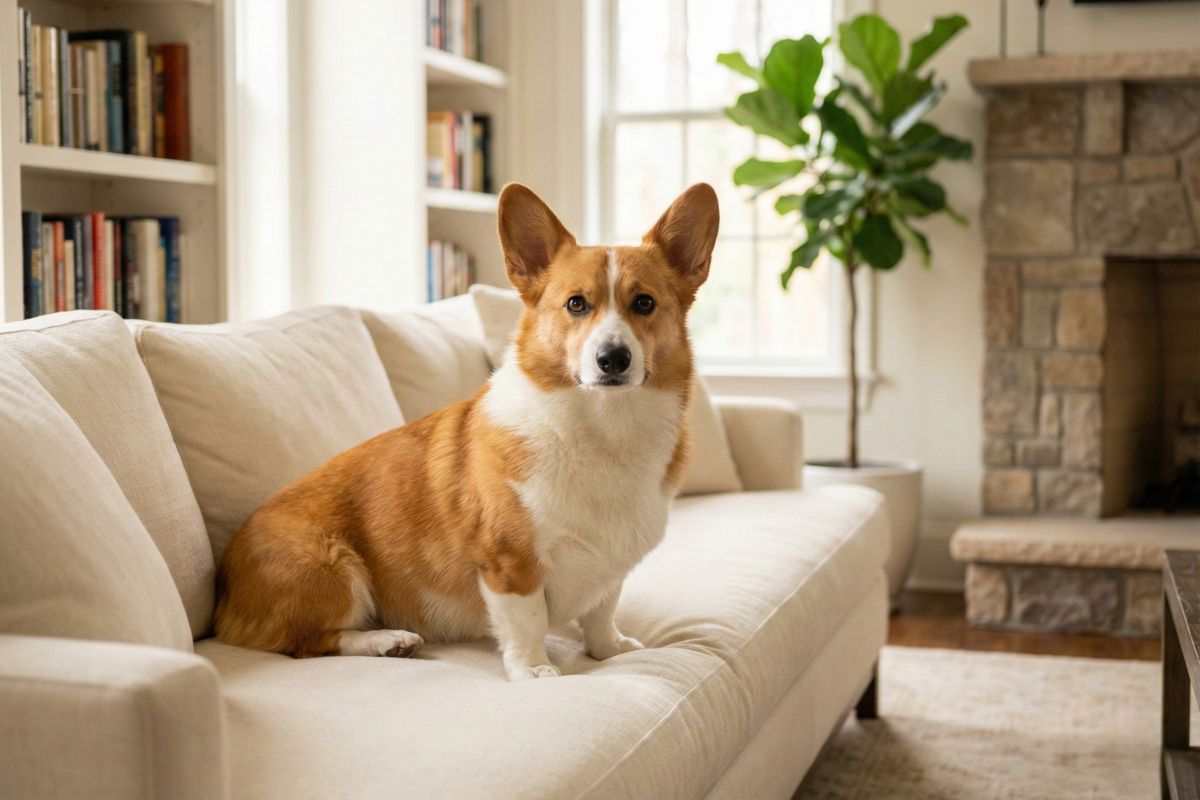
Welsh Corgi Pembroke is a breed distinguished by its unique, recognizable appearance. These dogs are relatively small, with adults typically standing 25 to 30 cm at the withers and weighing between 9 and 13.5 kg, with males usually slightly larger than females. What most draws attention is their proportionally long body set on short, muscular legs, which gives the corgi its characteristic, springy gait. One of the most iconic features is the fox-like head shape – a skull broad between the ears, smoothly transitioning into a slightly tapered muzzle. The eyes are medium-sized, expressive, dark brown, with an intelligent, lively look. The ears are medium, upright, and fairly widely spaced, giving the corgi a charming and somewhat mischievous expression. Pembroke corgis stand out with their short tail – often naturally short or previously docked, unlike the Welsh Cardigan, which has a long tail. Their coat is double-layered, of medium length, with a dense undercoat providing protection against cold and moisture, which was vital for their original work on Welsh pastures. The fur lies close to the body, is water-resistant, and the coloring is most often shades of red, fawn, sometimes black and tan, with white markings on the muzzle, neck, paws, and tail. Thanks to their silhouette and characteristic tail, the Pembroke presents an athletic and elegant appearance, while retaining an expression of sweetness and readiness to act.
The characteristic appearance of the Welsh Corgi Pembroke is matched by its unique temperament and personality, shaped over centuries by selective breeding for work and close contact with people. Corgis are renowned for their high intelligence – they learn new commands very quickly, excel in canine sports, and are also extremely perceptive, making them excellent watchdogs despite their small size. They have a strongly developed herding instinct, which manifests as a tendency to control their environment, look after herd members or family, and even herd children and other pets at home by gentle nipping or calling them to order – a behavior that persists from their farm work. They are highly devoted to their family, loyal and affectionate, but at the same time independent and brave, making them confident companions. Corgis crave contact with their owners, dislike loneliness, and therefore thrive best in homes where they are involved in daily life. Their innate enthusiasm and cheerful disposition mean they bond easily, are open to new people and animals, although some individuals may show some reserve towards strangers. It’s worth noting that, despite their friendly nature, corgis can be stubborn and use their intelligence to achieve their own goals, so training must be consistent and systematic, best combined with positive motivation. A distinct feature of Pembroke corgis is their vivacity and energy – they love exercise, walks, playful activities, and mind games, and will excel in families that can offer both physical and mental stimulation to challenge their wit and creativity. Their strong bond with people and desire to be the center of attention often makes them the heart of family life.
Character and Personality of the Welsh Corgi Pembroke
Welsh Corgi Pembroke is a breed that attracts attention not just with its joyful looks but primarily with its unique personality. They are known for a high degree of intelligence and a highly lively temperament. Their minds are constantly active, allowing them to quickly learn new commands, tricks, and house rules. They gladly cooperate during training and everyday physical activity, although they may show some independence and stubbornness, typical for herding breeds. Pembroke corgis are exceptionally curious, poking their noses everywhere and loving to observe what’s happening around them. This makes them vigilant guardians of their homes – loudly announcing the arrival of strangers, making them good alert dogs despite their small stature. This breed also demonstrates exceptional loyalty to their caregivers. Corgis form a strong attachment to their family, often following their owners everywhere, displaying affection through cuddling, licking, but also by wanting to remain in their immediate surroundings. They are very social and do not cope well with prolonged loneliness – left alone, they may show signs of separation anxiety or develop unwanted behaviors like barking or destroying objects. They also seek contact not only with people but with other animals – in most cases, they fit perfectly into homes with other dogs or even cats, provided they are properly introduced and socialized from puppyhood. A very important element of the corgi character is their phenomenal sense of humor – they are known for playful antics, unique body postures, and attempts to amuse their loved ones. These are dogs that draw immense joy from family life and joint activities both at home and outdoors.
Despite their adorable looks, Pembroke corgis have a rich and sometimes surprisingly bold personality. Their original purpose as herding dogs often leads to an instinct to watch over and control the herd – therefore, they may try to herd children or other animals by barking, nipping, or circling. It is important from the very beginning to teach corgi proper relations with household members and boundaries, as they can be stubborn and persistent in pursuing their own goals. Proper socialization and regular, positive training help channel their intelligence and energy in the right way, minimizing the risk of problematic habits. Corgis value predictability and clearly established house rules, but also expect to be treated like full-fledged family members. With children, they usually do excellently, demonstrating patience and gentleness, although their interactions should be supervised – mainly due to the dogs’ herding tendencies. They are resourceful and independent partners for outdoor adventures, but also sensitive companions during moments of rest. Their adaptability should also be emphasized – Pembroke corgis are comfortable both in an apartment and a house with a garden, provided they receive adequate exercise and play. Their personality combines activity, emotionality, and devotion, making corgis dogs of exceptional, unique character.
Grooming, Health, and Lifespan of the Corgi
Welsh Corgi Pembroke is a breed that requires regular, thoughtful grooming, especially due to its dense, double coat and natural tendency to shed. Corgi coat care primarily involves frequent brushing – it is recommended to do so at least twice a week, and daily during shedding periods. This effectively removes dead hair and reduces the amount left around the house. It’s important to use brushes suited for the dense coat structure to avoid irritating the dog’s skin. Baths should only be given as needed, typically once every few months or when the dog is really dirty; too frequent washing may dry out the skin and strip natural oils. Along with coat care, attention to nails, ears, and teeth is an important daily routine. Corgi nails grow quite quickly and need regular trimming – overly long nails can cause discomfort or become ingrown. The ears are relatively upright and well ventilated, but should be checked regularly for dirt, to prevent infections or parasites. Oral hygiene should include brushing the teeth several times a week or providing special dental chews to prevent tartar buildup.
When it comes to health, Welsh Corgi Pembrokes are generally considered hardy dogs, but they are not free from breed-specific ailments, so it is important to know their most common health issues. Due to their build (long body on short legs), corgis are prone to spinal diseases, such as disc disease or degenerative disorders. Therefore, excessive physical stress, intensive jumping, or running up and down stairs should be avoided, particularly with young or elderly dogs. Another significant risk is overweight – corgis have a big appetite and a strong tendency to gain weight, which worsens joint and spinal health. Diet control, portioning meals, and regular physical activity are crucial for prevention. This breed may also face genetic diseases such as progressive retinal atrophy (PRA), degenerative myelopathy, and hip dysplasia, though the latter is rarer than in larger breeds. Responsible breeding involves screening for these disorders, increasing the chances of a long-lived companion. Regular check-ups at the veterinarian, vaccinations, deworming, and protection against ticks and fleas not only help prolong life but also keep the corgi in optimal shape for years. Pembroke corgis have an average lifespan of 12 to even 15 years, with many reaching old age in excellent condition, provided they receive proper care and preventive health management. Regular physical activity – long walks, interactive play, and mental training – not only counteracts boredom and behavioral problems but also supports joint and heart health and keeps the body in good shape. Owners should also look out for worrying symptoms like stiffness, reluctance to exercise, sudden weight gain, or behavioral changes, to act quickly and consult a specialist. Responsible, conscious grooming and health prevention are key to enjoying the company of a healthy and happy corgi for many years.
Breeding, Nutrition, and Activity Needs
Breeding Welsh Corgi Pembroke requires not only knowledge of the breed but also commitment, ethics, and care for the animals’ health and well-being. Reputable breeders should follow FCI (Fédération Cynologique Internationale) standards and take care to maintain pure genetic lines, excluding individuals with hereditary disorders or health risk factors, such as a tendency for dysplasia, spinal problems, or eye diseases. Selecting suitable breeding pairs minimizes the risk of congenital defects and ensures balance in character and temperament. Corgi puppies should be raised in a home environment, where they get proper socialization, human interaction, mental and physical stimulation, and regular veterinary care. Reputable breeders provide new owners not only with pedigree papers and health documentation but also a pack of basic information on raising and caring for the breed. Properly managed breeding reduces the frequency of genetic diseases and ensures longevity and better quality of life, so when choosing a breeder, attention should be paid to reviews, transparency, and the conditions in which the puppies are raised. Socialization activities, such as gradually introducing young dogs to new situations, sounds, and smells, are crucial for their confidence and emotional balance and significantly influence ease of adaptation in a new home. Owners should also remember the need for future spaying or neutering if not planning to be involved in professional breeding, which limits the risk of unwanted litters and some health problems.
Feeding the Welsh Corgi Pembroke is one of the most important aspects of daily dog care for this breed. Corgis tend to gain weight quickly, so maintaining optimal body weight with a properly balanced diet is essential. Recommended is a high-quality dog food, tailored to the dog’s age, size, and activity level. The diet should include proper amounts of protein, fats, vitamins, and minerals, and owners should carefully control the number of portions and snacks, especially when using training treats. For corgis, serving meals at fixed times is effective, not only allowing better weight control but also supporting normal digestion. It is good practice to regularly assess the dog’s body condition and adjust caloric intake to its activity level – more energetic dogs need more calories, but it’s always crucial to avoid excessive fat, which strains the spine and raises joint disease risk. Appropriate supplements, such as omega-3 fatty acids or joint support formulas, can further benefit corgi health if used with a veterinarian’s approval and supervision. At the same time, there must always be access to fresh water, and feeding from the table should be avoided, as this encourages obesity and nutritional deficiencies. Changes to the corgi’s diet should be introduced gradually to prevent digestive problems and allergies.
Daily physical activity needs are of great importance for the Welsh Corgi Pembroke, which, given its herding past, requires regular exercise and various mental stimuli. Lack of exercise leads not only to weight gain but may also cause frustration and problematic behaviors such as excessive barking or destructive tendencies. Corgis love interactive games, retrieving, obedience training, and are also fond of canine sports, such as agility or obedience, fulfilling both their physical and mental needs. At least 1–2 hours of activity are recommended daily, spread over several shorter dynamic walks or play sessions, during which the dog gets not only exercise but also opportunities to explore and socialize with other dogs. Regular daily exercise is especially important for young and adult corgis, to maintain fitness, mental health, and prevent boredom. In addition to physical activity, the dog’s environment should be enriched with educational toys, sniffing mats, or concentration-requiring exercises to harness their considerable intelligence and energy. It must also be remembered that, due to short legs and body build, corgis are not suited for intensive jumps or descending steep stairs, as this can cause spine injuries – all activities should therefore be chosen carefully based on the dog’s individual capabilities and consulted with a veterinarian.
Welsh Corgi Pembroke as a Family Dog – Is This the Breed for You?
Choosing a family dog is a serious issue that requires analyzing not only the breed’s traits but also the individual needs of household members, lifestyle, living space, and the level of commitment one can provide the animal. Welsh Corgi Pembroke has long been considered an ideal family companion thanks to its cheerful nature, intelligence, and loyalty. Corgis adapt well to different environments – both in apartments and houses with gardens – but the key is ensuring them a daily dose of exercise and contact with caregivers. By nature, they are highly social, affectionate, and open to interacting with both children and adults. Their gentle yet energetic temperament means they quickly become a part of family life, actively participating in all household activities. Due to their herding instincts, they may wish to “watch over” family members or other pets, sometimes manifesting as light nipping or trying to direct the movements of residents, especially children. This is a natural element of the breed’s behavior, and with proper training and consistent upbringing any undesirable reactions can be eliminated, transforming the corgi into an ideal, safe, and predictable household member even in homes with young children. It is worth remembering that corgis thrive best in an environment full of engagement and affection and do not do well when left alone for long hours, as they do not tolerate loneliness. Their loyalty and attachment not only manifest as a need for closeness but also with great sensitivity to their caregivers’ emotions and a readiness for joint activities, making them exceptionally versatile family dogs.
At the same time, the Welsh Corgi Pembroke requires a degree of consistency and creativity from owners in terms of upbringing and daily activities. Their exuberance and perceptiveness mean that, for active people wishing to engage in joint walks, games, or even canine sports, they’ll be a perfect choice. However, for families leading a very calm, sedentary lifestyle, Corgis may be less happy, and insufficient physical activity may lead to frustration and the development of unwanted behaviors such as barking or increased stubbornness. For families with children, it is important to teach youngsters how to properly treat the dog, respecting its space and needs, which will foster healthy relationships based on mutual trust. In households with other animals, corgis generally get along well, especially if socialized from puppyhood – they display great tolerance and can coexist with both cats and other dogs. However, they require clear rules and an established hierarchy to prevent them from attempting to take over control. Remember as well their intense need to be involved in family life – isolating them, lack of attention, or insufficient shared activities can negatively impact their mental well-being. Corgis are very alert and quick learners, so not only do they quickly adapt to home rules, but can also be excellent pupil dogs for those beginning dog training. In summary, the Welsh Corgi Pembroke will be an excellent family dog for those who are looking for a bold, joyful, and devoted family member, are ready for activity, consistent upbringing, and daily relationship-building based on mutual trust and respect.
Summary
The Welsh Corgi Pembroke is a unique breed combining a charming appearance with a loyal, active nature. This dog requires consistent, friendly socialization, proper grooming, and regular physical activity. The corgi makes an excellent family dog but also needs the owner’s engagement in upbringing and play. When considering this breed, it’s good to be prepared for its spiritedness and to ensure a healthy diet and daily care. If you are looking for a devoted, intelligent, and cheerful companion – the Welsh Corgi Pembroke will be your ideal choice!

