

A dog’s sensitive digestive system requires conscious nutritional care and accurate choices. Caring for healthy intestines translates into your canine’s well-being and immunity. A targeted diet and appropriate prevention allow your dog to enjoy energy every day.
Table of Contents
- Why Is a Dog’s Digestive System Sensitive?
- The Best Diet for Healthy Digestion
- How to Choose the Right Dog Food
- Stomach Problems in Dogs: Symptoms and Solutions
- Healthy Nutrition for Dogs with Digestive Disorders
- Prevention and Care: How to Maintain Your Dog’s Health
Why Is a Dog’s Digestive System Sensitive?
A dog’s digestive system is much more sensitive than many owners realize, due to both anatomical structure and evolutionary conditioning as well as the modern lifestyle of our four-legged friends. Above all, dogs, unlike humans, are adapted to a relatively simple nutritional model – in the wild, they eat less often but larger portions, and their digestive tract operates as an efficient but rather “one-way” system. A short digestive tract and specific stomach pH favor rapid digestion of animal protein and fat, but are less efficient at coping with sudden dietary changes, excess carbohydrates, or artificial additives. Many dogs also have limited ability to digest lactose and certain types of fiber, leading to diarrhea, gas, and discomfort. Additionally, dogs tend to eat much faster than humans, often greedily swallowing air with their food, which increases the risk of bloating, gastric torsion in large breeds, and also irritation of the digestive tract when they swallow large, hard pieces of food or toys that may mechanically damage the mucosa. The digestive system’s sensitivity is also deepened by the fact that a dog’s gut flora – the microbiome – is a rather delicate ecosystem. Suddenly introduced new protein (e.g., meat from another species), a change in food brand, or frequent table scraps can disrupt the balance of beneficial bacteria, resulting in diarrhea, vomiting, belching, and sometimes even long-term digestive issues. Many dogs also develop intolerances and food allergies to certain ingredients, most often specific proteins (chicken, beef), grain components (e.g., gluten in wheat), and even some vegetables and fruits. These reactions burden the intestines and can cause inflammation, skin itching, excessive licking of paws and ears, and chronic, recurring diarrhea. Genetic factors also play a role – some breeds are known for their delicate stomachs and are especially prone to digestive issues, such as bulldogs, pugs, Yorkshire terriers, German shepherds, and Dobermans. For them, any nutritional mistake more quickly translates into stomach upset, so the owner needs to pay extra attention to food content, eating pace, and the amount of stress in the dog’s environment.
One cannot overlook the role of stress and lifestyle, which have a strong effect on the dog’s digestive tract. Just like in humans, the gut-brain axis means that emotions affect digestion: sudden changes in environment, loud noises, loneliness, conflict with other dogs, or overly intense training without adequate rest can trigger so-called “nervous” diarrhea or recurring vomiting. Stress hormones alter intestinal motility and affect the microbiome, making the digestive system even more susceptible to nutritional errors. Age is also an important factor – puppies have an immature digestive system and gut barrier, so they are very sensitive to sudden dietary changes, excessive treats, or low-quality food. In contrast, older dogs, with slower metabolism and possible chronic illnesses (e.g., kidneys, pancreas, liver) and medications, are at increased risk for intolerance, constipation, or persistent diarrhea. Also common in veterinary practice are parasitic (roundworms, tapeworms, giardia) and bacterial infections, which directly damage the intestinal mucosa, allowing allergens and toxins to enter. Similarly important is the fact that dogs, being naturally curious, are apt to eat leftovers, garbage, or other animals’ feces on walks, and at home – scraps of inappropriate food, bones, sweets, or even potted plants, which further strain their already demanding digestive system. All of this makes a dog’s digestive tract a sensitive barometer of health: it quickly reacts to poor nutrition, stress, lack of exercise, dehydration, or undetected diseases. The first signs – like loose stool, frequent vomiting, gas, loss of appetite, or dull coat – indicate that the balance in this system has been disturbed and requires conscious, individually tailored nutritional care, and, if problems recur, consultation with a specialist.
The Best Diet for Healthy Digestion
The best diet for maintaining a healthy digestive system in a dog is one tailored to their age, size, activity level, gut sensitivity, and any accompanying diseases, while ensuring proper quality and digestibility of ingredients. The basis should be a well-balanced complete dog food – dry, wet, or mixed – with a clearly indicated animal protein source (e.g., chicken, turkey, salmon, lamb), not a general “meat and animal derivatives.” Protein should be high quality, easily digestible, and mainly derived from animals, as dogs remain biologically adapted for animal-based diets despite domestication. It’s advisable to choose foods with moderate fat content suited to your dog’s activity level – too much fat can overload the pancreas and cause diarrhea, while a diet too low in fat can impair absorption of fat-soluble vitamins and result in dry, dull coat. For dogs prone to sensitive stomachs, choose “sensitive” or “digestive care” formulas that use highly digestible protein sources (like poultry, fish, egg) and minimize potential allergens. Carbohydrates, although not biologically necessary, help stabilize stool consistency and are a good energy source provided they come from easily digestible, minimally processed ingredients like rice, potatoes, sweet potatoes, or oats; avoid foods high in cheap grain fillers and starch, which often aggravate gas, bloating, and unstable stool. The right amount of fiber is also important: soluble fiber (e.g., from beet pulp, apples, psyllium) supports gut flora and stool formation, insoluble fiber stimulates peristalsis; their proportions need to be balanced, as too much fiber, though tempting for diarrhea or constipation, can actually worsen digestion and disrupt nutrient absorption. Another essential element is dietary stability – frequent food changes, “testing” new flavors every week, or suddenly switching from dry food to raw meat causes microbiome fluctuations and often ends in diarrhea or vomiting; any dietary change should be introduced gradually over 7–10 days by mixing increasing portions of the new food with decreasing amounts of the old.
How to Choose the Right Dog Food
Choosing the right dog food is one of the most important decisions an owner can make, as it directly affects digestive function, immunity, skin and coat condition, and the pet’s general well-being. The first step is always to assess the dog’s individual needs: age (puppy, adult, senior), breed size, activity level, any chronic diseases (e.g., pancreas, liver, kidney), and tendencies towards overweight or allergies. Puppies and nursing females require foods higher in energy, protein, and certain minerals, while older dogs often benefit from diets lower in energy density, with highly digestible protein and digestion-supporting fiber fractions. Small breed dogs typically need food with smaller kibbles and higher energy concentration in a smaller portion, whereas large breeds benefit from foods that promote calmer eating and support joints. Pay particular attention to digestive sensitivity: if your dog has recurring diarrhea, bloating, has very soft stools, or vomits frequently, opt for foods with simplified ingredients, a single animal protein source (monoprotein), and gentle carbohydrates (like rice, potatoes, or a reasonable amount of peas). Ideally, the food should be labeled “complete,” meaning it provides all necessary nutrients and can serve as the pet’s sole diet. It’s also important to know how to read the label – ingredients are listed in descending order by weight before processing, so a clearly specified animal raw material (e.g., “fresh chicken meat,” “turkey meal,” “beef”) should come first, not vague descriptions like “animal derivatives,” which are less precise and can mean a mixed quality ingredient. Good food for a dog with a sensitive digestive system contains a higher proportion of quality protein and moderate fat without extremes: a diet that’s too fatty often worsens diarrhea and puts stress on the pancreas, while one that’s too low in fat might be insufficiently palatable or create an energy deficiency. Avoid foods mainly based on cheap grain fillers, especially if the dog is prone to gut sensitivities; wheat, corn, or too much canine “fast food” may promote fermentation, gas, and discomfort. It’s better to choose foods with a moderate amount of well-tolerated carbohydrates and carefully selected fiber fractions.
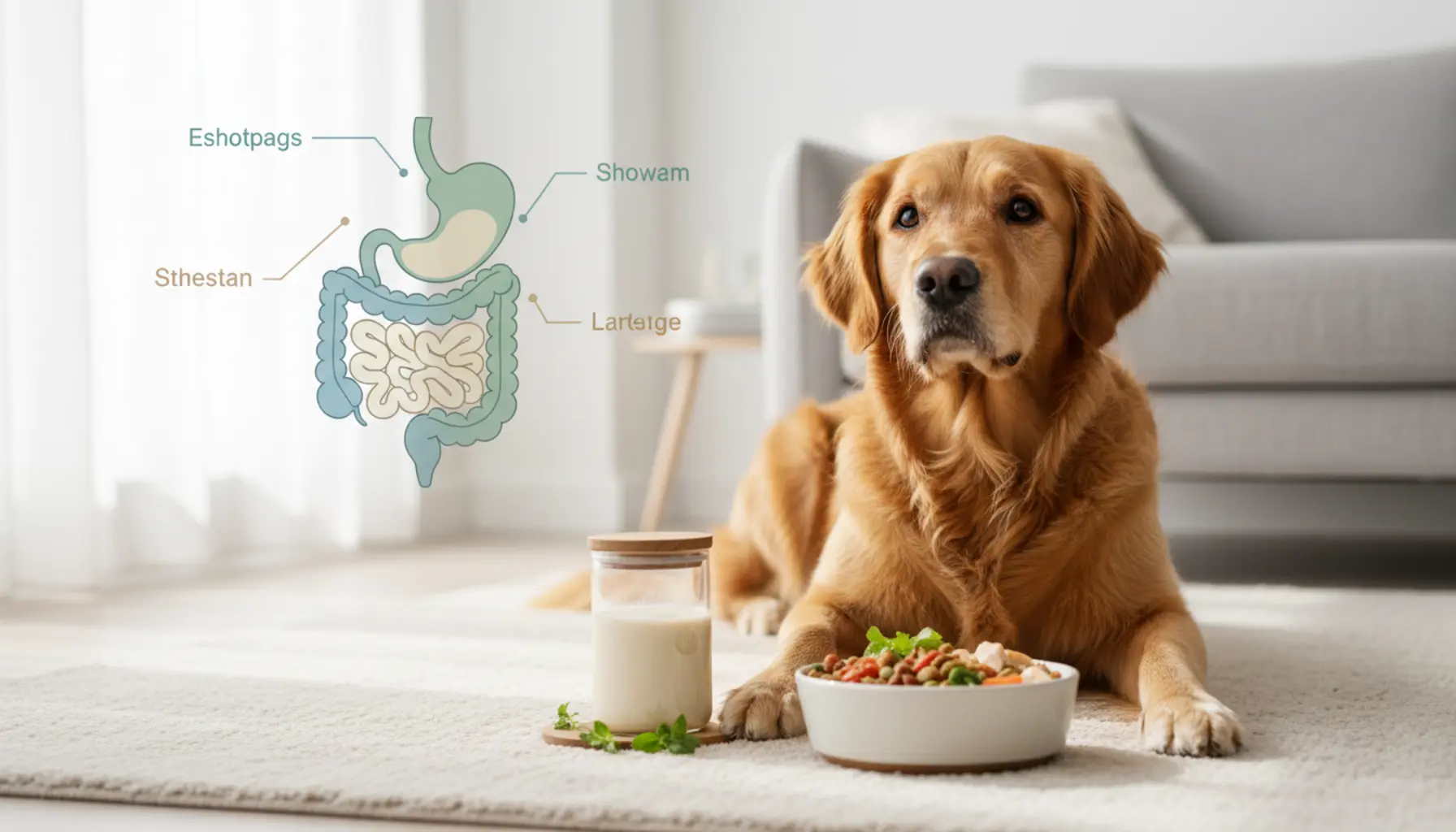
When choosing a food for dogs with sensitive digestive systems, special attention should be given to the presence and type of fiber, prebiotics, and probiotics. Soluble fiber (e.g., from beet pulp, psyllium, chicory) helps regulate stool consistency and feeds beneficial gut bacteria, while too much indigestible, insoluble fiber can mechanically irritate the intestines and increase stool volume. On the food label, look for additives such as FOS (fructooligosaccharides), MOS (mannan-oligosaccharides), inulin, or beta-glucans, which act as prebiotics and support the microbiome. For frequent diarrhea or after antibiotic therapy, it’s worth choosing food that contains both prebiotics and probiotics (e.g., particular strains of Lactobacillus, Enterococcus), but be aware that their effectiveness depends on stability in manufacturing and storage – ideally, the manufacturer should specify strain names and guarantee live cultures through the expiration date. Another criterion is protein: dogs with food hypersensitivity often tolerate foods with a single, more rarely used protein source (e.g., turkey, lamb, rabbit, fish) much better, making allergic reactions easier to identify and manage. Hydrolyzed proteins, also beneficial for highly sensitive dogs, have their molecules “cut” into smaller fragments, making them less likely to trigger an immune response, though these are usually specialty veterinary products. Consider whether dry, wet, or a combination of the two is better – dry food is convenient, easy to portion, and often gentler for dogs who like to chew, while wet food is usually more palatable and contains more water, which helps with hydration, though for some dogs prone to loose stools, it may worsen the problem if too fatty. Introducing new food gradually is also very important: the change should last at least 7–10 days, mixing old and new food and gradually increasing the proportion of the latter, so the intestinal microbiome has time to adapt. Also, check for artificial dyes, preservatives, and flavors – good-quality foods don’t need them, and they can additionally irritate the digestive tract in sensitive dogs. When choosing food, don’t just focus on marketing slogans on the package front, but above all on the back label with the complete composition and guaranteed analysis, as well as your vet’s recommendation, especially if your dog already struggles with chronic digestive problems or coexisting diseases.
Stomach Problems in Dogs: Symptoms and Solutions
Stomach problems are among the most common reasons for veterinary visits and can have very different causes – from simple “indigestion” to serious conditions requiring immediate intervention. The most frequent symptoms include: vomiting (single or recurring), loose stools or diarrhea, excessive rumbling in the stomach, belching, bloating, unpleasant mouth odor, pain when touching the abdomen, as well as changes in behavior – apathy, reluctance to play, irritability. Often, the first subtle signal is loss of appetite or picky eating when the dog suddenly loses interest in its favorite food. Acute stomach problems may show as drooling, frequent lip-licking, intense licking of the lips, eating grass, or suddenly withdrawing to a quiet place. Be sure to observe whether vomit or stool contains blood, undigested foreign bodies, or large food fragments – this information is important for your vet. Some dogs display chronic, less obvious symptoms: periodic soft stools, persistent “gurgling” in the stomach at regular times of day, alternating diarrhea and constipation, regular early morning vomiting on an empty stomach. Such symptoms should not be ignored, as they may indicate chronic gut sensitivity, mucosal inflammation, or food intolerances. It’s also crucial to notice exactly when flare-ups occur: after a food change, after giving certain treats, bones, dairy products, or fatty leftovers from the table. A repeated pattern of “the dog ate X and got diarrhea/vomited” is a valuable clue and should prompt you to eliminate that ingredient from the diet. Indirect symptoms, which can also be linked to the digestive system, include: a dull coat, itchy skin, recurring ear infections, or persistent bad breath – these do not always originate from stomach issues, but often accompany food allergies and intolerances that start in the intestines.
Solving stomach problems in dogs starts with correct diagnosis and observation. The first step should always be veterinary consultation, especially if symptoms come with apathy, fever, the presence of blood in stool or vomit, abdominal pain, sudden bloating (especially in large, deep-chested breeds), or persistent diarrhea and weight loss. At home, much can be achieved by adjusting the diet and removing irritants. With mild, short-lived disturbances after eating something unusual, vets often recommend a 12–24-hour food break (for a healthy adult dog), then several days of a bland, highly digestible diet – e.g., special veterinary food or cooked, lean meat with well-cooked rice or potatoes and a small amount of easily digestible fiber. It’s crucial to feed small, frequent meals instead of two large ones to avoid overloading the stomach. For dogs with recurring issues, a permanent change in feeding is key: choosing highly digestible food with a simple, readable composition, often monoprotein (single animal protein source), and based on bland carbohydrates such as rice or potatoes. Eliminate table scraps, bones (especially cooked), very fatty leftovers, spicy seasonings, large amounts of dairy, and “supermarket” treats with a long list of additives from the diet. Including prebiotics (e.g., FOS, MOS, inulin) and dog probiotics, which help rebuild gut microbiome after diarrhea, dietary change, or antibiotic therapy, can be helpful. For dogs who eat greedily, try slow-feeder bowls, dividing portions into 3–4 smaller meals, and avoid exercise immediately after meals, which reduces the risk of vomiting and dangerous gastric torsion in predisposed breeds. If you suspect allergies or intolerances as the cause, your vet may recommend an elimination diet – typically a special food with a new, previously untried protein source or hydrolyzed protein; such diets require strict adherence (no extra treats at all) for at least 6–8 weeks. Regardless of the cause, always provide access to fresh water, monitor body weight, and schedule regular screening exams – preventive check-ups – bloodwork, stool tests, and if needed, abdominal ultrasound help catch pancreatic, liver, or chronic gut inflammation or cancers early on, which often first manifest as simple digestive disturbances.
Healthy Nutrition for Dogs with Digestive Disorders
Feeding a dog with digestive disorders requires more careful attention than with a healthy pet, as any unsuitable ingredient can aggravate symptoms such as diarrhea, vomiting, bloating, or excessive gas. The foundation is choosing a light, easily digestible diet based on well-absorbed animal protein (e.g., chicken, turkey, rabbit, sea fish) and a moderate amount of gentle carbohydrates like rice, potatoes, or sweet potatoes. High digestibility is essential – the more nutrients the dog’s body can utilize, the less strain on the digestive tract and the lower the stool volume. For dogs with sensitive digestive systems, opt for “gastrointestinal,” “sensitive,” or “intestinal” foods from reputable manufacturers, which have precisely balanced levels of protein, fat, fiber, and functional additives. Try to limit the number of protein sources – monoprotein formulas reduce hypersensitivity risks and make it easier to observe which ingredients the dog reacts negatively to. Avoid low-quality raw materials such as vaguely described “animal derivatives,” as well as artificial dyes, flavors, and preservatives, which may worsen gut irritation. Consistency and stability in daily feeding are especially important – jumping between brands or food types drastically increases the risk of diarrhea, so changes must be made gradually, mixing the old and new foods over at least 7–10 days, and even longer for dogs with extremely sensitive stomachs. Also minimize “table extras” – dinner leftovers, fatty meats, sauces, seasonings, dairy, and flatulence-inducing foods (like cabbage or legumes) can heavily burden the intestines and disrupt the microbiome. Limit treats to no more than 10% of daily energy, ideally choosing those compatible with the main food (e.g., same brand, same protein), reducing unwanted digestive reactions. Properly chosen fiber is a key element of nutritional therapy – too little can cause constipation and unstable stools, while too much, especially insoluble fiber, can irritate the gut wall and worsen diarrhea. Moderate amounts of soluble fiber (beet pulp, psyllium, inulin) are often effective, acting as a “regulator” of bowel movements, binding excess water, and providing food for beneficial bacteria.
Supporting the intestinal microbiome is also vital for healthy feeding in cases of digestive disorders – prebiotics (like FOS, MOS, inulin) and probiotics (selected bacterial strains, e.g., Enterococcus faecium) help restore bowel flora balance after bouts of diarrhea, antibiotic therapy, or stress. Their presence in food or as supplements per your vet’s instructions can significantly decrease persisting digestive issues, stabilize stool consistency, and improve overall immunity. However, not every dog responds equally to a given probiotic set, so careful observation and adjusting supplements as needed are important. As crucial as ingredients is proper portioning – dogs with delicate stomachs often tolerate smaller, more frequent meals better, preventing overloading the stomach and stabilizing digestion; typically, the daily amount is split into 2–3 meals, and in more severe cases up to 4 smaller ones. Consistent feeding times regulate peristalsis and digestive secretion, reducing the risk of nausea or “empty vomiting.” Food texture matters, too – some dogs do better with wet food or soaked dry food (warm, not hot water), as it’s gentler on the stomach lining, while others need high-digestibility specialty dry food. For chronic or severe disorders, such as chronic enteritis (IBD), pancreatic insufficiency, or liver disease, prescription veterinary diets may be required, with precisely selected protein and fat types/levels, hydrolyzed proteins, minimized ingredients, and anti-inflammatory additives (e.g., omega-3 fatty acids EPA and DHA). Always ensure ongoing access to fresh water to prevent dehydration, particularly if diarrhea is likely. Veterinary supervision while modifying a dog’s diet ensures safe symptom management, enables necessary adjustments (e.g., protein source, fat content, food form), and allows you to monitor the dog’s response, ultimately aiming to stabilize digestive function and minimize relapse risk.
Prevention and Care: How to Maintain Your Dog’s Health
Preventing your dog’s digestive problems starts with daily, consistent care – routine, observation, and thoughtful feeding choices. Key is keeping a stable feeding model: meals at the same time, with similar portions, without abrupt changes in food type. Switching to new dog food should always be gradual, over 7–10 days, mixing the old with the new and increasing the latter daily. This allows the gut microbiome to adjust to different protein, fat, and carb ratios, minimizing risk of diarrhea, gas, and abdominal discomfort. Adjust the number of meals to your dog’s age and condition – puppies and sensitive dogs do best with several small meals a day, while healthy adults may get along with two. Offer food in a calm environment, away from other pets or noise, to avoid gobbling and swallowing excess air, reducing the risk of bloating and torsion, especially in larger breeds. Prevention also requires constant access to fresh, clean water, which supports digestion, proper stool formation, and protects from dehydration, which often accompanies vomiting or diarrhea. Monitor treat quality: treats should be an addition, not the basis of the diet, and should not exceed around 10% of daily calorie needs to keep energy balanced and avoid burdening the digestive tract with too much fat or sugar. Avoid table leftovers, spicy foods, cold cuts, fried meals, poultry bones, and typically toxic products (like chocolate, onions, grapes), as many lead not only to indigestion, but also to serious poisoning. Daily prevention also involves hygiene – bowls should be regularly washed, and food stored in a dry, cool place in a tightly closed container to prevent mold and bacterial growth. For dogs prone to eating “found” items on walks, practice commands such as “leave it” or “don’t touch,” and use a basket muzzle if needed to reduce the risk of swallowing trash, bones, poisonous plants, or unknown food remains. Weight control is also key – obesity increases susceptibility to inflammation, pancreas and liver problems, and disturbed bowel motility; regular weighing, portion adjustment, and treat reduction based on activity helps keep your dog in optimal condition. Maintaining an appropriate exercise level influences not just muscles and circulation but also the intestines: moderate, daily activity improves peristalsis, supports a healthy microbiome, and regulates bowel movements while acting as a stress reducer – and stress is a frequent trigger for diarrhea and vomiting in sensitive dogs.
In addition to daily diet and exercise routines, preventive veterinary care and conscious gut support with supplements and proper care play a huge role in maintaining digestive health. Regular check-ups at the vet – usually once a year, and for older or chronically ill dogs more often – help detect alarming changes early, such as weight loss, dehydration, muscle wasting, anemia, or abdominal pain, before serious digestive, liver, or pancreatic diseases develop. Current anti-parasitic prevention should be standard: deworming adapted to lifestyle plus periodic fecal checks for internal parasites, which often cause chronic diarrhea, bloating, and weakness. Always consult your vet before introducing any “diet plan,” especially home-cooked or trendy food models, to avoid vitamin-mineral deficiencies or protein/fat excess, which can overload the liver and pancreas. In dogs with sensitive digestive tracts or after bouts of diarrhea, antibiotics, or poisoning, using probiotic and prebiotic preparations – best those dedicated for dogs and scientifically tested – is helpful. Such microbiome support helps rebuild natural protection, improves digestion, and may reduce recurring GI episodes. Your vet may also recommend periodic use of “gastrointestinal” veterinary diets as part of long-term prevention, particularly in dogs with a history of gut inflammation, ulcers, or pancreatic disease. The psychological aspect is crucial, too: minimize excessive stress, ensure your dog has a quiet resting spot, avoid sudden major changes in routine (e.g., long periods of new loneliness), or work with a behaviorist if separation anxiety is an issue – these can markedly reduce “stress diarrhea” episodes. Take subtle signals seriously – changes in stool consistency or color, occasional but repeated vomiting, excessive lip-smacking, licking the floor, frequent “grass eating,” sudden loss of appetite, or on the contrary, increased hunger with weight loss – are reasons to consult a vet before reaching for home remedies. Keeping a health and feeding diary, noting the type of food, any dietary novelties, treats, episodes of diarrhea, vomiting, or bloating, can greatly aid diagnosis and help develop the best preventive strategy. Conscious, systematic care, combining the right diet, exercise, stress reduction, hygiene, and veterinary prevention, keeps your dog’s digestive system healthy for years and significantly reduces the risk of acute and chronic digestive issues.
Summary
A healthy dog’s digestive system is the key to its well-being. Sensitivity to digestive problems requires special attention when choosing a diet. Choose easily digestible foods rich in fiber and natural ingredients that support gut health. Be alert for potential symptoms and monitor your pet’s diet to prevent digestive disorders. Regular deworming and meal control are essential. Maintaining health requires proper prevention and knowledge to provide your pet with the best care possible.

