
Table of Contents
- Basset Hound – Origin and Breed History
- Appearance and Distinctive Features of the Basset Hound
- Character and Temperament: Basset Hound in the Family
- Training and Socialization of the Basset Hound
- Care and Health – What to Pay Attention To?
- How Much Does a Basset Hound Cost? Price and Maintenance Costs
Basset Hound – Origin and Breed History
The Basset Hound is a dog breed whose origin and history continue to fascinate dog lovers around the world. The Basset Hound originates from France, with its beginnings dating back to the Middle Ages, at a time when the demand for hunting dogs adapted to work in difficult conditions and dense undergrowth was growing in Europe. The breed’s name comes from the French word “bas,” meaning “low,” which perfectly reflects the distinctive body structure of these dogs. The first mentions of basset-type dogs appear in documents from the 16th century, where they are described as animals capable of tracking hares, rabbits, and other small game. The Basset Hound evolved from the French hound, and owes its unique features to selective breeding, aimed at creating a dog with short legs but a strong body, enabling it to move close to the ground and track scents even in the densest vegetation. These dogs quickly gained popularity among aristocratic hunters, who valued slow but extremely effective trackers.
Although the Basset Hound’s roots are in France, the breed truly flourished in Great Britain in the 19th century. British breeders, inspired by the French basset artesian-normand, began developing their own version of the breed, crossing it with the bloodhound – which greatly strengthened their scent abilities and gave them the distinctive long ears and wrinkled skin. Basset Hounds became favorites both among the upper classes and ordinary hunters, as their slow, yet persistent work allowed for safer and more efficient hunting on foot, without the need for horses. In 1874, the first Basset Hound was registered in the British Kennel Club’s stud book, and the breed quickly gained popularity even outside Europe, particularly in the United States, where it was registered by the American Kennel Club as early as 1885. Over the years, Basset Hounds have often been presented at dog shows and have become a symbol of the family dog with exceptionally gentle nature, while not losing their original tracking talents. Today, although the Basset Hound is rarely used for hunting, its unique appearance and friendly character still delight, making it one of the most recognizable scenthounds in the world.
Appearance and Distinctive Features of the Basset Hound
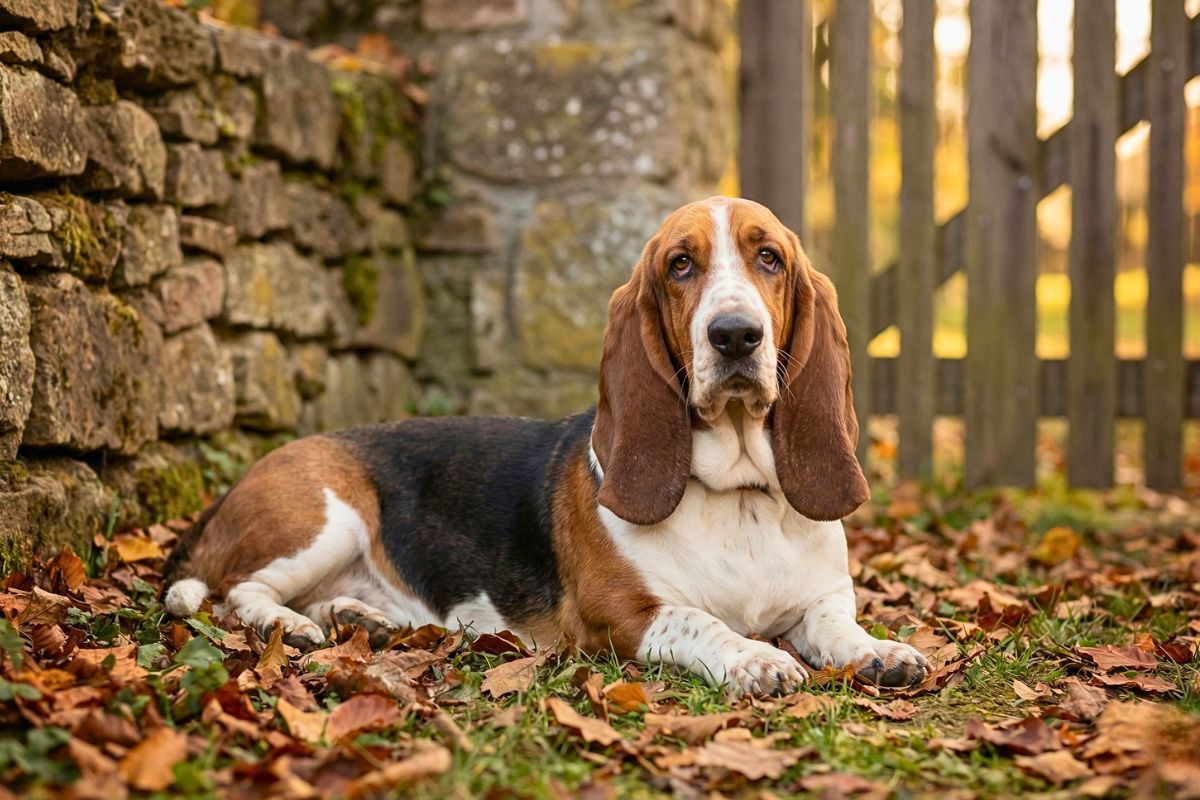
The Basset Hound is a dog breed that immediately stands out due to its extremely characteristic appearance. This breed has a long, massive body set on very short, strong legs, which are the result of a genetic mutation – chondrodystrophy. This low profile, combined with long, broad ears, makes the basset unmistakable for any other breed. The Basset Hound’s head is relatively large, with a dome-shaped forehead, a strongly developed occipital protuberance, and the skin on the head and under the neck forms abundant wrinkles and the characteristic dewlap, giving the dog an endearing, melancholy expression. The eyes are dark brown or hazelnut, deeply set, often giving a sad impression, yet subtle and intelligent. The characteristic figure of the basset, which may seem slightly disproportionate because of the very short limbs in relation to the length of the body, is in fact perfectly adapted for working in terrain – this dog can track for long periods, slowly but steadfastly following a scent even through dense brush or challenging woodland. The basset’s coat is short, smooth, and stiff, making it easy to care for and protecting the dog from moisture and dirt during long walks. Regarding color, tricolor basset hounds (black, white, and tan) or bicolor (lemon and white, mahogany and white) are most common, but other color variants within the breed standard are also accepted. The basset’s tail is long, strong, and broad at the base, usually carried arched and slightly upwards, covered with coarser, stiffer hair – this “flag” often remains visible when the dog is working in tall vegetation. The whole build of the Basset Hound, including a deep chest and well-sprung ribs, gives it endurance and strength, but due to specific proportions, the breed requires special care for its joints and spine.
Besides its undeniable, unique appearance, the Basset Hound is distinguished by a very specific temperament and set of psychological traits. These are extremely gentle, friendly, and devoted dogs. They are renowned for their great patience, pleasant disposition, and relatively calm temperament – making them excellent family dogs, including households with children. Bassets are naturally somewhat phlegmatic, but that does not mean they are lazy – on the contrary, they can be very lively, especially during walks or playtime outdoors. However, at home, they appreciate a comfortable bed and a peaceful nap. They have a remarkable sense of smell – second only to the bloodhound. They have a strong hunting instinct, which means that on walks they might try to track and may “go deaf” to the owner’s commands if they’ve caught an interesting scent. Despite this, bassets are sensitive, gentle, and very attached to people – they do not like solitude and will not do well if left alone for long periods. Their calm, gentle nature makes them easily socialize with other dogs and they generally accept other household pets. They rarely show aggression, but can be stubborn – especially during training, they can use their stubbornness and natural intelligence to achieve their own goals. These are very emotional dogs, who remember both good and bad experiences for a long time, so they require patience and consistency in upbringing. The Basset Hound is known to be loud – producing a characteristic, deep bark, especially when bored or strongly emotional. Although not particularly active indoors, bassets need regular exercise and varied walks to stay in condition, avoid obesity, and prevent health issues stemming from their body structure. Their unique, charming appearance, combined with a cheerful and gentle temperament, means they remain popular not only as household and family dogs, but also as companions for older people or children.
Character and Temperament: Basset Hound in the Family
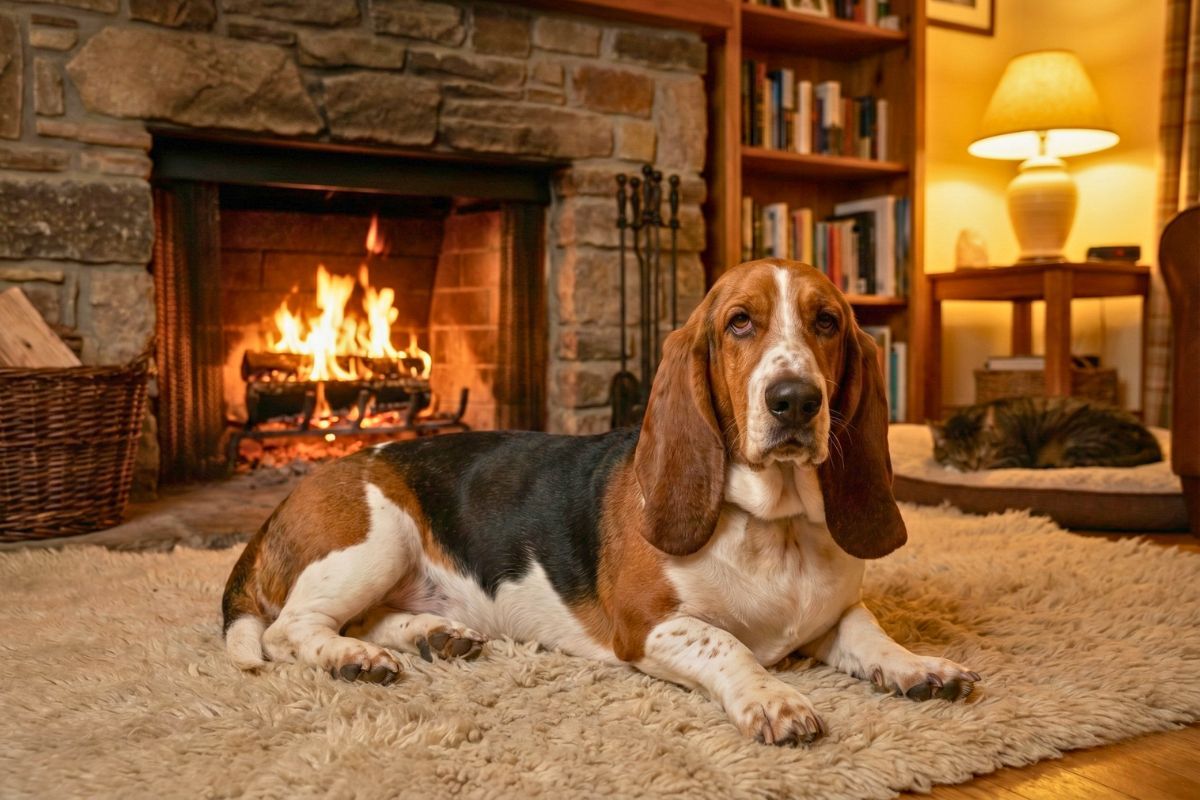
Basset Hounds stand out for their exceptionally gentle, calm character, which, combined with their high sensitivity, makes them excellent family dogs. Their temperament is a harmonious mix of calmness, friendliness, and a unique stubbornness that can be both a source of amusement and a challenge during upbringing. Basset Hounds form a strong bond with their carers and love close contact with the family – often following their people everywhere, seeking affection and human presence. These are dogs that feel best in a calm, predictable environment, where relationships are based on patience and understanding. One of the most distinctive traits of the breed is their need for company and dislike of solitude – when left alone for too long, they can become sad or develop destructive behaviors, such as persistent barking or chewing household objects. The basset’s sensitive psyche appreciates routine and stability – major changes, excessive noise, or physical punishment can negatively impact their well-being and even lead to behavioral problems. In relationships with children, Basset Hounds are very patient and gentle; rarely reacting impulsively or aggressively. Their robust build makes them resistant to a child’s sudden movements, but it is always important to teach respect for the dog and to supervise interactions, to prevent accidental injury. Families with other dogs or pets can confidently choose a Basset Hound – dogs of this breed usually bond easily and do not display tendencies to dominate or compete for food or attention. They are often mellow and subtle, not demanding to be first, instead patiently waiting for their turn for cuddles or play. Their natural empathy makes them sensitive to family members’ emotions, often showing concern in times of their caretaker’s sadness or illness.
At the same time, Basset Hounds can be stubborn and independent – qualities inherited from their hunting ancestry, where they often had to rely on their nose and own instincts, ignoring human commands. In domestic circumstances, this manifests as reluctance to obey commands, especially if they see or smell something more interesting; consistency in training and positive motivational methods (treats, praise, play) are key to success. They are somewhat phlegmatic dogs – rarely overly active or impulsive, preferring calm walks and observing their surroundings to intense running or retrieving. Still, during outdoor play, they can surprise with a quick dash or sudden liveliness. The basset’s sense of smell is exceptionally powerful – they can “disappear” mentally for long moments, tracking a scent and forgetting everything else. For this reason, fencing the yard and leashing the dog when off-property is important to prevent escapes. Despite their independence, Basset Hounds are not dominant or aggressive – even with strangers or unfamiliar animals, they’re open and friendly. Their excessive hospitality, however, may encourage would-be intruders – bassets are rarely good watchdogs, although their loud bark can serve as a warning. Their voice is deep and low, which, combined with their melancholy look, easily wins over those around them. Long hours of lazy naps on the couch, yearning glances, and incredible patience make them excellent life partners for families with children, older people, and singles seeking a peaceful, friendly household atmosphere. While this breed is not suitable for those expecting exceptional obedience or sporting prowess, their loyalty, intelligence, sense of humor, and gentleness will charm anyone seeking a companion and daily emotional support.
Training and Socialization of the Basset Hound
Training a Basset Hound is a process that requires patience, understanding, and above all consistency on the part of the owner. These dogs are intelligent, but their innate stubbornness and independence, stemming from their hunting past, can pose a challenge to novice owners. It’s best to start training from the first weeks after the puppy arrives home, using positive methods – treats, petting, or praise. Basset Hounds respond best to short, regular training sessions, which avoid boring the dog and help maintain its interest. The key is to avoid harsh methods or punishment, as these dogs are very emotionally sensitive – negative approaches can cause regression in development and even behavioral problems. One of the biggest challenges in obedience training is the distraction caused by interesting scents, which easily divert a Basset Hound from its owner – it’s therefore recommended to train the dog in low-distraction environments at first, gradually increasing the difficulty. Recall is a particularly important skill to master, as it can save a dog in dangerous situations on walks. Because of their stubbornness, repetition and patient motivation are key – firmness and an understanding of their temperament are essential. Clicker training and regular rewards for desirable behavior are helpful, not only strengthening the bond but also encouraging collaboration.
Socialization of the Basset Hound plays an extremely important role in its balanced psychophysical development. The puppy stage, specifically between 3 and 16 weeks of age, is the most sensitive for learning new stimuli, meeting people, other animals, and various environmental situations. At this time, the dog should be exposed to as wide a range of experiences as possible – visiting new places, meeting children, adults, and seniors, and contact with other dogs, so that the basset learns to react calmly and non-aggressively. It’s important that all interactions occur in controlled and safe circumstances for both the puppy and the environment. Gradual introductions to stimuli such as street noises, traffic, cars, bikes, or even vacuum cleaners or hairdryers, help bassets develop noise immunity and prevent sound phobias. Regular meetings with dogs of different temperaments teach the Basset Hound proper social communication and control of emotions in a group, minimizing risks of future social issues. Socialization should also involve learning to stay home alone for short periods – avoiding problems associated with separation anxiety, to which this breed is particularly prone. Remember, Basset Hounds are sensitive to the home atmosphere, so a positive, calm environment and a consistent, gentle training approach build the dog’s sense of security. Puppy classes or working with a behaviorist can be very helpful, especially if the dog shows adaptation difficulties or strong independence. The more positive experiences provided to the puppy, the greater the chance it will grow into a well-balanced, confident, and friendly adult, ready for life in various conditions, from large cities to multi-pet households. Remember, both training and socialization should be ongoing throughout the dog’s life – only then can you guarantee its mental well-being and healthy relationships with its environment.
Care and Health – What to Pay Attention To?
The Basset Hound is a breed whose famous appearance goes hand-in-hand with several unique care and health requirements, crucial for ensuring the dog’s comfort and keeping it in top condition for years to come. Basset Hound care must include regular attention to the coat, which, though short, is dense and close-fitting – requiring systematic brushing, preferably 1–2 times per week, to remove dead hair and prevent dust and dirt buildup. Despite a sparse undercoat, this breed sheds year-round, especially in spring and autumn, which may require more frequent brushing. Special attention must be paid to skin folds – particularly around the muzzle and neck, as these areas are prone to moisture and dirt, which in combination with warmth can lead to bacterial and fungal infections. It’s recommended to regularly wipe folds with a damp, soft cloth and carefully dry the skin after bathing or walks in the rain. Basset Hounds do not require frequent baths; once every 2–3 months or after getting very dirty is sufficient, always using gentle shampoos suited for sensitive dog skin. The ears are an extremely important aspect – long, massive, and hanging, they not only give bassets their characteristic charm but also tend to collect dirt, moisture, and wax. It’s recommended to clean the ears weekly with a veterinary solution and regularly check for redness, odor, or discharge that may signal ear infections. Similarly, eye care is important, as eyelid laxity and skin folds can cause irritation and infection; the eyes can be cleaned with a damp cotton pad to remove discharge and prevent tearing.
Basset Hounds are also prone to specific diseases that responsible owners should monitor closely. The most common include musculoskeletal problems, especially with the spine (disc disease, degenerative conditions), stemming from the long body and short legs. Avoiding obesity, which puts extra strain on the joints and spine, is absolutely essential – a managed diet is vital. In daily life, regular but not intensive exercise is important to prevent overexertion: basset hounds should walk regularly, but without strenuous effort or jumping up stairs, which could injure the back. Basset Hounds are also predisposed to gastric torsion (bloat), which is a life-threatening emergency – it’s best to feed the dog two or three small meals daily and avoid intense activity immediately before or after eating. Regular vet checkups (once or twice a year) will catch worrying signs from digestion and the cardiovascular system (valve defects, heart disease), to which the breed is prone as it ages. Common eye conditions like entropion (inward-rolling eyelid) or ectropion (outward-rolling eyelid) require vigilance and sometimes surgery. Additionally, these dogs can suffer from skin allergies or sensitivity to some food ingredients – it’s important to watch your dog’s skin and consult a vet if problems arise. Nail maintenance is equally important, since with their limited activity, the nails don’t wear down on their own – too-long nails can make walking difficult and cause paw deformities. Lastly, don’t forget oral hygiene: basset teeth are prone to tartar buildup, especially since these dogs enjoy treats and tend to chew food slowly. Regular teeth brushing, dental treats, and vet checks will help keep the mouth healthy and prevent periodontal disease. Adequate activity, weight management, regular grooming habits, and frequent vet contact form the basis for a healthy, long life for every basset – dogs of this breed reward dedication and a cheerful spirit, but require knowledgeable and consistent care at every stage of life.
How Much Does a Basset Hound Cost? Price and Maintenance Costs
The Basset Hound is a very popular breed among dog lovers, which means its price can be relatively high compared to less well-known breeds. The cost of a Basset Hound puppy from a reputable breeder registered with the Polish Kennel Club (ZKwP) or international FCI federation usually ranges from 4,000 to 8,000 PLN, but the most prestigious kennels, offering puppies with perfect lineage, pedigree, and health-tested parents, may charge even over 10,000 PLN. The price depends on many factors: kennel reputation, show achievements of the stud dogs, lineage, conformation, and rarity of color. Beware of seemingly attractive offers from illegal breeders or puppy mills – a lower price often means the lack of a pedigree, uncertain puppy health, and unethical conditions. Remember, buying a dog is not only an investment in a friend for years to come but also in their welfare and your own peace of mind. The purchase price is just the beginning of expenses – add to that a range of costs associated with adapting the dog to its new home. In the first weeks after arrival, you’ll need a bed, crate, bowls, collar, leash, harness, car carrier, and toys, which may cost 500–1500 PLN. The initial vet visit, vaccinations, deworming, and microchipping will be another 200–500 PLN, depending on the location and clinic. If you opt for spaying/neutering, the cost is another 400–1000 PLN.
Keeping a Basset Hound involves monthly expenses that should be considered before buying this breed. The main monthly cost is high-quality food, adapted for a dog with moderate activity and prone to weight gain – good dry food costs around 120–250 PLN/month, depending on the brand and package size, and special veterinary diets may be even higher. Regular costs also include care products: shampoos, ear cleaners, skin fold wipes, and toothpastes, which total around 20–50 PLN/month. Preventive vet visits, annual vaccinations, deworming, and flea and tick protection amount to another 400–800 PLN per year. Basset Hounds are prone to specific health problems – disc disease, eye problems, ear infections, and skin issues, so unplanned medical expenses should be anticipated – consultations, meds, or procedures may run from a few hundred to several thousand PLN per year, depending on the illness and care required. Consider getting a health insurance policy for your dog – these are increasingly popular and cost from 200 to 500 PLN per year, helping to reduce sudden, high expenses. Another aspect is care during trips – dog hotel stays are typically 40–80 PLN per day. Professional grooming visits in case of problematic coats or ear inflammations are about 50–100 PLN per visit. Accessories like new toys, training treats, and replacing beds a few times a year may mean extra costs in the hundreds of PLN. Summing up all regular expenses, monthly maintenance of a Basset Hound usually falls in the 200–400 PLN range, but in the case of complex medical needs, this can be much higher. Don’t forget about unforeseen expenses, such as emergency treatment, private training, or investing in items that improve comfort and safety, like ramps for the car or orthopedic dog beds.
Summary
Basset Hound is a unique breed that captivates not only with its distinctive appearance but also with its calm and friendly nature. Their gentle temperament and tolerance for children make them the ideal family companion. Consistent, patient training and meticulous attention to health and regular grooming are essential. Before buying, it’s worth learning about the maintenance costs and requirements of the breed to ensure your Basset Hound enjoys a long, happy, and healthy life. Choosing this dog means gaining a faithful friend for many years to come.

