

Autumn and winter are times when dogs are particularly exposed to infections and a drop in immunity. Learn how to care for your pet through diet, exercise and grooming so they stay healthy even in cold months.
Table of contents
- Why does a dog’s immunity drop in the autumn-winter period?
- Optimal diet supporting a dog’s immunity
- The importance of physical activity and play for a dog’s health
- Supplements and vitamins – when is it worth using them?
- Coat care and protection against the cold
- The role of prevention and veterinary visits
Why does a dog’s immunity drop in the autumn-winter period?
Autumn and winter are periods of increased adaptive effort for a dog’s body. Sharp temperature fluctuations, shorter days, higher air humidity and more frequent contact with pathogens mean the immune system is much more burdened than in summer. Low temperatures cause constriction of blood vessels in the skin and mucous membranes, which can temporarily weaken local defense mechanisms – making it easier for viruses and bacteria to enter through the respiratory tract. Additionally, dry, heated indoor air dries the mucous membranes of the nose, throat and bronchi, hampering their natural function of filtering and trapping microorganisms. A dog that frequently moves between extreme conditions (cold and damp outside, warm and dry air indoors) experiences continuous micro-thermal stresses, and each such stress signals the body to mobilize defensive forces at the expense of other regulatory functions. In winter, drafts are also more common – tilted windows, stairwells or public transport – which promote local cooling and increase susceptibility to upper respiratory infections. During this period, the environmental load of viruses and bacteria also rises: more dogs cough, sneeze, have runny noses or show symptoms of a “dog cold”, and a higher number of sick animals in the park, a dog hotel or a puppy daycare means increased exposure risk for your pet.
Changes in a dog’s lifestyle also contribute to reduced immunity in autumn and winter. Shorter days and often worse weather (rain, snow, mud) discourage owners from longer walks, so many dogs get less exercise than in summer. Lack of physical activity leads to poorer condition, overweight and even obesity, which strongly burden the immune system and promote inflammatory states. At the same time, dogs spend more time indoors, where air quality is often lower – dust, household allergens, mold spores and pollutants from cigarette smoke or fireplaces increase; all of this can irritate the respiratory tract and facilitate the development of infections. In the autumn-winter season diets also change: some owners spontaneously increase portions thinking that “the dog needs to eat more to keep warm”, while others do not adjust the diet to reduced activity, which promotes weight gain. If the food is of poor quality, low in complete protein, omega-3 fatty acids, vitamins (especially A, E, B-group) and minerals (zinc, selenium), the body has less “building material” and fewer tools to mount an effective immune response. It’s also worth remembering the seasonal lack of sunlight – shorter days disrupt circadian rhythm, worsen sleep quality and increase apathy tendencies, both in humans and animals. Chronic stress, associated for example with changes in daily routine (the start of the school year, more trips, holiday bustle, New Year’s fireworks), can raise a dog’s cortisol levels, a stress hormone that, when persistently high, weakens defense functions and predisposes to more frequent infections. This effect is especially visible in puppies and older dogs: puppies are still building their immune systems and until the vaccination cycle is complete are particularly vulnerable to pathogens, while seniors naturally experience weakened immunity with age, and coexisting chronic diseases (e.g., heart, kidney, joint disease, diabetes) further burden the body. Autumn and winter are also seasons of increased smog, which irritates the dog’s respiratory tract, promotes mucous membrane inflammation and can worsen the course of existing allergies or respiratory diseases. All these factors – cold, damp, dry and polluted indoor air, less exercise and sunlight, dietary changes and increased stress – compound each other, leaving a dog’s body with fewer resources to effectively fight viruses and bacteria in this demanding autumn-winter period.
Optimal diet supporting a dog’s immunity
The canine immune system resides in the gastrointestinal tract in over 60–70%, so what goes into the bowl directly affects the body’s ability to fight viruses, bacteria and parasites. In autumn and winter it’s worth making sure the diet is not only complete but also truly strengthens the gut barrier, microbiome and immune responses. The basis is good-quality animal protein – meat, offal, fish – which provides essential amino acids (including lysine, methionine, arginine) needed to build antibodies and immune cells. Choose foods where meat or fish is listed first in the ingredients, not grains or ambiguous “animal-derived products”. Many dogs also burn more energy to maintain warmth in autumn and winter, especially lean, active and small breeds, so a slight increase in caloric intake (by 5–15% depending on lifestyle) can help maintain optimal body weight – and it is underweight and overweight dogs that fall ill more often. Proper fat nutrition is also key: besides animal fats (e.g., from poultry, salmon, duck), include sources of unsaturated omega‑3 fatty acids such as salmon oil, krill oil or high-quality cod liver oil. EPA and DHA have anti-inflammatory effects, support the immune system, the heart, and also skin and coat – which is important when dry air and temperature changes weaken the skin barrier. Dose adjustment is important: too much oil can cause diarrhea, so supplementation is best decided with a veterinarian and introduced gradually into the diet.
The autumn-winter diet should also be rich in vitamins and minerals involved in immune processes. Vitamin A supports the mucous membranes of the respiratory and digestive tracts, forming the first line of defense against pathogens; B vitamins are necessary for proper nervous system function and energy production; vitamins C and E act as strong antioxidants protecting immune cells from oxidative stress. Dogs synthesize vitamin C internally, but under increased load (stress, illness, intense effort) additional dietary sources can be helpful – such as berries, rosehip, parsley or veterinary preparations. Zinc, selenium, copper and iron are also very important: zinc affects skin condition and tissue regeneration, selenium and copper are part of antioxidant enzymes, and iron is essential for proper tissue oxygenation. In winter special attention is paid to vitamin D3, whose natural skin synthesis is limited by short days – most complete diets contain it, but with home-cooked or BARF diets professional balancing is necessary because both deficiency and excess can be harmful. Appropriate fibre and prebiotics are important for immunity too, as they “feed” beneficial gut bacteria: inulin, FOS (fructooligosaccharides), MOS, flaxseed or vegetables (carrot, pumpkin, parsnip) help stabilise gut function, which translates into better immunity. Some dogs also benefit from veterinary probiotics with specific strains (e.g., Enterococcus faecium), which are documented to support the immune system and shorten the duration of diarrhoea, common with sudden temperature changes or dietary errors. Consider adding natural “superfoods” for dogs such as brewer’s yeast (a source of B vitamins and beta‑glucans with immunomodulatory effects), flaxseed or linseed oil (plant omega‑3s and mucilage that soothe the digestive tract), berries or unsweetened cranberries (antioxidants, urinary tract support). Regardless of the chosen feeding method (dry food, wet food, cooked diet or BARF), the autumn-winter diet should primarily be stable without frequent abrupt changes, because sudden food rotations weaken the gut and promote diarrhoea. Any modification – including switching to a “winter” higher-calorie food, adding supplements or functional products – should be introduced gradually over 7–10 days while observing the body’s reaction. It’s also good to limit empty calories from excessive treats, cookies or table scraps that disturb meal balance, promote weight gain and can exacerbate inflammation. The final composition of an immunity-supporting diet should be consulted with a veterinarian or animal nutritionist, especially if the dog has chronic diseases, food allergies or is in a risk group (puppy, senior, pregnant or nursing female), because nutritional needs significantly change in these cases.
The importance of physical activity and play for a dog’s health
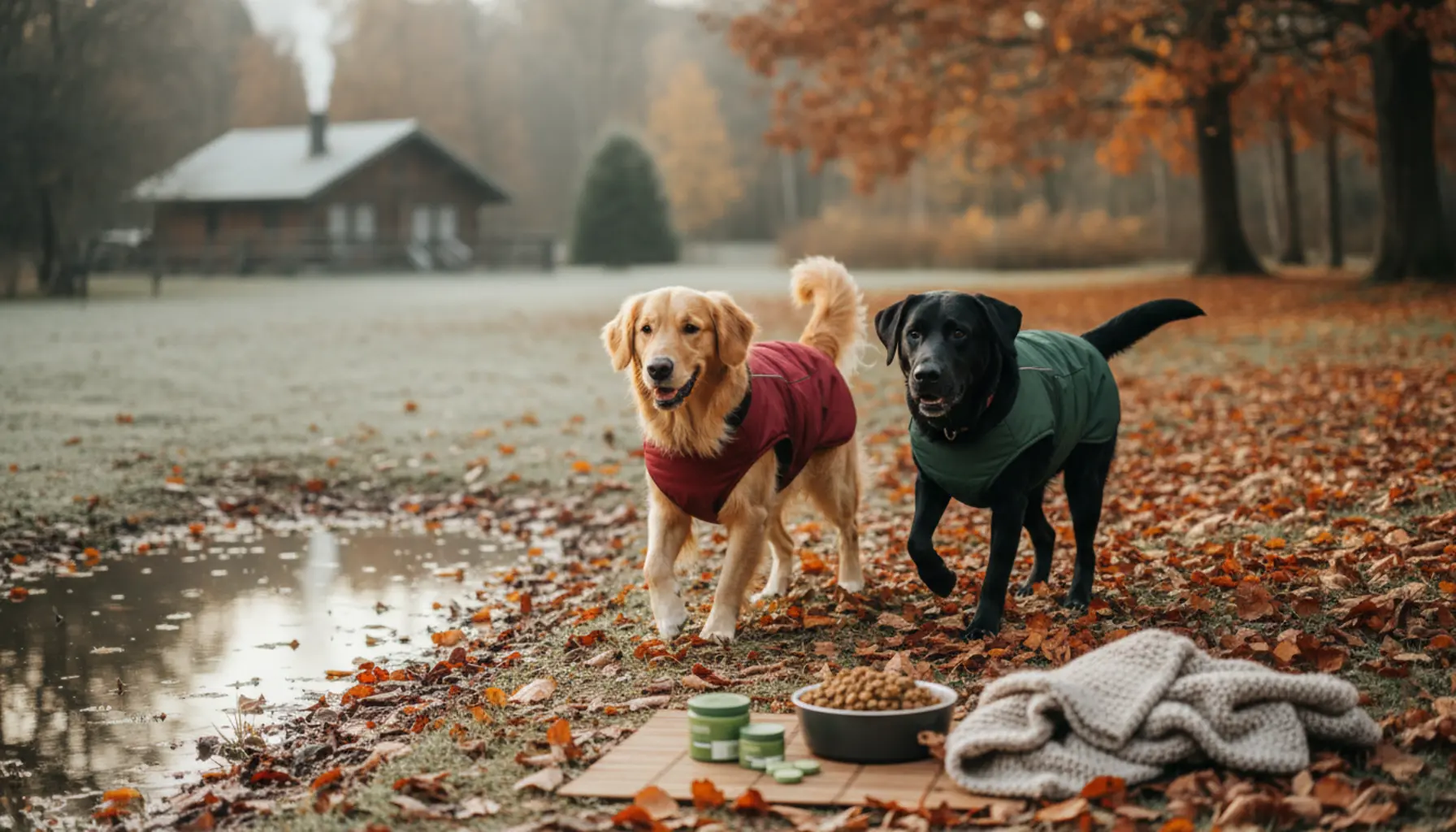
Exercise and play are as important for a dog as a balanced diet or regular veterinary visits – especially in autumn and winter when activity naturally decreases and the body is exposed to greater stress and pathogen contact. Physical effort directly affects the cardiovascular and respiratory systems, improves tissue oxygenation and supports thermoregulation, allowing the dog to better tolerate low temperatures and weather fluctuations. Movement increases blood and lymph circulation, facilitating transport of immune cells throughout the body and helping to respond more quickly to potential threats like viruses or bacteria present in the environment. Regular moderate walks also reduce the risk of overweight and obesity, which are more common in autumn and winter – partly due to less activity and partly due to owners’ tendency to “overfeed” pets with snacks. Excess body weight promotes inflammation, burdens joints, the heart and the respiratory system, weakening the body’s ability to fight infections; therefore exercise is one of the key elements strengthening immunity in colder months. Physical activity also has a huge impact on a dog’s mental condition – limiting walks to a quick “toilet break” leads to boredom, frustration, accumulated stress and behavioural problems such as excessive barking, destructive behaviour at home or leash aggression. Elevated, chronic stress levels are one of the most important factors weakening the immune system, as stress hormones (including cortisol) disrupt normal immune cell function. Therefore an appropriately tailored dose of exercise combined with varied play acts as a natural “antidepressant” – the dog can expend energy, satisfy instincts, strengthen the bond with the owner and feel secure, which translates into better immunity and overall balance. In colder seasons remember that activity should be adjusted to the dog’s age, breed, health and coat: puppies, seniors, short-haired dogs and those with heart, joint or respiratory diseases require shorter but more frequent walks and extra protection (e.g., clothing protecting from wind and damp), while sled or very energetic breeds need deeper physical work – longer marches, running alongside a bike or more intense play, but always at a reasonable pace and under control.
In the autumn-winter period a creative approach to activity is especially important because shorter days, worse weather and slippery surfaces often discourage long outings. Instead of giving up exercise, modify its form and structure: it’s better to go on several shorter, more dynamic walks during the day than one very long one where the dog and owner get chilled to the bone. During such outings you can include obedience training elements (sit, stay, recall, heel), mini-tracking games (hiding treats in grass, leaves or snow), fetching or overcoming simple obstacles (low curbs, fallen branches, safe snowdrifts), which additionally stimulate the dog’s mind and increase satisfaction with activity. Don’t forget indoor games, invaluable on days with extremely unfavourable weather: snuffle mats, treat balls, puzzle toys, learning new tricks or short training sessions using positive reinforcement methods (rewards, praise) help mentally tire the dog, which is often as effective as a long walk. Intellectual effort combined with movement – e.g., an obstacle course made of cushions and chairs at home, hide-and-seek with the owner or other household members, searching for toys by scent – develops the senses, improves coordination, builds confidence and reduces tension, thus supporting the immune system. Safety is also important: slippery sidewalks, ice, road salt or deep frozen snow increase the risk of paw and joint injuries, so after walks check the paw pads, rinse them from salt and mud, dry them and, if necessary, use protective balms or dog boots. Running too intensely on icy surfaces, sudden turns and jumps that strain joints and ligaments are not recommended – instead choose controlled play with breaks for rest and warm-up before greater effort. Remember proper “cool-down” after activity in the cold: upon returning to a warm home the dog should not immediately lie by a radiator or fireplace but gradually acclimatise to higher temperature and drink lukewarm water to avoid abrupt changes and additional strain on a body already working hard to maintain proper temperature. All this makes well-planned activity and varied play – both outdoors and indoors – one of the most important pillars of canine health prevention in the autumn-winter period, affecting not only physical condition but also mental well-being and natural immunity.
Supplements and vitamins – when is it worth using them?
A properly balanced, complete high-quality diet covers a healthy dog’s needs for vitamins and minerals in most cases, also in autumn and winter. That said, supplements are not unnecessary – in certain situations they can truly strengthen immunity, support the body during increased burden, and help recover faster after illness. The key rule is prudence and consultation with a veterinarian before introducing any products, especially if the dog is taking medications, belongs to a breed predisposed to specific diseases (e.g., joint, heart, allergy issues) or already has diagnosed chronic conditions. Excess of some vitamins (e.g., fat-soluble A, D, E, K) can be as dangerous as their deficiency, causing liver, kidney or bone disorders. In the autumn-winter period special attention is paid to vitamin D3, naturally synthesised under UV exposure. Shorter days, less time in sunlight and cloudy weather can lead to deficiency, affecting immunity, calcium-phosphate balance and general condition. In practice, most good-quality commercial diets include vitamin D in doses based on nutritional standards, so supplementing it “just in case” without control tests is not recommended. Consider additional administration mainly for dogs on home-cooked diets (BARF or cooked meals) after measuring blood vitamin D3 levels and for animals with chronic diseases, where a veterinarian will set a safe dose. Be cautious with multivitamin supplements as well – combining them with a complete diet may lead to accumulation of some components and overload the body. From an immunity perspective, supplements that influence the gut microbiome, mucosal barrier and immune response quality are extremely important. This mainly concerns probiotics (live, selected strains of “good” bacteria) and prebiotics (substances feeding these bacteria, e.g., fructooligosaccharides, inulin, MOS). In the autumn-winter period, when gastrointestinal disturbances are more frequent and dogs are exposed to stress (e.g., longer alone time, less exercise, changed walking routines), including probiotic preparations can stabilise gut function, mitigate antibiotic side effects and reduce the risk of infectious diarrhoea. Well-chosen probiotics can also shorten disease duration and improve vaccine response, so they are often used prophylactically in particularly sensitive dogs – puppies, seniors and animals after infections. Omega-3 fatty acids (EPA and DHA) from marine fish oil or krill are equally valuable. They have strong anti-inflammatory effects, support the immune, cardiovascular and nervous systems, and improve skin and coat condition, which in cold seasons is the primary protective barrier against the cold. Supplementation can help dogs with skin allergies, chronic joint inflammation, autoimmune diseases and dogs fed diets low in these fatty acids. Choose products from reputable manufacturers with documented EPA and DHA content and purity certificates (low heavy metal content). In autumn and winter, consider supplements with antioxidants – vitamins C and E, coenzyme Q10, and natural plant extracts like turmeric, milk thistle, green tea or rosemary. They help neutralise free radicals formed during inflammatory reactions, oxidative stress and exposure to air pollution, which can be particularly high in winter (smog). Although dogs synthesise vitamin C themselves, additional sources are sometimes used in states of increased load, especially in chronic disease or convalescence, always in doses recommended by a veterinarian. For immunity, many owners choose products with beta-glucans, lysine, Echinacea or aloe vera. Natural immunomodulators can gently support the immune system, stimulating a quicker response to pathogens. They require sensible use – not every dog needs them, and in autoimmune or cancerous conditions their administration must be carefully controlled by a specialist to avoid disturbing the balance between defensive response and risk of excessive immune activation. In practice, daily supplementation is particularly justified in some typical situations: in puppies during intensive growth and post-vaccination, in older dogs whose regenerative and metabolic functions are weakened, in working, sporting and very active dogs with increased nutritional needs in colder months, and in animals after surgery or long-term therapies when the body needs extra support. Finally – in autumn and winter consider joint-support supplements containing glucosamine, chondroitin, MSM, collagen or extracts from New Zealand mussels, because slippery sidewalks, low temperatures and reduced activity can exacerbate pain and stiffness, indirectly affecting immunity through chronic stress and inflammation. Always start with a thorough analysis of diet, lifestyle and health status, treating supplements as precise, well-thought-out additions, not substitutes for healthy feeding, exercise and regular veterinary prevention.
Coat care and protection against the cold
In autumn and winter a dog’s coat functions as a natural “jacket”, so proper grooming directly affects immunity and the body’s ability to maintain the right temperature. Regular but sensible brushing is key – for most dogs at least 2–3 times a week, and for long-haired breeds even daily. Removing dead undercoat allows the skin to breathe, improves circulation and helps evenly distribute the natural protective sebum layer, which protects the skin from drying and cold air. Unbrushed, matted fur insulates worse, retains moisture and mud, promoting cooling and skin irritation. For short-haired dogs gentle massaging with a special glove or a rubber brush is equally important as it stimulates microcirculation and strengthens the skin barrier. During autumn and winter reduce bathing frequency – too frequent washing, especially with harsh shampoos, removes natural lipids and weakens the skin’s protective function, increasing susceptibility to bacterial and fungal infections. Usually a full bath every 4–6 weeks is sufficient unless the dog gets heavily soiled; then spot cleaning with a mild dog shampoo or grooming wipes is better. Always thoroughly dry the coat after bathing – going for a walk with a wet coat in low temperatures is a sure way to cause a chill. For sensitive, older or immunocompromised dogs consider leave-in conditioners and skin-moisturising preparations (e.g., with borage oil, evening primrose or panthenol) that help maintain epidermal elasticity and counteract the itching typical of dry heated air. Adjust grooming to coat type – wire-haired breeds often require hand-stripping to maintain proper hair structure and its insulating properties, while breeds without undercoat (e.g., Yorkie, Maltese) need thorough drying and protection from wind and moisture.
Protection against the cold involves more than coat care; it’s a set of daily habits related to going outside and staying indoors. Short-haired breeds, miniature dogs, seniors, sick dogs (especially with heart, kidney or joint diseases) and puppies often require additional protection in the form of clothing – jackets, sweaters or coveralls. Choose well-fitted models that do not restrict movement, do not rub at the groin or armpits, and are made of breathable yet wind- and water-resistant materials. Clothing should not overheat the dog during dynamic walks, so opt for layers – a thinner top under a lighter waterproof jacket works well in rain or snow. Paw protection is equally important: contact with road salt, ice and very cold, wet ground causes microcracks in paw pads, painful irritations and inflammation, which weaken the body and become entry points for infection. Before going out, protect paws with a specialised protective balm or wax-based balm, and after returning rinse paws with lukewarm water, dry them and, if necessary, apply a regenerating product. Some dogs also benefit from protective boots, especially in cities with heavy salt use or if the dog already has pad problems. Pay attention to nail length and hair between the pads – too-long nails change gait, promoting microtrauma to joints, and long hair tufts collect snow and ice, forming painful clumps. At home provide a dry, warm but not overheated resting place away from drafts and direct radiator output – abrupt temperature differences between a heated home and freezing outside increase the risk of respiratory infections. After a walk give the dog time to warm up gradually, wipe the coat thoroughly of moisture and mud, and if soaked, change the blanket or bed for a dry one. These seemingly small actions significantly reduce thermal stress, support the body’s natural defenses and help the dog better cope with capricious, cold weather throughout autumn and winter.
The role of prevention and veterinary visits
Veterinary prevention is one of the most important pillars of building strong immunity in a dog during autumn and winter, as it allows early detection of potential health problems, checks the effectiveness of vaccinations and tailors a care plan to the animal’s age, breed and lifestyle. Regular check-ups – at least once a year and every 6 months for seniors or chronically ill dogs – enable the vet to assess the dog’s general condition, skin, coat, oral cavity, heart and respiratory system, which are particularly at risk in the cold season. In autumn it’s worth scheduling a seasonal check-up during which the veterinarian can also order basic blood and urine tests – their results help detect early inflammation, deficiencies, kidney, liver or thyroid dysfunctions, which can increase susceptibility to infection in the autumn-winter period. Preventative weight control is equally important: overweight burdens joints and the circulatory system, complicates thermoregulation and promotes inflammation, while too low a weight may indicate absorption issues and lead to immune weakening. During the visit the vet can review the diet and propose adjustments – e.g., increased calories, support with omega-3s or probiotics – considering the dog’s age, activity and any comorbidities such as allergies, diabetes, liver or kidney disease. Vaccinations are a crucial prevention element; their schedule should be closely matched to the dog’s lifestyle: hunting dogs, sporting dogs and those frequently staying in kennels or at shows may need a more extensive program than a typical “couch” dog. Autumn is a good time to update mandatory and additional vaccinations (e.g., kennel cough) so the body has time to build sufficient antibody levels before the coldest months; the veterinarian assesses general health as not every dog can be vaccinated at any time – weakness, fever or ongoing infection are contraindications and require treatment of the acute condition first. Autumn-winter prevention also includes regular deworming and protection against external parasites: although most people associate ticks and fleas with spring and summer, in a warming climate they are increasingly active in milder winters, especially in cities and parks; untreated infestations lead to chronic inflammation, anaemia, impaired nutrient absorption and thus weaken a dog’s immunity. During consultation the vet selects appropriate antiparasitic products – spot-on drops, tablets or collars – considering weight, age, possible allergies and whether small children or other pets live in the household and may have contact with the active substance.
In autumn and winter prevention also includes discussing any changes in behaviour and the dog’s well-being with the veterinarian that the owner may consider trivial but can be early signs of immune decline or emerging disease: longer recovery after a walk, reduced willingness to play, exercise-induced coughing, more frequent paw licking, recurring itching, diarrhoea or softer stools are symptoms worth consulting rather than “waiting” until spring. The vet may recommend specialist tests such as allergy tests, faecal examinations, bacterial cultures or imaging diagnostics to identify causes and prevent chronic disease development, which in the long term greatly reduces immunity. A preventive visit also involves discussing how to adapt the dog’s lifestyle to shorter days and worse weather: the vet will indicate the optimal activity level for a given breed and age, help choose training intensity and point out signs of overload, such as stiffness after exercise, lameness, longer recovery or reluctance to move, which in winter are sometimes mistaken by owners for “laziness.” For older dogs or those with joint disease the vet may recommend appropriate supplementation (e.g., products with glucosamine, chondroitin, omega-3s), as well as specific advice on warm-up before going out in the cold or avoiding slippery surfaces to minimise injury and inflammation risk. Seasonal consultations pay special attention to dogs with chronic conditions – cardiac, endocrine or autoimmune – because autumn-winter burdens may require medication adjustments, dosage changes or more frequent checks; self-adjusting therapy based solely on observation or internet reading is particularly dangerous and can lead to rapid health deterioration. A preventive visit is also a good time to update records in the health booklet, microchip and passport, which matters for possible winter travel and in case the dog gets lost during dark walks; the vet can also remind you of legal requirements regarding mandatory vaccinations, identification and transport rules. Ongoing contact with a trusted veterinarian ensures that in case of sudden deterioration – e.g., severe cough, fever, vomiting or seizures – the owner knows where to turn and what symptoms to describe, so the dog receives proper help faster. In the long term, thoughtful prevention, regular check-ups and open collaboration with the veterinarian reduce the risk of severe infections in colder months, limit the need for strong drugs and antibiotics, and help better plan feeding, activity and grooming so the dog’s body is as well-prepared as possible for autumn and winter challenges.
Summary
Autumn and winter are demanding seasons for our four-legged friends. Strengthening a dog’s immunity is based on several pillars: a balanced diet, regular activity, appropriate supplementation, coat care and attentiveness to disease symptoms. Regular veterinary visits and responding to any worrying signs are important. With consistent care throughout the autumn-winter season, your dog will remain healthy, energetic and feel good even in colder months.

