

Learn how to understand your dog’s blood test results – a guide explaining abbreviations, reference values, interpretation, and when to take the results to the vet.
Find out how to read your dog’s blood results. Practical tips, reference ranges, interpretation, and when to consult a vet about abnormal findings.
Table of Contents
- What is a dog blood test and when is it needed?
- Key parameters – what do the abbreviations mean?
- Dog blood test reference ranges – what if results are out of normal?
- Preparing your dog for a blood test – practical tips
- Most common reasons for abnormal blood results
- When should you consult a vet about blood test results?
What is a dog blood test and when is it needed?
A dog blood test is one of the basic and most important diagnostic procedures in veterinary medicine. It involves collecting a small amount of blood (usually from the cephalic vein in the leg or the jugular vein) and analyzing it in a laboratory. In practice, two main types of blood tests are performed: a complete blood count (CBC) and a biochemistry panel. CBC evaluates the amount and quality of blood morphotic elements – erythrocytes (red blood cells responsible for oxygen transport), leukocytes (white blood cells responsible for immunity), and platelets (important for blood clotting). Based on this, a vet can detect anemia, inflammation, infections, blood loss, immune disorders, or coagulation problems. The biochemical blood test assesses the function of organs and body systems – the liver, kidneys, pancreas, muscles, as well as electrolyte, protein, or carbohydrate balance. This allows early detection of chronic diseases (such as chronic kidney disease, liver disease, diabetes), metabolic disturbances, dehydration, or even medication complications. Blood testing is non-invasive, relatively quick, and usually not very stressful for most dogs – a few minutes and gentle restraint in the vet’s office are often enough. In some cases, such as with very anxious or aggressive dogs, the vet may recommend short-term pharmacological sedation, but standard collection is done without sedation. To ensure reliable results, blood is typically collected on an empty stomach – about 8–12 hours after the last meal – as recent food can skew parameters like triglycerides or glucose. The vet should also know about all medications, supplements, and recent illnesses as these may affect the blood picture and complicate interpretation. Remember, a blood test provides only a “snapshot” of the body at a given moment – so it’s essential to compare results with clinical symptoms, the dog’s health history, and previous tests.
Blood tests in dogs are performed in several main situations: for prevention, before surgery, as diagnostics for specific problems, and for monitoring already diagnosed diseases. Prophylactic blood tests are recommended once a year for adult dogs, and every 6 months for seniors (over 7–8 years, depending on breed and size) – this helps to catch the first, often symptomless, changes in kidney, liver, thyroid, or blood system function. Preoperative testing is standard before anesthesia (e.g. spay/neuter, dental work, major surgeries), allowing assessment of whether the dog’s body can safely handle anesthesia and if there are hidden conditions that could increase risk. Another indication is the appearance of worrying symptoms: lethargy, sudden weight loss or gain, vomiting, diarrhea, excessive thirst and frequent urination, shortness of breath, coughing, yellowing of mucous membranes, pale gums, bleeding (from the nose, gums, bruising), frequent infections, skin problems, chronic itching, stiffness, or unusual behavior. In such cases, the vet usually orders a blood test along with a clinical exam to narrow down possible causes and determine further diagnostics. Blood tests are also essential for monitoring the treatment of chronic diseases, such as chronic kidney failure, liver disease, diabetes, endocrine disorders (such as hypothyroidism, Cushing’s syndrome (Cushing’s)), autoimmune or neoplastic diseases. They allow evaluation of therapy effectiveness, detect side-effects (e.g. hepatotoxicity, kidney damage, decreased blood cell counts), and help to adjust doses or change treatment schemes in time. There are also emergencies where immediate blood testing is crucial: suspected poisoning, severe dehydration, heatstroke, heavy bleeding, acute respiratory failure, seizures, or loss of consciousness. In these cases, rapid analysis of main parameters (electrolytes, blood gases, hematocrit, glucose) can decide the course of treatment and prognosis. Even if your dog seems healthy, regular blood tests are an investment in your dog’s long life – many diseases develop silently over months or years, and subtle changes in blood work often appear long before obvious clinical symptoms.
Key parameters – what do the abbreviations mean?
The printout from the lab might be overwhelming: rows of numbers, arrows up or down, and heaps of abbreviations that mean nothing to most owners. However, getting familiar with the most important labels makes understanding discussions with the vet much easier. In the CBC part you’ll most often see: RBC (erythrocytes, red blood cells), HGB (hemoglobin), and HCT (hematocrit). Low RBC, HGB, and HCT generally indicate anemia, which could be caused by chronic diseases, internal bleeding, parasites, nutritional deficiencies, or bone marrow disorders. High values may suggest dehydration or, less commonly, proliferative blood diseases. MCV (mean corpuscular volume) and MCH/MCHC (mean hemoglobin content/concentration in RBCs) help the vet pinpoint the type of anemia – for example, whether it’s due to iron deficiency or disrupted cell maturation. Another key block is WBC (leukocytes, white blood cells), responsible for immune defense. Their increase may indicate inflammation, bacterial, viral or parasitic infection, or blood cancer (leukemia), while a low level may be the effect of severe infections depleting the immune system, viral diseases, or certain medications. In the blood smear, individual leukocyte types are also separated: NEU (neutrophils), LIM/LYM (lymphocytes), MON (monocytes), EOS (eosinophils), and BAS (basophils). Neutrophils typically rise with acute inflammation and bacterial infection, lymphocytes with viral infections or immune diseases, eosinophils with allergies and parasites, and monocytes and basophils support the inflammatory or allergic response – their interpretation, however, depends on the overall clinical picture. PLT (platelets, thrombocytes) are responsible for clotting; too low can cause a tendency for bruising and bleeding (as with immune or tick-borne diseases), and high levels may suggest chronic inflammation or marrow problems. Remember, for some dogs a manual blood smear under a microscope is also necessary to clarify whether results “within reference” really match a healthy blood picture or are masked by platelet clumps or unusual cells.
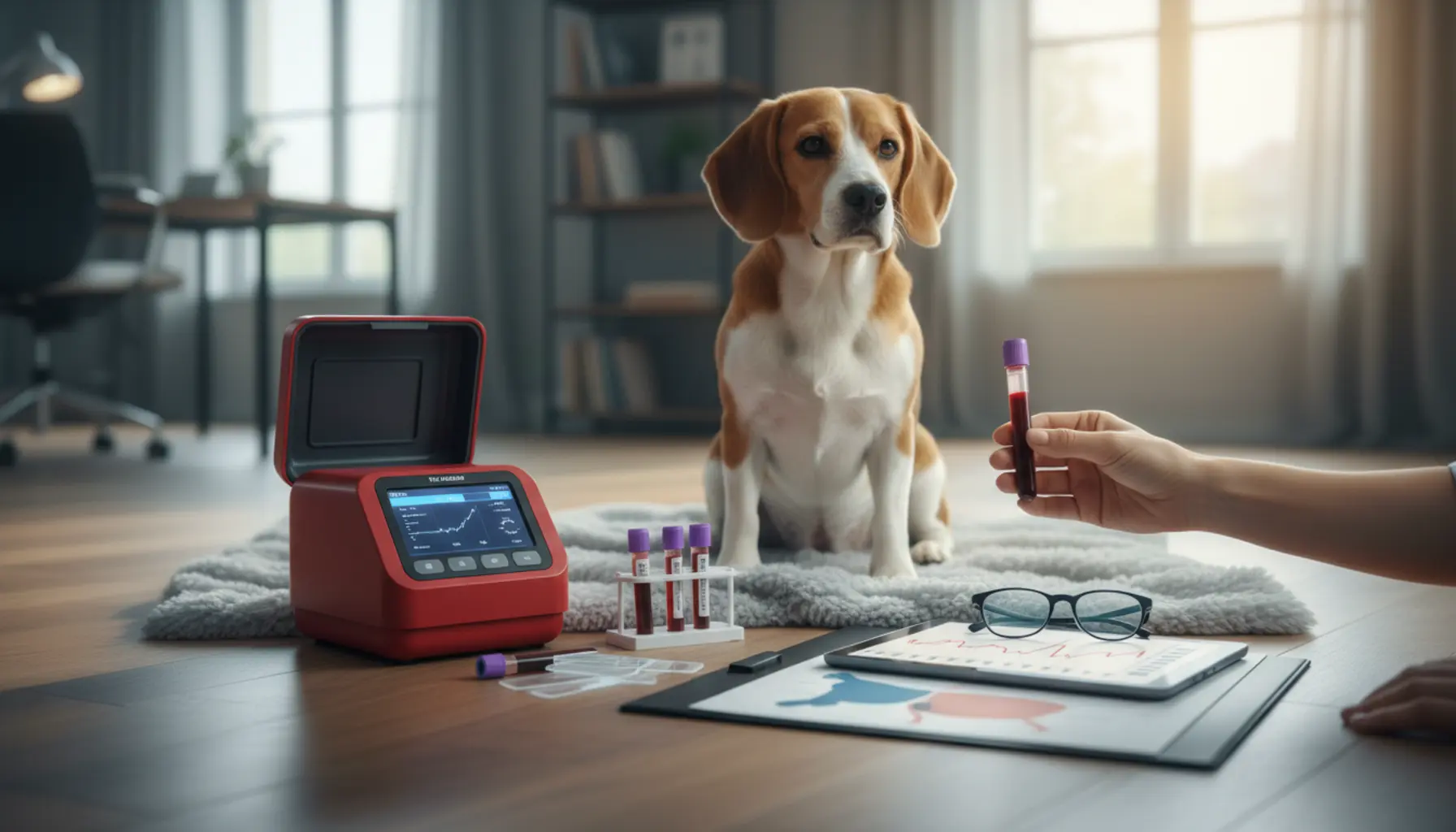
The second key part of the results is biochemistry, i.e., parameters describing organ function and the body’s metabolic balance. Key among these are ALT (alanine aminotransferase) as well as AST (aspartate aminotransferase), ALP (alkaline phosphatase), and GGT – all enzymes associated with the liver and bile ducts. Elevated ALT usually indicates liver cell damage, while ALP and GGT rise with bile stasis, bile duct diseases, some tumors, or prolonged steroid therapy. Bilirubin (BIL or TBIL) rises with increased breakdown of erythrocytes, intrahepatic or extrahepatic jaundice. Kidney parameters are mainly creatinine (CREA) and urea (UREA/BUN); increases suggest possible kidney impairment, dehydration, or retention of metabolic waste. In very muscular dogs, creatinine can be slightly higher physiologically. Increasingly, SDMA is measured – a more sensitive indicator of early kidney damage. Glucose (GLU) reflects blood sugar; high levels may point to diabetes, stress, pain, or medications (like steroids), while severely low glucose is life-threatening and calls for urgent intervention. Total protein (TP, TPROT) and albumin (ALB) reflect nutritional status and the function of the liver, kidneys, and intestines – lowering of these can accompany chronic diarrhea, liver disease, nephrotic syndrome, or protein loss from severe inflammation. Electrolyte results include sodium (Na), potassium (K), and chloride (Cl); their disturbances happen with dehydration, kidney disease, adrenal gland issues (e.g., Addison’s), severe vomiting, or diarrhea. Lipid parameters, like cholesterol and triglycerides (TG), can signal metabolic disorders, hypothyroidism, or pancreatic disease. For the pancreas, markers like amylase (AMYL), lipase (LIPA), and the specific cPLI test (canine pancreatic lipase) are used for pancreatitis diagnosis. Electrolyte panels often also check calcium (Ca) and phosphorus (P), important for bone, kidney, and some cancer diagnostics. In many labs, coagulation indicators are also checked, such as PT (prothrombin time) and APTT (activated partial thromboplastin time) – prolonged times signal bleeding risk during surgery or point to anticoagulant poisoning. Keep in mind, reference ranges may differ slightly between laboratories, and a single arrow up or down next to a value doesn’t always indicate illness – the direction, scale, presence of other abnormalities, and above all clinical symptoms matter. That’s why interpretation of abbreviations and numbers should always be done with a veterinarian, who knows your pet’s history and can connect the numbers to its real health status.
Dog blood test reference ranges – what if results are out of normal?
Dog blood test reference ranges indicate where the results of a healthy animal should fall, but these are not identical for every dog or every lab. Reference ranges depend on the dog’s age, breed, sex, body mass, specific analyzers, and even if the sample was tested in a clinic or large outside lab. So, results should always be compared to the reference range printed in the results and individually related to your dog, its symptoms, and medical history. Puppies often have naturally lower RBC (red blood cells), HGB (hemoglobin), and HCT (hematocrit), and slightly elevated liver enzymes due to intense growth. In senior dogs, mild deviations – slightly raised urea or creatinine, for example – may be the first signal of aging kidneys, even though the dog is symptom-free. Brachycephalic breeds (such as bulldogs, pugs) sometimes naturally have higher erythrocytes, while sighthounds tend to have fewer white blood cells, which is not always pathologic. When interpreting reference ranges, it is also important to check if the deviation is mild and isolated or affects several parameters at once and is significant – the latter is usually cause for greater concern. A minimal crossing of the upper or lower limit in a single parameter, without symptoms, is usually monitored and retested, not immediately leading to extensive diagnostics. Proper blood test preparation is crucial – skipping fasting, stress, heavy exercise just before blood drawing, or medication can all lead to temporary changes, e.g., in glucose, muscle enzymes (CK), or white blood cell count. Vets, aware of these factors, can often distinguish between physiological fluctuations and true pathology.
When do results really “deviate from normal”? Usually when there are significant, repeated abnormalities that correlate with your dog’s symptoms. For example: significant drops in RBC, HGB, HCT, often alongside platelet (PLT) reduction, can signal anemia from various causes – from internal bleeding and parasitic diseases (babesiosis) to immune-mediated diseases. Much higher WBC (leukocytosis) with predominant neutrophils usually means inflammation or bacterial infection, while lymphocyte dominance might point towards viral infections or lymphatic cancers. Biochemistry panel results showing clearly elevated liver enzyme activity (ALT, AST, ALP, GGT), together with abnormal bilirubin, total protein, and albumin, often indicate liver or bile duct disease; high urea and creatinine with decreased urine specific gravity is suggestive of kidney failure. Electrolyte (sodium, potassium, chloride) and glucose abnormalities may relate to diabetes, Addison’s disease, or severe dehydration. The greater the deviation (e.g., values several times above normal), the higher the likelihood of serious disease and need for urgent diagnosis. Emergencies always requiring prompt vet consultation include sudden, very high values: e.g., extreme leukocytosis, deep anemia, very high glucose in a lethargic/vomiting dog, or strikingly elevated liver enzymes with yellow mucous membranes. On the other hand, minor fluctuations – a few percent above or below reference, without symptoms – may reflect individual traits or pre-analytical errors (such as sample storage, blood hemolysis). That’s why you should always show results to the veterinarian rather than interpret them on your own just based on “red arrows” from the printout. The vet takes into account everything: age, breed, diet, medications, current and past illnesses, other test results (ultrasound, X-ray, urinalysis), and compares current to prior results to spot trends – whether a parameter is rising, falling, or stable. A subtle, stable deviation for years might be a “new normal” for your dog, while a sudden rapid change, even within the reference range (e.g., a major platelet drop still within normal), may warn of trouble. Understanding that reference ranges are guidelines, not gospel, lets owners remain calm but also responsive when vets advise further diagnostics or retesting soon.
Preparing your dog for a blood test – practical tips
Properly preparing your dog for a blood test greatly affects result accuracy and comfort for your pet. The most important rule is fasting for several hours – generally, the recommendation is not to feed your dog for about 8–12 hours before sampling. The last meal should be the night before the test; in the morning, do not give food, treats, not even as a “reward” for going inside. Water is usually okay unless your vet instructs otherwise (e.g., for certain special panels). Skipping fasting can skew glucose, lipids, some liver markers, making results hard to interpret and possibly leading to false suspicion of disease. Exceptions are for puppies, diabetic or severely weak dogs – in those cases, the vet will individually set the time gap to avoid hypoglycemia. Equally important is informing the vet about all medications, supplements, anti-parasitic treatments, recent procedures, vaccinations, or dietary changes. Some agents directly impact blood test results (for example, corticosteroids on white cell counts or liver enzymes), so giving a complete list makes correct interpretation easier. If the vet instructs you to stop a medicine ahead of testing, follow their orders closely. On test day, aim for a calm, predictable morning – avoid heavy activity, long energetic walks, sport training, or stressful events (like a dog park visit before heading to the clinic). Intense stress or exercise can temporarily elevate glucose, lactate, certain muscle enzymes (CK), or white cell counts, adding confusion. Take your dog for a short toilet walk right before the visit so it’s comfortable and not distracted by a full bladder. Your dog should be clean, without fresh wounds or dirt at the common blood-draw site (usually cephalic vein in the front leg, jugular, or femoral location), but no elaborate grooming is needed.
Mental preparation is crucial for many dogs, especially if previous vet visits were stressful. Consider acclimatizing your dog gradually to the clinic: sometimes just take them for a “waiting room walk”, let them sniff around, practice getting on the scale and exam table (if possible), and reward calmness with treats in neutral settings. For very anxious pets, talk to your vet about calming pheromones, supplements, or mild medication if needed for phobias. Notify reception if your dog is nervous so waiting time and contact with others can be minimized. You should never punish a scared dog (for growling, hiding) – this only increases stress; instead, provide safety, bring a favorite blanket, toy, or familiar leash. On test day, focus on comfortable transportation – if car rides are a problem, practice short trips in advance, and discuss motion sickness remedies with your vet if necessary. Bring your dog’s medical records: vaccination booklet, list of illnesses, previous test results, diet details (food type, frequency, treats), last deworming and vaccination dates. Write down concerning symptoms (when they started, their frequency, what triggers or eases them), duration of diarrhea, vomiting, appetite or thirst changes – such details help connect blood test results with real health status. If the vet plans to test for a specific disease (e.g., thyroid, pancreas), they may have extra preparation instructions – always ask when booking your appointment. For follow-ups, especially in chronic diseases, it’s best to test blood at a similar time of day and under comparable conditions (the same diet, activity level) to help compare results. Following these guidelines truly improves sample quality and lowers the need for retesting, making the whole process shorter, calmer, and much less stressful for your dog.
Most common reasons for abnormal blood test results
Abnormal blood test results in a dog do not always mean a serious illness – they are often the result of temporary disorders, improper preparation, or external factors. One of the most frequent causes of fluctuations is stress and excess excitement before the blood draw. Stress triggers hormone surges, especially adrenaline and cortisol, which can temporarily raise glucose, white blood cell counts (WBC), or even some liver enzymes. For many dogs, just entering the exam room, seeing the needle, presence of other animals, or loud noises causes a “fight or flight” response visible in the result. Intense physical activity right before the test – a long walk, energetic games – can also temporarily raise muscle enzymes (CK), lactic acid, modify electrolyte levels, and alter CBC, especially among young, energetic dogs. Another frequent cause is failure to fast before the test. Food eaten a couple of hours before draw can cause lipemia – blood turns “fatty”, cloudy, making many biochemistry readings hard. Glucose, triglycerides, cholesterol, and sometimes even urea rise after eating, sometimes mimicking metabolic disturbances. Some medications and supplements also directly affect results: glucocorticoids (e.g., prednisolone) often raise liver enzymes (ALT, ALP), influence glucose and white blood cell profiles. Diuretics can reduce potassium and sodium, antiepileptics alter liver panels, and iron or B vitamin supplements impact red cell parameters. Even “natural” products like joint or immunity herbs may influence some results, so it’s vital to inform your vet about everything your dog takes. Hydration status matters too: dehydration – e.g., after diarrhea, vomiting, fever, heat, or restricted water – thickens blood, artificially raising HCT, RBC, HGB, total protein, and some electrolytes and urea. On the other hand, fluid overload (from IV fluids before the draw) can “dilute” blood, lowering CBC or protein numbers. Note that individual traits – age (puppies often have different normal ALP, protein or phosphorus), breed (as for sighthounds, who have lower hematocrit by nature), physiological states (pregnancy, lactation) – also affect outcomes. The timing of the draw also matters – testing during acute stress, fever, or after a seizure almost always yields abnormal readings, which may reflect the current physiological response rather than chronic disease.
Technical factors linked to blood drawing, handling, and analysis are also common, though less commonly realized. Too tight or prolonged vein compression, using too thin a needle, or vigorous aspiration can cause hemolysis – rupture of red cells. Hemolyzed samples become red-pink in plasma/serum and can falsely elevate or lower certain parameters (like potassium, LDH, alk. phosphatase). Storing samples at the wrong temperature, delays before analysis, or vigorous shaking can do similar damage. Using the wrong tube (e.g., no proper anticoagulant for the CBC) leads to blood clotting, making cell assessment impossible and forcing a repeat sample. For owners, these look like “weird values”, but in reality are lab artifacts. At the same time, abnormal results may be the first subtle signal of developing disease, before clear clinical symptoms arise. Elevated liver enzymes (ALT, ALP, AST, GGT) may warn of liver damage from inflammation, toxins, tumors, or secondary to other organ diseases. Increased kidney markers (urea-BUN, creatinine, SDMA, phosphorus) may indicate chronic kidney disease, dehydration, or acute injury from toxins. Abnormal red cell parameters (RBC, HCT, HGB) and reticulocytes suggest anemia (from blood loss, chronic disease, nutritional or immune issues). Significant deviations in white blood counts (WBC) or differentials (NEU, LYM, MON, EOS, BAS) occur with inflammation, bacterial/viral/parasitic infections, allergies, sometimes blood cancers. Glucose, cholesterol, triglyceride, or protein swings reflect endocrine disorders (e.g., diabetes, thyroid issues, Cushing’s), organ failure, or obesity. Electrolyte (sodium, potassium, chloride, calcium, phosphorus, magnesium) imbalances often result from kidney, adrenal (Addison’s), calcium-phosphorus metabolism, poisonings, or severe vomiting/diarrhea. For many dogs, a single mild deviation is not a panic sign but a cue for observation and perhaps retesting. Sharp deviations in several parameters at once – especially with symptoms (lethargy, vomiting, weight loss, urination issues, shortness of breath) – require urgent, deeper diagnostics and possibly imaging or specialist panels.
When should you consult a vet about blood test results?
In practice, the answer is: always, but the urgency depends on the degree of abnormality and whether your dog is showing any worrying symptoms. The printout alone is just a set of numbers – only a vet can piece these together with the dog’s age, breed, history, and present state. You should absolutely seek prompt consultation for results marked as “critical” (often flagged by the lab with an asterisk, color, or comment), for any parameter much above or below reference, and whenever your dog presents clinical signs (lethargy, appetite loss, vomiting, diarrhea, breathing trouble, pale mucous membranes, jaundice, sudden weight loss, limb weakness, seizures). Alarming signs are also sudden behavior changes – aggression, hiding, excessive drinking or urination – paired with significant changes in CBC, liver markers (ALT, AST, ALP, bilirubin), kidney markers (urea, creatinine, SDMA) or electrolytes (Na, K). In such cases, don’t “wait and hope it gets better” or try to self-interpret – those same values can mean different things in a young, active dog versus an older or chronically ill animal. Always consult the vet immediately after blood tests done for emergencies: poisoning, trauma, heatstroke, acute diarrhea/vomiting – there, results are part of rapid diagnostics and urgent, sometimes life-saving treatment.
It’s also wise to talk to the vet for apparently less dramatic but repeated situations: mild but steady deviations in subsequent follow-ups (e.g., slow hematocrit decline, persistently raised liver enzymes, low platelets, chronically elevated glucose), as well as any abnormalities in higher-risk dogs – seniors, those with heart/kidney/liver disease, endocrine diseases (diabetes, hypothyroidism, Cushing’s) or tumors. Even a subtle change in the CBC or biochemistry might flag declining health, requiring changes in medication doses, diet or further tests (ultrasound, x-rays, hormone assays, serology). Also consult the vet for “borderline” results that don’t explain ongoing symptoms: if your dog feels bad but the lab shows nothing obvious, the vet may repeat tests or expand the panel (CRP, electrolytes, pancreatic markers, virus screening) or refer you to a specialist. If anything in the report or result units is unclear or differs from the previous lab, ask your vet: different labs use varied reference values, and comments (“hemolysis”, “lipemic sample”, “result may be false”) need to be discussed for their impact. Never change medication doses based on one reading – e.g., don’t modify insulin, antiepileptic, or heart meds – unless you’ve discussed it with the treating vet. Even if your dog shows no signs, it’s good habit to review every prophylactic test with the vet at a checkup or at least a teleconsultation: this helps establish whether your dog’s results are truly “normal”, need observation (re-check in weeks or months), or point to more needed investigation. That’s why the safest rule is: always show results to the vet, and be especially vigilant when clinical signs appear, large swings are seen, or your intuition says something isn’t right with your dog’s health.
Summary
Correct interpretation of dog blood test results allows early detection of medical issues and can prevent dangerous diseases. Understanding basic parameters, the most important abbreviations, and reference ranges helps owners consciously care for their pet’s health. Always remember, however, that only an experienced vet should make the final diagnosis, taking into account the dog’s age, breed, clinical state, and medical history. Regular preventive blood tests and proper preparation for sample collection are key to effective prevention and a longer, healthier life for your dog.

