
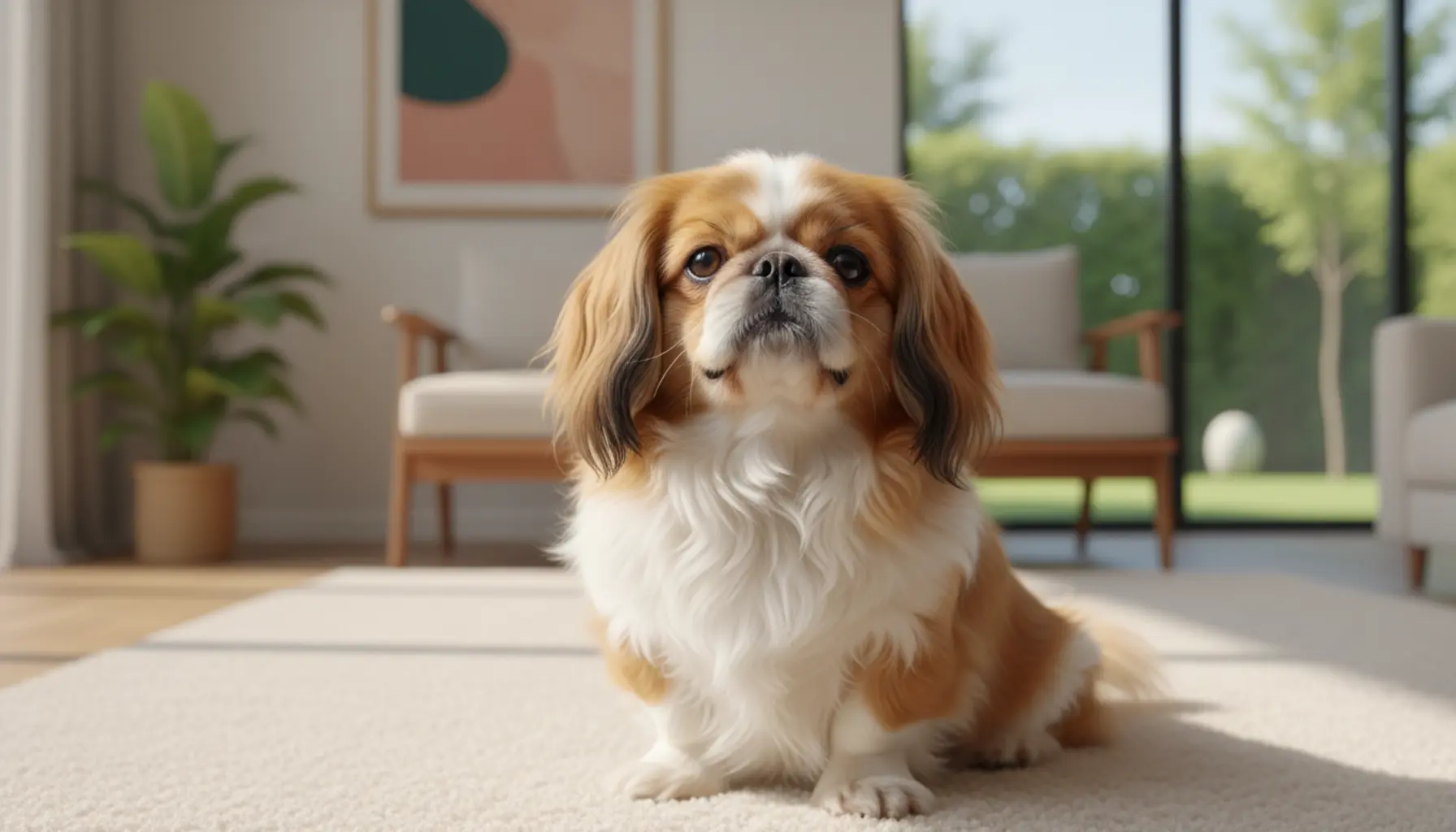
The Pekingese is a unique breed of dog with a distinctive appearance and a strong, independent character. Learn about the distinctive characteristics of the Pekingese, how to care for this regal breed, and whether a Pekingese would make a good companion.
Table of Contents
- Character of the Pekingese: Brave and Loyal
- The Royal Appearance of the Pekingese
- Price and Availability: How Much Does a Pekingese Cost?
- Health and Lifespan of the Pekingese
- Daily Care: How to Look After a Pekingese?
- The Ideal Companion: Is the Pekingese Right for You?
Character of the Pekingese: Brave and Loyal
The Pekingese is a dog that hides a truly great personality in a small body – and this is not a cliché, but a trait emphasized by both breeders and caretakers of the breed. This little “salon lion” is famed for its courage, strong sense of self-worth, and exceptional loyalty to one chosen person. A Pekingese often forms an extremely strong bond with its owner, treating them as the center of its universe – readily following them around the house, reacting to their mood, and making sure strangers don’t approach too boldly. However, this loyalty comes at a cost: the Pekingese can be wary of strangers, even somewhat aloof, and combined with its bravery this makes for a dog with no sense of inferiority, who is willing to “stand up” to much larger dogs if it feels threatened. For this reason, the breed needs wise socialization from puppyhood to learn that not every guest crossing the threshold is a potential intruder. The Pekingese’s character is often described as proud, independent, and somewhat aristocratic – it’s not a dog that blindly obeys every command, but a companion with whom one must build a partnership. The caretaker needs to earn its respect with calm, consistency, and fair treatment. The Pekingese does not tolerate shouting, rough handling, or pressure; in response, it may withdraw, refuse to cooperate, or even react defensively. On the other hand, when guided with sensitivity, it proves to be an intelligent dog, quickly learning daily rules and simple commands, especially when rewarded with treats, praise, and affection. This is not a sport-oriented or discipline-focused breed, but as part of home activities can master balanced behaviors – from calmly waiting for meals to walking nicely on a leash. It is worth noting that the Pekingese often has a fairly strong territorial instinct: it likes to have its “own” places – the sofa, armchair, bed – treating them as a private kingdom. A well-raised dog will not be aggressive for this reason, but may clearly express displeasure if someone invades its space unexpectedly. This trait, combined with courage and alertness, makes the Pekingese – despite its small size – quite an effective “alarm system” – it usually loudly announces when someone approaches the door or if something unusual is happening in the stairwell. From their point of view, they are guarding their estate and beloved person.
The loyalty of the Pekingese is also evident in its high emotional sensitivity and attunement to the mood at home – this breed can stay by the owner’s side for a long time when they are tired or ill, calmly lying nearby and discreetly making sure their needs are met. Contrary to appearances, this is not only a “couch dog”: it enjoys walks, exploring the surroundings, scent games, and short activity sessions tailored to its body type and respiratory capability. In daily life, the Pekingese can be quite stubborn – if it doesn’t want to do something, it can “pretend” not to understand the command or turn away with an expression that says “try again later.” This stubbornness should be seen as a character trait, not a flaw – it is a dog with a strong sense of autonomy who values having options. Skillful use of positive training methods (rewards, praise, short and varied exercises) allows this independence to become an asset and builds a relationship based on mutual trust. At home with children, the Pekingese can be a sincere, affectionate companion but requires clear boundaries – it is a partner rather than a plush toy for carrying around. Children must learn to respect its boundaries, especially when the dog is resting or eating; otherwise, even a well-balanced Pekingese may respond with a warning growl. In relations with other dogs, the Pekingese may be selective – playing gladly with some, remaining distant from others, and if provoked, it won’t hesitate to show disapproval, even if it’s the smallest in the pack. That’s why early socialization, learning calm interactions, and monitoring contact with overly insistent dogs are so important. On a daily basis, the Pekingese likes rituals: set feeding, walking, and rest times increase its sense of security, helping maintain emotional balance. Left alone for many hours, it can feel unhappy and lonely, and extremely sensitive individuals may develop separation anxiety, manifesting as barking, destroying objects, or nervous pacing. For this reason, the Pekingese is best suited to people who spend a lot of time at home or can provide the company of another calm dog. Despite its innate bravery, this is not a dog that likes chaos, loud parties, or constant changes of environment – it feels best in a stable, predictable setting where its confidence and loyalty can flourish without feeling threatened. The character of the Pekingese is thus a combination of pride, courage, and devotion; this is a dog who doesn’t need an imposing build to make its presence known and firmly stand by its beloved human, like a small but extremely faithful guardian.
The Royal Appearance of the Pekingese
The Pekingese instantly catches the eye with its highly dignified, almost regal image. It’s a small dog with a compact, stocky silhouette that appears heavier than its height would indicate – as per breed standards, the ideal weight shouldn’t exceed 5 kg, but the body is solidly built, with a broad chest and stable torso. The characteristic body proportion is length to height – the Pekingese should be slightly longer than tall, giving the appearance of a “little lion” with a firmly centered gravity. Stocky, short yet strong limbs and prominent boning make this delicate-looking dog surprisingly strong in reality. The head is the true hallmark of the Pekingese: broad, massive in proportion to the body, with a distinctly flat forehead and short muzzle, giving the dog a typical brachycephalic (flattened) profile. The eyes are large, dark, round, and widely set, with a slightly melancholic but very expressive look – which largely contributes to the “princely” and dignified appearance of the face. The nose is wide and short, with a pronounced underbite, and the nostrils should be as open as possible; too narrow can cause respiratory problems. The ears are long, set low, closely lying to the head, and covered in abundant silky hair that beautifully frames the face like decorative fans. The tail is carried high, usually curled over the back and resting on it like a plume – an important breed feature that lends harmony and a sense of lightness, despite the stocky body. The chest is broad, well-arched, the back straight and strong, and the croup slightly rounded. The silhouette line should be compact, without a sense of heaviness; the Pekingese moves confidently and springily, though its short limbs mean its gait is more like a stately walk than a run.
The most recognizable feature of the Pekingese is, of course, its coat – dense, abundant, and reminiscent of a royal cloak. The fur is made of a harsh, straight outer coat and a thick undercoat, which adds volume and protects the dog from the cold. Around the neck and shoulders, it forms an impressive ruff often referred to as a “lion’s mane,” especially striking in males. Longer hair is also found on the hindquarters (feathering), ears, tail, and back side of the legs, further emphasizing the regal character of the figure. The breed standard allows for almost all coat colors – from cream, white, gold, red, sable to black, black and tan, or brindle; the only prohibited color is entirely white in show dogs in some countries, but in practice a full richness of colors and mixes is found. Shades of gold and red, which most closely resemble a lion’s coat, are particularly prized, but from the owner’s perspective, skin health and coat quality are more important than color – the coat should be shiny, resilient, not too soft, free of tangles and dandruff. A distinctive feature of many Pekingese is the so-called “mask” – darker coloring around the nose and eyes, which enhances the expression and gives depth to the muzzle. When describing the breed’s appearance, it’s impossible to overlook details affecting the dog’s quality of life: a proper Pekingese should have open nostrils and a not overly shortened muzzle to breathe freely, especially on warm days; an overly flat face increases the risk of breathing difficulties and overheating. The large, beautiful eyes are susceptible to irritations and injuries, so their set should not be too bulging. A proper body build – not too heavy, without excess weight, with strong but not overgrown bones – allows the Pekingese to maintain agility and its typical springy gait without overloading the joints. In practice, the princely appearance also means higher grooming demands: the long coat requires regular brushing, and the fur around the eyes, muzzle, and paws – regular trimming or tidying, so the dog not only looks stunning but also feels comfortable and functions freely at home and on walks. With appropriate grooming and maintaining proper proportions, the Pekingese truly reveals its majestic, almost courtly appearance, admired for centuries and associated with royal chambers.
Price and Availability: How Much Does a Pekingese Cost?
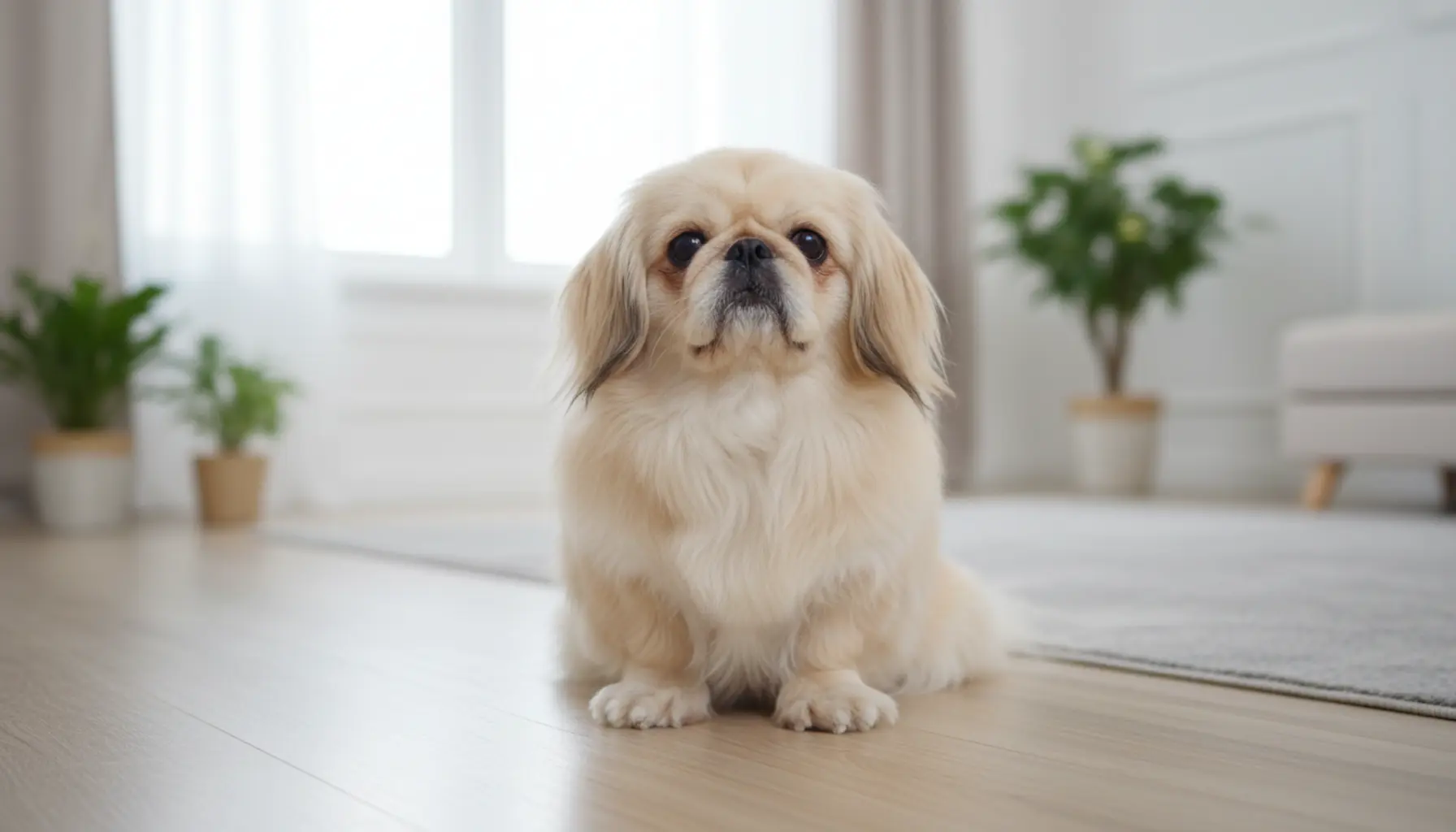
Although the Pekingese is a relatively well-known breed and has been present in Polish homes for years, it is not a dog “always available on demand,” especially if you care about a puppy from a reputable source. The price of a Pekingese in Poland varies and depends on many factors, such as the kennel’s reputation, parental pedigree, breed standard compliance, or the dog’s intended purpose (companion, show, or breeding). On average, a Pekingese puppy from a legal, registered kennel associated with the Polish Kennel Club (ZKwP) will cost around 4000–7000 PLN, with dogs from outstanding pedigrees, with titled parents successful at shows, sometimes costing above 8000 PLN. “Pet quality” puppies – intended mainly as companions – are often less expensive than siblings destined for the ring; the difference stems from minor faults that do not affect health or temperament but preclude show participation. Notably, if you come across offers for Pekingese puppies for 500–1500 PLN, without full documentation, contract, or clear origins, this usually indicates a puppy mill or irresponsible breeding. Such a “bargain” price is often illusory – the costs of later treatment for genetic diseases, breathing problems, anatomical defects, or behavioral issues may far outweigh the initial savings. When buying a Pekingese from a reputable breeder, you pay not just for ‘pedigree’ but for the entire process of parent selection, health tests, proper puppy raising, socialization, and breeder support after collecting the puppy, which is especially significant for this brachycephalic breed requiring a responsible breeding approach.
Besides the purchase price of the puppy itself, you also need to consider fixed costs affecting the real “maintenance price” of a Pekingese in the long term. Basic expenses include high-quality food (grain-free or hypoallergenic foods often work better for dogs with sensitive digestion), regular veterinary preventive care (vaccinations, deworming, routine check-ups, possible cardiac or eye consultations), as well as coat and eye area grooming. The Pekingese has a profuse, demanding coat, requiring good brushes, combs, grooming products, and sometimes trips to a groomer – especially if the owner wants to maintain a “princely” appearance but lacks experience grooming a long-haired breed. The annual cost of keeping a Pekingese can range from approximately 2500–4000 PLN for basic care up to 5000–7000 PLN if regular grooming services, pet health insurance, top-quality food, and any specialist treatment are included. As for breed availability, the Pekingese isn’t as popular in Poland as, for example, the Yorkshire Terrier or Shih Tzu, but several active kennels exist in major cities and regions. However, one often must be prepared to join a waiting list and travel hundreds of kilometers for a puppy – responsible purchase decisions should be guided by finding a good breeder, not just proximity. Sometimes Pekingese or their mixes end up in shelters or rescues; in such cases, the adoption fee is symbolic compared to the market price (most often a few hundred PLN), but the dog is usually neutered, vaccinated, and health-checked, although additional behavioral work may be needed. Regardless of the route – purchase from a kennel or adoption – keep in mind that the Pekingese is a breed with specific health and temperament needs, so the key in choosing your pet’s source is transparency, medical documentation, the ability to meet parents or caretakers, and a calm, considered decision – not only an attractive price or immediate availability.
Health and Lifespan of the Pekingese
Despite its delicate appearance and regal coat, the Pekingese can enjoy a relatively long life – on average 12 to even 15 years, with some individuals reaching advanced old age. The key to good condition is responsible breeding and conscious daily care, as the breed has certain health predispositions typical of brachycephalic and miniature dogs. The most characteristic area needing attention is the respiratory system – a flattened muzzle, short nose, and narrow nostrils encourage brachycephalic syndrome, which can manifest as snoring, wheezing, exercise intolerance, or breathing problems in the heat. The Pekingese should avoid intense exertion in high temperatures, and walks on hot days should be planned for early mornings or late evenings, ensuring access to shade and water. In the case of severe shortness of breath, blue tongue, or sudden apathy, immediate veterinary attention is necessary. Due to skull structure, the breed also experiences eye problems – the large, protruding eyeballs are more prone to injuries, corneal ulcers, irritation, as well as diseases such as “dry eye” (KCS) or glaucoma. Regular eye checks, removal of discharge, avoiding contact with sharp grasses or shrubs, and quick responses to redness, squinting, or excessive tearing can spare the Pekingese pain and loss of vision. The fur around the eyes should be kept clean and, if necessary, gently trimmed to avoid eye irritation. Another health concern is spinal and joint disease, particularly in the lumbar-sacral region and kneecap. Although the Pekingese is small, it has a compact, relatively heavy body, which with poor muscle condition, obesity, or excessive jumping (e.g., from the sofa) can lead to injuries. In everyday life, jumping from heights should be limited, slippery floors secured, and even, moderate exercise provided – frequent, short walks are better than rare, strenuous outings. Excess body weight not only strains the joints but also exacerbates breathing problems, so a well-balanced diet and avoiding excess treats have a huge impact on quality and longevity. With age, cardiac problems such as valve disease may also develop, so for middle-aged and senior dogs, annual cardiac ultrasounds or at least auscultation by a vet are recommended. Early detection of heart murmurs and beginning treatment slows the development of heart failure and improves comfort. Preventive health care also includes regular vaccinations, deworming adjusted to lifestyle, tick/flea protection, dental care (the breed can be prone to tartar and periodontal disease, leading to oral inflammation and affecting overall health), and blood tests, particularly for dogs over 7 years old.
The environment in which the Pekingese is raised and the owner’s daily routine greatly impact health and lifespan. Responsible breeding is fundamental – puppies should come from lines where extreme brachycephalic traits (overly flattened muzzle or tiny nostrils) are avoided, and sires and dams are tested for hereditary and typical breed issues. It’s worth asking the breeder for parents’ health results, incidence of breathing, eye, or spine problems within the line, and the longevity of ancestors – these are invaluable prognostic clues. Early socialization matters not just for temperament but also for the body’s stress response – a dog capable of calmly handling vet visits or grooming procedures is less likely to experience extreme tension, which can adversely affect immunity and worsen some illnesses. Everyday grooming, beyond coat care, is also preventative: regular brushing helps quickly notice skin changes, lumps, redness, or presence of external parasites. Skin folds around the muzzle and near eyes and nose must be kept clean and dry to prevent inflammation, fungal infections, and unpleasant odors. Diet should be tailored to age, activity level, and any coexisting health issues; many owners choose easily digestible foods supporting joints (with glucosamine, chondroitin, omega-3) and heart, and control portions for calories. Pekingese accustomed from a young age to gentle, regular movement – walks, easy scent exercises at home, short play sessions instead of intense running – usually maintain a healthy weight and better circulatory and joint condition. Quick responses to even subtle disease symptoms are important: reluctance to exercise, persistent coughing, frequent throat clearing, breathing troubles during sleep, squinting, frequent ear scratching, or localized limping require veterinary consultation rather than “waiting it out.” In elder Pekingese, special care should be taken about quality of life – ensuring them calm, not too long walks, comfortable bedding with good joint cushioning, warmth (they are sensitive to cold), and a quiet place to retreat for rest. A responsible owner who understands the specifics of a small, brachycephalic breed, regularly visits the vet, and adapts their lifestyle to their animal’s needs truly influences whether their Pekingese spends its years in comfort and health, reaching the breed’s upper lifespan limit.
Daily Care: How to Look After a Pekingese?
The Pekingese, with its abundant, “lion-like” coat and brachycephalic muzzle, requires systematic yet well-planned care that goes far beyond brushing. The foundation is daily, short brushing – ideally with a soft natural bristle brush or a gentle slicker brush, always in the direction of hair growth so as not to pull the hair. Pay special attention to tangle-prone areas: behind the ears, armpits, thighs, under the tail, and the neck ruff. Before attempting to detangle mats, it’s best to spray the hair with a light leave-in conditioner or mist to reduce breakage and the dog’s discomfort. Regular, short grooming sessions – a few minutes daily – are much more effective than infrequent, long, and tiring attempts to untangle heavily matted fur. Baths are usually planned every 4–8 weeks, depending on the dog’s lifestyle, using gentle shampoos for long-haired breeds and conditioners that facilitate detangling; after bathing, the coat should be thoroughly dried with a hairdryer set to cool or warm, to avoid moisture near the skin, which could lead to irritation and fungal growth. Grooming a Pekingese also includes attention to the face and eye area – skin folds on the nose and under the eyes should be gently wiped daily with a sterile pad or soft cloth moistened with boiled water or a special solution recommended by the vet, to remove tears, dust, and food residue. This prevents irritation, redness, and bacterial infections to which brachycephalic breeds are prone. Regular checking for eye redness, excessive tears, squinting, or discharge is also important – these are signs that warrant a prompt vet visit. Ear care involves weekly checks of the ear canal, removal of wax with a special ear-cleaning solution, and observing if the dog is scratching, shaking its head, or if there’s any foul odor. Because of abundant hair around the ears, it’s advisable to keep it slightly trimmed to improve air circulation and reduce infection risk.
Don’t forget about nails, teeth, and skin health in the Pekingese’s daily grooming routine. The breed’s nails often wear down less than in more active dogs, so they usually require clipping every 3–4 weeks; nails that are too long can alter foot placement, cause discomfort when walking, and in extreme cases, lead to joint problems. If the owner is wary of nail-trimming, it’s worth using a groomer or vet’s services. Oral care is another key element – a short muzzle leads to crowding of teeth and thus plaque build-up and gum disease. It’s good practice to gradually accustom your Pekingese to teeth brushing with a special dog toothpaste (fluoride-free) and a soft brush or finger cover; ideally, brushing is daily, but even a few times a week significantly reduces risk of inflammation. Dental chews and water additives can help, but do not replace mechanical cleaning. The Pekingese’s skin, hidden under thick fur, needs regular checks – while brushing, “part” the hair to check for redness, dandruff, dry patches, wounds, or flea bites. Due to their build, weight should be managed – being overweight strains the spine, joints, and respiratory system; the basics of prevention are suitable food, measured portions, avoiding excess treats, and daily, short walks appropriate for the dog’s abilities, especially in cooler parts of the day. The Pekingese’s brachycephalic facial structure means it fares poorly in the heat, so avoid intense exertion on hot days, provide access to fresh water and a cool resting spot, and walk in the morning and evening. To make daily grooming stress-free, introduce it from puppyhood in a calm environment with lots of rewards and breaks – handling the paws, ears, muzzle, and even mimicking grooming with a brush or comb helps build positive associations. Systematic, brief rituals – brushing, fold wiping, checking eyes, ears, and paws – not only maintain the Pekingese’s princely appearance but, above all, support its health, comfort, and daily sense of security.
The Ideal Companion: Is the Pekingese Right for You?
Despite its small stature, the Pekingese is not a “handbag dog” but a full-fledged family member well aware of its worth. Before choosing this breed, honestly assess your lifestyle, expectations, and dog experience. It’s the perfect companion for those who enjoy a calm home, appreciate close, even intimate contact with their pet, and are ready to build a relationship based on mutual respect rather than blind obedience. The Pekingese thrives with caregivers who understand its independent, somewhat “royal” character – this is a dog that won’t always enthusiastically react to every command, but if it trusts its human, can show extraordinary loyalty and affection. It’s a great choice for singles and couples who spend most time at home, work remotely, or enjoy quiet evenings on the sofa – the Pekingese loves accompanying its owner in daily rituals, from morning coffee to movie nights, and does poorly with prolonged solitude. It’s not suitable for extremely physically active people seeking long-distance runs or mountain hikes: its brachycephalic build, stocky body, and respiratory predispositions mean it feels best with moderate activity, shorter walks, and calm play indoors. For this reason, it perfectly adapts to apartment living, as long as you provide a few walks a day, opportunities to explore, and human contact – this is not a “yard dog” to be kept in a kennel or spend most time in the garden without human companionship.
For families with children, the Pekingese can be a wonderful friend, but only if adults supervise interactions and teach the youngest to be gentle; this breed cannot tolerate rough handling, noisy play, or lack of respect for personal space, and will respond to stress by growling or avoiding contact. It does best in homes with older children who understand a dog is a sentient being, not a toy – in suitable conditions, the Pekingese joins family activities but values a peaceful retreat for rest. Its alertness and territorial instinct also mean it’s often an excellent “alarm bell,” announcing arrivals, which for some will be a plus and for others a problem if not ready for barking management. This dog is for people who can be consistent yet gentle – the Pekingese reacts badly to shouting, pulling or rough training, needing positive reinforcement, patience, and clear boundaries. A prospective owner should also know the Pekingese demands more grooming and financial prep than the average “lapdog”: regular brushing, eye and fold checks, possible trips to the groomer, and targeted vet care are key to its well-being. So, this isn’t the ideal choice for those seeking a “maintenance-free” pet or prone to putting tasks off – neglecting coat or eye care leads quickly to discomfort and costly treatment. On the other hand, if you are empathetic, calm, love a cozy home, value animal individuality, and are ready to weave daily grooming and short, calm walks into your day, the Pekingese will reward you with a unique bond, warmth, and companionship often compared with being cared for by a “little prince” in a dog’s skin.
Summary
The Pekingese is an attractive dog breed characterized by its unique appearance and independent character. Despite its small size, it is extremely loyal and courageous, making it an excellent companion for the right owners. It requires regular grooming to keep its magnificent coat in top condition. With proper care, the Pekingese can enjoy good health and a long life. Before purchasing, it is worth considering whether this unique breed meets your expectations and needs.

