
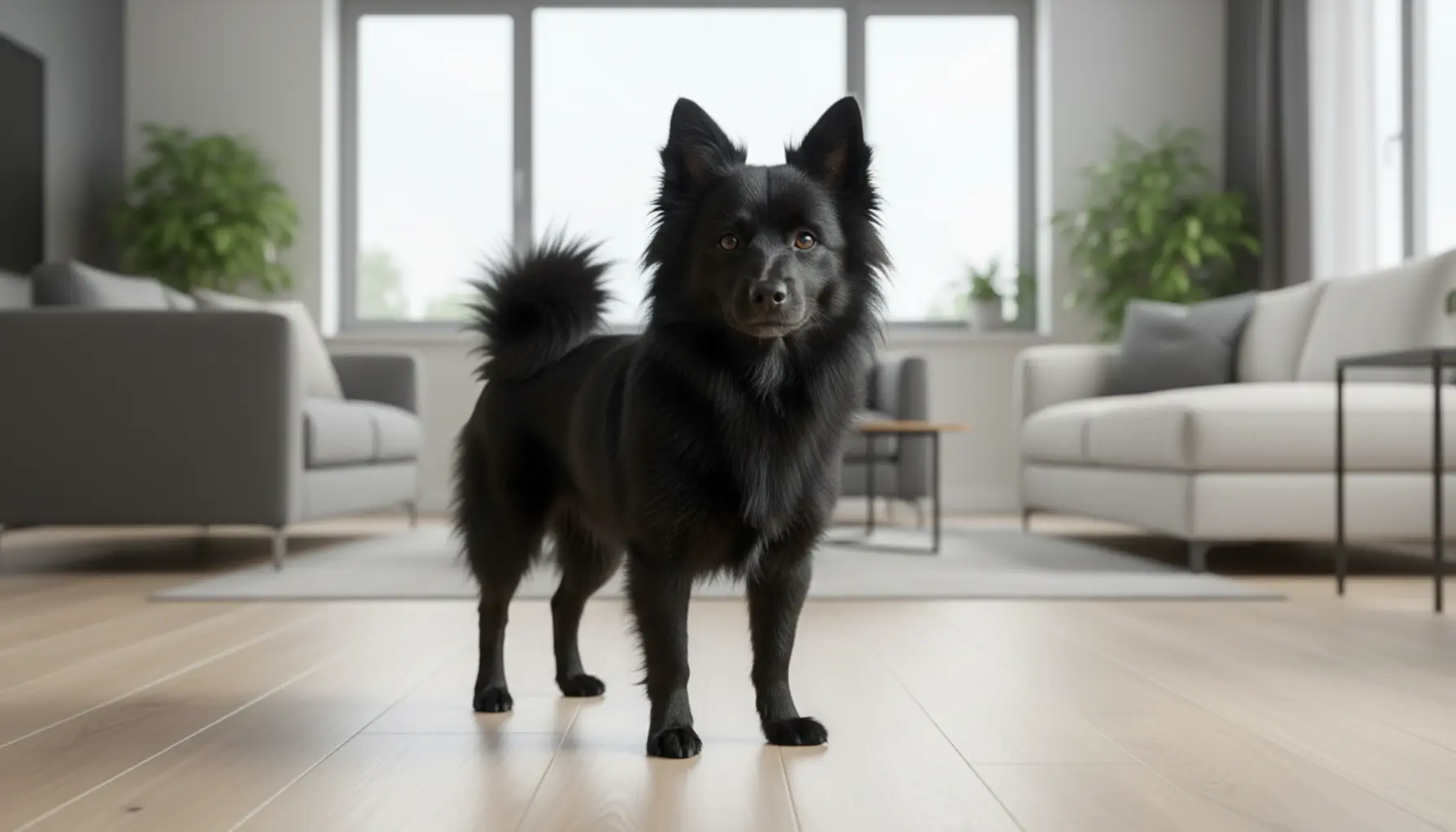
The Schipperke is a small shepherd dog distinguished by its remarkable courage and intelligence. This breed captivates with its compact build and black coat, and its temperament makes it an excellent companion for active individuals. Discover the personality and requirements that come with choosing a Schipperke.
Table of Contents
- Schipperke Breed Characteristics
- Schipperke Appearance and Coat
- Schipperke’s Role as a Shepherd Dog
- Schipperke Health and Grooming
- Schipperke Maintenance Costs
- Why Choose a Schipperke?
Schipperke Breed Characteristics
The Schipperke is most often described as a “big dog in a small body” – and indeed, their personality and energy often surprise those who know them only from photos. These small, compact dogs have a triangular head, alert dark eyes, and always upright, triangular ears, having been bred as small shepherds and herding dogs in what is now Belgium, which is still evident in their temperament today. The Schipperke is considered a dog of very high working intelligence: they quickly connect facts, learn new commands with lightning speed, and independently seek solutions when faced with a new challenge. This sharpness goes hand in hand with a strong territorial instinct and a natural suspicion of anything unfamiliar – in practice, this means that a Schipperke is extremely quick to catch the slightest changes in its environment, immediately responding with barking to unknown sounds, guests, or animals appearing near the home. It’s no wonder that in its native country, it was called the “little boat guard” – its main task was to alert when anything approached the barge or property. At the same time, in relation to household members, this miniature “little black devil” can be extremely affectionate, loyal, and deeply attached to one or two people whom it considers its leaders; it often follows them around the whole home like a little shadow, making sure they don’t lose sight of it. Despite its strong character, the Schipperke is not a dominantly aggressive dog – it relies much more on cunning, quickly tests boundaries, and tries to gently “negotiate” the rules, which is why it requires a consistent but calm owner who can combine clear rules with humor and an understanding of canine nature.
In everyday home life, the Schipperke is a volcano of energy and curiosity that thrives when there’s something to do. This is a dog that likes to have a “job”: guarding the property, nosework, obedience training, agility, or even learning dog tricks – anything that allows it to use its sharp mind and agile, compact body. A lack of adequate physical and intellectual activity can lead this breed to frustration, excessive barking, destruction of objects, and even compulsive behaviors. Although the Schipperke is a herding dog, compared to large shepherds its exercise needs can be more easily adapted to city life, provided the owner gives it intensive but relatively short activity sessions and regular mental challenges, such as scent games, enrichment mats, or clicker training. With children, a well-socialized Schipperke can be affectionate, patient, and playful; however, due to its lively nature and strong herding instinct (tendency to nip and chase), it will do better in a home with older, calmer children who understand the rules of safe contact with a dog. With other dogs, the Schipperke is usually brave, self-confident, sometimes even excessively bold – it may try to “boss around” much larger companions, so socialization from puppyhood, teaching calming signals, and proper control of interactions are key to preventing it from developing overly mischievous habits. Its historical role as a rodent exterminator explains why it often reacts strongly to the movement of small animals: cats, rabbits, or rodents can trigger its hunting instinct, which means the owner must be cautious when planning a multi-animal household and consistently work on recall and the dog’s self-control. Another characteristic of the breed is great independence: while the Schipperke becomes deeply attached to its family, it’s not the type of dog that’s constantly craving closeness – it likes to make decisions on its own, explore, choose its own path on walks, and expects a partnership-based relationship during training, where its initiative and ideas are rewarded. All this makes Schipperkes remarkably versatile companions in experienced hands – vigilant guardians, active sports dogs, and loyal family friends, combining the qualities of a classic shepherd, a small game hunter, and a compact companion, perfect for those seeking a small yet strong-willed breed.
Schipperke Appearance and Coat
The Schipperke is a dog with a highly characteristic silhouette that makes it hard to confuse with any other breed. It is small but powerfully built, with a compact, almost square body – the height at the withers is close to the body’s length. This gives an impression of harmony and great solidity for a small size. The head is wedge-shaped, slightly fox-like – it is dry, with a clearly marked stop but not exaggerated. The Schipperke’s eyes are relatively small, almond-shaped, very lively and shiny, typically dark brown or nearly black, adding an intelligent and alert expression. Ears are among the most recognizable features: small, triangular, extremely mobile, set high and always standing, which emphasizes this dog’s ever-inquisitive character. The muzzle is straight, nose always black, with a scissor or level bite harmoniously fit to the head shape.
The Schipperke’s body is compact, with a well-muscled back and strong chest reaching down to the elbows, providing remarkable mobility. The topline is straight, though it may look slightly rising toward the croup due to abundant fur at the withers. Legs are straight, well angulated, ending in small but tight feet. The Schipperke moves with a springy, free, and energetic gait – the dog moves fast and lightly, with clear drive from behind, evidence of its working and herding ancestry. The breed’s tail is also distinctive – traditionally, in many countries it was docked very short or even removed, which is why many older individuals are known as “tailless dogs.” Currently, tail docking is banned in most European countries, so more and more Schipperkes have natural tails: medium in length, well-haired, carried relatively high in motion and relaxed when at rest. A correctly built tail does not ruin the typical “square outline” of the silhouette but rather underlines the dog’s elegance. Schipperke’s coat is another feature giving it its unique appearance – double-layered, with a thick, very abundant undercoat and straight, coarser guard hair. On the muzzle and front of the legs, the fur is shorter and smooth, but on the neck, withers, shoulders, and back of the thighs forms an impressive ruff, mane, and feathering. This abundant ruff around the neck means the Schipperke is sometimes called the “little black lion,” especially when standing proudly, ears alert and gaze attentive. The breed standard calls for a solid black coat, with no significant lighter patches or markings; slight lightening in the fur of older dogs is permissible due to age or natural graying. The requirement for uniform black means that any other colors (such as brown or sable) are considered deviations and undesirable in breeding. The deep, matte or slightly glossy black contrasts beautifully with light backgrounds, making the Schipperke visually striking – on walks, it looks like a small, agitated shadow. The breed is not particularly problematic when it comes to coat care, but the dense undercoat requires regular brushing, especially during shedding seasons, when the dog loses fur heavily. Properly maintained, a Schipperke dazzles with a shiny, healthy coat that highlights its proportional, compact silhouette, muscular yet delicate body, and unique “sharp” expression – an amalgam of energy, alertness, and elegance in a miniature, completely black form.
Schipperke’s Role as a Shepherd Dog
Although today the Schipperke is mainly associated with being a lively companion dog, its roots are closely connected to pastoral and working tasks in present-day Belgium. The breed derives from small Flemish shepherds whose duties included guarding small herds of goats, sheep, or poultry, as well as protecting their owners’ property. Their small stature was by no means a flaw – on the contrary, the Schipperke’s diminutive size made it easy to maneuver around the farm, including narrow alleyways, between buildings and equipment where larger shepherd dogs would struggle. Its job was not so much to “drive” herds over long distances as to organize them, chase them into a specific place, separate out individuals, and energetically respond to any disobedience or threats. The Schipperke’s territorial instinct and innate alertness made it an excellent “living alarm” – warning of strangers, dogs, or wild animals approaching, while remaining loyal to its family and friendly with those it knew well. In traditional Flemish farms, these dogs could be found both with small herds of goats and on canal boats guarding cargo – their role always combined elements of shepherding, protection, and utility work based on independence and quick decision-making. Such a role required not just courage but also developed working intelligence – the Schipperke had to analyze situations instantly, distinguish routine stimuli from genuine threats, and show persistence and endurance, unfazed by animal noise, commotion, or changing weather. Additionally, as a dog originally intended to guard rural and urban yards, the Schipperke was famous for its perseverance in exterminating rodents and other small pests, which, combined with its shepherd instinct, made it an invaluable helper for owners of small farms and craftsmen. Over the years, as the need for classic shepherd dogs in cities decreased, the Schipperke gradually gained popularity as a family companion; however, its character remained strongly “working”: full of energy, alert, lively, and mentally always “on duty,” ready to react to the slightest external stimulus.
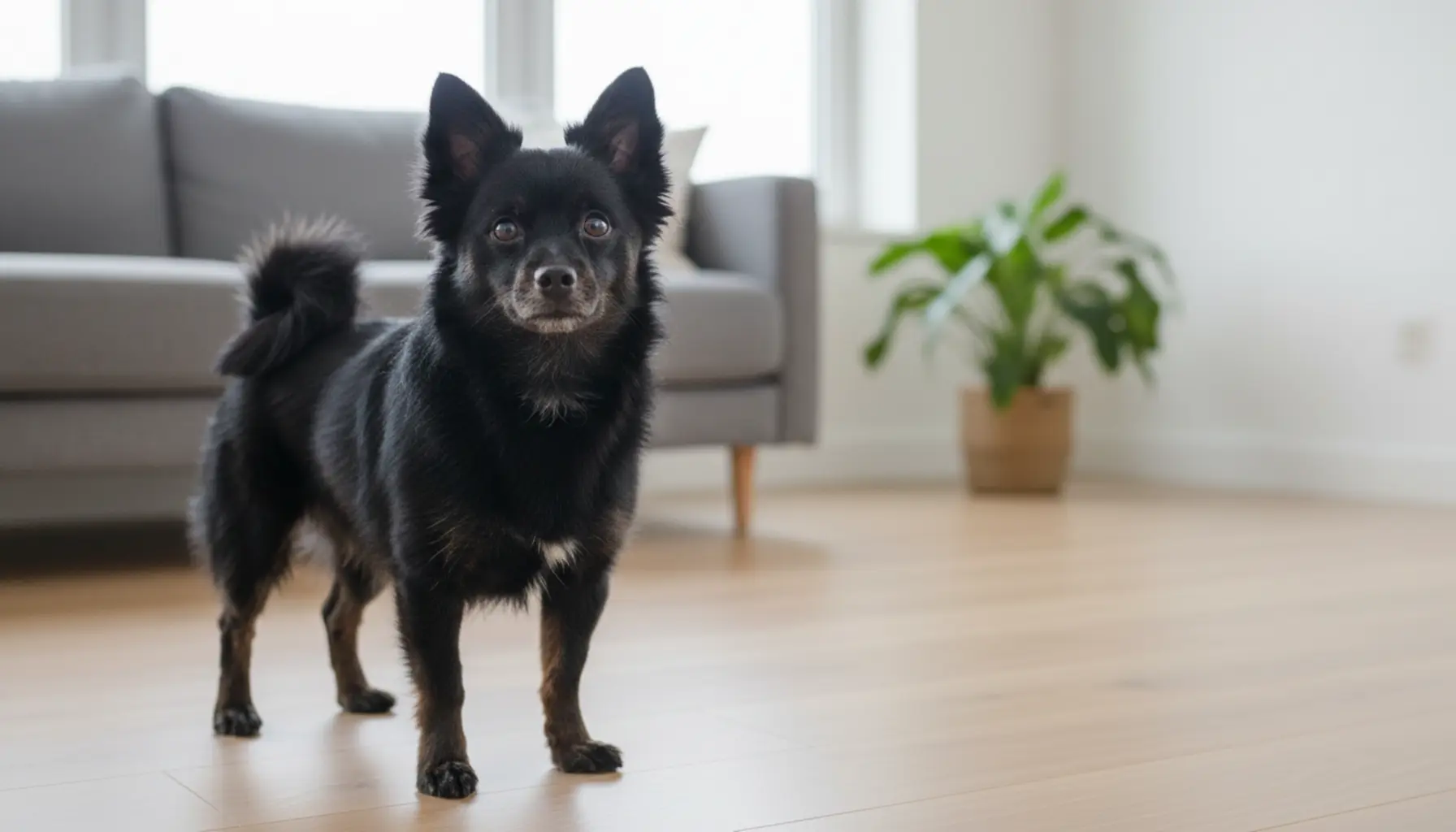
The modern Schipperke, although rarely working with herds in the traditional sense these days, still retains many traits required of a good shepherd dog, which can be utilized both in dog sports and daily life. In training, this breed’s natural talent for controlling movement is clearly visible – many individuals spontaneously circle around playing children, other dogs, or even their owners during walks, as if “organizing the flock” and making sure no one strays too far. This retained instinct can be harnessed constructively through activities such as obedience, rally-o, nosework, and specialized herding training if available. Thanks to speed and agility, Schipperkes excel at tasks requiring a quick response, precise avoidance of obstacles, and working at a distance from the handler – skills once essential for effective property patrol and responding to livestock movement, now yielding spectacular results in agility or dog frisbee. However, it is worth remembering that pastoral heritage involves certain educational challenges: the Schipperke can be a noisy dog, prone to barking in response to any unusual stimuli, and may display tendencies to “herd” people through jumping, bouncing around, or subtle nipping – just as it would with unruly farm animals. Therefore, from the very start, it is key to provide clear-cut rules, consistent training based on rewarding desirable behaviors, and a proper dose of mentally demanding tasks to replace its former farm duties. In many modern homes, the Schipperke works exceptionally as a “home watchdog” – it instantly alerts to the doorbell, strangers in the hallway, or unusual sounds at the window, which means it still acts as a signal dog, but with proper guidance should not be excessively noisy or reactive. Interestingly, its herding territorial instinct, combined with attachment to family, means the Schipperke will often try to maintain “order” in interactions between household members and other pets – reacting when play becomes rough or voices are raised. Skillfully understanding these behaviors as part of its working legacy, not “spite,” allows better selection of training methods and provides conditions in which its pastoral nature is an asset rather than a source of problems. This enables the Schipperke to fully realize its potential – not as a classic dog driving flocks across vast pastures, but as an intelligent, alert, and versatile “miniature shepherd” perfectly fitting into modern life while remaining true to its working heritage.
Schipperke Health and Grooming
The Schipperke is generally seen as a healthy and long-lived breed – many individuals live to 14–16 years – but, as with all purebred dogs, there are certain health predispositions to be aware of before adopting or buying. The most common issues include inherited juvenile blindness (MPS IIIB), for which responsible breeders perform genetic tests and eliminate carriers from breeding. Schipperkes may also develop eye diseases such as cataracts or progressive retinal atrophy (PRA), so regular optical exams are recommended for dogs used in breeding and sports. Like many small breeds, knee problems (patellar luxation), occasional hip dysplasia, and endocrine disorders, especially hypothyroidism, can occur. Due to their lively character and tendency for intensive movement, owners should be alert to possible injuries – muscle strains, sprains, or joint injuries from jumping from heights. Maintaining the correct body weight is crucial, as excess quickly strains the musculoskeletal system and favors chronic diseases. Schipperkes usually have hearty appetites, and if they’re not exercised enough, can easily gain weight, so it’s best to choose appropriately caloric dog food and balance the amount of training treats. Their diet should include high-quality protein, healthy fats, and ingredients supporting joints such as glucosamine and chondroitin, especially for dogs active in canine sports. Health prevention basics are regular veterinary check-ups, up-to-date vaccinations, protection against internal and external parasites (fleas, ticks, worms), and regular blood and urine tests for older dogs. Since the Schipperke is an alert and easily excitable breed, it can be prone to accumulating stress, which may negatively affect its digestive system or immunity; therefore, combining physical activities with calming exercises and a stable, predictable daily routine is important. It’s also worth teaching your dog to comfortably wear a muzzle from a young age – not as punishment, but as a safety tool, making later veterinary diagnostics and procedures easier.
Schipperke coat care is relatively simple but requires consistency to keep their distinctive, thick fur in top condition. The double-layer coat – with a soft, full undercoat and coarser guard hair – typically sheds heavily twice a year, though in household conditions, shedding may be more evenly distributed. Usually, brushing once or twice weekly with a metal curry comb or slicker brush is enough to remove dead hair and prevent it from accumulating around the home, but during heavy shedding, brushing daily is recommended. The Schipperke does not require clipping or stripping – its natural coat should maintain the breed-typical structure, and excessive use of scissors can impair its protective qualities. Baths do not need to be frequent; bathing a few times a year or when really necessary, using a mild shampoo for black or dark fur, will highlight the coat’s shine. Regular ear, teeth, and nail care are also very important – while Schipperkes have small, erect ears that usually ventilate well, it is advisable to check and clean them weekly with ear cleaner. Daily or at least several-times-weekly teeth brushing with dog toothpaste greatly reduces tartar and periodontal diseases, to which small dogs are especially vulnerable. Nails should be trimmed as needed – active Schipperkes wear some down naturally, but usually still need a trim every 3–4 weeks. Grooming should go hand in hand with meeting mental needs – regular walks, nosework, learning new tricks, and activities like agility or rally-o help burn off excess energy, reduce stress, and prevent behavioral problems that indirectly affect health. It’s best to accustom the Schipperke to all grooming procedures from puppyhood in a calm, positive atmosphere, using rewards and breaks so that as an adult it approaches brushing, bathing, nail clipping, or veterinary checks with greater calm and trust in its owner.
Schipperke Maintenance Costs
Keeping a Schipperke, although it’s a small breed, involves regular and predictable expenses that should be considered before adoption or purchase. First, there’s the cost of acquiring the dog: from a professional, FCI-registered breeder, a Schipperke puppy typically costs from several to even over a dozen thousand PLN, depending on the kennel’s reputation, parentage (show or working lines), genetic testing, and whether the dog is intended for show, sport, or breeding. An often overlooked but important aspect when planning a budget is the initial supply cost: a bed, crate or carrier, bowls, leashes, harness or collar, toys (including educational, sniffing, and chewing toys), brushes and combs, coat care cosmetics, ear and dental care products, which can quickly add up to several hundred PLN. In the first year, expect heavier veterinary costs – required puppy vaccinations, deworming in series, possible preventive examinations, and microchipping. As an active and long-lived breed, the Schipperke may need extended diagnostics early on if breeders or vets recommend additional eye, joint, or thyroid tests; this is an investment that helps to identify and manage potential health issues early. It’s also wise to consider neutering or spaying, which in a good clinic ranges from several hundred to over a thousand PLN, depending on gender, weight, and the scope of pre-surgical tests. Plus, yearly booster vaccinations and preventive care against ticks, fleas, and internal parasites are a significant recurrent part of the budget.
The most regular, monthly expense for a Schipperke is high-quality food. Though the dog is small, it has a lively metabolism and needs good nutrition to maintain muscle tone, a shiny coat, and healthy joints and nervous system. Whether choosing premium dry food, wet food, mixed diet, or BARF, the monthly cost of feeding a Schipperke is typically several dozen to a few hundred PLN. Saving on food often leads to bigger vet bills – this breed is sensitive to ingredient quality, and a balanced diet helps prevent obesity, coat issues, or hyperactivity from poor nutrition. Additional expenses come from training treats, which—given such an intelligent and energetic dog—are used up quickly, particularly with regular obedience, sports, or scent work training. Annually, grooming costs also need to be factored in: while most owners manage brushing and basic care themselves, periodic visits to a groomer (bath, drying, fur check, nail clipping) can be helpful, especially during heavy shedding or if the owner is unsure about certain procedures. The price, depending on region and salon, ranges from several dozen to over a hundred PLN. As a dog needing lots of exercise and mental stimulation, the Schipperke also creates costs related to activities: dog school classes (obedience, nosework, agility, or rally-o), behaviorist consultations for training matters, competition and seminar fees, and training equipment and puzzle toys. For people with busy work schedules, paid dog walker services, daycare, or pet hotels during vacations are solutions, and should also be included in the yearly plan. Finally, there are long-term, age-related costs: preventive checkups for joints, heart, and thyroid, regular eye exams, and potential treatment of chronic conditions typical for the breed. Pet health insurance can be a smart solution, with an annual premium that can significantly reduce unexpected hefty bills in emergencies. Taking all the above into account, the average monthly cost of maintaining an adult Schipperke—excluding one-off exceptional expenses—will be relatively moderate compared to larger breeds but does require careful budgeting and maintaining a financial buffer for unexpected health or behavioral needs.
Why Choose a Schipperke?
Choosing a Schipperke means inviting a small yet incredibly versatile dog into your home, blending the traits of a family companion, alert guardian, and ambitious athlete. Thanks to its compact size, it’s perfect for both apartment living and homes with gardens – provided it receives enough physical activity and mental challenges. The Schipperke is not your typical “couch-potato”: it likes to cooperate, work, and feel as though it has a “mission” in life. For active singles, couples, or families with slightly older children, it can become the ideal companion for daily walks, trips, and participating in dog sports like agility, rally-o, or nosework. Its herding roots mean it loves movement, dynamic activities, and work with humans, but its moderate exercise needs make it easier to manage in an urban setting than larger herding breeds. Another advantage is its intelligence and rapid learning ability – many Schipperkes quickly master not only basic obedience but also advanced tricks and tasks requiring independent thinking, bringing great satisfaction to owners who enjoy positive-reinforcement training. At the same time, this breed is exceptionally loyal and forms strong bonds with “its” people. The Schipperke can be a true shadow, accompanying its owner in daily routines, vigilant and observant, eagerly joining in all activities. They like to be in the center of things and do not tolerate long solitude well, so they thrive in homes where someone is often present or can take the dog to work. For those seeking a dog with a distinct personality, one with its own opinions but also eager for close companionship, the Schipperke is an extremely rewarding choice. Despite its lively temperament, most Schipperkes can settle down at home if their needs have been met – after an active walk, they can calmly rest by their owners, adjusting their energy levels to the situation. This makes them flexible companions who easily fit into the family routine. The safety and protection aspect should also be noted – although small, the Schipperke is extremely alert, has excellent hearing, and quickly reacts to unusual stimuli, making it a great “living alarm.” It alerts to the arrival of guests or strange noises, and with proper training, does not become overly hysterical or aggressive. This combination of vigilance, courage, and a healthy distance to strangers is especially valued by people living alone.
It’s also worth noting the practical advantages of a Schipperke, making it a great breed for those seeking a relatively low-maintenance pet. Although thick and striking, the coat does not require complicated care – regular brushing, especially during shedding, is sufficient to keep it in excellent condition. Brushing and lack of complicated grooming procedures save both time and grooming costs. Additionally, the Schipperke is generally healthy and long-lived, which emotionally and financially is significant for owners planning a lifelong relationship with their pet. Its average lifespan over 14 years means that with proper prevention, you can count on a long journey together. Thanks to its small size, it’s also easy to transport – you can travel with it by car, train, or even plane, and finding pet-friendly accommodation is typically easier than with large breeds. It’s the perfect companion for mobile individuals who travel often, go away for weekends, or take nature-filled vacations. From an upbringing perspective, the Schipperke, when approached with consistency and gentleness, quickly reciprocates with fast training progress and immense willingness to cooperate. It’s a dog with which you can grow as an owner—experimenting with various activities, attending dog school, or even entering amateur competitions. Its natural curiosity, eagerness to explore, and enjoyment in solving tasks are a brilliant foundation for building a rich, exciting daily life full of challenges and new experiences. The Schipperke also appeals to people who appreciate aesthetics – its elegant black silhouette, signature ruff, and sharp, intelligent gaze attract attention and make it stand out in the city or at the dog park. It’s a dog that draws looks yet remains a relatively rare breed, an extra plus for those seeking something more unique than the typical family breeds. However, it’s important to remember that, despite its many advantages, the Schipperke is not for everyone – its intelligence and independence require an owner who is engaged, consistent, and ready to invest time in behavioral work. For those looking for more than a “mascot,” but a true partner for shared activities, these traits will be the greatest assets and a key reason why choosing a Schipperke is a well-founded, thoughtful decision.
Summary
The Schipperke is an exceptional dog with a characteristic appearance and outstanding herding attributes. Its black coat and fox-like head make it highly recognizable. Despite its small size, it is a dog of great bravery and intelligence. For outdoor activity enthusiasts, the Schipperke is an excellent companion, needing regular exercise and involvement. Although grooming does not require much work, health care is crucial for keeping the dog in good shape. By choosing a Schipperke, you gain a loyal and vigilant companion for many years to come.

