
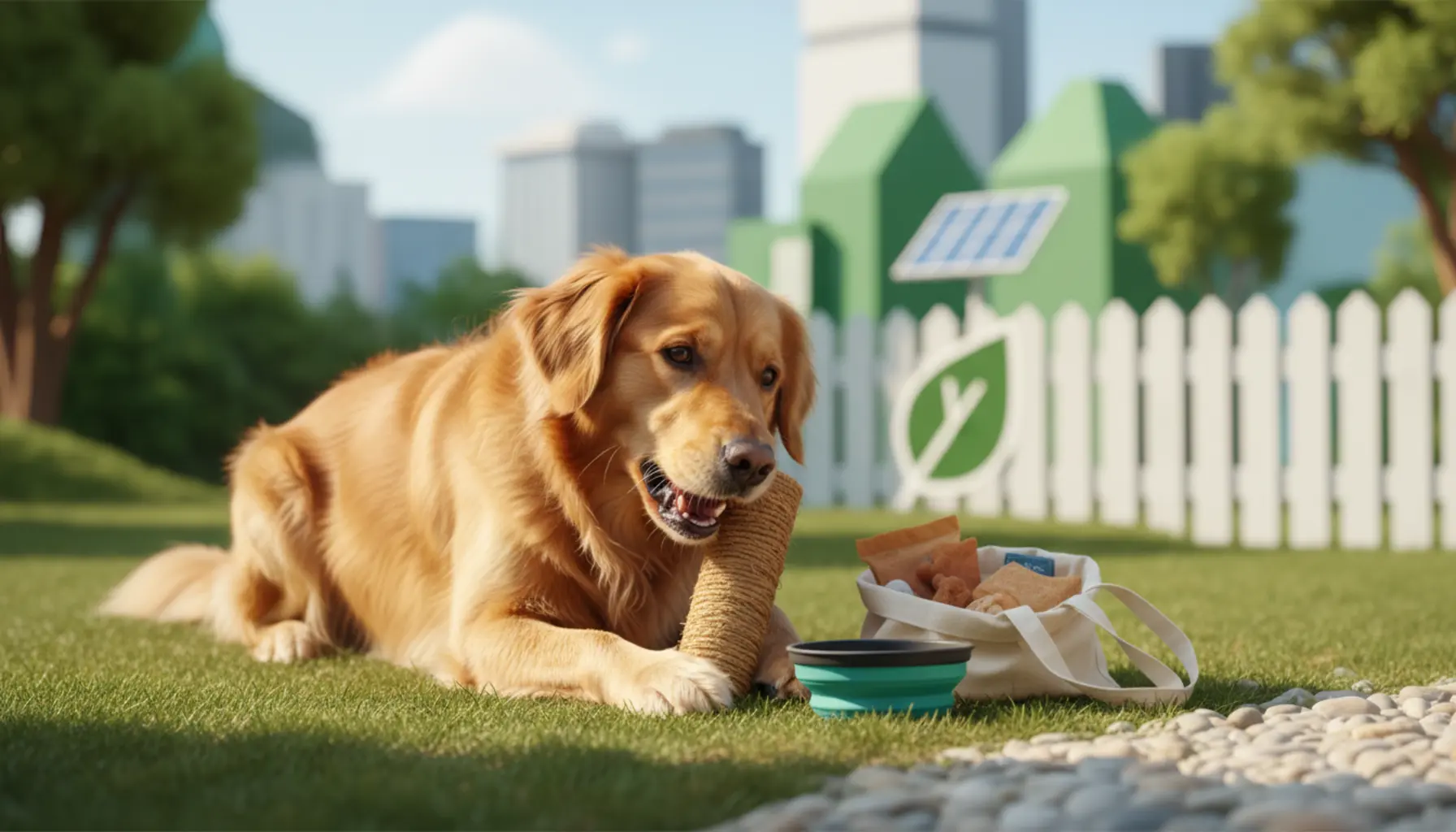
Eco-friendly living with animals is becoming increasingly important for conscious pet owners. Practical changes can help reduce your pet’s carbon footprint while supporting both health and the natural environment. Rank_math_focus_keyword helps implement specific actions that benefit both animals and the planet.
Table of Contents
- Why Reducing Your Pet’s Carbon Footprint Matters
- Eco-Friendly Products for Your Pet
- Balanced Diet: What Choices to Make
- Everyday Practical Tips
- Alternative Transportation Methods with a Dog
- Benefits for the Environment and Your Four-Legged Friend’s Health
Why Reducing Your Pet’s Carbon Footprint Matters
While pets are primarily associated with love, emotional support, and joy, there is increasing discussion about their environmental impact. It is estimated that dogs and cats worldwide account for up to several percent of global meat consumption, thus indirectly causing significant greenhouse gas emissions, water use, and environmental degradation. This is compounded by the production of litter, accessories, toys, cleaning products, and waste—from poop bags to food packaging. Each of these elements makes up the so-called “pet footprint,” or a pet’s environmental footprint. Reducing your pet’s carbon footprint is important not just as an abstract “fight against global warming,” but on a practical level: less pressure on natural resources, cleaner cities and green areas, reduced waste in landfills, and real support for local, more sustainable production models. Importantly, responsibility for this footprint does not lie with the pet, but with its guardian. Our purchasing decisions, choice of diet, modes of transportation to the vet, approach to spaying/neutering, and daily grooming and cleaning habits all determine the scale of our pet’s impact on the climate and environment. By limiting our pet’s carbon footprint, we also strengthen the coherence with our own values—for many, caring for the planet is already a natural part of their lifestyle, and including animals in this is a logical next step. Globally, millions of small choices by individual guardians bring about noticeable changes across the whole supply chain: pet food producers are more willing to introduce plant-based formulas, alternative protein sources (like insects or recycled animal by-product protein), biodegradable packaging, and zero waste solutions when they see growing interest among conscious consumers. In this sense, every responsible purchase is a form of “voting with your wallet” for a more environmentally friendly future in the pet industry. At the same time, reducing a pet’s carbon footprint does not mean giving up the animal’s well-being. On the contrary—in many cases, eco-friendly solutions are also healthier and behaviorally beneficial: high-quality, less processed food supports better physical condition and longer, healthier old age; walks on foot rather than short car rides provide more physical and sensory stimulation; natural, non-toxic cleaning products lower the risk of allergies and irritation. In cities, environmental care is also linked to better quality of life for all inhabitants—responsible cleanup after your dog, using compostable bags, and reducing noise and pollution contribute to a wider culture of human-animal cohabitation. There is also an educational aspect: by involving children in eco-friendly pet rituals (like sorting food packaging, choosing recycled toys, or taking walking trips rather than driving), we teach them empathy—both for animals and for the entire planet. These practical lessons turn ecology from an abstract idea to a daily reality, experienced through the bond with a beloved dog or cat. It’s equally important to realize that reducing the carbon footprint of pets is an integral part of the broader energy and climate transition. Scientific reports indicate that without emission reduction in many sectors—including agriculture and the food industry, crucial for pet food production—it will be hard to keep temperature increases at a safe level. Climate change also directly threatens animals: more frequent heatwaves, habitat loss, and extreme weather events impact wild populations as well as the comfort and health of our household pets. Hot summers increase the risk of overheating, dehydration, and tick-borne diseases, while winter anomalies may facilitate parasites, and seasonal changes disrupt the natural cycles we rely on for outdoor activities. A responsible guardian, by reducing their household’s (including pets) negative climate impact, indirectly supports their pet, who will have to live in a world shaped by today’s decisions. Finally, there’s the ethical dimension: since we derive so many emotional and psychological benefits from having animals, it’s natural to want to minimize the collateral harm their presence may have on other beings and future generations of people. Reducing your pet’s carbon footprint is an expression of responsibility for a relationship that, while bringing us joy here and now, also has consequences far beyond our home, city, or even country. Approaching pet care from a sustainable development perspective shows that love for animals can go hand in hand with caring for the climate, biodiversity, and intergenerational justice, and that the daily choices of a guardian have real significance both for the local environment and for global climate processes.
Eco-Friendly Products for Your Pet
Choosing eco-friendly products for your pet begins with a conscious analysis of the entire life cycle of an item—from raw material sourcing, through production and transport, to its disposal as waste. In practice, this means paying attention to a few key factors: materials (are they natural, renewable, recycled, certified?), durability (the longer it lasts, the less often you have to replace it), repairability or potential for reuse, and disposal method (is the product biodegradable, compostable, or recyclable?). Eco-friendly beds, blankets, or mats for pets are increasingly made from organic cotton, linen, hemp, or high-quality recycled PET, rather than cheap synthetics that emit microplastics. Look for information about material certifications (such as GOTS for organic cotton) or local production, which limits transport emissions. The same goes for bowls—stainless steel or ceramic models are durable, easy to recycle, health-neutral for the pet, and don’t need frequent replacement, whereas plastic bowls wear out faster, can break, release micro-particles, and rarely get recycled. Another important category is walking accessories: collars, leashes, and harnesses made from natural materials such as cotton, hemp, or vegan “leather” (from cork or other plant sources) usually have a smaller carbon footprint than traditional leather or cheap synthetic materials. If you don’t want to give up leather, consider products made from waste leather (upcycling) or made by local artisans, which reduce transport-related impact. A practical step is also to use what you already own—an old blanket can become a bed, and an unused pillow makes a comfortable seat, eliminating the need for new production. Remember, an eco-friendly product is not always the “trendy” one with a green label, but the one that genuinely reduces resource use and waste generation.
Among eco-friendly pet products, toys and hygiene items—used and thrown out most often—play a special role. Toys made from natural rubber, certified wood (FSC), hemp ropes, or wool felt are more durable and safer than plastic alternatives, and are easier to dispose of or compost if free of synthetic admixtures. For cats, eco-friendly scratching posts made from recycled corrugated cardboard are ideal—they’re light, attractive to cats, and after use, can be recycled with paper. Many brands now offer upcycled toys made from fabric scraps or other materials that would otherwise have ended up in a landfill—a great example of the circular economy in action. When it comes to hygiene products, choices have a particular impact on your pet’s carbon footprint. Dog owners can use compostable poop bags made from biopolymers or recycled plastics instead of regular single-use plastic bags. Consider roll-on bags in cardboard tubes or with minimal plastic to reduce unnecessary packaging. For cats, litter choice is key—traditional bentonite litters are mined via open-pit methods, imposing a heavy environmental burden. Alternatives include plant-based litters (wood, corn, soy, straw), which are biodegradable, lighter to transport, often compostable (if local regulations permit), and have a lower carbon footprint. Cleaning products for washing bedding, bowls, or cleaning litter trays should be eco-friendly, non-harsh, easily biodegradable, available as concentrates or bars, typically requiring less water and generating less packaging waste, while being safe for animals and humans alike. Supplement your eco-friendly kit with grooming products—solid shampoos instead of plastic bottles, brushes with wooden handles and natural bristles, bamboo toothbrushes, and pastes made from gentle, natural ingredients. More stores now support eco-choices, like refill stations for food or litter, or packaging return programs. Although eco-friendly accessories can be more expensive at purchase, their greater durability, safety, and environmental benefits tend to deliver savings and a lower yearly footprint in the long run.
Balanced Diet: What Choices to Make
A balanced pet diet combines real health needs with the lowest possible environmental impact. The foundation is understanding that a dog or cat is not a “small human”—their nutritional needs are different, so any meat reduction must be approached responsibly, preferably in consultation with a veterinarian or animal nutritionist. Start by choosing a complete food, with a clear ingredient list, nutrition profile matched to the species, age and activity of your pet, and quality certifications (e.g. FEDIAF, AAFCO). Ecologically, look for brands that use meat from responsible farms, high-value by-products (offal, cartilage, bone meal), and alternative protein sources like insect or functional plant proteins. This reduces resource waste while maintaining high nutritional value. More producers now offer insect-based formulas (e.g. Hermetia illucens larvae), which have a lower carbon footprint than beef or lamb while being highly digestible and hypoallergenic—an interesting option for dogs with sensitive stomachs or allergies. For cats, as obligate carnivores, dietary flexibility is less, but there are foods based on lower-impact proteins (poultry, certified sustainable fish, insects) instead of those rich in red meats. For dogs, a well-balanced vegetarian or reduced-meat diet is possible, but should always be a professional formula, not the result of random homemade mixes. Regardless of choice, check labels: the shorter the ingredient list and the fewer unnecessary additives, colorants and fillers, the better for your pet’s health and the environment—less processed raw materials usually mean lower production energy use. Source analysis matters too: local or regional ingredients mean shorter transport distance and lower carbon footprint, as well as support for local farms that tend to use more sustainable practices. Seek transparency on producer websites: openness about supply chains, sourcing, or grains shows engagement with sustainable development, while ecological certificates (e.g., organic farming, MSC for fish) confirm lower impact.
Your pet’s carbon footprint is not just about the food itself, but about feeding routines and how you handle packaging waste and leftovers. Choose larger food packages (if you can store them properly), as these generate less plastic per kilogram than many small sachets or cans. More brands offer recycled or recyclable packaging, and even refill systems; you can fill your own containers with bulk food in selected stores—an effective way to cut waste. For wet or homemade foods, use glass or stainless steel reusable containers, not single-use plastic bags. Home-prepared diets are not always “greener” just by being homemade—if they rely on many ingredients from multiple sources and require intensive cooking or freezing, their carbon footprint may not be lower than a good commercial food. If you do cook at home, plan shopping carefully, avoid food waste (use vegetable “scraps” for the dog if the vet approves), cook bigger batches, and store food in energy-efficient ways. Portion and feeding frequency also matter—pet obesity is both a health and a resource overconsumption issue. Following dietary guidelines, regularly weighing your pet, and matching food quantity to real activity levels reduces overfeeding and associated production emissions. You can also consider partial inclusion of local, seasonal veggies (pumpkin, carrot, zucchini for dogs) to support digestion and satiety, if a specialist agrees—this reduces the meal’s carbon footprint compared to meat. Remember, drinking water also counts: fresh, filtered tap water in a reusable bowl is more sustainable than bottled water, as is avoiding disposable bowls or plastic bottles on walks—opt for collapsible bottles and bowls you can use for years. Ultimately, view your pet’s diet as a system: from protein choice to ingredient sourcing, packaging, storage, portioning, and waste management—the more thoughtful your choices at each stage, the more you effectively minimize your pet’s daily carbon footprint.
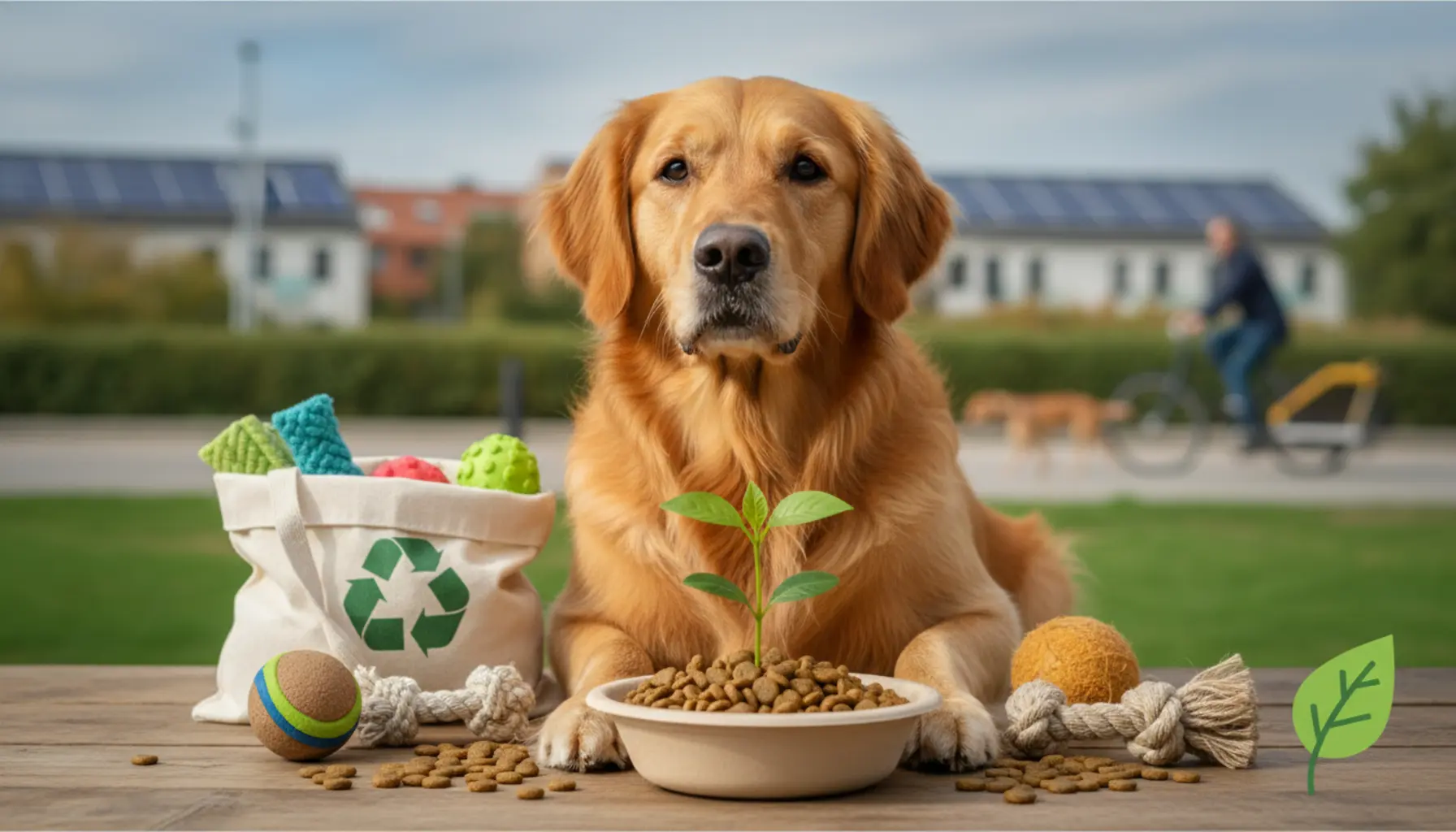
Everyday Practical Tips
Reducing your pet’s carbon footprint every day doesn’t require a revolution, but rather a series of small, consistent decisions that add up over time. Start with shopping habits: before buying a new toy, bed, or leash, see if you can repair or refurbish what you already have, or exchange items with other local pet owners. When you need to buy, choose durable products with transparent materials—preferably recycled or from renewable sources (organic cotton, hemp, cork, FSC-certified wood, natural rubber). Mind where items are produced—locally or regionally made accessories and food mean shorter transport and lower CO₂ emissions. When buying food, opt for larger packages if you can use them before they expire, to cut down plastic per kilogram of product. Plan store visits or online orders to combine them with other errands—like grocery shopping or commutes—instead of extra trips just for pet supplies. For deliveries, choose economical shipping (often better route optimization) and companies that offset emissions or use low-emission vehicles.
Walking and caring for your pet is another area for daily carbon footprint reduction without compromising well-being. Instead of driving to the park, pick a walking route you can start right outside your door—many dogs benefit more from frequent, shorter local walks than rare, long car trips. If the vet or groomer is nearby, try to go by foot, by bike (with a suitable carrier), or on public transport, combining it with other errands. For hygiene, use compostable or biodegradable waste bags and always pick up after your dog—not just for appearance, but to avoid polluting soil and water systems and added stress to local treatment plants. For cats, choose plant-based, wood or other natural litter materials over classic bentonite; dispose of them according to manufacturer guidance and local rules—never flush waste unless clearly permitted. Save water by choosing appropriately sized bowls, washing them regularly but without wasting water—ecological concentrated detergents help. Conserve energy by placing pet beds away from radiators and drafts; instead of heating or cooling rooms for your pet, use recycled blankets or layered textiles during cold periods. Minimize food waste—buy only amounts you will use, store in airtight recycled containers, follow portion guidelines and activity levels, and treat snacks as treats rather than meal staples. Leftover food can go in “treat balls” or sniffing mats—stimulating for your pet and reducing the need for new treats. If possible, choose vets, groomers, and pet hotels that advertise eco-friendly practices (waste sorting, energy-efficient equipment, using local food suppliers)—every such choice boosts demand for sustainable services. Make it a habit to ask about a product or service’s environmental impact, lower-carbon alternatives, and real necessity from a health and well-being perspective before each purchase. This day-to-day mindfulness becomes a habit, making it one of the most effective tools to lower your pet’s climate impact.
Alternative Transportation Methods with a Dog
Reducing your carbon footprint in daily activities with your dog starts with how you get around. Instead of always driving, consciously plan your walks, trips to the vet or groomer, or outings outside town by choosing more environmentally friendly transport. For many, the simplest and most obvious alternative is moving “on your own feet”—walking or running. By walking to the park, forest, or trainer’s office on foot, you reduce CO₂ emissions and improve both your and your dog’s physical condition. Plan your day to combine physical activity with other tasks—take your dog along to pick up a package or visit the local shop on foot rather than driving. With energetic dogs, longer routes can substitute a separate trip for running, and for seniors or convalescent pets, plan calm but regular walks instead of rare, long drives to distant green areas. Also, moving around the city on foot allows you to choose greener routes away from busy streets—less exposure to fumes and better comfort. Many cities now have green corridors, boulevards, or pedestrian-bike paths, making it easier to reach parks or open spaces with your dog, while learning about the infrastructure and meeting other pet guardians—helping build eco-friendly communities.
The second increasingly popular form of low-emission transport with a dog is cycling and micro-mobility solutions. Fit, active dogs can run alongside bicycles for part of the journey—always using a harness, short elastic leash, a special bike mount, and avoiding hot weather or slippery surfaces. For smaller, older, or ill dogs, special bike trailers, front or rear-mounted baskets, and cargo bikes are excellent—letting you transport your pet comfortably and safely for longer distances without emissions. In cities with good cycling infrastructure, you can combine shared bikes or electric scooters with walking—your dog walks alongside and you use electrical support for less pet-friendly stretches, but always match the pace to your pet’s ability and never force running on hard surfaces for long. Public transportation, which emits far less CO₂ per passenger than private cars, is also worth using. Many European cities allow dogs on trams, buses, subways, or regional trains—often for free or a nominal fee, if you follow the rules: muzzle (for large dogs), leash, and valid health book, with weekends and off-peak hours calmer for pet trips. To minimize animal stress, acclimate your pet gradually—start with short trips, bring favorite treats or a blanket, and choose less busy times. For long train journeys, bring a travel bowl, a reusable water bottle, and a foldable mat or bed—boosting comfort and cutting need for single-use accessories. Planning eco-travel with your dog is also about logistics: combine multiple errands in one trip, use local services accessible on foot or by bike, avoid unnecessary car trips, and use car sharing or ride-pooling with other guardians when a car is truly needed (e.g., emergencies or specialist vets). This makes the car an emergency, not default, option—radically reducing pet care-related emissions; meanwhile, your dog gets more daily activity and sensory input, supporting both physical and mental well-being.
Benefits for the Environment and Your Four-Legged Friend’s Health
Reducing your pet’s carbon footprint brings parallel benefits for both the planet and your pet’s physical and mental health. A lower-emission diet, based on responsible protein sources, usually means a more thoughtful formula—without unnecessary fillers, better ingredient quality, and higher nutrient assimilation. For your dog or cat, this means stable energy, better skin and coat condition, healthy weight, and lower risk of diet-related diseases like obesity, diabetes, or joint issues. High-quality insect protein or meat from certified farms where animals are fed without excess antibiotics or hormones lowers the risk of allergies and food intolerances, often found with cheap mass-market pet foods. Environmentally, replacing some conventional meat with alternative proteins (insects, high-quality by-products, well-digested plants) lowers methane emissions from intensive farming, reduces deforestation for feed crops, and cuts water use—meat production consumes huge amounts of water. Reducing food waste—by better portioning, storage, and reusing leftovers—means less landfill waste and fewer greenhouse gases from decomposing organics. Digestive health also benefits: higher-quality foods without unnecessary additives improve gut microbiota, proven to impact immunity, mood, and overall well-being in pets. Consistent, healthy stools mean fewer vet visits and less medicine, supplements, and production/transport resources. Eco-materials in accessories (recycled beds, cotton/hemp leashes, natural toys) reduce microplastic emissions, which reach water and soil and re-enter the food chain. For animals, this means less exposure to toxins like phthalates, BPA or heavy metals, which can accumulate in the body and disrupt hormones, fertility, or the nervous system. Biodegradable grooming products cut skin irritation, contact allergies, and respiratory risks—vital for sensitive breeds or those prone to skin issues. Using compostable bags and plant-based litter also lowers plastic and bentonite waste in landfills and incinerators, and in some municipalities, allows for local composting—supporting a circular economy.
Changing how you travel and organize daily activities with your pet saves real emissions and brings health gains. Replacing short car trips with regular walks means less exhaust, but also better cardiovascular fitness for the dog, stronger muscles and joints, and more stable behavior—exercise cuts stress, hyperactivity, destructive habits, and separation anxiety. For owners, this means less health risk from sedentary lifestyles and better immunity, building a healthier owner–pet relationship. Using public transport rather than a car reduces street congestion, noise, and smog, improving urban air quality. Dogs, especially those with sensitive airways, cough less and are less prone to mucous membrane irritation if walks happen in cleaner areas—like parks or green spaces you reach by walking or bike. Smarter shopping (buying less often but higher quality, in bigger packages or refill systems) means less driving, saving fossil fuels. There’s also less packaging waste (made and disposed of with emissions and energy use), and less exposure to chemicals from labels, adhesives, and inks—which matters for pets who chew and lick anything in reach. A more “minimalist” accessory approach (fewer but better, repairable things) reduces the production footprint and household clutter, calming some animals (less chaos and stress sources). Climate change brings more frequent heatwaves and severe weather, especially dangerous for senior, brachycephalic (short-nosed) or chronically ill animals. Lowering pet care-related emissions helps slow these shifts, offering better chances for stable climate and fewer extremes in the long run—reducing overheating, heatstroke, dehydration or worsening heart issues in dogs and cats. Importantly, cultivating a culture of responsible, “low-emission” pet choices inspires others—on the scale, many small decisions add up to real emission cuts, meaning better environments for your pet and all living beings in the same urban and rural ecosystems.
Summary
Reducing the carbon footprint of our pets not only supports sustainable development but also contributes to better health for our animals. By choosing ecological products, mindful diets, and sustainable transport methods, we can significantly reduce environmental impact. Adopting these practices in daily life not only helps protect our planet but also enriches our pets’ lives with more adventures and improved well-being. In the end, everyone benefits—both people and our beloved animals.

