
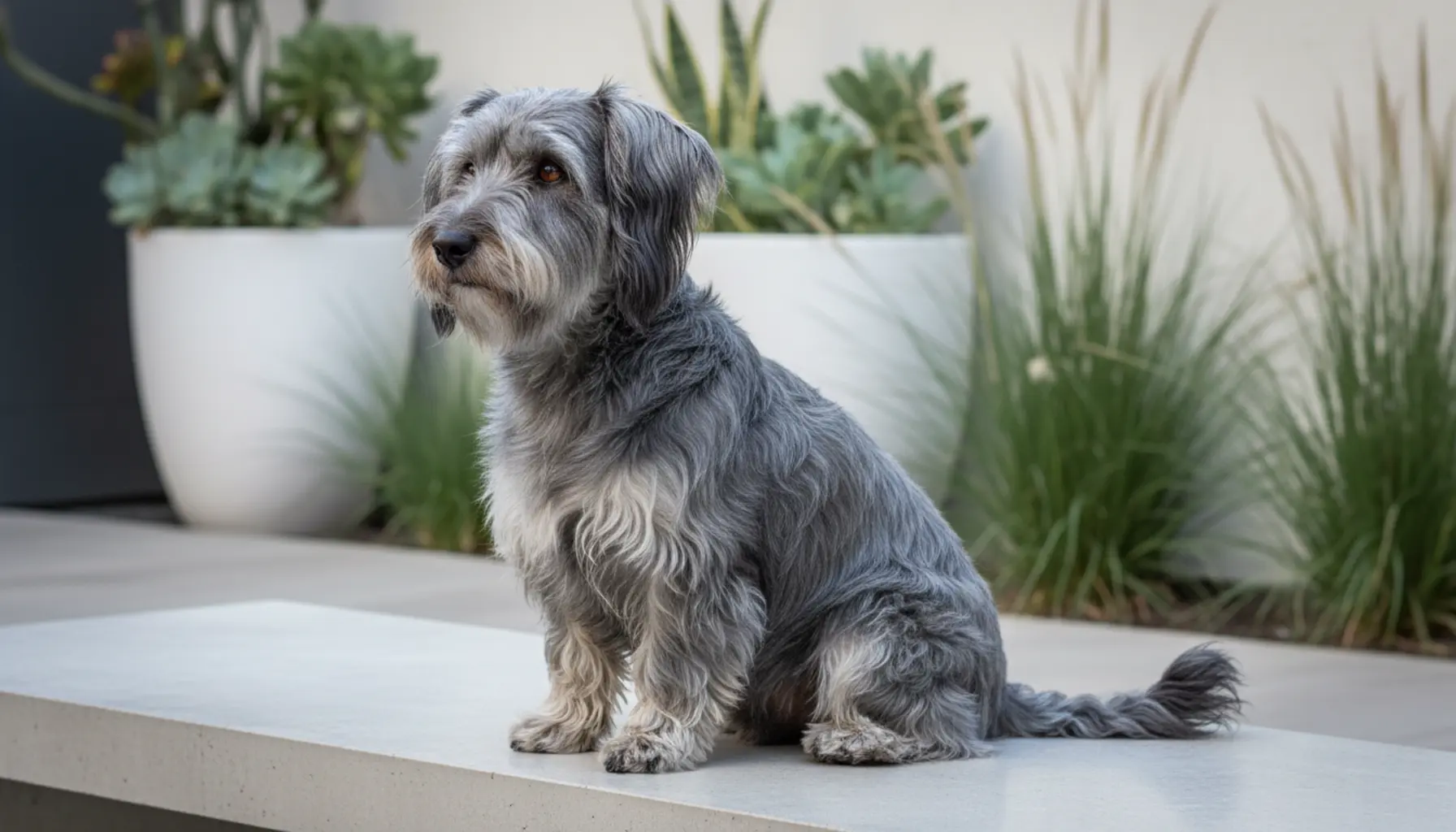
Skye Terrier is a dog breed with a unique silhouette and a rich history, distinguished by its exceptional coat and intelligent character. The Skye Terrier impresses with its courage and loyalty to its owner, making it a faithful companion for both singles and families. Proper care and understanding of its needs allow you to enjoy the health and beauty of this exceptional breed.
Table of Contents
- Skye Terrier Breed Description
- Character of the Skye Terrier
- Skye Terrier Care
- Skye Terrier Health and Diseases
- Choosing a Skye Terrier as a Companion
- Why Choose a Skye Terrier
Skye Terrier Breed Description
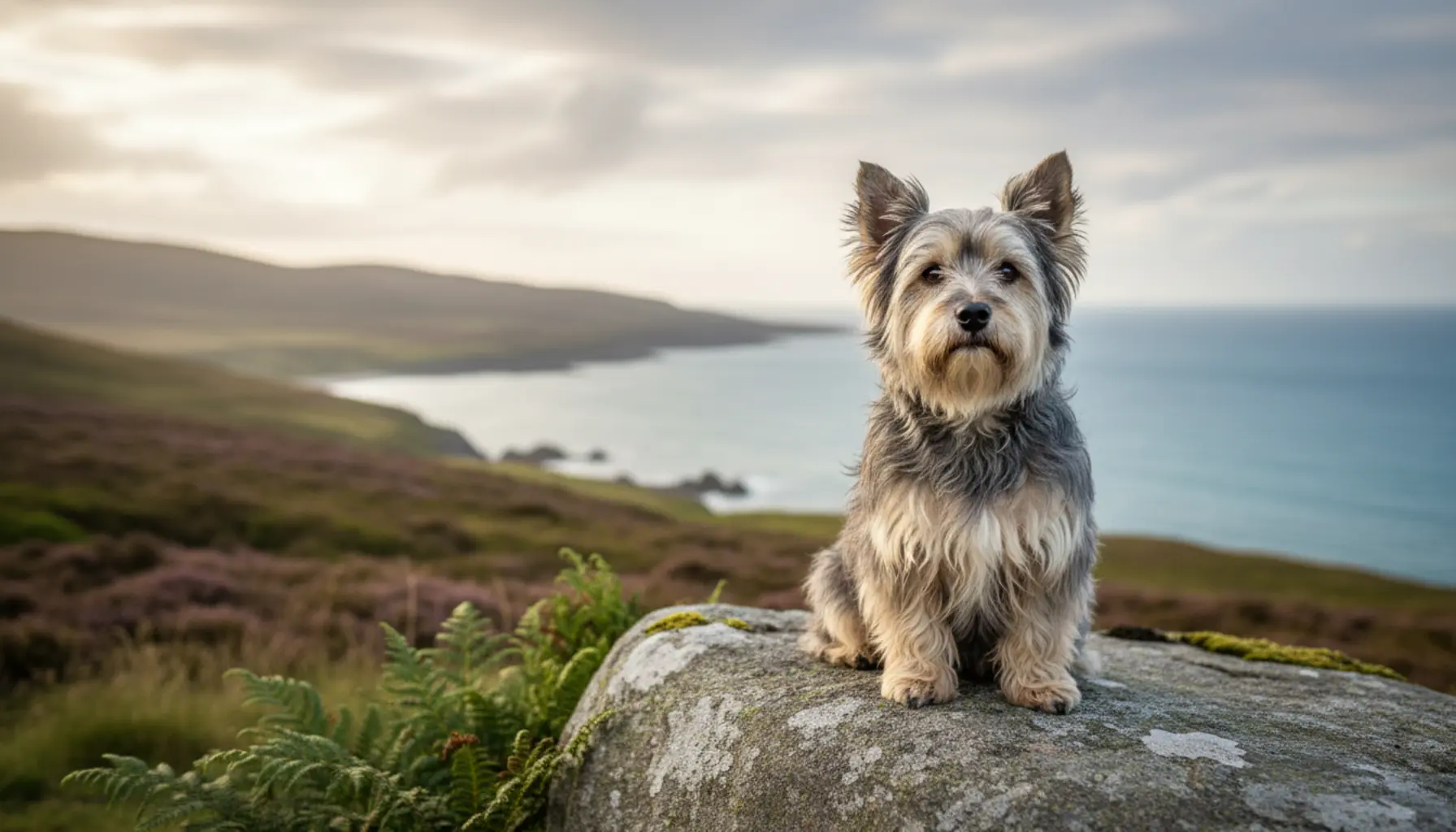
The Skye Terrier is one of the most distinctive terrier breeds, mainly due to its elongated body, low-set, strong limbs, and impressive, long coat descending along the sides like an elegant cloak. The Skye Terrier’s silhouette is clearly rectangular—the body length from the tip of the chest to the base of the tail clearly exceeds the height at the withers, giving the dog a particularly dignified, slightly “grounded” look. Despite its relatively small stature, this is a dog of robust build, with a well-muscled torso, straight back, and broad chest, originally adapted for work in the rough, rocky terrain of Scotland’s Isle of Skye. The head is long and proportionate to the rest of the body, with a distinct muzzle and strong jaws set in a scissor bite. Medium-sized, deep-set, expressive dark eyes give the dog an attentive, slightly melancholic gaze, further emphasized by the abundant coat flowing down the muzzle. One of the breed’s most recognizable features are the ears—they can be naturally erect or slightly dropped, but are always heavily fringed with long hair, creating a sort of tassel or plume that underscores the regal, even aristocratic, character of the breed. The tail is of medium length, carried in a gentle arc, never curled high over the back; its hair forms a soft, feathery line that harmoniously completes the dog’s long silhouette.
The Skye Terrier’s coat is one of the breed’s key visual elements and a reason why so many people fall in love with it. The coat comprises two layers: a dense, soft undercoat and a long, straight, harsh outer coat, which falls evenly on both sides of the body—often reaching the ground on a well-maintained show dog. The texture should be more coarse than silky, serving a practical function to protect the dog from damp, wind, and cold, as befitted its original working role. Typical coat colors include shades of gray (from light silver to steel gray), black, cream, and fawn, with the undercoat often slightly lighter. Gentle lightening on the muzzle and ears and minor shading on the limbs are permitted, but the coat should generally appear solid in color. Characteristically, the long hair on the head and muzzle should not completely obscure the eyes; proper grooming allows a balance between the natural veil of coat and a visible, alert expression. Despite being decorative, the Skye Terrier retains functional qualities: its low build, strong, straight legs, and harsh coat ensure resilience to adverse weather and agility in rough terrain. The breed is known for its self-assured, brave temperament, reflecting its past duties chasing vermin and guarding farms. In motion, the Skye Terrier moves with elasticity and fluidity, with a good reach in the forelimbs and strong drive from the rear, combined with a level topline giving a harmonious, elegant profile. Despite the long hair, it is not cumbersome—retaining characteristic terrier liveliness and energy, though its temperament is more balanced and dignified than many related breeds. All these features—elongated silhouette, rich coat, expressive head, and confident gait—make the Skye Terrier a dog difficult to confuse with any other, and its unique appearance has for years attracted dog lovers seeking an original yet functional companion.
Character of the Skye Terrier
The Skye Terrier is a dog of pronounced personality, combining the typical terrier independence, courage, and alertness with high emotional sensitivity and a great need for close connection with its guardian. Towards its family, it is loyal, devoted, and very attached, often choosing “one favorite person” to shadow around. Skye Terriers love to be close to their human—spending time on laps, next to you on the couch, or lying at your feet, all while maintaining considerable independence in decision-making. This is not an unthinkingly obedient dog—it has its own opinions, can be stubborn when it doesn’t see the point of following commands. For this reason, building a relationship based on trust, consistency, and calm yet assertive leadership is key in their upbringing—physical punishment and shouting are highly ineffective and can weaken the bond, while rewards, praise, and appealing motivation (treats, play) bring much better results. Despite compact size, the Skye Terrier keeps the mentality of a true, vigilant guard—closely observing the environment, quickly reacting to unfamiliar sounds or people, often barking to alert about an “intruder.” At home, they can be relatively noisy if not taught a “quiet” command or given enough mental and physical stimulation. They can be reserved, distrustful, or even restrained towards strangers—this is not a dog to greet everyone with enthusiastic tail wags. It needs time to get to know someone, but once accepted, can become friendly and warm. Such natural reserve is typical of the breed and shouldn’t be confused with aggression, although faulty socialization in puppyhood can lead to excessive fearfulness or reactivity. The Skye Terrier is intelligent and perceptive—quickly learning household routines, responding to moods, and instinctively sensing when their person needs peace or company. Their intelligence also comes with wit: they will test boundaries, seek weak points in house rules, and exploit consistency (or the lack thereof) in their owner’s behavior. That’s why from day one, it’s worth establishing clear rules—where the dog may go, if it can sleep in bed, when it gets food, what the walk routine is—and sticking to them, as the Skye will quickly learn to behave differently with different family members.
As a typical terrier, the Skye has a strong prey instinct and innate bravery—historically used for vermin control, requiring determination, independence and quick decision-making. These features are still present: while walking, it may eagerly chase cats, birds, or small rodents, and can easily be distracted by strong scents or sudden movement. For this reason, teaching recall from early puppyhood, and judicious leash use, are very important—long leashes are often safer than letting the dog off in most places. The Skye Terrier also requires thoughtful management of its mental energy—it is not as hyperactive as some sport terriers, but is certainly not a couch potato without activity. Daily walks for exploration, scent games, basic obedience, or trick training all support its wellbeing and help curb boredom, which could result in destructive behaviors (like chewing furniture) or excessive barking. With children, the Skye can be a good companion if the kids are taught to respect animals—it will not tolerate being pulled by the coat, ears, or tail, and may dislike loud, intrusive play. These dogs are best in homes with older, calmer children or adult families who can provide calm and predictability. With other dogs, they can be self-assured, sometimes dominant, and not always willing to compromise, especially with dogs of the same sex—early, proper socialization and controlled meetings with balanced dogs are key. With other species, especially small pets, relationships can be challenging due to hunting instinct. Emotionally, Skye Terriers are quite sensitive—they do not handle long-term loneliness, frequent changes or tense home atmosphere well. Being left alone regularly for many hours can trigger separation issues, so they do best with people who spend a lot of time at home or can arrange day care. At the same time, they are not excessively demanding in training intensity—they will suit both active singles and calmer owners as long as they get their daily share of regular walks, intellectual stimulation, and loving, stable contact. All this means the character of the Skye Terrier will be best appreciated by those seeking an intelligent, loyal, but independently-minded dog who will be not just a daily companion but also a discreet, alert home guardian.
Skye Terrier Care
Caring for the Skye Terrier requires consistency and patience, but in return allows you to keep the breed’s characteristic “coat” in great condition. The double-layer coat—a dense, soft undercoat and harsh, straight outer hair—serves as protection, so it’s important not to damage it with overly aggressive grooming. Contrary to appearances, Skye should not be brushed dry daily, as this may lead to breakage and puffiness. Typically, thorough brushing 2–3 times a week with a slicker brush or long-toothed brush plus a metal comb for the undercoat and tangle-prone areas (ears, armpits, groin, behind ears and under the tail) is enough. Before grooming, it’s worth spritzing the coat with a special detangling spray or leave-in conditioner to reduce friction and limit hair pull. Hair should be separated strand by strand, from skin to ends, rather than brushing just the surface. Tangles should be worked out with fingers or a special rake, avoiding sudden pulling, and any tight mats cut out carefully if they risk skin irritation. Baths need not be frequent—usually once every 4–6 weeks is sufficient unless the dog is very dirty. Use gentle shampoos for long-haired dogs, preferably moisturizing and strengthening, and afterward apply conditioner to smooth the coat and ease combing. Blow dry with the dryer on medium heat, brushing as the hair flows naturally; letting the dog air-dry increases risk of matting. Never shave a Skye Terrier short—the protective properties of the coat are lost, and hair quality is often worsened. Usually, light trimming of paw hair (between pads and around nails), tidying up near the anus, and possibly gentle shaping around the muzzle so as not to obscure the eyes or irritate their corners will suffice. Show dogs have specific grooming standards, but even the “pet” Skye should have an orderly and aesthetic appearance that does not distort the breed’s natural spirit.
Besides the coat, regular care of the skin, ears, eyes, teeth, and claws is essential—like all long-coated breeds, the Skye can hide minor dermatological problems under thick fur. During brushing, check the skin for redness, sores, dandruff, excess oiliness or dryness, and for parasites. The ear area is particularly sensitive; the fur around the pinna absorbs moisture and dirt, prone to infections. Both erect and dropped ears need regular checks—at least weekly, check for build-up, odor, or redness. Clean with special canine ear solutions and cotton pads, never reach deeply with swabs. Eyes, partly covered by longer hair, may tear up if strands irritate them—in such case, lightly trim or tie back the hair and wipe daily with a pad soaked in saline. Oral hygiene is another key aspect: Skye Terriers, like many small to medium breeds, are prone to tartar buildup; thus, teeth brushing 2–3 times a week (or daily if the dog allows) with a canine toothpaste is recommended. Dental chews and cleaning toys can supplement but not replace, regular brushing and professional cleaning as needed. Trim claws every 3–4 weeks, especially for dogs not naturally wearing them down on hard surfaces—too-long claws alter posture and strain joints, extra important for this long-bodied breed. To protect the spine and joints, maintain a healthy weight and provide safe conditions: avoid excessive stair use, jumping off sofas or cars without ramps, which can strain the back. As part of comprehensive care, regular physical and mental activity is crucial—longer walks combined with scent games or obedience exercises keep muscles strong and prevent boredom, which might result in excessive licking or damaging the coat. Also, remember about preventive health care—regular vet visits, vaccinations, deworming, tick and flea control—as good overall health directly translates to skin and coat quality. Consistent yet gentle grooming allows the Skye Terrier to look great while enjoying comfort and well-being, positively affecting its behavior, confidence, and desire for activity.
Skye Terrier Health and Diseases
The Skye Terrier is considered a relatively healthy and long-lived breed—many reach 13–15 years provided they receive appropriate care, a balanced diet, and regular veterinary attention. Already at the puppy selection stage, responsible breeding makes a big difference: reputable breeders test their dogs for hereditary diseases, ensure proper parent pairings, and avoid breeding dogs with health defects or severe skin allergies. For Skye Terriers, special attention should be paid to the skeletal and joint system, heart, eyes, and to the condition of skin and coat, which serve as a “barometer” of overall well-being. Puppies of this breed grow relatively slowly, and their long bodies and short legs expose them to potential musculoskeletal strain—for this reason, young dogs should not be forced into strenuous activity, running up stairs, or jumping off furniture, as this may result in microtraumas and later spine problems. Maintaining proper body weight is another pillar—excess weight increases risk of orthopedic problems and strains the heart; though small, the Skye has a good appetite and, with insufficient exercise, easily gains weight. Portions should be carefully matched to age, activity level and health, and treats used as a supplement, not the main part of the diet. Daily care should also include an immunization schedule (against infectious diseases, rabies), regular deworming, and external parasite protection (fleas, ticks, lice) that can transmit dangerous tick-borne diseases or cause intense itching and secondary skin infections. An adult Skye Terrier should visit the vet at least once a year for a check-up, including heart auscultation, dental checks, skin inspection and basic blood tests and urine tests; senior dogs need more frequent visits and more detailed diagnostics to catch early troubling changes.
The most common Skye Terrier health issues are skeletal and spinal disorders: hip dysplasia, Legg–Calvé–Perthes disease (affecting the femoral head in young dogs), or a tendency for elongate-back overload, sometimes resulting in pain syndromes or slipped discs. Symptoms to watch for include reluctance to move, stiffness after rest, lameness, sudden “freezing” during play, tail tucking, or yelping when lifted. These diseases have both genetic and environmental roots, so prevention covers parent testing by breeders, sensible activity during growth, and keeping a slim physique. If problems arise, the vet may recommend medication, rehabilitation, joint-support supplements, or even surgery. Another group involves eye diseases—some Skye Terriers may develop hereditary retinal disorders (progressive retinal atrophy—PRA), cataracts or entropion (eyelid rolling), showing as squinting, watery eyes, red conjunctiva, rubbing the muzzle or visible lens clouding; early diagnosing and ophthalmic intervention help reduce pain and vision loss. Due to their abundant coat, Skye Terriers are prone to dermatological problems—food or environmental allergies, sensitivity to flea bites, or a tendency for local skin inflammations (hot spots) in areas where the fur stays damp long. Warning signs include excessive scratching, chewing fur, dandruff, oily skin, odor, redness, or scabs. A good diet with high-quality protein and omega-3/6 fats, regular gentle grooming, and quick response to skin issues greatly improves quality of life. Remember oral hygiene—small and medium breeds including the Skye Terrier are prone to tartar, gingivitis and bad mouth odor; brushing several times per week, dental chews, and periodic professional cleaning at the clinic are effective in preventing periodontal disease, which can lead to heart and kidney problems if untreated. Some individuals may show heart issues (e.g., degenerative mitral valve disease), so older dogs in particular should get regular heart checks, and if murmurs occur, undergo echocardiography and ECG—prompt treatment can prolong a dog’s active, comfortable life. Tumor prevention also matters: watch for new lumps, moles of changed shape, subcutaneous thickening, or sudden lymph node enlargement; any suspicious mass should be checked by a vet, who will decide on biopsy or removal as needed before it poses a health risk.
Choosing a Skye Terrier as a Companion
Deciding to select a Skye Terrier as a companion dog should result from a thorough understanding of its specific needs, temperament, and lifestyle for which it was originally bred. This is not a breed “for everyone”—it requires a conscious, committed owner who both appreciates its independence and is ready to build a deep, almost exclusive bond. The Skye Terrier is the typical “one-person dog”: it often chooses a favorite person in the household to whom it clings most, though remains loyal and friendly to other members. It’s perfect for owners working hybrid or from home, spending much time at home and able to give the dog considerable attention during the day. Due to relatively small size and moderate exercise needs, it can be a good choice for apartment living, provided regular walks, exploration, and mental stimulation are provided. This is a breed for people who value a peaceful, intimate family life, who enjoy joint walks, but do not expect intensive sports or long-distance runs. Owners who value privacy and tranquility will also appreciate its alertness and tendency to inform about strangers approaching—it may be small, but it has a brave watchdog’s mindset and will not hesitate to warn about intruders. Its emotional sensitivity means it does not cope well with frequent owner changes, long loneliness, or chaotic, noisy homes. A house where residents change often and no one has time for consistent training may be stressful for the breed. Impulsive, impatient or shouty owners, or those inclined to physical punishment, are unsuitable, as such an atmosphere will make the Skye shut down, become fearful, or develop behavioral problems. Consider your surroundings as well: in city centers with more stimuli, Skye will need more work on habituation to noise, traffic, and encounters with strangers and other dogs; in rural or suburban locations there will be more peaceful walking options, but its hunting instinct may prompt chasing wildlife, birds or cats—fencing and leash walks are essential. For intellectually active people who enjoy learning and building a partnership, the Skye Terrier can be a fascinating training partner—especially if the owner realizes this is a slightly stubborn breed, requiring creative and positive motivation based on praise, treats, and play.
Assessing whether a Skye Terrier is the right companion must also consider family structure, presence of children and other animals, and long-term life plans. In households with children, the Skye thrives when adults teach the youngest to respect the dog—explaining not to tug its hair, force cuddling, or wake it from rest. By nature, it is not a “child’s dog” who tolerates anything, so is best in families with older, school-aged or teenage kids who understand safe contact. With other dogs, the Skye can be selective: early-life socialization is key for calm on-leash meetings and to reduce potential conflict. When other dogs are present, it is best to hold meetings in neutral territory and consult breeder or behaviorist to help select a puppy of suitable temperament. With cats and smaller pets, the Skye’s prey drive must be considered: some get along with household cats if raised together, but it typically requires patient, controlled socialization and managed spaces. It’s also crucial that a future owner realistically assesses their time, finances, and organization. Skye Terriers, although they do not need very long walks, need regular, time-consuming coat care, which requires purchasing appropriate shampoos, grooming tools, and possibly groomer visits. Add to this the costs of veterinary care, check-ups, and insurance, particularly if you want to cover orthopedic or eye problems. The responsible choice begins when searching for breeders: choose those affiliated with recognized kennel organizations, who screen for inherited conditions, socialize puppies, and share knowledge. A good breeder does not sell to just anyone—they will ask about your experience, living conditions, life plans, and expectations. For many, adoption is valuable too—sometimes Skye Terriers, especially young adults, end up in foster homes or terrier-focused rescues, but be prepared for working on the dog’s emotions or past problems. Finally, the future owner should ask themselves if they are ready for a dozen-year relationship with a dog who demands engagement, consistency, respect, and ongoing learning—a Skye Terrier will richly repay with loyalty, attachment, and presence that can become an invaluable daily support.
Why Choose a Skye Terrier
The Skye Terrier is a breed that combines extraordinary appearance, a strong character, and great emotional sensitivity, making it a unique companion for those who value a deep bond with their dog. This is not “just another small terrier,” but a dog with sharply defined individuality, capable of occupying a very important place in its owner’s life. One of the main reasons to consider this breed is loyalty—Skye Terriers attach incredibly strongly to one or several people, eventually treating them as their whole world. This is a dog who loves to accompany your daily activities: it will lie by your desk as you work from home, relax on your couch after a walk, and stay observant when guests arrive. Faithfulness and focus on the human provide a sense of presence and support, much appreciated by people living alone, seniors, or those with a quieter lifestyle. Despite its compact size, the Skye is not a “couch dog” in the stereotypical sense—it displays typical terrier courage, stubbornness, and alertness, making for excellent mini-guard dog qualities. At home, it is most often calm and balanced, venting energy on walks, in scent games, or through obedience training. Because of this, it fits well in both large apartments and houses with gardens, as long as it has contact with its human—it isn’t a dog for being left alone in the yard. Another advantage is its moderate exercise needs compared to many terriers; it does not need marathons, but requires regular, interesting walks to explore, learn, and exercise its tracking instinct. A properly socialized Skye can live with older children who understand gentle handling—it is devoted to family and reserved with strangers, making it both a faithful companion and alert domestic observer. Often, it gets on with other dogs if socialized early, though it is selective and not always enthusiastic about rough play. This balance of independence and loyalty, alertness and domestic calm makes it ideal for those who want a smart, thinking companion without excessive exercise needs. The Skye Terrier’s unique appearance—elongated body, low, strong legs, long drooping coat, and intense gaze—give it a noble, even fairytale-like, look that often attracts attention and becomes a conversation starter. Many owners value the daily joy and pride this breed’s rarity brings; it is not a “mass breed” so meetings with other Skyes are rare, emphasizing uniqueness. Its long coat, though requiring regular combing, does not shed heavily like some short-haired breeds, and with proper care remains clean and aesthetically pleasing indoors. Skye Terriers are great “home alarms”—quick to notice strange noises or motion, barking when appropriate, but not noisy for no reason if consistent rules are established from the start.
For those interested in developing a relationship via training, the Skye Terrier offers real potential. Intelligent and observant, it learns commands quickly, though needs calm, consistent, reward-based (not coercive) motivation. With good training, it can achieve basic and advanced obedience and excel in scent work activities, like nosework or simple tracking. Such activities let it channel natural hunting instincts in controlled ways, reducing boredom and curbing unwanted behaviors. The Skye forms strong bonds with one person—owners often report a close, friendship-like relationship in which the dog is acutely sensitive to moods, responds to their guardian’s emotions, and frequently seeks physical closeness, lying by feet or cuddling during rest. This emotional sensitivity makes it well-suited for those who work from home, spend much time indoors, or need a “quiet companion” for daily life—present but not pushy. Practically, Skye Terriers can be a good choice for urban dwellers: their size and moderate exercise needs make apartment living easy, while their endurance makes them fit for longer weekend excursions to the country, even in rough terrain. Their double-layered coat shields them from rain and cold, allowing outdoor activity year round. For those who appreciate breeds with historic roots, the Skye Terrier is especially attractive—it hails from Scotland as a farm dog and hunter, with its image featured in stories and British folklore. Owning a breed with such rich heritage is an added satisfaction for many, motivating owners to better understand their dogs’ needs. Its relatively scarce numbers mean more breeders focus on health, temperament, and socialization, increasing the chance that you’ll get a balanced, well-prepared companion. For a mindful, committed owner, the Skye Terrier is highly rewarding: repaying with loyalty, devotion, and readiness to cooperate. Its unique mix of courage and affection allows for a relationship many describe as exceptional among breeds they’ve known before.
Summary
The Skye Terrier is an exceptional breed combining unique physical traits and personality. With its long body and short legs, the Skye Terrier stands out for its confidence and sociability. Care includes regular brushing to maintain its coat in top condition. While it is generally healthy, attention should be paid to its typical health challenges. The Skye Terrier is an excellent choice for those seeking a devoted and charming companion that brings joy to everyday life.

