

Dog maintenance costs are a topic that is becoming increasingly important for prospective and current pet owners. Rising prices of dog food, veterinary services, and accessories can significantly impact the household budget. Check what expenses you should consider when planning life with a four-legged friend in the coming years.
Table of Contents
- Introduction to Dog Maintenance Costs
- One-Time Expenses Before Getting a Dog
- Monthly Expenses for Food and Accessories
- Annual Treatment and Insurance Costs
- Cost Projections for the Coming Years
- Tips for New Dog Owners
Introduction to Dog Maintenance Costs
The decision to bring a dog into your home is accompanied not only by joy but also by very concrete financial obligations, which will be felt even more acutely in 2026 due to inflation, the rising costs of veterinary services, and ever higher standards for animal nutrition and care. Many people planning to adopt or buy a dog focus primarily on the one-off expense of a puppy or purebred dog, or perhaps the cost of basic supplies. In reality, the dog’s budget consists of many items spread out over years, sometimes more than a decade of the dog’s life. You must consider daily expenses on food, health prevention, grooming, training, accessories, and the growing popularity of pet insurance. Importantly, dog maintenance costs are not fixed: they vary for the first year (with start-up costs and intense preventive care), adulthood, and especially for senior years, when medical expenses usually rise. Final costs are also affected by many variables: the size and breed of the dog (large dogs eat more, often require sturdier accessories, and may be prone to certain illnesses), place of residence (vet and grooming prices in big cities are usually higher than in small towns), the owner’s lifestyle (e.g., dog hotels, petsitter, or puppy kindergarten), and the chosen standard of care – from budget to “premium.” Remember, maintenance costs include not only what’s found on receipts, but also occasional and unforeseen expenses like sudden surgeries, ruined furniture, or replacement of home furnishings damaged during play, so a responsible approach to owning a dog in 2026 requires real—not wishful—financial planning. While considering if you can afford a dog, it’s important to understand the difference between initial, recurring, and variable costs. Initial costs include purchase or adoption fees, first supplies (bed, bowls, leashes, collars or harnesses, carrier, toys, grooming accessories), basic training, and often the first vaccinations or microchipping. This is a relatively high cost, but it’s paid once or within a short period. Regular expenses are what you’ll face monthly and annually: dog food (dry, wet, specialist diet), scheduled vaccinations, protection against ticks and fleas, deworming, possible health and liability insurance, cleaning products, dog grooming, and sometimes regular visits to a behaviorist or trainer. Variable and unforeseen costs are the hardest to plan for but can most severely impact your budget – for example, accidents, foreign body ingestion needing surgery, chronic illness treatments, specialist diagnostics, or business or holiday trips requiring paid care for your dog. In 2026, veterinary service and medication prices rise along with advances in medicine and increased accessibility to advanced procedures (MRI, CT scans, chemotherapy, rehabilitation), which improve your dog’s chances for a long, comfortable life but can make the cost of a single treatment reach several or even tens of thousands of PLN. Don’t ignore the effect of legal regulations and local policies: some cities and municipalities continue to charge dog ownership fees or fines for not cleaning up after your pet, and the lack of current rabies vaccination can result in fines—which indirectly should also be factored into “maintenance costs.” There’s also a steady increase in owner awareness, with a move from cheapest supermarket foods to higher-quality products, specialized diets, or BARF, plus growing popularity for additional activities such as dog sports, nosework, or obedience classes, all requiring payment for instructors, facility rental, or purchase of specialist equipment. Another important aspect is the psychology of spending: many owners declare “you can’t save money on a dog,” resulting in plenty of gadgets, treats, fashionable accessories, or regular visits to dog cafes—all of which build up the monthly maintenance cost, even if not necessary for animal welfare. Therefore, when planning the 2026 dog budget, separate true needs from wants, set a minimum realistic cost for a good quality of life for your dog, and optionally a higher level of spending for extra comfort and extras. Understanding the cost structure and their potential growth over time not only helps you avoid financial surprises, but also pick a dog (in terms of size, breed, needs) you can truly afford, which directly impacts the stability of your relationship and the safety of both the pet and your entire family.
One-Time Expenses Before Getting a Dog
One-time expenses before bringing a dog home are more than just the animal’s price—it’s a whole package of preparations, which in 2026 may range from a few hundred to even several thousand PLN, depending on where you buy, the breed, the size of the dog, and the standard of accessories you choose. First, you’ll need to decide where to get your dog: shelter or foundation adoptions usually involve a fee of 200–600 PLN, often covering initial vaccinations, deworming, frequently also spaying/neutering and a chip. Buying a puppy from a legal, registered purebred breeder starts at 3,000–8,000 PLN, and can exceed 10,000 PLN for trendy, rare, or highly popular breeds; this price typically includes a pedigree, health booklet or passport, and a starter food pack. Cheaper “ad listings” without pedigrees might look attractive, but often carry more risk of health or behavioral issues—which may mean much higher treatment costs over the years. Another group of one-off costs are the necessary accessories that let you safely and comfortably welcome your dog home. You’ll need a bed (100–400 PLN, depending on size and quality), water and food bowls (40–150 PLN per set; ceramic or steel last longer), collar or harness and leash (totaling 80–250 PLN; for large dogs, pick sturdier models), ID badge/tag (20–60 PLN, increasingly replaced by chip and database entry), and for puppies, additionally a mat or kennel crate (200–600 PLN). There are also toys and interactive accessories, averaging 150–400 PLN to start with in 2026—it’s better to invest in a few durable, safe products than keep buying cheap gadgets that break easily and can be dangerous. If you plan to transport the dog by car, include a car harness, carrier, or grid/net for the trunk (200–800 PLN, depending on the system and size), and for frequent public transport, a suitable muzzle (60–200 PLN) and a carrier for small dogs (150–500 PLN). One-off costs also include preparing your home: securing cables, buying baby gates (for puppies or active dogs) at 150–400 PLN, balcony netting or enclosure (from 200 PLN upwards), or the cost of a suitable vacuum cleaner if you haven’t had a pet at home before. Many people also buy basic cleaning and hygiene products for “doggy surprises” (pads, odor neutralizers), meaning an additional 80–200 PLN to start. For renters, an indirectly one-off expense might be higher rental deposit if the property owner requires it for those with pets.
The list of one-time expenses before getting a dog in 2026 should also include medical and legal costs, often overlooked in budget planning. The first step is dog identification—dogs from a shelter often are already microchipped, but for puppies from breeders or private sellers, this often falls to the new owner. Chipping typically costs 100–200 PLN, add database registration (sometimes included, sometimes an extra 30–80 PLN), which increases retrieval chances in case of loss. Next is the first visit to the vet after the dog’s arrival—even if the dog has current vaccinations, a good standard is a health check, nutritional consultation, and planning the next rounds of preventive care; in 2026 this visit will cost 150–300 PLN, with additional vaccinations (e.g., infectious diseases, rabies) raising the total by another 150–400 PLN. Some people also opt at once for basic blood or fecal tests, especially for adopted or uncertain-origin dogs – such a preventive package usually costs 200–500 PLN and lets you catch issues early. There’s also the one-off cost of educating the owner and preparing for the new role: books about training and raising dogs (100–300 PLN for several titles), or initial consultations with a behaviorist/trainer even before the dog arrives to plan the first weeks (150–350 PLN per consultation). Some additionally invest in home monitoring (a camera to observe a dog when away—150–600 PLN) or in household insurance including damages from the pet, often as a one-time or annual upfront payment. In summary, before the dog enters your home, it’s prudent to allow for a total preparation amount (not counting the dog’s price) of ca. 1,000–1,500 PLN on a strict budget, but when choosing high-quality goods, full medical prep, and home modifications, it can easily reach 3,000–5,000 PLN. The more you plan these costs in advance—listing “must haves” and “nice to haves”—the less likely you are to face unforeseen and stressful expenses at the very start of your life with your new four-legged friend.
Monthly Expenses for Food and Accessories
Monthly costs of keeping a dog in 2026 depend greatly on food and ongoing accessories that get used up or need replenishing. In budgeting, assume that food will be at least 50–70% of your monthly expense, with the rest spent on supplies, hygiene, and small purchases. The basic choice is between dry food, wet food, mixed diets, and specialist/chosen diets like BARF or veterinary foods. In 2026, good-quality dry food for a small or medium dog may cost around 120–250 PLN monthly, while for large dogs (25–30kg or more), this rises to 200–400 PLN or higher, especially if using premium or holistic products. Wet food is usually pricier per portion—a small dog may cost 150–300 PLN per month, and a large one even 400–600 PLN, if fed mainly wet food. Owners choosing home-prepared diets based on raw meat (BARF) or cooked meals must allow for the rising costs of meat, vegetables, and supplements—typically 250–500 PLN a month for a medium dog, assuming efficient meal planning and buying in bulk. Tailoring food to age and health is important: puppies, pregnant females, seniors, or dogs with food allergies often require specialist food, increasing the monthly cost by 20–50% compared to standard diets. Add to food cost training treats and chews—reasonable use means 30–120 PLN a month, but for dogs in intensive training or on high-quality treats (dried ears, skins, antlers) the monthly total can run 150–250 PLN. For health and budget, treats should be supplementary—not the diet base—as their excess strains your wallet and can cause obesity and health problems. In 2026’s price rise environment, planning dog food purchases ahead (using deals, loyalty programs, or buying in large packs) becomes a simple way to contain monthly costs without quality losses.
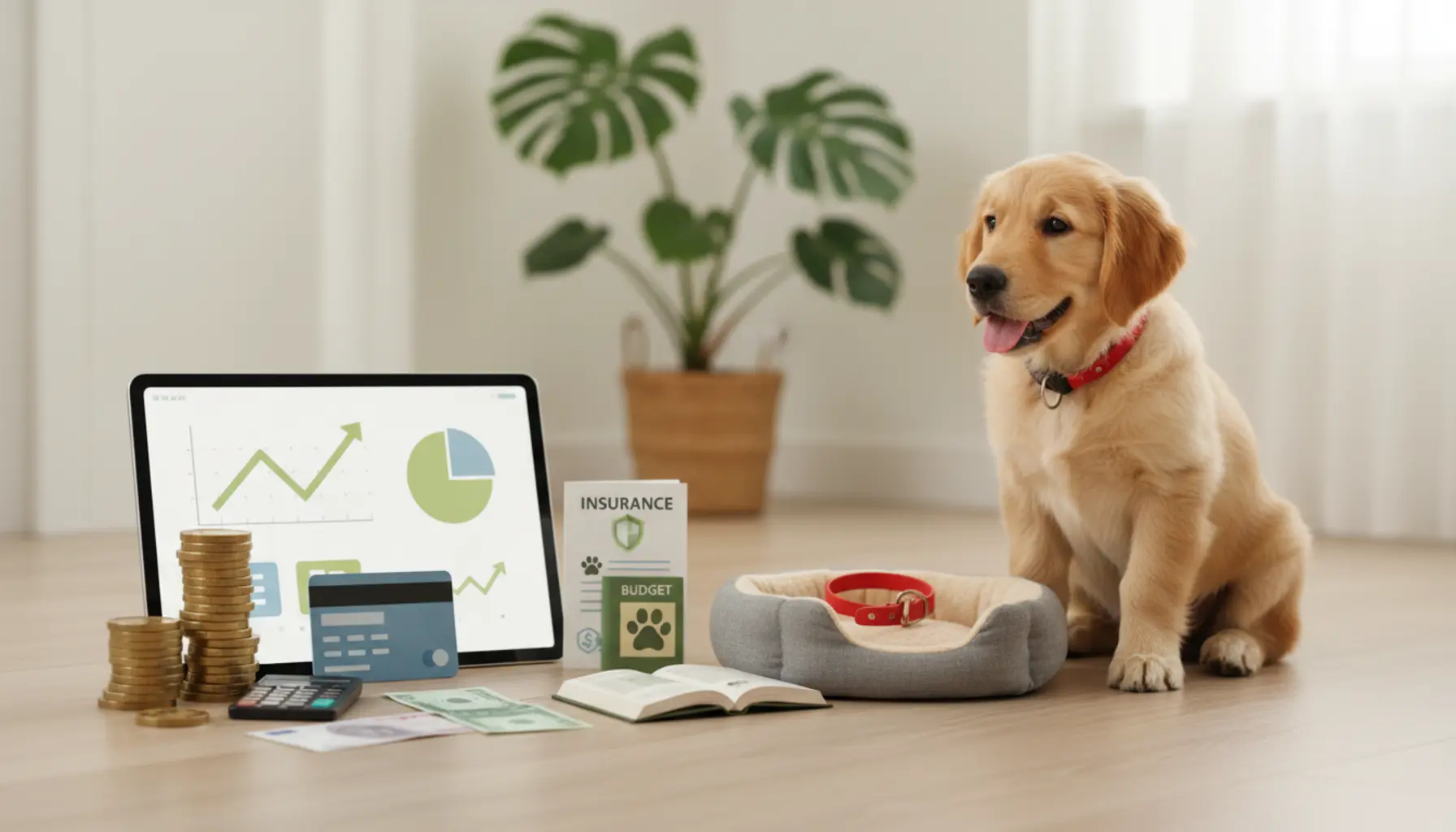
Aside from food, accessories are a consistent budget component. While not as expensive as food, their total makes a big impact over the year. Expect to regularly replace toys, replenish poop bags, fur and dental care products, and periodically swap out harnesses/leashes/beds. In 2026, the base monthly cost for accessories for an average dog is estimated at 50–150 PLN, but with high activity (intensive training, frequent walks in tough terrain, fast wear of toys), this climbs to 200–300 PLN. Poop bags seem minor but at 2–3 walks per day, this is 10–30 PLN monthly depending on the product range and ecological footprint. Grooming products (shampoos, conditioners, fur sprays, ear/eye cleaners) are not bought every month, but spread over time, 10–40 PLN monthly is a fair estimate, especially for high-maintenance breeds (long-haired, allergic). Oral hygiene goes for 20–60 PLN a month (toothbrush/paste, water additives, special dental treats), and regular dental care reduces the risk of expensive dental procedures later. Add 1–2 toys per month at 30 PLN (for simple tugs/balls) up to 150 PLN+ for durable interactive or educational toys/mats. Note that strong chewers (terriers, amstaffs, huskies) quickly destroy cheap toys, so investing in pricier but more robust pieces can be worth it in the long run. Harnesses, collars, leashes, or muzzles are typically replaced every several months, so per month that’s an additional 10–40 PLN. For owners into fashion/looks (dog clothes, designer accessories, personalized tags), actual monthly spending can be much higher. When budgeting for accessories, differentiate between essentials (bags, hygiene basics, leash, harness) and “luxuries” (extra toys, designer beds, clothes), so you can consciously adjust spending without sacrificing your dog’s basic comfort or safety.
Annual Treatment and Insurance Costs
Annual dog treatment costs in 2026 are one of the most important budget items, which many owners still underestimate. Usually only a first serious health problem makes us aware of how high the bills for diagnostics and procedures can be. For a healthy dog in a provincial city, you can expect that preventive care (vaccinations, deworming, tick/flea prevention, basic checkups) will cost 500–1,200 PLN per year for a small or medium dog and 800–1,800 PLN for a large one, with the upper range for better products and top clinics. The basic repetitive costs are rabies vaccination (about 70–150 PLN annually or every two years depending on vaccine/local rules), infectious disease vaccines (package 150–300 PLN per year), regular deworming (4x per year at 30–70 PLN = 120–280 PLN), and tick/flea protection (collar, drops or tablets—about 250–600 PLN annually depending on weight/product). Vets increasingly recommend annual blood and urine panels, especially for dogs over 6–7 years—these checkups cost another 200–500 PLN per year but may prevent much higher intervention costs later. Be aware that price lists in big cities (Warsaw, Kraków, Wrocław) are typically 15–30% higher than small towns, with 24h/emergency clinics charging even more. The age and breed of the dog significantly affect your budget—breeds prone to orthopedic, eye, or cardiac issues (e.g. German Shepherds, Bulldogs, Cavalier King Charles Spaniels) are more likely to require costly specialist consultations and lifelong drugs. A cardiology/orthopedic consult in 2026 may cost 250–450 PLN plus 200–500 PLN for imaging (X-ray, USG, echocardiogram), and MRI or CT is 1,500–3,000 PLN per test, with serious illnesses usually not limited to a single visit.
The most financially painful are sudden, unexpected events: car accidents, gastric torsion, acute pancreatitis, serious poisoning, or tumor surgeries. In these cases, 24/7 clinic bills easily exceed 3,000–8,000 PLN, with complicated surgeries or lengthy hospitalizations reaching 10,000–15,000 PLN. It’s these scenarios that are fueling the popularity of dog insurance—health and third-party liability (OC). The annual premium for basic health insurance in 2026 in Poland typically ranges 400–1,200 PLN for healthy dogs, depending on care limits (e.g., 3,000, 5,000, or 10,000 PLN per year), coverage (accident only, or also illness, diagnostics, rehab), and owner’s share of costs (deductible 10–30%). Extended packages for chronic illnesses, drugs, specialist checks, or post-orthopedic-surgery rehab can be 1,000–2,500 PLN annually, especially for purebreds 7–8+ years old. OC (third-party liability) covers damages to others, e.g., biting, destruction of property, accidents. Sometimes it’s included in your home insurance (full package 150–400 PLN/year), but dedicated dog-owners’ OC typically starts at 100–250 PLN per year with a 50,000–200,000 PLN guarantee limit. Realistically, the annual budget for treatment and insurance in 2026, with awareness of risks and a reasonable policy choice, should include at least 1,000–2,500 PLN for a young healthy dog (prevention+basic insurance), and 2,500–5,000 PLN or more for older dogs, breeds at medical risk, or owners seeking broad insurance protection. Owners who skip insurance should save at least 100–300 PLN monthly into a “dog health account,” so that sudden surgery is possible without taking out a loan or making difficult financial decisions.
Cost Projections for the Coming Years
Planning a dog budget shouldn’t end with 2026—responsibly acquiring a pet calls for looking at least 5–10 years ahead. Economists and the pet industry predict that in Poland, dog maintenance costs will continue to rise—though more slowly than in 2021–2024. With moderate inflation, you can estimate that the total cost of caring for a dog (food, accessories, vet, extra services, insurance) will rise 5–8% per year on average, with the quickest increases in professional veterinary, grooming, and hotel services. So, a dog with a 2026 monthly upkeep of 400–600 PLN (small/medium, basic care) may cost 500–800 PLN in 3–4 years, and in 8–10 years, as much as 800–1,000 PLN when aging and higher medical needs are included. Large dogs currently costing 700–1,000 PLN/month could reach 1,200–1,500 PLN in a decade, especially with premium foods and extended medical packages. The main trend driving future costs is continued “humanization” of pets—growing owner expectations for food quality, access to specialists (animal dietitian, physiotherapist, behaviorist), diagnostics on a human-medicine level, and premium services (boutique hotels, doggy fitness, sporting classes). Markets offer more—but at a higher cost. Additionally, climate change presents challenges: longer/hotter summers increase parasite activity, making prevention (tick, mosquito, worm meds) more frequent and costly, and raising the risk of diseases needing expensive cures. Also consider potential legislative changes: regular debates in Poland about tightening animal welfare laws (mandatory microchipping and registration—already introduced in some places), higher penalties for negligence, possible standards for minimal pet conditions. This means possible one-off or cyclical administrative fees, but also tighter breeding and pet shop controls, often paralleling price rises but also improved quality of services. Western Europe already mandates owner’s courses for some breeds or local dog taxes. If such solutions expand in Poland, budget a few hundred PLN a year for administrative fees and education. On the other hand, the insurance market’s development may eventually stabilize costs: though premiums will keep rising, a well-matched policy lets you “spread out” costly treatments into predictable monthly amounts. Within the next 5–7 years, expect more modular insurance policies for dogs—covering not only accidents, but also prevention, rehab, and chronic conditions—attractive mainly to those willing to accept a higher baseline cost.
When projecting costs for the coming years, break them into four main categories: nutrition, health, extra services, and accessories, and develop realistic growth scenarios for each. For food, expect continued growth in “human grade” products, veterinary diets, and individually tailored meal plans, meaning higher price increases than in the basic supermarket segment. Owners home-cooking or feeding BARF should be ready for fluctuating meat/veggie prices—with tough economic conditions, annual dog food budgets can go up 10–15%, especially for big breeds. Health costs are the most unpredictable but most critical: advances in diagnostics (MRI, CT, advanced blood tests) and treatments (chemotherapy, biological drugs, new orthopedic methods) will raise individual procedure prices, as will higher vet and staff salaries. Realistically, expect standard “healthy dog packages” (vaccines, deworming, parasite prevention, checkups) to rise by ca. 30–40% in the next 5 years, while single, complex treatments may cost 50% more than in 2026. Extra services—dog hotel, pet-sitting, dog-walker, training, sports classes, puppy preschool—are especially sensitive to labor and city rent increases. Owners in big metros should expect good dog hotels to cost 20–40 PLN more daily within a few years, and a private training session to approach rates for human personal trainers. Growing competition and the spread of online services (behavioral consulting, remote training/nutrition plans) may mitigate this trend somewhat by offering less hands-on but lower-cost solutions. In accessories, “modularization” will be visible: basic products (leashes, bowls, collars) will rise moderately, but premium products—smart feeders, GPS trackers, activity monitors, designer beds, strollers, technical clothing—will command much higher prices, especially for those who treat their dog as a full lifestyle family member. To prepare for these changes, adopting a financial buffer strategy makes sense: assume each year’s dog budget should rise by at least 10% (combining inflation, dog aging, owner expectations) and set aside a fixed extra amount for future health care or services from the outset. This way, increases, new rules, or sudden health needs won’t be a shock, but part of a consciously planned series of financial decisions for your four-legged companion.
Tips for New Dog Owners
Entering the world of dog ownership is not just joy, but also specific financial and organizational responsibilities, which in 2026 require good planning. Before you bring a dog home, honestly ask yourself: how much can you realistically spend per month, how often are you out, do you have help for illness or travel? Create a simple budget sheet: one-off purchases (bed, kennel crate, leashes, bowls), fixed expenses (food, prevention, insurance, cleaning products), and variable ones (training, hotel, grooming, extra tests). Set a min and max value you feel safe with, then add a 10–15% buffer for inflation/unexpected costs—in 2026 that’s a necessity, not a luxury. A smart step is to set up a dedicated “dog account” or savings sub-account and regularly put aside 100–200 PLN a month for future health costs. At the same time, think about which dog matches your lifestyle: an active guardian living near a forest can handle an energetic working breed, but a studio dweller working 10hr days might be better off with a senior, calmer, or small-breed dog, which affects both maintenance costs and comfort. Don’t be guided just by the lowest price for your dog’s origin—puppy mills tempt with “bargain” offers, but almost always result in higher future vet bills. A reputable breeder with pedigree, a responsible foundation/shelter is a bigger upfront cost, but usually less health/behavioral risk. Before your dog arrives, prep your home: remove poisonous plants, secure cables, trash, cleaning agents, and valuables that are easy to destroy. Invest in secure gates or a kennel crate—it’s not “prison,” but a safe space for your dog, and protects your home and finances in the intense first weeks of adaptation.
After your dog’s arrival, setting a stable routine is key, reducing your pet’s stress and preventing many future costly health and behavioral problems. Plan fixed hours for feeding, walks, play, and rest—chaos often leads to separation anxiety, destruction, and the need for behaviorist help. In 2026, good specialists are expensive, so invest in prevention: in the first weeks, join a puppy preschool or basic obedience class to learn together how to communicate and set clear rules. Choose schools using positive reinforcement, and before signing up check the total cost, what’s included, how often sessions must be repeated. Avoid food extremes—neither the cheapest supermarket food nor “superpremium” products bought due to ads are best by default. Consult a qualified animal nutritionist or vet for guidance on food suited to your dog’s age, breed, activity, and any illnesses; the cost of one consult may save you lots in skin, digestive, or obesity problems. Avoid diet fads needing expensive supplements unless you have the time and know-how to do it right—diet mistakes generate huge future medical bills. Prioritize preventive health from the start: a consistent vaccine schedule, regular deworming, tick protection, annual blood/urine checks are cheaper than treating late-stage diseases. Consider dog health insurance, especially if you choose a breed at risk or live in a big city (where vet costs are higher); carefully read the small print to know what is truly covered. Keeping a dog diary for vaccines, procedures, costs, food changes, unusual health, and behaviors is very practical—it helps spot worrisome trends early and future budgeting, letting you see which expenses are fixed and which can be cut. Remember your own financial and emotional limits: learn to say no to unnecessary buys (yet another toy, a trendy leash, costly gadget) and invest instead in what truly improves your dog’s welfare—quality food, sound veterinary care, training, appropriate activity, and time with you. This approach will keep your budget stable and make daily life with your dog more predictable, with fewer financial surprises.
Summary
Owning a dog is a serious financial obligation covering one-off initial costs and, as well, regular expenses for food, accessories, treatment, and insurance. An analysis of dog maintenance costs in 2026 shows the diversity of canine needs and how to plan your budget for the coming years. Prepared owners will be better able to meet their pets’ needs and enjoy their companionship without unpleasant financial surprises.

