
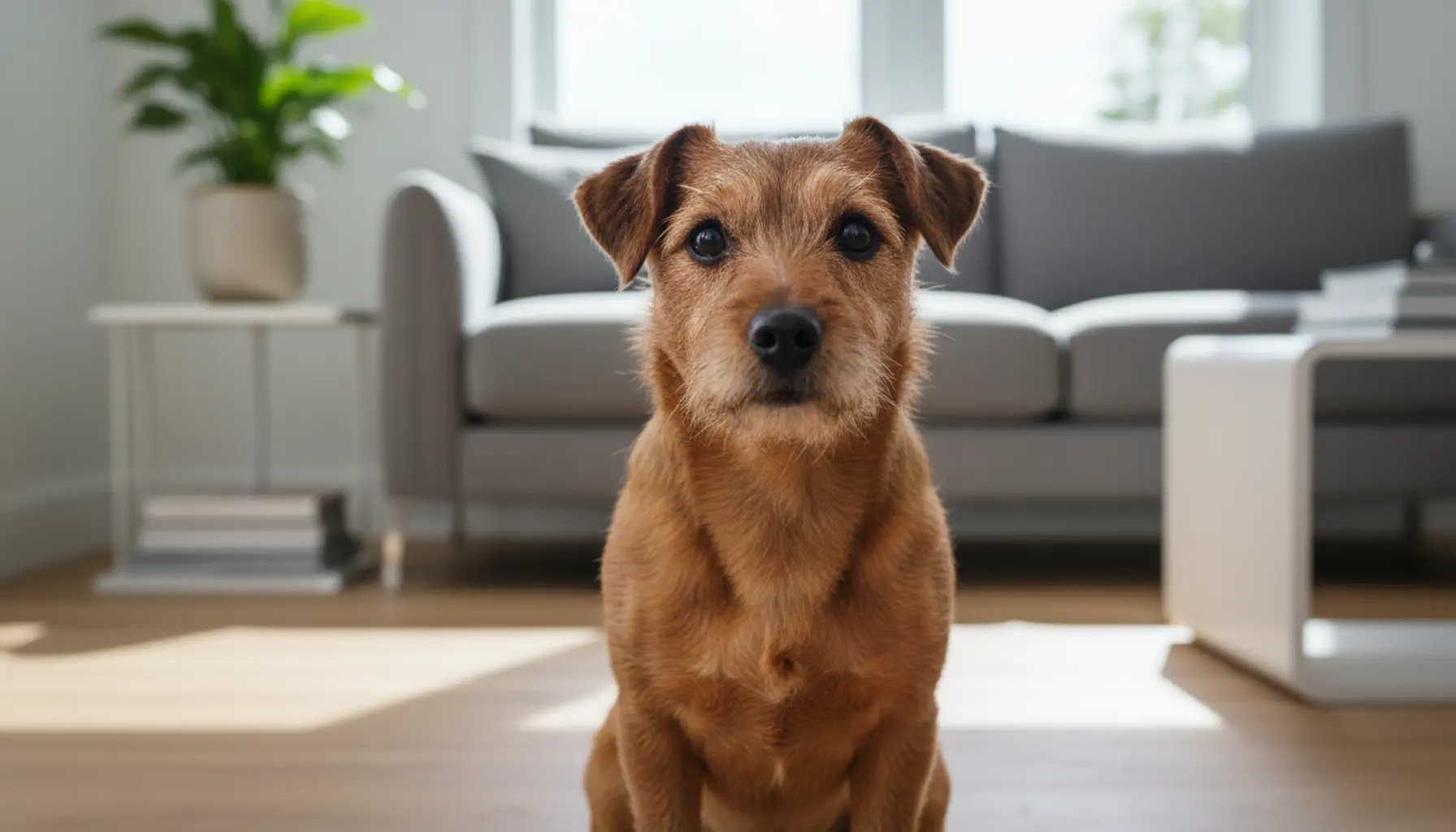
Norfolk Terrier is a small dog with a big personality and lots of energy, perfect for active individuals and families. The breed stands out for its cheerful temperament, easy coat care, and strong attachment to its owner. Discover if the Norfolk Terrier is the right dog for you and how to care for its needs.
Table of Contents
- Appearance and Characteristics of the Norfolk Terrier
- History and Origin of the Breed
- Character and Temperament of the Norfolk Terrier
- Breeding and Care of the Norfolk Terrier
- Is the Norfolk Terrier the Dog for You?
- Diet and Health of the Norfolk Terrier
Appearance and Characteristics of the Norfolk Terrier
The Norfolk Terrier is one of the smallest terrier breeds, but its compact size conceals a surprisingly sturdy and muscular build. An adult typically reaches a height at the withers of about 25–26 cm and weighs on average between 5 and 6 kilograms, maintaining a proportional silhouette without signs of fragility. Its body is slightly elongated, with a strong, straight back and well-muscled shoulders, giving it bounce and readiness for action. The key feature is the Norfolk Terrier’s head – relatively broad, with a slightly rounded skull, a clearly marked stop, and a strong muzzle. The eyes are medium-sized, dark, lively, and sparkling, with a distinctive “mischievous” expression that captures the breed’s cheerful disposition. Ears distinguish the Norfolk Terrier from its close relative, the Norwich Terrier – they are medium-sized, triangular, folded forward (so-called “button ears”), lying close to the cheeks, which gives the dog a softer, friendly look. The muzzle is strong but not too long, with well-developed jaws and a scissor bite, suitable for its original role as a hunter of small pests. Completing the silhouette is a medium-length tail, which, in countries where docking is forbidden, is left natural – typically carried upright or slightly curved, clearly showing the dog’s mood and readiness to play. The Norfolk Terrier’s coat is harsh, coarse to the touch, and close-fitting, forming a naturally weather-resistant “protective cover.” The undercoat is dense and soft, protecting the dog from cold and moisture. The hair is slightly longer on the neck, shoulders, and back, while the head is gently framed without excessive feathering or a long beard – the breed should look natural, without overstyling. Acceptable coat colors include various shades of red, wheaten, grizzle (gray), as well as black and tan, with the color ideally being as uniform as possible, without large white markings. Overall, the Norfolk Terrier presents as a small but “solid” dog – resilient, strong, and more workmanlike than lapdog in essence, although its size makes it ideal for apartment living.
The Norfolk Terrier’s characteristics are as prominent as its appearance – it’s a dog with a big temperament in a small body. By nature lively, cheerful, and courageous, it retains the typical terrier confidence, but in a gentler, more sociable form. It is highly attached to its family and often selects a “favorite person,” yet willingly bonds with all household members, including children, as long as it is treated respectfully and not subjected to unpleasant experiences. A well-socialized Norfolk Terrier combines the traits of a brave working dog and a loving companion – alert and responsive to new stimuli, yet fond of closeness, sitting on its owner’s lap or napping together after an active walk. As a former ratter and earth dog, it maintains a strong hunting instinct and independence in decision-making, leading to a tendency to chase small animals and natural curiosity about anything that moves. However, it’s not an aggressive dog – its courage is about readiness to face new situations, not conflict. Toward strangers, the Norfolk Terrier can be reserved, but it usually warms up quickly when it senses a positive attitude; it’s not extremely timid nor overly noisy, though, like most terriers, it may bark when something arouses its vigilance. It’s an intelligent, receptive, and cooperative breed, provided training is consistent and filled with positive motivation – harsh methods or yelling may lead to stubbornness and reluctance. Norfolk Terriers thrive on activity: walks, retrieving games, simple scent work, or learning tricks help channel their energy and prevent boredom, which, in such a bright dog, can swiftly evolve into unwanted behaviors like digging or inventing “new amusements” at home. Thanks to their balance and openness, they adjust well to urban life if given enough physical and mental stimulation. They usually get along well with other dogs, although males may show some dominance toward rivals; early socialization and emotional control are key here. Despite their independence, Norfolk Terriers dislike prolonged solitude – they do best at the center of family life, participating in daily activities and maintaining regular, close human contact.
History and Origin of the Breed
The roots of the Norfolk Terrier date back to 19th-century England, specifically to Norfolk county in the east, where small, hardy terriers were mainly used as farm dogs. Their main job was to rid farms of rats, mice, and other small pests that threatened grain stores and livestock health. Farmers and stable boys valued these dogs for courage, energy, and exceptional determination when working underground, in burrows, and barns. At that time, no one considered shows or pedigrees – terriers were bred for utility, crossing local small, rough-coated terriers, including ancestors of today’s Border, Cairn, and Irish Terriers. From this informal, practical “breeding program” emerged the dog type we know today as the Norfolk Terrier: low, strong, resilient, with a clear hunting instinct, and a characteristic harsh coat protecting it from adverse weather. In the late 19th and early 20th centuries, the growing popularity of field sports and fox hunting meant that these small terriers were also used to accompany larger hound packs, to flush game from dens and thickets, further enhancing their courage, mobility, and decisiveness. Later, more and more dog lovers noticed their appealing looks and sociable nature, so these little “working” dogs moved from farms to homes, becoming compact companions still retaining much of their work ethic. However, the real development as a show and family breed came when interest grew in standardizing English wire-haired terriers and distinguishing the various types as separate breeds.
For a long time, the Norfolk Terrier was grouped together with the Norwich Terrier and both variants were called Norwich Terrier, despite a fundamental difference in ear carriage: the Norfolk had dropped ears, Norwich – erect. In practice, breeders did not pay much attention to this – a single litter could have both ear types, and functionality and temperament were prioritized. In the early 20th century, these dogs became popular in the academic setting of Cambridge, where small, brave terriers were kept in dormitories both for pest control and as companions for students. This consolidated their reputation as intelligent, cheerful dogs, deeply attached to people yet full of terrier spirit. In 1932, the British Kennel Club recognized the Norwich Terrier as an official breed, including both ear types in the standard. Over time, differences in type and breeder preference led to a clearer split. Finally, in 1964, the Kennel Club formally separated the breeds: dogs with erect ears kept the Norwich Terrier name, while the drop-eared variant became the Norfolk Terrier. The American Kennel Club and other organizations, including the FCI, followed suit, allowing breeders to clearly define type and temperament. Despite its relatively short history as a separate breed, the Norfolk Terrier retains strong links to its working past: it remains persistent, fearless, vigilant, and weather-resistant. However, with the development of cynology and changing lifestyles, its role has shifted from barns and fields to the living room, where it excels as a family and companion dog. Today, the Norfolk Terrier remains quite rare, due to responsible, non-mass breeding, but enjoys growing interest from those looking for a small, characterful breed with a genuinely “terrier” heritage rooted in British rural and hunting traditions.
Character and Temperament of the Norfolk Terrier
The Norfolk Terrier is a dog with a truly remarkable personality in a compact body – lively, brave, and very attached to people. As a typical terrier, it remains alert, energetic, and always ready for action, but is noticeably more balanced and a bit less impulsive than some other small terriers. At home, it is generally jolly and friendly, keen to join all family activities, often “following its owner like a shadow.” This makes it a great family dog, as long as its need for physical and mental activity is met. The Norfolk Terrier is naturally trusting and open toward people, but not intrusive – it can calmly lie beside its owner if it has had its fill of exercise beforehand. Despite its small size, it’s a true “big-hearted dog,” surprising with its courage and readiness to face new challenges, but should not be overly noisy or aggressive if well raised and properly socialized. For many, it’s important that the Norfolk is usually more affectionate and “softer” in nature than the typical, tough terrier – meaning it more easily forms strong bonds and responds acutely to its human’s moods, being quite sensitive to harsh treatment or raised voices. Still, it’s not a fearful dog – its natural confidence and curiosity make it eager to explore, treating new situations as an adventure so long as it feels secure with its guardian. The Norfolk Terrier also has a strong sense of belonging toward “its” family – often choosing a favorite person, but generally getting along with all household members and enjoying play with children if they are respectful and do not treat it like a toy. This is a breed that craves company – left alone for many hours a day, it can become frustrated, bark excessively, destroy items, or compulsively dig in the garden, so it is best suited in homes where someone is present most of the day or where the dog can accompany its owner in daily activities.
A typical feature of the Norfolk Terrier’s temperament is the combination of a strong hunting instinct, high intelligence, and stubbornness, requiring consistent yet gentle guidance. As a former ratter, it has a natural tendency to chase moving objects – squirrels, birds, cats, or even bicycles – unless taught from the beginning how to behave. A well-socialized Norfolk can get along well with other dogs and generally does not seek conflict but will not be intimidated – its courage and self-assurance mean that it won’t retreat in the face of challenges, making it important to teach calm passing and emotional control on a leash. With strangers, it is usually friendly and curious though potentially reserved at first; thanks to its keen senses, it makes a good “home watchdog,” quickly barking to alert to approaching visitors. Day to day, the Norfolk needs a fair amount of activity – it is not a typical couch potato, even if its size suggests otherwise. It needs at least several walks per day, at least one of which should be longer and diversified with fetch, tracking, or obedience exercises. This is a dog that enthusiastically works with humans: it excels in dog sports like agility, rally-o, or nose work, where its intelligence, speed, and keen nose can be put to use. In training, positive reinforcement is crucial – rewards, treats, praise, and play; harshness or shouting can break trust and drive the dog to become stubborn, withdrawn, or overexcited. Short, varied training sessions incorporated into daily routines help the Norfolk happily cooperate and learn new commands. Its temperament makes it perfect for active people, though not necessarily for those into extreme sports – regular, energetic walks, country outings, garden play, and engaging training are enough. In return, the owner gains a compact, very happy dog – alert and terrier-like outdoors, affectionate and relaxed at home, assuming its liveliness and curiosity are constructively satisfied daily.
Breeding and Care of the Norfolk Terrier
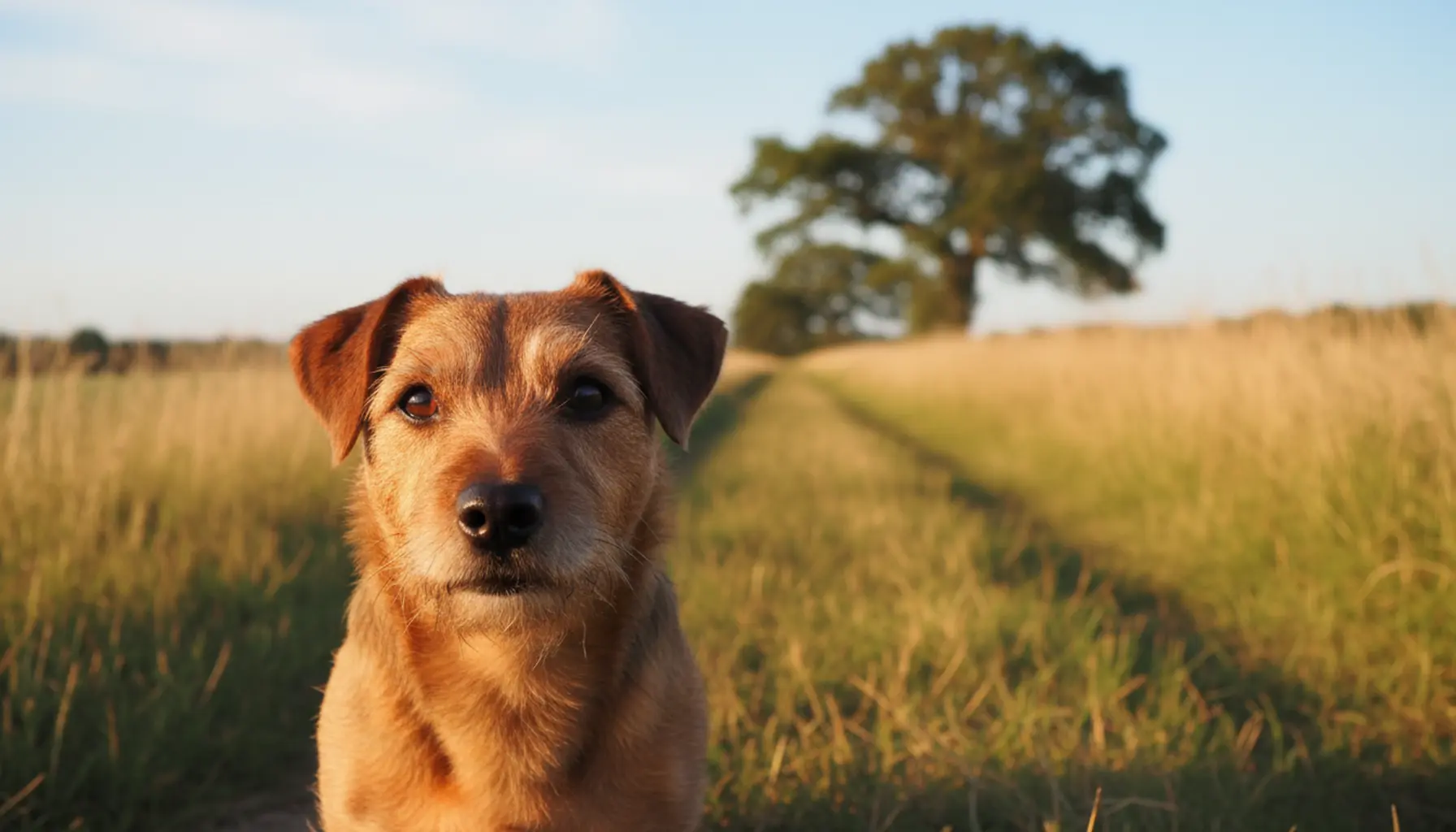
Despite its small size, the Norfolk Terrier requires a responsible approach both in breeding and daily care. When choosing a puppy, pay attention to kennel reputation, kennel club affiliation (e.g., ZKwP/FCI), and the way dogs are kept. Good breeders not only provide current health test results for the parents (heart, eyes, sometimes screening for genetic diseases typical for small breeds and terriers) but also ensure proper puppy socialization, exposing them to various sounds, surfaces, and situations. It is important that the breeder selects for stable temperament – overly shy or aggressive dogs should not be bred. Future owners should also review pedigrees, breeding lines, and the parents’ characters, as in this breed, not only appearance but also energy, work drive, and prey tendencies are often hereditary. Caring for an adult Norfolk Terrier is about providing enough activity and mental stimulation – at least two longer daily walks, with the opportunity for free running in a safe, fenced area or on a long line. Remember, the prey drive can be very strong, so off-leash walks in unfenced areas must be carefully considered and recall thoroughly trained. Equally important is mental stimulation: learning commands, nosework, simple sniffing games, and enrichment mats help expend energy and prevent boredom, which in terriers often leads to digging, barking, or destruction. As a sociable dog, the Norfolk needs direct human contact – long hours alone at home or in a kennel are not suitable and may lead to behavior problems like separation anxiety. Nutrition should be matched to the dog’s age, activity level, and health; high-quality commercial foods (with a clear composition and adequate protein), home diets, or BARF supervised by a canine nutritionist or vet are all suitable. Avoid overfeeding – Norfolks tend to “beg” and accept treats from everyone, promoting weight gain that burdens their joints and heart. Provide constant fresh water, monitor weight, and perform regular deworming and preventive vaccinations – these are key for health. Dental prophylaxis is also important (chew toys, tooth brushing, vet check-ups), as small breeds are more prone to tartar buildup.
The Norfolk Terrier’s harsh coat is one of its hallmarks, but requires specific care. The coat is double: a hard, wiry topcoat and dense undercoat create natural protection against cold, moisture, and injury. Regular shaving with a clipper is not recommended – it softens the coat and weakens protective function, possibly leading to skin problems. The standard is hand-stripping: removing dead outer hair by hand or with stripping knives. Usually, a full stripping is needed every few months, with light “pulling” between to maintain the outline in show or working form. If you do not feel comfortable stripping, seek a groomer experienced with harsh-coated terriers – improper technique can cause pain, skin irritation, or damage the coat. Baths should be occasional and only use gentle dog shampoos, ideally for harsh coats; frequent bathing washes away the natural protective layer and dries the skin. After bathing, dry the coat thoroughly, comb, and shape if needed. Regularly check the ears – in the Norfolk Terrier, these are folded, requiring cleaning with dedicated solution and removing excess fur from the canal (where advised by your vet or groomer) to prevent inflammation. Eyes should be wiped as needed, especially if there is tearing or debris in the corners. Nails should be clipped regularly if they are not worn down – long claws affect gait and can be painful. Grooming includes keeping up muscle tone with short but energetic play sessions, indoor obstacle courses, basic agility, or short dog trekking adventures. You should also work on your dog’s mental balance: settling down after walks, teaching calmness in the bed, keeping to a regular routine, and setting gentle but clear boundaries at home all help the Norfolk Terrier thrive as a family member. Taking care of all these aspects – careful breeding, sensible feeding and exercise, proper coat, and health care – allows you to fully realize the potential of this small, yet highly demanding and devoted breed.
Is the Norfolk Terrier the Dog for You?
Choosing a Norfolk Terrier should be a thoughtful decision because, despite its compact size, this breed demands commitment, time, and consistency. Above all, consider your lifestyle: the Norfolk is not a “couch potato,” though it will happily snuggle after an active day. It does best with people who enjoy spending time outdoors, go for walks, trips outside the city, and are willing to devote at least several dozen minutes a day to activities – both physical and mental – with the dog. This breed is ideal for families with slightly older children who understand how to handle animals, as the Norfolk, despite its cheerful and patient demeanor, dislikes rough play, loud teasing, or being treated like a toy. Thanks to its balanced temperament and moderate size, the Norfolk Terrier does well in apartments, provided it gets enough exercise – lack of a garden is not an obstacle if the owner is consistent with walks and play. On the other hand, one must be mindful of the hunting instinct that may come up during walks: chasing cats, squirrels, or birds is a common scenario, making leash manners and recall essential, as is careful management of environments with lots of wildlife. The Norfolk Terrier can be noisy – like many terriers, it tends to bark, especially when bored, left alone too long, or when something “suspicious” is heard; in an apartment, early focus on the quiet command and fulfilling boredom-prevention is advised. It’s highly attached to its family and doesn’t handle long-term loneliness well, so it’s unsuitable for people away most of the day or who travel frequently without the ability to take the dog. It greatly values human closeness and joint activities, so it thrives with owners having flexible work schedules, remote work, or family support for daytime care. Bear in mind the “terrier stubbornness” – Norfolks are intelligent but independent: quick learners, but won’t blindly obey if bored or uninterested. Rather than strict discipline, they need a patient guide who uses rewards, games, and varied exercises to build a partnership and trust-based relationship. It’s a good choice for owners wanting to actively train – from basic obedience to nosework, scent games, recreational agility or rally-o, in which Norfolk Terriers often excel, relishing tasks requiring quick wits and focus. Consider logistics and budget: though the Norfolk is small, it needs regular coat care, including professional hand-stripping every few months, incurring extra costs and needing a groomer familiar with terrier coats; you will also need regular vet visits, routine health care (shots, deworming, check-ups), and good food tailored to age, activity, and any potential health issues. The Norfolk Terrier can also be a great second dog for homes with an existing dog, as it is usually sociable if socialized from a puppy; however, houses with small pets – rodents, rabbits, or birds – must account for its prey drive and ensure safe housing and thoughtful space management.
When considering a Norfolk Terrier as a new family member, think about whether your expectations align with the breed’s reality. If you’re hoping for an exceptionally calm, phlegmatic dog content with a quick daily outing, the Norfolk is not for you – its energy and curiosity call for a more active lifestyle. Conversely, those seeking a dependable, suspicious guard dog may be disappointed: while the Norfolk is alert and will bark to announce strangers, it soon wins people over with cheer, and after proper socialization, becomes a hospitable host rather than a protector. This is a good choice for those who appreciate intelligent, clever dogs with strong personalities who enjoy cooperation but also retain independence; the Norfolk often charms people who value humor, playfulness, exploration, and inventiveness. Patience and consistency are vital – the Norfolk quickly learns that an insistent look or cute behavior can earn extra treats or broken rules, so everyone in the household must agree on routines (e.g., couch access, feeding times, types of rewards). Be aware of breed health predispositions: Norfolks are generally robust and long-lived, but can be prone to dental disease (necessitating regular oral care), weight gain with overfeeding, and occasionally eye or joint issues, so responsible owners should focus on prevention, correct weight, and choose breeders who health test the parents. Those who value a tidy home should also remember that, as a true terrier, the Norfolk loves digging, especially in gardens or yards – expect surprise “archaeology” in flowerbeds; it might be necessary to set up a sandpit or dig zone for the dog’s natural desires. However, if you want a small but “full-sized” companion who’ll motivate you to be more active, bring joy, humor, and readiness for adventure, and who will be a loyal friend for years, the Norfolk Terrier has many qualities to fit that – as long as the owner is ready for an active life, respects the breed’s needs, and works towards a harmonious, rule-based relationship.
Diet and Health of the Norfolk Terrier
The Norfolk Terrier, despite its small size, has quite high energy requirements due to its vivacious temperament and terrier agility. The foundation of proper nutrition is a complete-and-balanced food – dry, wet, or a home-cooked diet formulated with a nutritionist or vet. Most adult Norfolks do well on super-premium foods for small breeds, with increased animal protein (about 25–30%) and moderate fat levels, adjusted for the dog’s activity. Small dogs gain weight quickly, so controlling portions is crucial – follow manufacturer recommendations and routinely monitor body condition and BCS (Body Condition Score) silhouette. Obesity is among the most common health problems in companion dogs, and in the Norfolk Terrier, it can strain joints, promote heart disease, diabetes, and limit overall fitness. Avoid constant feeding of table scraps, especially fatty and processed foods, and include training treats as part of the daily calorie budget rather than a bonus “extra.” Opt for low-calorie treats – like dried meat, chunks of dog-safe vegetables – over fattening biscuits or cheap pressed bones. With some sensitive individuals having a prone digestive system, dietary changes should be gradual, over 7–10 days, mixing old and new foods to avoid diarrhea, bloating, or vomiting. Norfolk Terrier puppies require foods for growing small breeds, balanced for calcium, phosphorus, and energy to support bone development without over-accelerating growth. During development, offer food 3–4 times daily, switching to two meals in adulthood. Be aware of kibble size – too large may deter chewing; too small encourages gulping, possibly causing digestive upsets. Fresh, clean water must always be available. For Norfolks prone to allergies or intolerances, single-protein diets (e.g., lamb, rabbit, fish) or hypoallergenic veterinary foods prescribed by a vet can be helpful. Proper nutrition also helps prevent dental diseases – hard kibbles help abrade dental plaque, but don’t replace brushing, so ideally combine diet, dental chews, and oral hygiene.
In terms of health, the Norfolk Terrier is considered a generally robust, long-lived breed, often reaching 13–15 years, but, like all purebreds, predispositions exist. Most common are eye diseases (e.g., cataracts, corneal dystrophy), kneecap issues (patellar luxation), heart diseases (especially chronic mitral valve disease), and some endocrine problems, like hypothyroidism. Responsible breeders test the parents for eyes, heart, and knees to reduce risk, although not eliminate it, so owner vigilance is vital. Norfolks, like most small terriers, are susceptible to dental problems – tartar buildup, gingivitis, and early tooth loss. Prevention includes daily or at least several-times-a-week tooth brushing, oral hygiene supplements, and routine dental checkups at the vet, who can provide professional cleaning under general anesthesia if needed. This breed tolerates cooler climates well thanks to its harsh, dense coat, but is not immune to extremes – during long winter walks, monitor paw condition, protect pads from salt and ice, and for seniors, watch for joint stiffness. Systematic veterinary care is critical to Norfolk Terrier health: vaccinations (infectious diseases, rabies), regular deworming, flea and tick protection, and annual bloodwork and heart ultrasound for older or predisposed dogs. Maintaining proper weight, age- and health-appropriate exercise, and mental stimulation (sniffing games, command training, basic canine sports) support not only physical but also psychological health, minimizing behavioral problems from boredom and frustration. As a dog strongly attached to people, the Norfolk Terrier benefits from close contact – relieving stress, ensuring a calm, predictable routine, and fostering a quality human relationship all bolster resilience and wellbeing, often translating into better fitness and longer, healthier lives.
Summary
The Norfolk Terrier is a unique little dog with a big personality, ideal for those seeking a compact yet energetic companion. Its history begins in England, and today it is considered one of the world’s smallest terriers. It is known for its cheerful disposition and strong character. It requires regular grooming, especially due to its harsh, wiry coat. The Norfolk Terrier is a wonderful friend both for families and active singles. Take care of its diet and health to enjoy its company for many years.

