

Table of Contents
- What Is Heat Stroke in Dogs?
- Most Common Symptoms of Heat Stroke
- Quickly Recognizing Heat Stroke in Dogs
- First Aid for Dogs with Heat Stroke
- How to Safely Cool Your Dog During Hot Weather
- Preventing Heat Stroke in Dogs
What Is Heat Stroke in Dogs?
Heat stroke in dogs (life-threatening hyperthermia) is a critical condition where the animal’s body can no longer reduce dangerously high temperatures, leading to internal tissue and organ damage. A healthy dog’s normal temperature ranges from 38–39°C (100–102°F). When the body temperature exceeds 40–41°C (104–106°F) and the dog can’t cool down despite resting or moving to a cooler area, this becomes a true heat stroke. This isn’t merely overheating after summer play, but a breakdown in the body’s cooling mechanisms where it loses control over heat dissipation. Unlike humans, dogs have very limited ability to sweat—mainly just on their paw pads—so panting (rapid breathing with the tongue out) is their main method to evaporate moisture from the airways. In hot, humid, unventilated spaces (such as cars, small rooms), or after heavy exercise, these mechanisms fail: the air the dog breathes is as warm as the dog’s body, so heat isn’t released. Within moments, internal temperature spikes, triggering a dangerous chain reaction—from blood vessel dilation and rapid heart rate to blood clotting disorders, damage to the brain, liver, kidneys, and potentially cardiac arrest. Medically, heat stroke in dogs is a true emergency; every minute of delay increases the risk of permanent complications. Heat stroke can happen to young and seemingly healthy dogs or those older or with existing conditions. Risk factors like obesity, flat-faced breeds (brachycephalic: pugs, bulldogs), thick or double coats, heart, or respiratory disease increase vulnerability even more.
Heat stroke in dogs comes in two main types: classic (caused purely by hot surroundings) and exertional (triggered by strenuous activity, even if the air is only mildly hot). With classic heat stroke, external temperatures are the main culprit—imagine a dog left in a car for even a few minutes on a sunny day; the temperature inside can reach over 50°C (122°F) rapidly. Dogs have nowhere to escape, and can’t cool themselves, so their bodies overheat dramatically quickly. Exertional heat stroke is more often seen in active breeds—toy-chasing, running alongside bikes, or playing in high humidity. The body generates huge amounts of heat during such activities, and if the dog can’t rest in shade, drink water, or already struggles to breathe (common in flat-faced breeds), the delicate heat balance is lost. Heat stroke isn’t “just a brief overheating that will pass”—it’s a multi-organ crisis with cell damage, loss of electrolytes, falling blood pressure, microclots, and even internal bleeding. The longer the dog is overheated, the greater the risk of permanent damage like chronic kidney failure, neurological problems (seizures, balance disorders, behavioral changes), muscle or cardiac damage. For the dog’s guardian, it’s crucial to realize that heat stroke may not begin with dramatic symptoms—signs like frantic panting, lethargy, reluctance to move, or wobbly walking are often downplayed. Yet, inside, severe processes may already be occurring that can rapidly lead to collapse. It’s critical to recognize the symptoms, act quickly but safely to start cooling, and understand that heat stroke marks a severe, dangerous reaction to overheating, not just a dog feeling a bit unwell in the heat.
Most Common Symptoms of Heat Stroke
Heat stroke in dogs can develop faster than most owners realize. The earliest and most common sign is frantic, rapid panting with a wide-open mouth, tongue extended, and often excessive, thick, sticky saliva. Panting is the dog’s main cooling mechanism, but with heat stroke it becomes more desperate and loud, no longer providing relief. Excessive drooling—sometimes foamy—appears, as well as noticeably faster/pounding heart and shallow rapid breathing: the chest rises and falls quickly, and the pulse is strong. Gums and the tongue often turn deep red to purplish; with worsening condition, they may become pale or bluish, which signals circulatory/respiratory failure. Weakness and lethargy usually develop—dogs may suddenly tire, collapse into the shade, and refuse to move. Staggering, lack of coordination, unsteady gait—dogs may appear drunk, trip over steps, or flop down. Many become unresponsive—ignoring calls, touch, or treats, staring blankly, confused, and wandering aimlessly. Another warning is the dog’s body becoming very hot to the touch, especially ears, groin, belly, or between the hind legs—fur feels like a radiator. While taking a rectal temperature is definitive, just holding your hand to these areas and feeling intense heat in combination with these symptoms should trigger alarm.
When heat stroke progresses, the symptoms become more severe and dangerous. Vomiting (sometimes foamy or blood-stained), diarrhea (even bloody), reduced urine output or none at all—point to gastrointestinal and kidney damage. Obvious dehydration: thick, inelastic skin, sunken eyes, dry appearance, and the dog may be too weak to drink or even approach the water bowl. More advanced cases involve neurological disturbances: muscle tremors, rigid limbs, profound weakness up to collapse, and even seizures. Unconsciousness, lying on the side, very shallow or erratic breathing, “glassy” eyes, dilated or poorly responsive pupils may occur. Some dogs vocalize—whimpers, moans, yelps—from both pain and disorientation. Sudden behavioral changes are another red flag: some dogs become extremely hyper, dashing around or hiding, others shut down completely. Heat stroke can also alter blood clotting, causing pinpoint spots on the skin, red patches on the gums, or nosebleeds. Even if symptoms improve after initial cooling, the threat remains—life-threatening internal complications may have already started. Any abrupt overheating, severe panting, sudden weakness, loss of balance, vomiting, or fainting should be treated as suspected heat stroke and require immediate action and urgent veterinary help.
Quickly Recognizing Heat Stroke in Dogs
Quick recognition of heat stroke in dogs starts with careful observation and awareness of changes in behavior and appearance during hot weather. Sudden, intense panting—appearing even at rest or after mild exertion—is often the first clear indicator. Shallow, rapid breathing, wide-open mouth, tongue hanging out and sometimes swollen, plus sticky, stringy drool. Owners should check the color of the dog’s gums, tongue, and inner eyelids. Overheating is evidenced by deep, bright red or raspberry-colored mucous membranes; as things worsen, they may turn pinkish-white or bluish, signifying poor circulation and low oxygen. Other easy-to-spot symptoms include sudden weakness, lack of interest in movement, flopping into the shade, and ignoring toys, treats, or enthusiastic calling. Unsteadiness is very concerning—wobbly walking, trouble keeping balance, collapsing after a few steps. Some dogs become agitated and pace or hide, while others become unusually lethargic or “spacey.” Early heat stroke can easily be confused with simple tiredness after play, so it’s crucial to look for multiple signs: hot weather, frantic panting, thick drool, reddened gums, lethargy, and a noticeably warm body (hot ears, groin, belly, and thighs). If a dog has been in a closed car, on a sunny balcony, exercised hard during heat, or ridden in a stuffy car, any of these signs should be a red flag to the owner.
Even more vigilance is needed for breeds prone to overheating: brachycephalic (short-muzzled breeds such as pugs or bulldogs), overweight, older dogs, those with heart or respiratory disease, or those with dense coats. For these pets, first symptoms can develop rapidly and worsen more quickly. In practice, quick recognition means not just noticing “something is wrong” but distinguishing heat stroke from regular tiredness or overheating. If, after a rest in the shade, your dog is still panting, has very red gums and tongue, and feels hot, suspect developing heat stroke. Further advanced symptoms: weak, rapid pulse; shallow or irregular breathing; vomiting (sometimes with blood); diarrhea; muscle tremors; wobbly limbs; confusion; glassy stare; or unresponsiveness. Dogs may also have trouble urinating, with darker urine. Skin pinched between the fingers stays tented and doesn’t spring back, signaling dehydration. Bruises or redness in the groin or underbelly may appear. In severe cases, seizures and loss of consciousness signal an immediate life threat. Use the practical rule: if on a hot day your dog shows a combination of intense panting, sticky saliva, red/white/blue gums, weakness, wobbliness, apathy, or restlessness, treat this as likely heat stroke. Don’t wait for more severe neurological signs—start cooling at once, call your vet, and seek urgent veterinary care. The sooner action is taken, the higher the odds of successful recovery and avoiding permanent organ damage.
First Aid for Dogs with Heat Stroke
First aid for canine heat stroke must be fast but careful—focus on gradually cooling the dog, not dramatically chilling the body, which can be equally dangerous. Suspect heat stroke? Move your dog immediately to a shaded, breezy place away from direct sun, hot surfaces (like sidewalks or pavers), and heat sources. If the dog was in a hot car, remove them and open all doors and windows; don’t blast cold AC directly on the pet—instead use gently cooled airflow. Lie the dog on a cool surface, ideally a wet towel, cooling mat, or tiles, if cooler than the air. If you have a rectal thermometer, check and note their body temperature for your vet—but lack of a thermometer shouldn’t slow your response. Call your nearby vet, explain the situation, and ask for step-by-step instructions—most clinics will guide you by phone. Watch your pet—limit movement to prevent added heat production; if weak and unsteady, gently support under the chest or place them on their side, with the head slightly raised to ease breathing. For unresponsive dogs, check for breathing and femoral pulse (inside the thigh); in cases of respiratory or cardiac arrest, begin CPR. Nonetheless, most heat stroke dogs are breathing—shallow and fast.
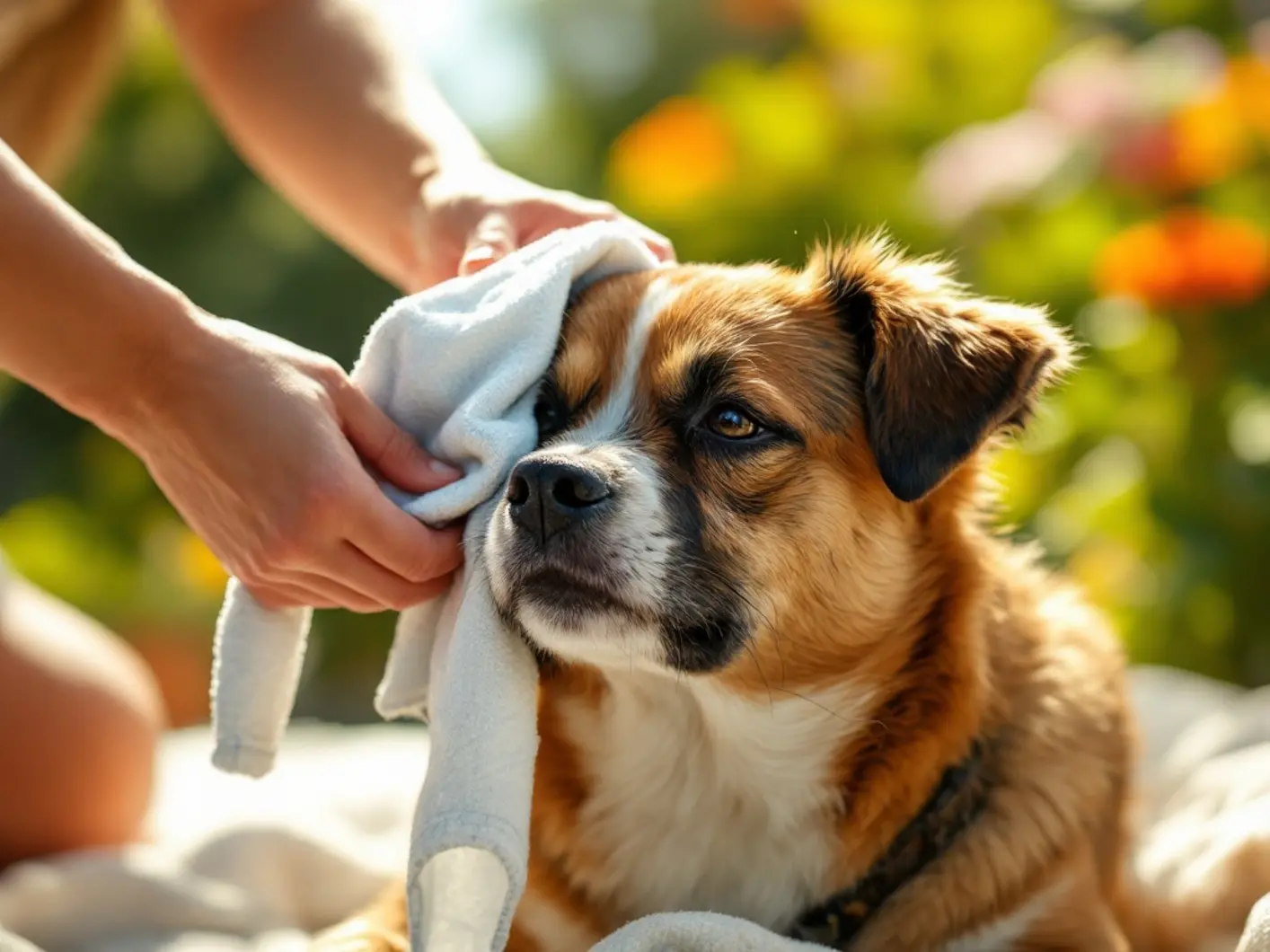
Cool your dog safely—never use ice water or submerge them in icy baths, which causes blood vessels to constrict and paradoxically traps heat inside, risking shock or a dangerous drop in circulation. Instead, use cool (not cold) tap water. Soak towels and wrap the dog, focusing on areas over large blood vessels: neck, armpits, groin, inner thighs, and belly. Swap these out frequently so they stay cool (not cold) and watch for shivering, which means the dog is getting too cold and cooling should slow. Light air from a fan can help water to evaporate and speed cooling. Never use ice packs directly—this can induce shock or skin damage. Monitor water intake: if alert, offer small amounts of cool (not icy) water frequently. Don’t force water or squirt it directly into the mouth; never give fluids by mouth to an unconscious pet. Regularly check temperature every few minutes—reduce it gradually to 39–39.5°C (102–103°F). As you reach that point or your dog improves (less panting, more responsive), slow active cooling to avoid hypothermia. Even if your dog seems to recover, always have them checked by a vet—internal organ damage, blood clotting issues, or brain swelling may have already started. After stabilization, transport to a vet as soon and as safely as possible—keep air moving during the trip, don’t cover with heavy blankets, continue gentle cooling (damp towel on belly/groin), and avoid overcooling. Proper first aid gives your dog their best chance for full recovery.
How to Safely Cool Your Dog During Hot Weather
Keeping your dog safe from heat stroke starts with proactive cooling and preventing overheating before symptoms start. Create a cool, shaded rest area, ideally on tiles, concrete, or materials that help heat dissipate. Cooling mats are great for dogs, but always check if your dog uses them—their first instinct may be to avoid new textures. If not, use a damp, well-wrung towel on the ground and encourage your dog to rest on it, refreshing with cool (not cold) water. Access to fresh water is non-negotiable—place bowls in the shade, use several around home or yard, and add some ice cubes but avoid only very cold water, which can cause stomach upset or vomiting. Special canine “ice treats,” like frozen unsalted broth in small portions, are great for extra hydration. On extreme heat days, exercise should be minimized. Walks should happen in early mornings or late evenings. Limit midday outings to brief potty breaks in the shade. The ground temperature counts too—pavement/stone can be much hotter than the air and can burn paw pads. Test by pressing your palm to the ground for a few seconds; if it’s painful for you, it’s dangerous for your pet. Never leave your dog in a car, even for a “moment,” or with windows cracked—the internal temperature shoots up dangerously fast. In the yard, always provide shaded areas, access to water, and an escape from sun or hot ground—never tether dogs in spots where they can’t move to safety.
Support your dog’s own cooling with gentle, controlled cooling as needed. Instead of dousing with cold water, gently spray or rinse with cool (not icy) water—targeting the belly, chest, groin, and inner thighs (over major veins). Let water evaporate; do not cover with thick wet blankets, which can trap heat. Swimming is great if your dog enjoys water—a shallow pool or lake works if the water isn’t much colder than the air, but avoid letting your dog swim strenuously during the hottest times. Afterwards, let them rest in the shade to avoid overheating in the sun while wet. Double-coated breeds shouldn’t be shaved bald—the undercoat insulates, so regular brushing and slight trims (as advised by an experienced groomer) are preferred. At home, use fans or air conditioning, but never direct icy air at your dog or create drafts; big temperature shifts can lead to respiratory issues or stress. Instead, keep gentle air circulation and let your dog pick their resting spot. Most important is careful monitoring: if your dog still pants excessively, seems restless, has hot ears or belly, or if mucous membranes go very red, pale, or blue, or there’s vomiting or seizures, stop home cooling and contact your vet immediately—these are emergency warning signs. Continue gentle cooling (cool—not cold—compresses to belly/groin/paws, small amounts of water if alert), but always seek fast professional care. Regular cooling and attentive observation are the best ways to safeguard your dog’s health during heat waves.
Preventing Heat Stroke in Dogs
Preventing heat stroke in dogs means smart planning, adapting routines to the weather, and creating a safe, cool environment. Avoid intense walks and play during peak heat (late morning to early evening). Take your dog out early and late, when surfaces are cooler and air is breathable. Shorten walks on hot days, substitute multiple short outings, and play indoors. Dogs can’t always judge when to stop—especially young, energetic, or working breeds at highest risk. Always check ground temperature—blacktop, stone, or tiles can reach burning levels quickly. If your hand is uncomfortable after a few seconds, it’s too hot for your dog’s paws. Stick to shady grass or woods, or keep walks brief. Limit exercise and guarantee constant access to fresh, cool water: put bowls in accessible places at home and outdoors, and keep a bottle/collapsible bowl on outings. Refresh water often, adding some ice cubes if your pet likes it—just don’t let them gulp down icy water after hard exercise. Break up water consumption into small servings to minimize vomiting risk. Make sure your dog has a shaded, airy spot in the yard or on the balcony—dog houses placed in the sun don’t count, as they trap heat. Better options: canopies, umbrellas, tents, or natural tree shade. Cooling mats, damp towels, or beds placed in the coolest part of the house can offer extra comfort—but avoid laying your dog on ice blocks or freezing packs directly, as this can impede safe heat regulation. Light misting with lukewarm water (bottle, gentle shower, or garden hose) can lower temperature, especially for dogs who enjoy water. Avoid spraying with high pressure or pouring over the head. Brief splashing in a safe, shallow pool or lake is helpful—just don’t require strenuous swimming or make water access difficult.
The most vital rule: avoid traps that cause rapid overheating, especially leaving dogs in closed vehicles or small, stuffy rooms—even cracked windows don’t provide enough airflow, and car interiors can become deadly in minutes. Don’t leave your dog in a car “for a minute,” regardless of shade. Be wary of enclosed balconies, glassed-in patios, RVs, or runs without shade; these areas heat up alarmingly quickly. At home, especially in apartments, use blinds, curtains, AC or fans—but don’t blow cold air straight at your pet. Instead, maintain gentle airflow, allow your pet to choose resting places, and let them seek comfort. Consider your dog’s unique needs: flat-faced breeds (pugs, bulldogs), overweight, older, heart/lung disease patients, and puppies are all more vulnerable, needing stricter summer restrictions and shorter, cooler walks. Veterinarians may advise extra checkups before summer to assess your dog’s condition and customize safety plans. Thick-coated breeds benefit from professional de-shedding, not shaving bald—fur both insulates and guards skin against sunburn. Education is just as important: all family members and caregivers (dog walkers, pet sitters, boarding staff) should know prevention basics and recognize early heat stroke signs. Set household rules: never leave a dog in the car, limit vigorous play in the heat, always provide water and shade, and regularly monitor your pet’s well-being. Careful observation and fast action at the first signs of heat discomfort—heavy panting, seeking cool places, exercise reluctance, warm ears and belly—can stop heat stroke before it fully develops.
Summary
Heat stroke is a serious risk that can affect any dog during hot weather. Recognizing symptoms like rapid breathing, weakness, and lack of coordination is crucial for a quick response. First aid means moving your pet to a cool, shaded area and gradually cooling their body and paws. Prevention—avoiding walks on hot days and keeping water always available—is the best way to protect your companion. Use our pro tips to keep your dog safe and healthy all summer.

