
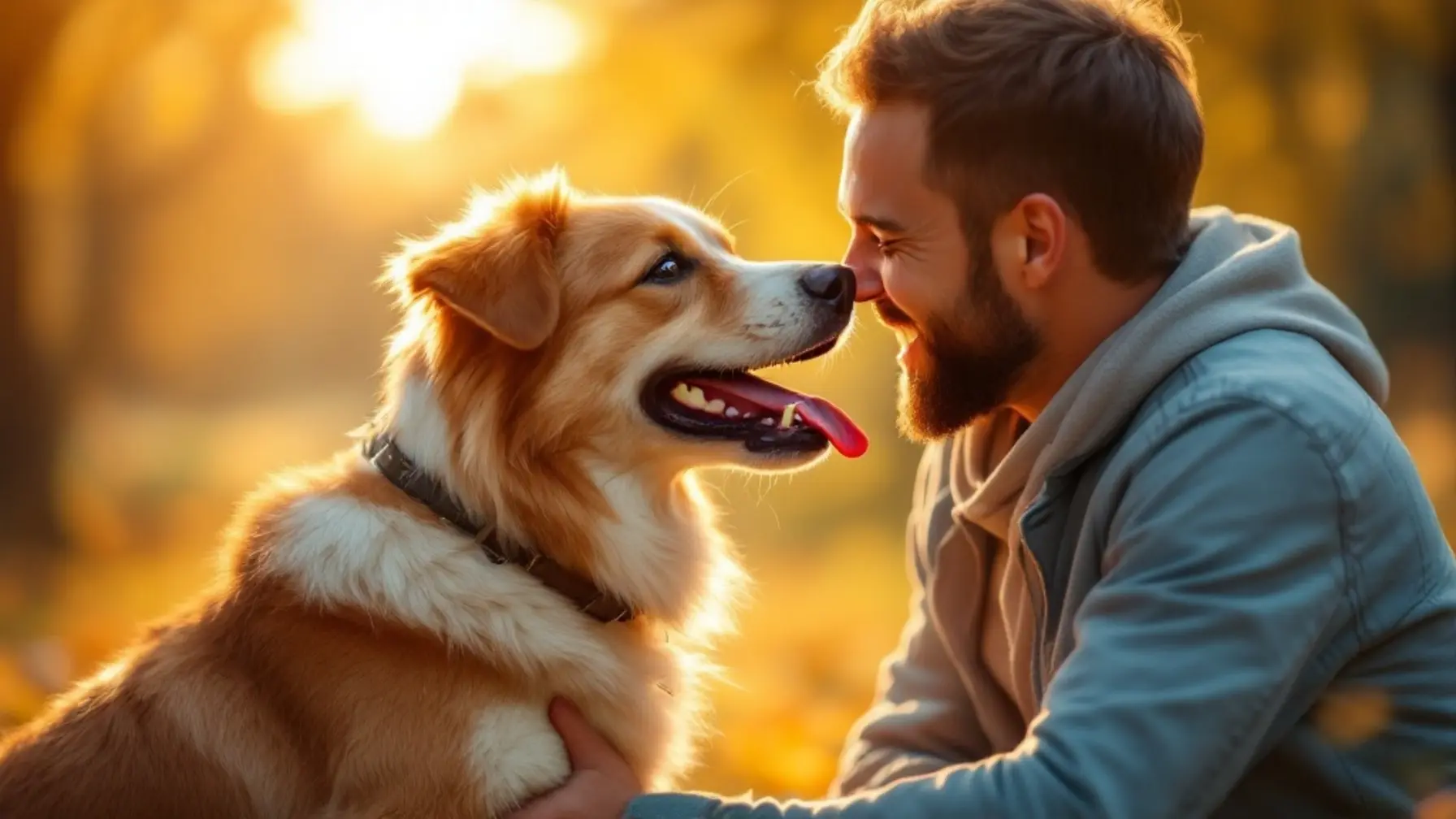
A dog is increasingly being treated as a true member of the family, impacting the daily life and relationships among household members. Whether a dog is truly recognized as family depends on evolving social awareness and emotional bonds. A close relationship with a dog brings psychological, health, and social benefits to every caretaker.
Table of Contents
- The Evolution of Dogs in the Family
- How a Dog Changes Family Life
- Benefits of Treating a Dog Like Family
- Psychological Aspects: Dog-Human Bond
- Practical Day-to-Day Care for Family Dogs
- Can a Dog Replace Family or Friends?
The Evolution of Dogs in the Family
The question of whether dogs are considered true family members gains real meaning when we look at how their role has dramatically changed over centuries. Early domesticated dogs started as hunting aids, camp guards, and living “alarms”. Their value was mostly functional—dogs were expected to fulfill a purpose, much like a tool. As people shifted to more settled lives and communities grew, dogs started serving as watchful guardians on farms and companions in daily chores, though they were still not seen as family equals. The turning point came with urbanization and lifestyle shifts: fewer people needed dogs as workers or flock guards, and the dog’s role began transitioning from “work tool” to companion—one providing emotional support, presence, and a sense of security.
Today, families treat their dogs more as bona fide household members, visible in language, behaviors, and even financial decisions. People talk about their “fur babies” or “four-legged sons”, and official documents—even wills and evacuation plans—may list dogs alongside human family. We see this shift in daily routines: dogs sleep in their owners’ bedrooms, travel with families on vacation, appear at family celebrations, in holiday photos, and social media posts, and even influence decisions about relocation, remote work, or having children. The mental health impact is huge: studies show that having a dog at home reduces stress, lessens loneliness, and nurtures empathy in children. The dog becomes not just a “pet” but a significant participant in family dynamics, shaping relationships, daily life, and rituals. Adding a dog is often discussed like having another child—who walks it, who will care for it during trips, can the household afford the costs of food, vet care, and extras. The evolving human-dog relationship has also spurred greater ethical awareness—if we treat dogs as family, they deserve respect, safety, proper healthcare, and attention to their emotional needs, not just their physical ones. This shift drives demand for specialized services: trainers, dog daycares, pet hotels, spas, and canine rehab centers have become standard, meeting the needs of owners who see their pets as true companions. As a result, the answer to whether dogs count as family is moving ever more clearly from “household pet” toward “full-fledged family member”—helping shape our homes, choices, and everyday experiences.
How a Dog Changes Family Life
Bringing a dog home nearly always means reorganizing daily routines—from wake-up times to leisure activities and communication between family members. Because dogs need regular walks, feeding, and attention, families quickly adopt more structured daily rhythms. Many people credit their dogs with encouraging healthy habits such as going outside, which reduces stress and improves physical and mental health. Walks with a dog double as time for conversation, relaxation, and building closeness—especially in households where shared activities might be lacking. The constant presence of a dog encourages better planning—weekend trips, social gatherings, even working late must take the dog’s needs into account. This responsibility cultivates traits like consistency, empathy, and commitment in children and teens, who learn to take care of basics (fresh water, grooming, walks), regardless of mood or weather. Dogs can also ease family tensions—shared playtime, funny moments, and quirky habits spark laughter and positive energy. For many couples, having a dog feels like “practice” before kids: teaching division of chores, joint decisions, and setting household rules. Dogs reshape the physical home—beds, dishes, toys, cable guards, trash proofing—and the house simply feels more “alive” and adapted to a four-legged resident. Over time, daily family rituals often start to revolve around the dog: morning cuddles, greetings after work, or curling up together in the evening. These repeated, warm moments establish the dog as the heart of the home and a true participant in every special occasion, from holidays to birthdays to peaceful Sundays.
Dogs also deeply influence relationships and communication within families. For children, the dog may become the first confidant and a “safe” listener, encouraging them to express and name their emotions without fear of judgment. This builds emotional literacy and unconditional acceptance, as dogs love regardless of grades or moods. Adults often use a dog’s presence to unwind after a tough day—petting a dog can lower tension, calm breathing, and help us “log out” from daily stress. A family dog also strengthens partner and family bonds by fostering everyday routines—one person does morning walks, another handles feeding, kids have play and training duties. Dividing these tasks encourages cooperation, and the dog often acts as a “mediator”—it’s hard to keep fighting when a wagging tail interrupts for play or a walk. Plus, having a dog helps connect with neighbors and other pet parents, supporting a community spirit that lasts for years. On a practical level, dogs enhance feelings of safety—alerting to strangers or odd noises, and providing comfort that “someone is watching over us” at night. For many, the dog is an intergenerational “bridge”—grandchildren visit grandparents to see a beloved dog, while older adults remain active and engaged, supporting independence and well-being. In short, the family dog is not just another chore or a reason to move furniture; it’s a unifying presence that nurtures a more empathetic, intentional, and connected way of living for everyone at home.
Benefits of Treating a Dog Like Family
Embracing your dog as a genuine family member brings wide-ranging benefits that go far beyond basic pet ownership. Above all, it boosts the mental well-being of everyone at home: closeness with a dog lowers stress, soothes tension after tough days, and creates a sense of emotional safety. Modern psychology shows that touch—petting or cuddling your dog, or even just seeing your dog sleep—lowers cortisol and promotes feel-good hormones like oxytocin and serotonin. That’s why so many describe their relationship with a dog in the same terms as with human loved ones: the dog becomes a confidant through times of loneliness, sadness, or anxiety, free of judgment. In families where the dog is a real household member, shared time becomes the norm—on walks, but also at home, relaxing on the couch together, strengthening the sense of unity and belonging. Socially, a dog opens doors: walking the dog helps spark new friendships with fellow dog lovers, while talking about your pet is a natural, low-pressure conversation starter. For kids, a family dog is a living lesson in empathy and responsibility—seeing parents care for a dog teaches that love and trust require attention, time, and steady care. Including kids in dog-related chores builds their self-efficacy, consistency, and compassion for vulnerable beings. In blended families or new living situations, the family dog can act as a unifying force: shared walks, routines, and training decisions help form new bonds and teach decision-making. Dogs are also invaluable companions for seniors—a pet helps older adults go outside more, structure their days, and stay engaged with life, protecting against loneliness or a sense of emptiness.
The benefits even extend to physical well-being and lifestyle quality. Truly cared-for family dogs demand regular routines—daily walks come rain or shine, steady feeding and play. This gets owners moving more, outdoors more, and cuts down sedentary time, improving fitness, immunity, and lowering disease risks. Kids raised with dogs show stronger social skills and even greater resistance to allergies and illness—contact with fur, dirt, and daily walks “trains” their immune systems. Families who view dogs as equals often plan more shared activities: picking dog-friendly travel spots, searching out parks and beaches, or investing in dog sports to keep everyone physically and mentally stimulated. This upgrades the lives of both dogs and people, generating new hobbies, friends, and memories. Notably, when people see their dog as family, their standard of care rises—they seek professional help, visit the vet regularly, ensure a quality diet and preventive care, and keep the home and trips safe for the pet. This lowers the risk of health or behavioral issues and fosters a peaceful, cooperative household. Such relationships, rooted in understanding and respect, also mean much less chance of the dog being abandoned in a crisis—as the pet isn’t an “extra” chore, but a true family member whose wellbeing matters. Recognizing your dog as family boosts everyone’s happiness—including the dog, who receives more affection, stimulation, security, and a deeply fulfilling life at our side.
Psychological Aspects: Dog-Human Bond
The bond between dog and human stands as one of the most thoroughly studied cross-species relationships—so much so that it’s increasingly described through the lens of attachment psychology. For many, a dog is not just a pet but a true “attachment figure”—a source of safety, acceptance, and unwavering presence. This mirrors the classic attachment theory: the dog serves as a “secure base” we return to emotionally during stress or anxiety. Studies confirm that even the simple act of petting or cuddling a dog reduces stress hormone (cortisol) and boosts the bonding hormone (oxytocin). Being with a dog helps stabilize emotions and restore balance after tough times. Emotionally, the dog becomes a natural “mood stabilizer”: it doesn’t judge or criticize, and its reactions are reliably positive, fostering feelings of acceptance and importance within the family. This emotional availability, rather than species, is what brings the dog genuinely close to family status. For many people, their dog shapes their identity—they don’t just “have a dog”, they “are dog lovers”, and make major choices (where to live, whom to love, how to spend free time) based on what’s best for their dog. Psychologically, the dog enters the “inner circle”—those we feel responsible for and whose well-being truly affects our own.
Strong bonds with dogs also spark social and developmental growth. Children raised with dogs learn to recognize and communicate emotions—their own and those they attribute to the dog (“he’s scared”, “he’s happy”), building empathy and social understanding. A dog is often a child’s first “other” to care for: feeding, walking, recognizing distress. Psychologists emphasize that steady responsibility for the dog fosters self-efficacy, accountability, and an ability to read non-verbal cues—kids realize that communication means body language, tone, and rituals, not just words (learn more). For adults and seniors, dogs ward off loneliness—studies show dog owners engage socially more, feel less isolated, and find deeper daily purpose. But, deep dog-family bonds can pose challenges: intense attachment may mean anxiety about loss, deep grief at a dog’s death, or guilt when unable to give enough time or attention. There’s also the risk of “anthropomorphism”—assigning dogs human motives or expectations—which helps integrate them but risks frustration if we demand more than they can offer as animals. Healthy “dog as family” relationships require balancing closeness with understanding dog needs and limits. When this balance is met, the dog-human bond becomes a powerful source of resilience, emotional regulation, belonging, and daily support—often just as valuable as human family ties.
Practical Day-to-Day Care for Family Dogs
Treating a dog as an equal family member starts with concrete choices and habits, far beyond feeding and walks. Early on, families should outline “dog rules”—who handles walks, routine vet checkups and vaccines, and who keeps bedding and dishes clean. Clear division of chores prevents overload and conflict, teaching kids that dog care is an ongoing family commitment. Creating a safe space matters too—a dog bed, feeding spot away from heavy traffic, and a retreat where the dog can rest undisturbed. For a “family member” dog, predictability is vital—consistent walk, meal, and play schedules build animal and human security, anchoring the daily rhythm. The family schedule should factor in activity suited to the dog’s age, breed, and health: short strolls for seniors, long runs and games for younger pups. Combining walks with obedience training—recall, loose-leash walking, basic cues—safeguards the dog in public and boosts everyone’s comfort during outings.
Practical family dog care also means considering finances, organization, and health—often taken for granted until the first problem arises. More families build dog budgets, covering not just food, but preventive care (vaccines, deworming, flea/tick treatments), grooming, training, and emergency expenses. Pet insurance grows in popularity, providing health security for dogs just like for people in the family. Day to day, consistent dog education is essential—group classes, behavioral consults, or home practices train the dog for life with humans, easing hosting, travel, and family events. Vacation plans increasingly revolve around the dog’s needs: pet-friendly accommodations, local parks, and, when required, trusted pet-sitters or reputable boarding options. At home, safety is crucial—securing balconies, yards, gates, hiding toxic plants or meds, and teaching children safe contact (no bothering sleeping or eating dogs). Mental well-being also matters: dogs need intellectual stimulation via nosework toys, sensory mats, new tricks, or food puzzles. Family rituals, like evening cuddles during movies, park trips, or dog sports outings, build community and offer screen-free connection. In this family model, the dog isn’t a sidekick, but a dependent whose needs are built into daily plans, budgets, and family priorities.
Can a Dog Replace Family or Friends?
Considering if a dog can replace family or friends requires separating biological/social facts from emotional experience. On one hand, a dog can’t replace the tangible support networks provided by humans: they can’t handle our finances, legal matters, or complex social roles. Yet, emotionally, a human’s bond with a dog can feel just as powerful—and for some, even closer than their human relationships. In countless homes, the dog is the first being greeted after work, the confidant through hard times, and the keeper of secrets—although it never speaks back. Attachment theory recognizes that dogs can become attachment figures: sources of safety and acceptance, especially for those grieving, lonely, or healing from trauma. Dogs don’t judge looks, status, or achievement; they respond to moods and voice, with unwavering consistency. For this reason, many simply say, “My dog is my family,” or “My dog is my best friend”—not just as a figure of speech, but as a description of real belonging and loyalty lacking in their human circles.
However, relying on a dog as a substitute for people brings challenges and calls for self-awareness. While a dog can fill emotional gaps, it can’t meet all needs typically fulfilled by human relationships: conversation, perspective-sharing, nuanced joint decision making, or complex history-building. Making a dog the “sole purpose in life” risks excessive attachment, separation anxiety, and even problems connecting with other people—since social interactions may start feeling like a threat to time spent with the dog. For the dog as well, this emotional burden isn’t healthy: when we project our unmet needs onto them, even normal events (illness, aging, independence) can feel overwhelming. The healthiest approach is to cherish your dog as a loved and valued family member—but not the only foundation of your world. It’s best when the dog coexists in a network of relationships—alongside partners, kids, friends, and neighbors—and when we accept that, although the bond may be deeper than with many people, it’s innately different: more one-sided and lacking in human responsibilities or agency. A dog can be our most devoted companion, a renewed source of trust after pain, and a gateway to opening up socially—but it best serves us, and itself, if we allow its presence to enrich rather than replace other relationships. That way, “true family member” means not replacing people, but including the dog—respecting its nature, and balancing dog-love with a commitment to genuine human connection.
Summary
A family dog is far more than just a companion; it boosts everyone’s mood and well-being at home. More and more, dogs are treated as integral family members, which strengthens bonds and provides genuine emotional and social benefits. Understanding your dog’s needs is key to building a deep, harmonious relationship. Despite species differences, dogs bring joy and a sense of togetherness, helping to create a warm, welcoming home atmosphere.

