

How do you properly bathe a dog at home to ensure your pup’s health and comfort? Giving your dog a bath step by step means careful preparation, picking the right shampoo, and gently drying to reduce stress and avoid common grooming mistakes. Discover practical tips for safe, effective dog washing, no matter your dog’s coat type or your experience as an owner.
Table of Contents
- Preparation for Bathing – Essential Steps
- How to Choose the Right Dog Shampoo
- Dog Bathing Step by Step – Instructions
- Gentle Cleaning and Protection of Eyes & Ears
- Rinsing & Drying – How to Do It Right?
- The Most Common Dog Bathing Mistakes and How to Avoid Them
Preparation for Bathing – Essential Steps
Proper preparation is the key to a calm, safe, and effective dog bath. Before turning on the water, pick the right bathing spot—depending on your dog’s size and temperament, this could be a bathtub, shower, tray, special tub, or for small dogs, even a sink. Make sure the surface is stable and non-slip; a rubber mat or towel on the bottom helps minimize stress and the risk of injury. Ensure the room is warm and free of drafts—a chilly environment makes dogs shiver and may lead to negative associations with bathing. Gather all accessories in advance: an appropriate dog shampoo (hypoallergenic, for sensitive skin, puppies, anti-dandruff, or for long coats as needed), optional detangling conditioner or spray, at least two absorbent towels, a coat-appropriate brush, a comb for tangles, cup or adjustable showerhead, and a dryer with a cool-air setting. Also, have treats ready to reward calm behavior, or use a lick mat stuck on the wall and filled with wet food—perfect for distracting your dog from less pleasant moments. Brush your dog thoroughly before wetting him to remove loose fur and dirt, making shampooing easier and detangling less likely—a big help for later drying and combing. For mats, detangle gently while dry, never wet; wet detangling can pull skin, cause pain, and make your dog resistant to future baths. Before starting, check your dog’s skin for redness, wounds, scabs, or strong dandruff/odor—if present, consult your vet before bathing. Prepare to protect eyes and ears; keep cotton pads or special wipes handy for the ears (insert only loosely in the outer canal) and a gentle dog-safe eye cleaner if your dog tears easily. Also, plan the dog’s exit after the bath—prepare a warm, dry spot for finishing the drying process, and prevent immediate access to the outdoors, especially in cold weather, to avoid chills and joint issues.
Preparation also means considering your dog’s mental comfort. If your dog is anxious or has bad experiences with water, avoid bringing him straight into a running shower—loud noises only increase stress. Instead, calmly introduce your dog to the bathroom, reward him for approaching the tub, and practice stepping in/out while dry until he’s comfortable. For large breeds, plan how to help them enter and exit safely—ramps, steps, or assistance can prevent injury. Always check the water is lukewarm (about 37–38°C); too hot can irritate the skin, while cold feels unpleasant. Adjust the water flow—not too strong—which is less frightening and safer for delicate areas like belly and tail. Remove any collars or harnesses that may soak and chafe skin, though a light collar or safety lead might help keep a jumpy dog in place (just don’t pull tight). Prepare the dryer in advance if needed—some dogs fear loud appliances, so introduce these gradually. Decide in advance on your bathing routine: soaking the coat (avoiding the head), shampoo from neck downward, thorough rinsing, and gentle cleaning of the head last—consistency builds predictability and reduces anxiety. Dress appropriately and keep towels handy so you aren’t rushed, which results in better washing and a happier dog.
How to Choose the Right Dog Shampoo
The correct dog shampoo matters for both skin and coat health, as well as your dog’s comfort. Dogs have a very different skin pH than humans, so never use human shampoos—even “gentle” or “baby” ones. Dog skin is thinner and more sensitive; using the wrong product can cause dryness, itching, dandruff, or even worsen allergies. Start with your dog’s coat and skin type: short, wiry, long, undercoated, curly, or silky—all need different shampoos. Northern breeds with dense undercoats need deep-cleaning, easy-rinse formulas; long-haired breeds benefit from smoothing, detangling, or anti-matting products; wirehaired dogs usually need specialized formulas that maintain coat texture—not strong conditioners that soften the hair too much. Assess skin health, too: for dogs prone to irritation or allergies, choose hypoallergenic, fragrance-free, dye- and detergent-free shampoos with soothing ingredients (colloidal oatmeal, panthenol, allantoin, calendula, or chamomile). Read labels: avoid excessive perfumes and SLS/SLES which can irritate sensitive skin. Moisturizing shampoos with oils (evening primrose, coconut, argan), glycerin, or low-dose urea are best for dry/flake-prone skin, while oily-skinned dogs with odor benefit from sebum-regulating shampoos—always dog-specific, never aggressive cleaners. For ongoing skin conditions (allergies, dermatitis, seborrhea, fungus, demodex, frequent infections), consult your vet; therapeutic shampoos require strict use schedules and are not general-purpose—they’re medicated treatments and should be used only as directed. Puppy shampoos are ultra-mild with “no tears” formulas to minimize irritation to eyes and mucous membranes; only use these for young dogs and bathe them infrequently, as their skin barrier is still developing.
Look for convenient features: easy lathering, quick rinsing, concentrated or foam/spray formats for in-between cleanups. High-lather shampoos may be harder to rinse (especially in double-coated dogs), risking residue and itching. Foaming or spray shampoos are convenient for spot cleaning or after muddy walks, but don’t replace actual baths. Dry shampoos (powder or spray) are helpful in special cases—dogs afraid of water, post-surgery, or those with limited mobility—but should not be the only cleaning method; they don’t fully remove dirt or sebum. Natural grooming fans can choose plant-based formulas with herbs, aloe, or oils—just note that “natural” isn’t always “safe for every dog,” since plant extracts can also cause reactions. Consider your dog’s bath frequency; rarely bathed but muddy dogs may need a stronger (but gentle) shampoo, while regularly bathed city or show dogs do better with very mild formulas. Pay attention to shampoo scent—overly perfumed products can be uncomfortable or even aversive for dogs and may lead to obsessive licking or avoiding touch. Try a new product on a small area first and watch for skin reactions the following days—redness, scratching, chewing, or new dandruff means it’s time to switch and consult a vet or groomer for better suited options.
Dog Bathing Step by Step – Instructions
Once everything is prepped—your space, tools, and shampoo—it’s time for the actual dog bath. Invite your dog into the tub calmly, don’t drag him; use treats or a favorite toy if needed. For fearful dogs, let the water run at a distance first. Secure your dog on a non-slip mat; use a loose collar or bath lead for gentle control. Double-check the water is lukewarm—too hot or cold causes stress and discomfort. Start washing less sensitive areas—the back legs, rear, and sides—save the head for last since it’s most sensitive. Direct the water along your dog’s body to avoid splashing and thoroughly soak the coat to the skin, especially in dense-furred breeds—part the fur with your fingers if needed. Once wet (except for the head), apply diluted shampoo evenly: back, sides, chest, legs, tail, belly, and groin, skipping genitals unless shampoo specifies. Wash in steady, gentle motions, massaging the skin for circulation and comfort (it also lets you check for any skin changes). Clean between the toes, tail, and anal area gently yet thoroughly. For long hair, wash “with the grain,” from root to tip to avoid matting.
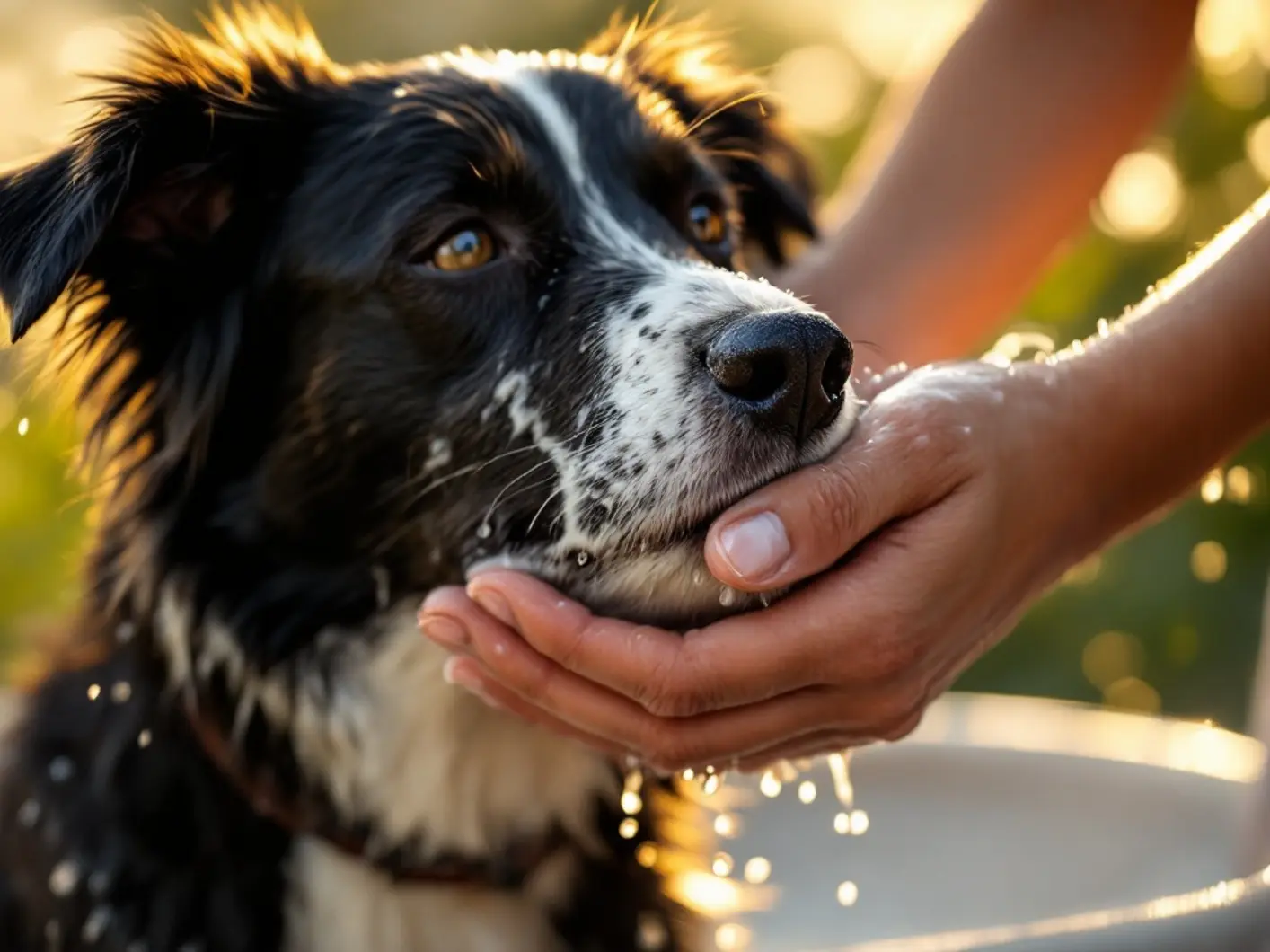
Once the body is soaped, approach the head with caution. Lightly dampen the face and ears with a wet hand or sponge instead of pouring water directly, to avoid moisture in eyes or ears. Use minimal shampoo here, avoiding eyes, nose, and inner ears; for sensitive dogs, use a special gentle cleanser or just wipe with plain water. After shampooing, you may let it sit per package instructions—especially dandruff or medicated shampoos—soothe your dog with gentle talk or treats during the wait. Rinsing comes next—a crucial step for skin health. Rinse from back to sides, always in hair growth direction, until foam disappears; continue through legs, belly, and tail. Rinse until water runs clear—shampoo residue can cause itching, dryness, or allergic reactions. For the head, rinse gently with hand or cup to keep water out of eyes and ears. When done, allow your dog to shake off excess water (cover yourself with a towel!), then wrap him in a dry, absorbent towel, gently press excess water out rather than rubbing to avoid irritation or tangling. If using a dryer, turn it on at a distance first, always use a cool setting, direct the airflow along coat growth, and keep a safe distance from the skin. Throughout, watch your dog’s body language—if he’s stressed, take breaks, reward calmness, and ensure each bath feels like a predictable, safe routine, not something to fear.
Gentle Cleaning and Protection of Eyes & Ears
A dog’s eyes and ears need special care during bathing, as these are the most irritation and infection-prone spots—and a bad experience here can make bathing traumatic. Prep by gathering soft pads or gauze, a dog-safe eye/ear cleaner, and if your dog has very sensitive ears, loose cotton for the outer ear canal (never deep inside!). Never allow water or shampoo into the eyes or ears. Always rinse the head from forehead to back, never directly onto the face, and monitor foam flow. For most dogs, wash the face last, using a damp hand or sponge instead of the shower. For dogs with long facial hair, gently tie hair up with a soft band or grooming clip before bathing so strands don’t fall into eyes or tug on the skin. Everyday life can leave eye gunk—remove with a dog-safe ocular rinse or sterile saline on a cotton pad, gently wiping from the outer to inner corner (or as recommended on your product). Use a clean pad for each eye to prevent cross-contamination. If you notice profuse discharge, redness, squinting, or odor—don’t just clean more often, see your vet. Link gentle eye cleaning with positive reinforcement—gentle voice, petting, and a treat can help make eye care a positive ritual. Keep your movements slow and calm, as fast hands near the muzzle can cause a defensive reaction or even a fear bite.
Proper ear protection is just as important. Too much water in the canal commonly leads to infections and chronic issues. Before using water, gently place a soft, twisted piece of cotton in the outer ear (never a swab), creating a barrier against drips—remove it easily after the bath. When washing the body and neck, direct water to avoid the head; for the actual ear cleaning, use your hand, a little shampoo, or dog ear cleaner and gently rinse from top down to avoid foam entering the canal. Post-bath, let your dog shake out excess water, then gently dry the outer ear with a towel (don’t push inside). Use a dog-specific ear-cleaning liquid: drip as directed into the canal, gently massage the base (you’ll hear swooshing), and let your dog shake out debris, then wipe clean. Never use ear swabs—they push dirt deeper and can damage delicate tissues. Dogs with drop ears or those that swim frequently need routine cleaning after every bath, as warmth and moisture can cause yeast and bacteria. Be alert for signs like bad odor, scratching, head tilting, redness, or dark sticky discharge—these demand a vet’s attention, not just home cleaning. Avoid drying ears with hot air; keep the dryer at a distance and only dry around the ears, never directly, to prevent overheating. Combining gentle ear protection during baths with regular ear cleaning keeps ears healthy and makes the whole process predictable and stress-free for your dog.
Rinsing & Drying – How to Do It Right?
Thorough rinsing after bathing is as important as the shampoo you choose. Shampoo residue causes itch, dandruff, or even skin inflammation. Use a gentle, lukewarm water stream—avoid high pressure which can scare your dog and make it harder to control the rinse direction. Start with the areas most covered in shampoo: back, sides, belly, and legs, rinsing in coat direction. For thick or long-haired breeds, use your hand or a silicone grooming brush to gently work water through the fur for a skin-deep rinse, always moving foam downward and away from eyes/ears. Chest, armpits, and groin need special attention as skin is thinner and more sensitive there. Use warm water for the belly—cold on the undercarriage can feel unpleasant. Save the head for last; use your hand or a cup to rinse forehead, cheeks, and chin gently, always moving water toward the neck so it doesn’t get in eyes or ears. To finish, slide your hand “against the grain” to check for slippery shampoo residue—if you feel any, rinse again. For conditioners, follow label instructions—some need full rinse, others may be leave-in, always use products made for dogs.
After you finish rinsing, let your dog shake off water—ideally while still in the tub—then start drying. Press out excess with a towel, don’t rub (especially on long coats), as heavy rubbing can tangle hair and irritate skin. Press and squeeze with the towel like a sponge, using extra towels as needed for dense coats. Use a separate dry area for the ears, never digging deep into the canal. Many owners debate hair dryers: they’re extremely helpful for thick or long coats, as air drying can cause mats or trapped moisture (leading to odor or skin problems). Set the dryer to cool/medium—not hot—and hold it 20–30 cm (8–12 inches) away, moving continuously as you dry. Begin with the back and sides, working in the coat’s growth direction and gently combing with fingers or a brush to separate hairs and prevent matting. Avoid blasting the face/ears—use a towel there, or, if you must use a dryer, direct air beside the head, not into it. Regularly check the coat and skin’s temperature with your hand, and pay attention to your dog’s comfort—if he seems uncomfortable, take breaks, lower the temperature, and reward calmness. For shorthaired dogs, thorough toweling and allowing to air dry in a warm, draft-free room is often enough—but avoid letting your dog out in the cold right after a bath. On colder days, provide a warm, dry bed for full drying and comfort.
The Most Common Dog Bathing Mistakes and How to Avoid Them
Many owners fall into similar traps that may seem intuitive but are bad for your dog’s skin, coat, or emotional well-being. The most serious mistake is using human shampoos or “family” bath products; dog skin has a higher pH, and human products dry, irritate, and can cause itching, dandruff, or worsen skin issues. Always use true “dog-friendly” products suited to your dog’s coat and age; consult a groomer or vet if unsure. Another mistake is too hot or too cold water; what feels nice to you may be overly warm (risking overheating) or cold (causing muscle tension and bath aversion) for your dog. Use water temperature checked on your inner wrist, with gentle flow. Never pour water directly on your dog’s spine or, worse, straight on the head—this triggers a strong escape reflex. Always start at the paws and hindquarters, working your way forward, giving your dog time to adjust. Failing to detangle before bathing is a big error—matting traps dirt and shampoo, worsens after drying, and is painful. Always brush out matts before the bath. Another common oversight is failing to protect eyes and ears—directing water at the head risks shampoo or water getting into sensitive areas, causing discomfort or inflammation, and creating negative bath associations. Always wash the head by hand, shield ears with cotton as needed (never deep inside), and only use dog-safe products near these sensitive spots.
Incomplete rinsing and improper drying are also common mistakes—some owners finish as soon as bubbles disappear, but invisible residues still irritate skin. Rinse for twice as long as you spend washing, always checking with your hand for that “squeaky clean” feel. Avoid heavy towel rubbing, which mats, pulls hair, and hurts—press gently, section by section. Improper drying is often overlooked—letting a dog air-dry in a cold room or draft increases the risk of chills, sore muscles, or aggravates joint issues, particularly in senior dogs. On the flip side, using a hot dryer up close can burn or overtly dry skin. Use medium-cool air, at least 20–30 cm away, keep the dryer moving, and comb gently to avoid matting. Another organizational mistake is failing to gather supplies beforehand—scrambling for towels or shampoo mid-bath adds chaos and stress. Always set up anti-slip mat, cosmetics, towels, optional dryer, and treats ahead. Lastly, don’t bathe your dog too often or too rarely—overbathing strips protective oils, leading to irritation, while underbathing leads to dirt and odor buildup. Match the bathing schedule to your dog’s lifestyle, coat type, and expert advice, and keep every bath relaxed and predictable. Avoid rushing, shouting, and chaos—they’re as harmful as poor bathing technique.
Summary
Bathing your dog isn’t just about looks—it’s about skin and coat health. Choosing the right shampoo and proper washing mean more comfort and well-being for your dog. Always use a gentle, coat-appropriate shampoo and keep eyes and ears safe. Thorough rinsing and gentle drying will keep your dog clean and happy. Watch your dog’s reactions to make each bath less stressful and more enjoyable every time.

