
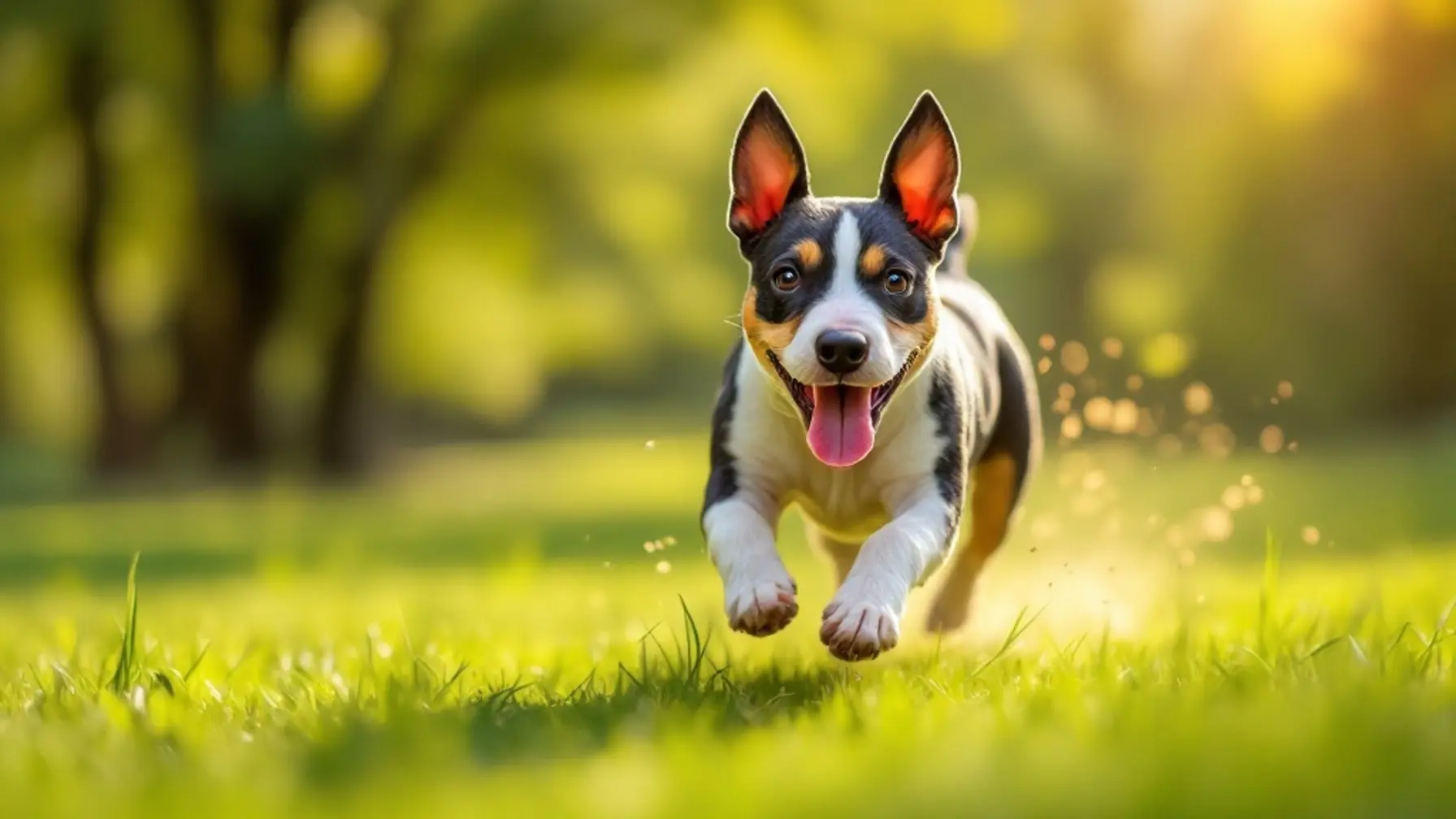
The Miniature Bull Terrier stands out as a breed with a remarkable character, requiring thoughtful care and attention to its health. If you’re looking for a comprehensive Miniature Bull Terrier breed profile, here you’ll find key information on its origins, grooming requirements, and common health issues. Discover expert tips to keep your Mini Bull in optimal health and ensure a strong bond with your family.
Table of Contents
- History and Origins of the Miniature Bull Terrier
- Physical Characteristics & Appearance
- Temperament and Typical Behaviors
- Care and Grooming: How to Look After a Miniature Bull Terrier
- Health & Common Breed Issues
- Breeding and Training Tips
History and Origins of the Miniature Bull Terrier
The Miniature Bull Terrier shares its ancestry with the classic Bull Terrier but followed its own evolutionary path, leading to a distinct identity. Tracing back to 19th century England—an era fascinated by dog fighting and bull-baiting—the breed’s ancestors were mainly old Bulldogs and Terriers, crossed to create bold, tough, and agile dogs. This cross resulted in the “bull and terrier” group, which forms the foundation of both the standard and miniature varieties. James Hinks, a Birmingham breeder, played a crucial role in defining the refined, elegant silhouette of the Bull Terrier by carefully selecting for form and temperament, integrating white English Terriers to the line for a finer and lighter look. As the Bull Terrier rose in popularity, smaller individuals occasionally appeared in litters. Initially considered just small versions of their larger relatives, the demand for a more compact dog—suited to city living but keeping the breed’s spirit and appearance—set the stage for the Miniature Bull Terrier as a separate type.
The real breakthrough came when British and international kennel clubs formally distinguished the Miniature from the Standard Bull Terrier. In the early stages, the focus was on show ring standards—maximum height, proportions, and that signature “egg-shaped” head—avoiding both dwarfism and excessive delicacy. Minibulls grew popular not just in England but across Western Europe and North America, though smaller population numbers posed breeding challenges. At times, the breed faced extinction, requiring careful pairing to safeguard genetic diversity without sacrificing required standards. Debates arose regarding crossbreeding with larger Bull Terriers—some saw this as a way to strengthen genetics, others feared it compromised the distinct miniature form.
Ultimately, a stable breed standard was established, with recognition from organizations like The Kennel Club and FCI, securing the Miniature Bull Terrier as a unique breed, not just a scaled-down copy of its larger cousin. Now increasingly popular worldwide—including in Poland—an understanding of its history and origins helps explain the breed’s distinctive physical and psychological traits. Knowing its roots in the “bull and terrier” tradition, shaped by generations of dedicated breeders, creates a deeper appreciation for the breed as one with rich heritage and carefully honed attributes.
Physical Characteristics & Appearance
The Miniature Bull Terrier is a compact yet strikingly muscular dog with an unmistakable silhouette. Their build is dense, proportional, and robust—despite their small size, they exude strength and athleticism. According to FCI standards, height at the withers should not exceed 35.5 cm, with weight proportionate to the dog’s size and muscle mass. Their bodies are slightly longer than tall, broad-chested, with well-sprung ribs and a pronounced sternum. The back is short and strong, loins muscled, and the croup gently rounded. The tail is set low, thick at the base, tapering, and carried straight or slightly upward.
Limbs are straight and sturdy, with strong bone structure; the forearms are muscular, shoulders long and sloped, elbows close to the body, and paws tight and rounded. The hindquarters display powerful musculature and well-defined angulation, producing a springy, dynamic gait marked by confidence and a playful attitude.
The breed’s signature feature is its long, egg-shaped head—no stop between the forehead and nose, appearing oval from both above and the side. The skull is filled, with a gently downward curve towards the nose—a “downface.” The muzzle is powerful throughout with a full, scissor bite; jaws are strong, and any irregularities are undesirable. Eyes are small, triangular, set high on the skull, and deeply placed, giving an intelligent, alert expression. Ideally, eyes are dark; lighter shades are less desirable. Ears are small, thin, triangular, and carried upright and close together.
Skin fits tightly and is supple, with a short, dense, shiny coat, which remains easy to groom but provides minimal weather protection. Miniature Bull Terriers may be white (sometimes with colored markings on the head) or colored—brindle, black-and-tan, red-and-white, tricolored—preferably with deep, even pigmentation, especially around the nose and eyes. The breed is known for pain tolerance and firm, “springy” muscles.
All in all, the Miniature Bull Terrier blends an inimitable “gladiator” look with a compact physique, making it one of the most recognizable dogs in the canine world—from its egg-shaped head to its muscular body and intense, sparkling eyes that reveal both intelligence and the unique alertness of the breed.

Temperament and Typical Behaviors
The Miniature Bull Terrier is a dog with a strong personality—energetic yet sensitive to its people. Deeply devoted to family, Minibulls form close bonds, often following their favorite humans everywhere, longing for physical closeness, petting, and shared activity. Despite their “gladiator” look, they are affectionate at home and can be “endearingly childish,” loving cuddles and attention.
The breed requires clear rules from the outset—lack of consistency can lead to stubbornness or attempts to dominate less assertive owners. True terriers at heart, they are courageous, curious, and confident—unafraid of new experiences and always up for challenges, though occasionally impulsive. Well-raised, they are cheerful and playful companions, often great with children, provided the children are taught to respect their boundaries. Rough play or pulling tails can frustrate even the most patient dog, so supervision and education about proper interaction are essential, especially early on.
Miniature Bull Terriers dislike solitude and boredom—long hours left alone can result in destructive behavior, excessive barking, or compulsive habits such as tail-chasing. Sufficient walks, sniffing games, puzzle toys, and varied mental activities are vital for their well-being. They love to clown and draw attention with playful behaviors, keeping home life lively.
Despite their size, they have high energy and a deep need for mental and physical activity. They thrive with guardians who channel this energy through sports, trick training, agility, or nosework. Intelligent and sharp, they learn quickly but have a characteristic terrier independence—preferring to work for clear rewards rather than out of obedience alone. They respond best to positive reinforcement—short, fun, rewarding training sessions. Harsh discipline or punishment can destroy trust and escalate undesirable behaviors.
Interactions with other dogs vary: some Minibulls are neutral or friendly, while others are more prone to conflict, especially with dogs of the same sex. Early socialization with balanced canine companions is key to future harmony. With strangers, they are rarely fearful; more often curious or aloof, but overall, well-socialized Minibulls are open and friendly. Not typically guard dogs, they are alert and will bark to signal anything out of the ordinary.
Impulsiveness and rapid arousal are common—many react suddenly during play or in response to running children, cyclists, or small animals. Early self-control training—calm waiting, recall, learning to settle after excitement—helps channel these behaviors. When well-managed, Miniature Bull Terriers’ challenging traits transform into enthusiasm, resilience, loyalty, and a unique sense of humor—making them exceptional companions for committed owners.
Care and Grooming: How to Look After a Miniature Bull Terrier
Despite their short coat and compact size, Miniature Bull Terriers need dedicated and consistent care tailored to their spirited nature. Routine physical activity is non-negotiable—these dogs are energetic, strong, and tireless for their size. Adults require at least 1.5–2 hours of exercise daily, split into sessions: one longer outing with training, fetch, scentwork, or long-leash practice, and one or two shorter breaks for bathroom and obedience training. Simple sidewalk walks aren’t enough—Minibulls thrive with mental challenges like treat-dispensing toys, sniffing mats, simple obstacle courses, or learning new cues. Avoid overstraining puppies—intense jumping, bike running, or frisbee should start after skeletal maturity and only gradually.
Home routines should be clear: a calm bed, predictable schedule, and limits on furniture or kitchen access help the dog settle and avoid overstimulation. Weight control is crucial—this breed loves food and is energetic, but can become overweight if overindulged with treats. Daily food portions (wet, dry, or homemade) must be adapted to age, activity level, and overall health, with protein-rich, moderate-fat diet formulas for active breeds being ideal. Due to some individuals’ tendency towards skin allergies, owners should monitor reactions to food—itching, redness, paw licking, or diarrhea may require dietary adjustments or elimination diets.
Grooming is simple but systematic and gentle, important for their sometimes-sensitive skin. Short, tight coats don’t mat, but should be brushed 1–2 times weekly with a rubber mitt or soft brush to remove dead hair and stimulate circulation, increasing frequency during shedding seasons. Bathe infrequently—every few months or as needed—in hypoallergenic, gentle dog shampoos, to avoid disrupting the skin’s barrier. After bathing, towel dry thoroughly; in winter, ensure warmth until fully dry.
Daily care includes checking eyes and ears, cleaning them with saline or dog ear solution as needed—never insert cotton swabs deep into the ear canal. Nails may require trimming every 3–4 weeks, especially if walks are mostly on soft ground. Oral hygiene is vital—regular brushing with dog toothpaste and dental chews limits tartar and gum disease.
In winter, consider a light dog coat as Minibulls lack an undercoat and are sensitive to cold. In summer, avoid overheating and sunburn, especially for white dogs—walk early/late and provide shade. Routine veterinary checkups (annually, or every six months for seniors), vaccinations, deworming, and flea/tick protection are vital; early habituation to being handled for all forms of care keeps stress levels low and health checks easy.
Health & Common Breed Issues
The Miniature Bull Terrier is generally robust, but selective breeding means certain health predispositions. The average lifespan is 11–14 years—responsible breeding and attentive care are key. When choosing a puppy, insist on valid health certifications of the parents, testing for breed-specific issues: heart (echo/auscultation), kidneys (ultrasound, urine analysis, SDMA/creatinine), eyes (ophthalmology exam), and hearing (BAER test). The most significant cardiac risks are congenital defects such as aortic or pulmonary stenosis and cardiomyopathies—often symptomless for years but eventually causing fatigue, cough after exertion, exercise intolerance, or even fainting. Regular cardiac screenings, especially for breeding or sports dogs, catch problems early. Hereditary kidney disease (nephropathy) can cause excessive thirst, frequent urination, weight loss, and appetite decline. Annual urine and blood tests in young Minibulls can detect issues early. Deafness—unilateral or bilateral—is a major breed concern, especially among whites; BAER testing of entire litters is standard in responsible kennels. Unilateral hearing loss may not be apparent in daily life, but training and careful control are particularly important.
Skin and allergy problems are also common. The short, close coat highlights all skin changes—dandruff, redness, pustules, itching, or excessive paw licking all signal the need for a vet. Miniature Bull Terriers can develop food allergies (e.g., to chicken, beef, or some grains) and atopic dermatitis (house dust mites, pollen, mold). Prolonged itching can lead to secondary infections, so identifying triggers promptly—via elimination diets or specialist testing—is essential. Light-pigmented dogs are sensitive to UV, at higher risk of sunburn and skin tumors, so summer outings should avoid midday hours and use dog-safe sun creams as appropriate.
Musculoskeletal issues include hip dysplasia, patellar luxation, and spinal problems, exacerbated by excessive jumping, slippery floors, or obesity. Prevention focuses on weight management, moderation in puppies, cautious intro to intense sports, and, if indicated, joint supplements. Eye issues can include entropion (lid rolling), distichiasis (extra eyelashes), cataracts, and glaucoma—raising the importance of prompt attention to watering, squinting, lens haziness, or light sensitivity. The breed is also prone to neurological and behavioral issues—for example, compulsive tail-chasing or intense staring. This can intensify with inactivity or stress, making energy management, behavioral work, and, in some cases, medication crucial for quality of life. Regular health checks (yearly, or twice yearly for seniors), vaccinations, parasite prevention, dental and ear hygiene, and close monitoring all help ensure long, comfortable lives for Miniature Bull Terriers.
Breeding and Training Tips
Despite their size, Miniature Bull Terriers require highly responsible breeding and mindful daily upbringing. Only dogs that are confirmed healthy and stable in temperament are allowed to breed—veterinary and behavioral assessments are musts. Breeding should follow a long-term plan to reduce genetic flaws, enhance structure, and preserve the right temperament—confident yet not hyper or aggressive. Pregnancy and raising litters demand attentive feeding, regular checks, and close weight monitoring for mother and pups.
From birth, puppies should become accustomed to gentle handling, new home smells, and different sounds. Later, they must be gently introduced to various surfaces, heights, and simple stimuli to improve their confidence and resilience. The most critical period is the 3rd to 12th week, filled with people of all ages, handpicked stable canine contacts, and gradual exploration of new environments. Breeders should educate new owners on exercise needs, mental requirements, and possible health concerns—ensuring families are ready for the breed before the puppy arrives. Responsible breeders supply pups with starter packs, full vaccination and deworming histories, and contracts that protect both buyer and puppy.
In raising a Minibull, consistency and empathy are crucial. Puppies quickly absorb both good and bad habits, so clear house rules (allowed spaces, play styles, daily routines) must be set from day one. Rewarding desirable behaviors with treats, praise, and play builds trust and motivation—harsh methods or punishment can harm the bond and increase defensive reactions.
Start basic training early—name recognition, recall, stay, sit, “place,” and loose-leash walking (Minibulls are small but strong). Regular impulse-control training is needed: waiting for food, calmly at doors, stopping before crossings, ignoring distractions on cue. Proper socialization means well-managed interactions with stable dogs and people, exposure to car rides, grooming, and vet visits. Due to inherent willfulness and strong terrier drive, organized classes—puppy classes, obedience, and dog sports (nosework, obedience, scent work, or agility)—are recommended.
Minibulls must learn to balance excitement and calm. Teaching to settle on their bed, relax alone, and tolerate brief absences helps prevent separation anxiety and destructive behaviors. Adult Minibulls need continued obedience and regular mental enrichment—snuffle mats, puzzle toys, trick training—to channel energy and reduce frustration.
Supervision during interactions with other animals and children is essential—Minibulls, though people-friendly, can get overly rough during play, so adults must teach them gentleness. Proper breeding, careful puppy selection, and thoughtful, steady training will help your Miniature Bull Terrier become a balanced, loyal companion whose energy and humor perfectly fit your lifestyle.
Summary
The Miniature Bull Terrier is a unique breed, combining the drive and determination of its larger cousin with compact size. Instantly recognizable for its egg-shaped head and strong musculature, it’s the perfect companion for active, experienced owners. While grooming is simple, ongoing care and health monitoring are essential, making the breed demanding but deeply rewarding for the right families. Understanding the breed’s needs and behaviors is key to building a lifelong, healthy relationship with your Mini Bull.

