

Healthy joints in senior dogs are key to their mobility and overall well-being. Supporting a senior dog’s joints involves supplements, injections, and regular physiotherapy, allowing you to effectively improve your pet’s comfort and quality of life. The right support preserves mobility and protects your dog from pain and injuries.
Table of Contents
- Why Do Aging Dog Joints Need Support?
- Top Joint Supplements for Senior Dogs
- Joint-Boosting Injections for Dogs
- Physiotherapy: A Key Component of Dog Joint Care
- The Role of Diet in Maintaining Healthy Dog Joints
- Importance of Regular Veterinary Check-Ups
Why Do Aging Dog Joints Need Support?
Aging in dogs is a natural process that significantly affects joint health, cartilage, ligaments, and the muscles responsible for movement. Over time, cartilage gradually wears down, losing flexibility and its cushioning ability. This causes joint surfaces to rub together, leading to inflammation, micro-injuries, and pain, prompting your dog to limit movement as a protective instinct. The less your dog moves, the weaker their stabilizing muscles become, which overloads the joints further and accelerates degeneration. Blood flow decreases too, slowing cell regeneration, and the natural production of cartilage components (like collagen, glucosamine, chondroitin, and hyaluronic acid) drops – making it hard for a senior dog to keep up with necessary repairs. Joint support doesn’t just improve comfort; it helps slow down degeneration, maintain independence, and preserve quality of life. This is especially crucial for large breeds, dogs post-injury or surgery, or those with obesity, but even small, inactive dogs can experience stiffness, trouble rising, climbing stairs, or jumping onto furniture. Owners might think a senior is “just slowing down,” when in reality, pain and inflammation are restricting their movement. Morning stiffness that improves after some walking is typical. Without targeted support, this process will progress, eventually leading to advanced osteoarthritis.
A senior dog’s joint needs also increase due to a lifetime of stresses and accompanying age-related illnesses. Highly active or working dogs are more prone to cartilage microtrauma, ligament overloads, and old injuries that never fully healed. Overweight dogs have years of added pressure on hips, knees, elbows, or wrists. Genetic predispositions can play a role too – some defects (like hip or elbow dysplasia) might not become apparent until old age, once the body’s compensatory mechanisms fail. Seniors often shift their body weight abnormally to compensate for pain, which puts further stress on the spine and other joints. Coexisting diseases – kidney or heart failure, endocrine disorders (like diabetes, hypothyroidism, or Cushing’s) – limit the safe use of standard painkillers. That’s why gentle, comprehensive support with proper supplements, intra-articular or intramuscular injections, and individualized physiotherapy become crucial. Their goal: not just pain relief, but better cartilage nutrition, increased flexibility of periarticular tissues, stronger stabilizing muscles, and reduced inflammation. Early joint care for senior dogs extends mobility, reduces falls and injuries, and makes daily care—like grooming or vet visits—much easier. Understanding how many processes impact aging dog joints is vital to start the right support long before there is permanent mobility loss or disability.
Top Joint Supplements for Senior Dogs
The best joint supplements for senior dogs are chosen based on your dog’s individual needs, the extent of joint changes, and overall health. The foundation is typically glucosamine and chondroitin—natural components of cartilage. Glucosamine helps rebuild cartilage, while chondroitin improves elasticity, binds water in tissues, and slows enzymes that break down joint structures. For seniors, these need to be administered in safe, adequate doses and highly bioavailable forms (like glucosamine sulfate rather than hydrochloride). Senior formulas often include hyaluronic acid, supporting synovial fluid’s lubrication of joint surfaces, reducing morning stiffness and improving comfort. Omega-3 fatty acids (EPA, DHA) from marine oils support anti-inflammatory processes—regular supplementation can make your dog more active and less reluctant to move. For best effect, omega-3 supplements should include vitamin E as a natural antioxidant for cellular protection during chronic inflammation.
Advanced senior dogs also benefit from chondroprotective, anti-inflammatory, and antioxidant compounds that complement basic ingredients. Green-lipped mussel extract (Perna canaliculus) is rich in glycosaminoglycans, omega-3s, and natural anti-inflammatory compounds, helping dogs with hip or elbow issues in particular. MSM (methylsulfonylmethane) delivers an organic form of sulfur, aiding connective tissue regeneration, cartilage flexibility, and providing further anti-inflammatory and antioxidant effects. Top-tier supplements add type II collagen—especially hydrolyzed or undenatured UC-II—to support cartilage strength and mobility over time. Antioxidants, like vitamin C, vitamin E, selenium, manganese, or herbal extracts (turmeric, boswellia, rosehip) are crucial for neutralizing free radicals created by joint inflammation, slowing tissue damage, and supporting overall wellbeing. When selecting a joint supplement, consider ingredients, dosing by body weight, administration method (tablets, chews, liquids), and whether the brand offers clinical data on effectiveness. Ideally, your vet will review blood tests (hematology, x-rays, liver and kidney values) and recommend safe supplements, even if your dog is on other medications. Supplements work gradually—results typically appear after 4–6 weeks—and are most effective as part of a broader plan including weight management, proper exercise, and other therapies guided by your veterinarian and physiotherapist.
Joint-Boosting Injections for Dogs
Injections are among the most effective forms of joint support for senior dogs, especially when oral supplements aren’t enough for advanced joint changes. Injections deliver active substances directly into the bloodstream or the affected joint, bypassing digestive absorption for faster and more potent results—crucial for seniors with weakened digestion. Three main categories are used: hyaluronic acid and joint “cocktails”, polysulfated glycosaminoglycans (PSGAGs), and innovative biological therapies like platelet-rich plasma (PRP) or stem cells. Your vet will select the right type based on orthopedic exam, pain level, comorbidities (kidney, liver, heart), and your dog’s general health—not every senior can tolerate every procedure. Hyaluronic acid injections improve joint lubrication, reducing friction and thus pain, often combined with chondroitin or other anti-inflammatory aids. The treatment is done in-clinic, sometimes with light sedation to minimize discomfort. Many seniors see better movement—especially in elbows, hips, or knees—after a series of injections, improving daily function and extending quality movement. PSGAGs are typically injected intramuscularly or subcutaneously in cycles—less invasive than intra-articular injections—and help metabolize cartilage, stimulate matrix production, and reduce inflammation. Positive results include less swelling, stiffness, and pain, making daily activities easier for seniors. Your vet sets the injection schedule and assesses your dog’s response. Owners should watch for changes in mobility, playfulness, or any concerning signs and report back to the vet.
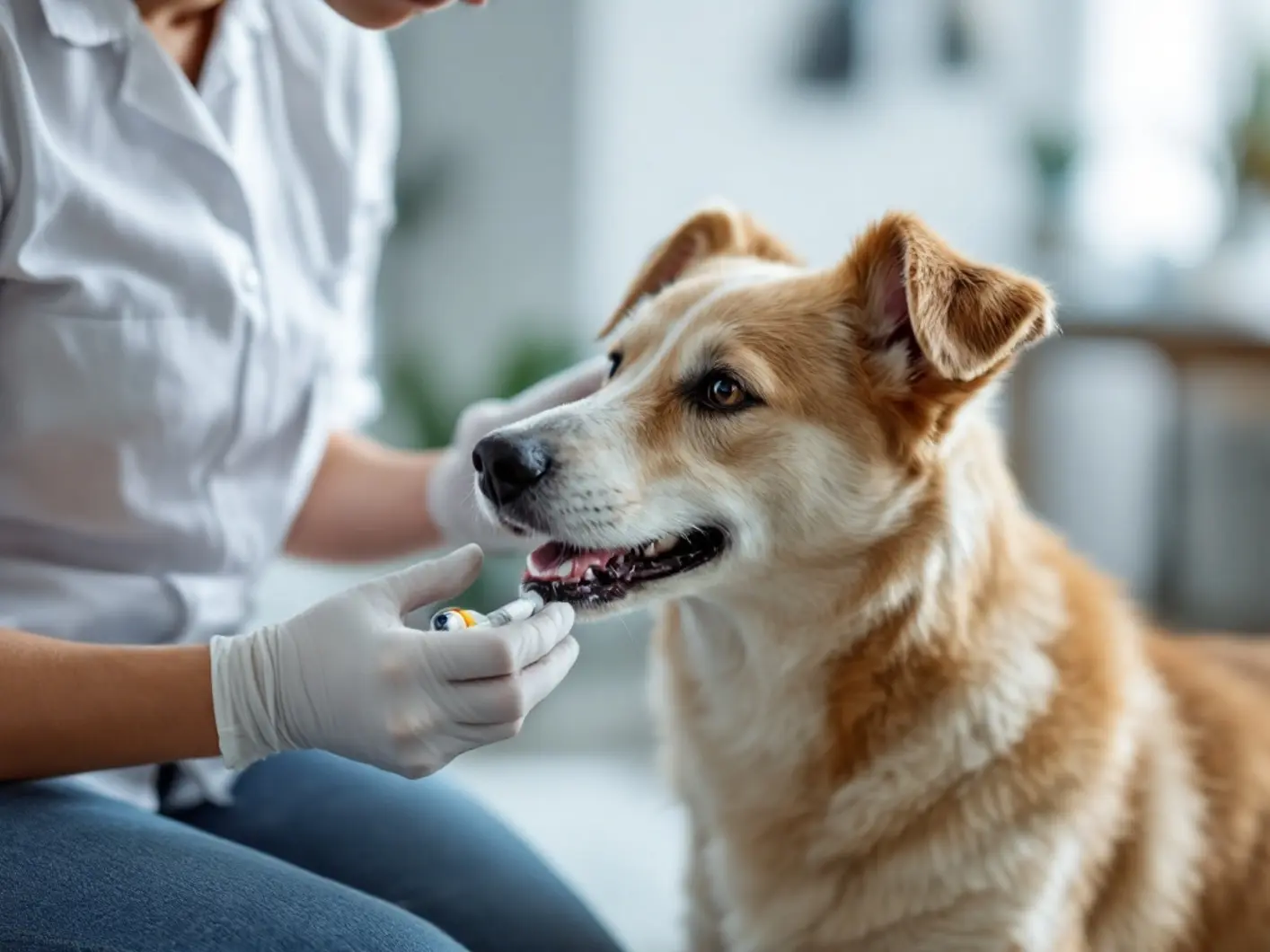
Biological therapies are increasingly popular for senior dogs, tapping into their own regenerative power. PRP (platelet-rich plasma) treatments involve drawing your dog’s blood, spinning it in a centrifuge, and injecting the platelet-enriched fraction directly into the joint to stimulate repair and ease pain. This procedure requires sedation and may not suit severely anemic or critically ill dogs. Stem cell therapies, made by collecting and processing your dog’s own cells (usually from fat), are even more advanced, aiming to both reduce inflammation and encourage joint regeneration. These methods are more costly and aren’t needed for every case, but can provide hope to seniors with severe pain and poor mobility when standard therapy fails. For all injections, careful risk–benefit assessment is vital—your vet will consider your dog’s overall health, concurrent medications (NSAIDs, steroids), possible interactions, and their ability to tolerate sedation. Side effects can include temporary lameness, swelling, or soreness; infections, allergies, or inflammation are rare but possible, so home monitoring and following vet instructions (rest, cooling, prescribed meds) are essential. Injections don’t replace supplements, diet, or physiotherapy; rather, they’re one part of a holistic approach. Best results are seen when injections are combined with weight management, gentle exercise, and strengthening routines for lasting improvement.
Physiotherapy: A Key Component of Dog Joint Care
Physiotherapy is vital in caring for a senior dog’s joints—helping ease pain, restore range of motion, rebuild strength, and improve overall function. In older dogs with worn cartilage and weakened muscles, tailored exercises and physiotherapeutic techniques can slow degeneration, reduce accident risk, and enhance quality of life. Good physiotherapy improves blood supply to periarticular tissues, boosting nutrient delivery from supplements and injected meds. These therapies—supplements, injections, physiotherapy—work synergistically, maximizing your senior dog’s independence and comfort. Every plan starts with a thorough assessment: a vet or canine physiotherapist will examine gait, joint movement, muscle tone, pain response, and your home environment (flooring, stairs, bed access, car travel). Therapies may include active and passive exercises, massage, manual techniques, hydrotherapy, laser, ultrasound, and sometimes electrotherapy. Gradual progression is critical—starting with pain easing techniques like massage, cold therapy, or gentle stretching, and moving on to strengthening and stabilization as your dog improves. Owners are taught how to lift their dog safely, assist on stairs, or do simple home exercises without overloading the joints.
Senior dog physiotherapy typically blends improving mobility, strengthening muscles, boosting coordination, and reducing pain and muscle tension. Basic techniques include therapeutic massage—to relax tight muscles, improve circulation, ease pain, and prepare tissues for exercise. Older dogs require gentle, patient touch—overly vigorous handling can cause discomfort and resistance. Passive range-of-motion exercises (ROM) gently flex and extend joints, performed by the therapist or trained owner; done regularly, these help maintain flexibility, reduce stiffness, and slow muscle loss from disuse. Hydrotherapy—especially water treadmill walks—is invaluable for seniors: water offloads joints yet provides gentle resistance to build muscle. Many dogs move more confidently in water, dramatically improving mobility and trust in their body. Additional balance exercises—standing on unstable surfaces, stepping over low obstacles, or slow body turns—help coordination, core strength, and accident prevention. If indicated, physiotherapists may employ high-energy lasers, magnets, or ultrasound for further pain and inflammation relief. Consistency and close collaboration with your vet ensures fitness routines match comorbidities (heart, kidneys, obesity) and can be adjusted as needed. Home adaptations are equally important: anti-slip rugs, ramps for sofas or the car, stair supports, and orthopedic beds that cushion joints and the spine during rest. Combined with supplements for cartilage building and joint lubrication, plus injections to address inflammation, physiotherapy becomes the cornerstone of day-to-day improvement: getting up more easily, enjoying walks, and reducing daily limitations.
The Role of Diet in Maintaining Healthy Dog Joints
A balanced diet is crucial for senior dog joint health, directly impacting body weight, inflammation, and tissue repair. Excess weight greatly increases mechanical strain on hips, knees, and elbows, accelerating degeneration—a diet plan (often lower in calories but high in quality protein) is usually the first step before stronger medications or advanced therapy. Choose “light,” “weight control,” or mobility-focused formulas, and work with your vet to tailor feeding plans to your dog’s medical conditions (like kidney or pancreas disorders) and body condition (BCS). Strictly limit high-calorie treats and leftovers—these not only sabotage weight loss but also encourage inflammation. Plenty of fresh water is critical for cartilage health, since cartilage contains lots of water bound by proteoglycans, and aids tissue elasticity. For dogs with osteoarthritis, choose fat sources rich in omega-3s (EPA, DHA) from fish or krill, which help control inflammation, reduce stiffness, and improve comfort, while limiting omega-6s (from many plant oils) that might worsen inflammation when not balanced. High-quality, easily-digestible protein (muscle meat, eggs, hydrolysates) preserves muscle mass, which offloads joints. The right antioxidants (E, C, selenium, plant extracts) protect tissues from free radical damage in chronic inflammation, slowing joint tissue breakdown. Minerals (calcium, phosphorus balance, magnesium, copper, zinc, manganese) maintain bone quality and support collagen metabolism; never supplement minerals unnecessarily—excessive calcium or phosphorus can disrupt bone balance. Always consult a vet before adding any extras.
Diet also serves as a “vehicle” for chondroprotective ingredients, included both as standalone supplements or built into specialized senior/joint formulas with glucosamine, chondroitin, hydrolyzed collagen, hyaluronic acid, green-lipped mussel extract, or MSM. Regular intake of these supports ongoing joint metabolism—it’s the long-term, consistent use that benefits aging joints, not quick fixes. Choose foods with transparent ingredient lists indicating precise levels of these ingredients; source quality matters too—meat-based diets are preferable for older dogs with more sensitive digestion. For dogs with food sensitivities or allergies (which may worsen with age), use hypoallergenic or single-protein foods to avoid chronic gut inflammation that can aggravate joint problems. A healthy gut lining and balanced microbiome support the immune system and inflammation control. In clinical practice, switching to a balanced, lower-calorie diet rich in omega-3s and chondroprotective ingredients—plus physiotherapy and occasional joint injections—often brings visible improvement in a few weeks to months. Every senior is different, so diets need to be individualized and reviewed as weight, health, or activity levels change. Regular work with your veterinarian and, where needed, a pet nutritionist creates a feeding plan that becomes a real extension of medical and physiotherapy care, not just background support—helping control pain, slow degeneration, and preserve the highest possible quality of life during your dog’s senior years.
Importance of Regular Veterinary Check-Ups
Regular vet visits are one of the most important pillars of comprehensive joint support for senior dogs—even if your dog “seems fine” or only shows mild stiffness. Older bodies work very differently to younger ones: slower metabolism, reduced organ reserve, and chronic low-grade inflammation mean joint disease often progresses before obvious signs appear. Routine check-ups let your vet spot subtle problems—slight loss of range, minimal pain on manipulation, small changes in gait, or early muscle wasting—that owners might miss. Early diagnosis of arthritis, dysplasia, or chronic inflammation means supplements, injections, and physiotherapy can begin when issues are still manageable and, in some cases, reversible. Your vet will also monitor body weight and general condition—early intervention when weight starts to creep up is crucial, as obesity greatly increases pain and cartilage damage. Monitoring blood pressure, heart, kidney, and liver function helps ensure pain and joint treatments can be safely tailored: not all meds or doses are suited to every senior dog. Vet consults are also a chance to review appropriate exercise routines, such as length and type of walks, adaptations for different forms of arthritis (gentle ramps, short and frequent vs. long walks), and when rest or restriction is needed. This ensures joint care isn’t just about pills or injections, but comprehensive lifestyle management—reducing pain spikes and injury risks.
Follow-up visits are key for assessing how well supplements, injections, and physiotherapy are working. Owners often gauge their dog’s improvement by subjective impressions—do they walk more, rise more easily, pant less after exercise—while the vet uses objective pain/lameness scales, range-of-motion tests, muscle measurements, and additional imaging (X-ray, ultrasound, CT, MRI, or blood panels). This lets you see if supplements are slowing changes, if injections are working, and if the current therapy plan is optimal. The vet can adjust supplement dosing, routine intervals, or exercise levels as needed, or recommend new treatments (laser, magnetotherapy, more PRP) if standard methods lose effect. Every visit should include owner education: spotting early pain, safe lifting, choosing harnesses instead of collars, or practical tips (anti-slip mats, car ramps, raised bowls). Regular visits also allow safe introduction of new supplements or medications, with close monitoring for side effects. This ongoing approach provides stability, gentler disease progression, and a better chance of long-term mobility for your senior dog.
Summary
Supporting the joints of senior dogs is essential for their long-term health and comfort. Supplements like glucosamine and chondroitin help maintain joint flexibility, while injections and physiotherapy—including massage and hydrotherapy—add important benefits. A balanced diet and regular veterinary check-ups are crucial for ensuring your senior dog’s best quality of life. Every dog is unique, so individualized care is key.

