
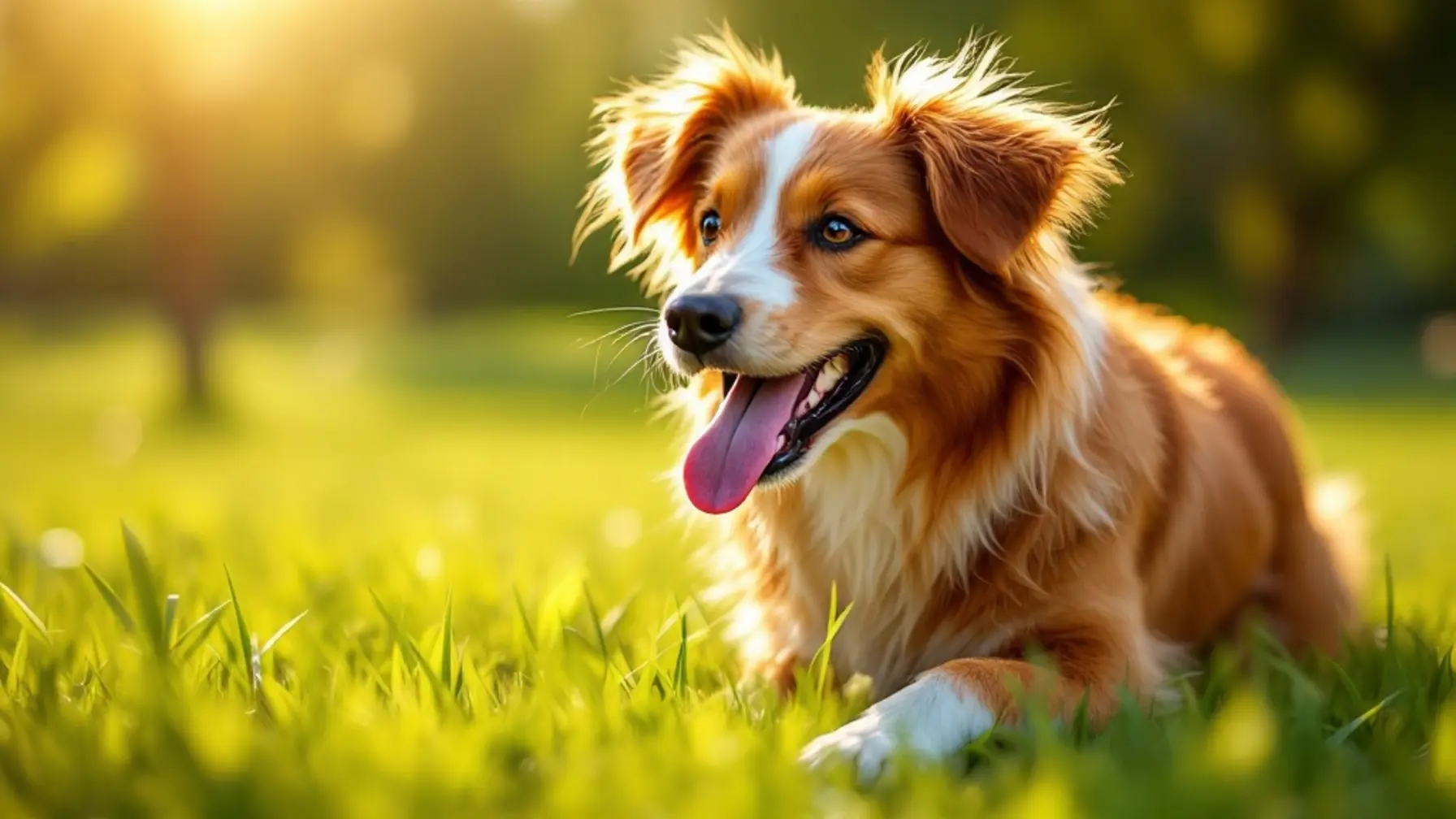
The Nova Scotia Duck Tolling Retriever is a versatile, energetic dog prized by both families and hunters. This breed combines a passion for work with a friendly temperament and exceptional intelligence. Discover the origin, appearance, temperament, and daily requirements of the Nova Scotia Duck Tolling Retriever to make an informed decision about bringing this unique dog into your life.
Table of Contents
- Origin and History of the Nova Scotia Duck Tolling Retriever
- Physical Characteristics: Appearance and Coat
- Temperament and Personality of the Nova Scotia Duck Tolling Retriever
- Grooming and Health Requirements
- Activity and Training for Tollers
- Is the Nova Scotia Duck Tolling Retriever the Right Dog for You?
Origin and History of the Nova Scotia Duck Tolling Retriever
The Nova Scotia Duck Tolling Retriever, one of the youngest yet most fascinating retriever breeds in the world, has deep roots in the unique natural environment and hunting traditions of the Canadian province of Nova Scotia. Its history is entwined with duck hunting on the chilly shores of the Bay of Fundy, where 19th-century hunters sought a dog adept at working both on land and in water—and that possessed the unique skill of luring waterfowl. The English name “tolling” refers to this luring behavior, where the dog plays energetically along the shoreline to attract curious ducks closer to the hunter’s hide. This strategy probably arose from observing wild foxes, whose playful antics would draw in waterfowl—a skill that the Nova Scotia Duck Tolling Retriever refined under human guidance. The breed originated with local farmers and hunters in Nova Scotia, who crossbred various retrieving and hunting dogs brought by European settlers, including early retriever types (especially St. John’s Water Dog—the precursor of Labradors and Goldens), water spaniels, collie-type farm dogs, and northern spitzes. The focus was firmly on utility rather than looks: the ideal dog enjoyed water, had a strong retrieving drive, great stamina in cold weather, an excellent nose, and that rare “tolling” ability. While physical traits were secondary, the breed’s classic reddish or golden-red coat with white markings quickly became a distinguishing feature.
For decades the breed developed locally, mainly around the Little River and Yarmouth area, earning nicknames such as “Little River Duck Dog” or “Yarmouth Toller.” These dogs became invaluable to Canadian hunters braving harsh, windy climates; their job was to run, jump, and fetch playfully along the shore, drawing inquisitive ducks within shooting distance. After the hunter took a shot, the Toller would spring into the icy water to retrieve the fallen bird—thanks to its thick, water-repellent coat and high motivation to work. Unlike other breeds that faltered in such conditions, Tollers excelled in the raw Canadian wilderness. The breed was officially recognized by the Canadian Kennel Club in 1945, but remained rare outside Canada for many decades; only in the second half of the 20th century did US and European breeders begin to take an interest. Tollers were exported to Scandinavia, the UK, and Germany during the 1980s and 1990s, gaining popularity as both specialized hunting dogs and versatile canine athletes. American Kennel Club recognition came in 2003, giving the breed global visibility. Polish enthusiasts welcomed the first Tollers around the turn of the 21st century, both for hunting/sports and as active family dogs. Today, even as many Tollers never hunt, their working instincts— such as love for water, passion for retrieving, and lively, fox-like movement—evoke their origins as specialized hunting partners from the wilds of Nova Scotia. Modern breeding programs strive to maintain this functional heritage.

Physical Characteristics: Appearance and Coat
The Nova Scotia Duck Tolling Retriever is a medium-sized, athletically built dog distinct from the more familiar Golden or Labrador Retriever. Tollers give an impression of compactness, agility, and readiness for action—never heavy or fragile. Adult males typically stand 48–51 cm (19–20 in) at the shoulder, females 45–48 cm (17–19 in), and they usually weigh 17–23 kg (37–51 lbs), depending on sex, build, and condition. The chest is deep yet not barrel-shaped (supporting lung capacity and free movement), the topline straight and strong, and the loins slightly arched for resilience both in water and on land. Well-angled, muscular legs enable sustained running, leaping, and repeated retrieving. Webbed feet are a key feature, enhancing performance in cold Canadian waters. The head is wedge-shaped, with a broad but moderate skull, defined stop, and medium-length muzzle. The expression is keen, intelligent, and somewhat fox-like, aided by the shape of both muzzle and almond-shaped eyes (which range from golden brown to dark brown). Medium, triangular, slightly rounded ears sit fairly high and close to the head, featuring fine feathering. The tail is another hallmark: long, well-coated, and carried lively—it plays a vital role in luring waterfowl. Altogether, the Toller’s silhouette is agile and harmonious, with elastic, balanced movement and a straight, strong topline on the move.
The Toller’s coat is one of its most functional traits, tailored to work in near-freezing water. The double coat combines a dense, medium-length outer layer and a soft, thick undercoat for natural insulation. The topcoat is straight or slightly wavy, sticking close to the body and water-resistant due to a moderate oiliness—water runs off quickly and Tollers dry fast after swims. Feathers appear on the neck, rear legs (“trousers”), tail, and sometimes chest, but should not hinder practical movement. Coat color ranges from deep mahogany to bright, fox-like red; white markings often appear on tail tip, feet, chest, and sometimes the muzzle, but these are not obligatory if the overall coat color meets breed standard (white should never dominate). Nose, lips, and eyelid rims are harmonized with coat color—brick, flesh, or black, preferably echoing coat shade. Coat texture varies seasonally—the undercoat sheds heavily during molts, temporarily reducing density, though decent weather resistance remains. Tollers are groomed to reflect function over fashion: the appearance is clean and natural, rather than overly “showy,” and the coat should feel moderately resilient, not silken or ornamental, so it can withstand water, ice, mud, and brush. Visually striking, this coat is above all adapted for the tough conditions of the breed’s Nova Scotian heritage.
Temperament and Personality of the Nova Scotia Duck Tolling Retriever
The Nova Scotia Duck Tolling Retriever has a unique character: on one hand a high-spirited, tireless worker; on the other, a loving, family-oriented companion. Tollers are renowned for their cheerfulness and enthusiasm, whatever the activity—from learning commands and dog sports to everyday walks. Their temperament is best described as “balanced energy”—active but not frantic, focused yet not rigid. They are typically more quick-witted and high-drive (especially in retrieving) than their more laid-back retriever cousins. Innately eager for activity, Tollers enjoy inventing games and are ever ready for new challenges—preferably those engaging their nose and intellect. Excessive nervousness or hyperactivity are frowned upon—well-socialized Tollers are confident, curious, and emotionally stable, not fearful or aggressive.
Tollers are loyal “one-family” dogs that often form a special attachment to a particular person—typically their main handler. They thrive in human company but aren’t classic lapdogs: they build bonds through shared activities, trick training, scentwork, and retrieving exercises. Once their physical and mental needs are met, Tollers are calm at home; but without stimulation, they may become demanding, noisy, or destructive. With strangers, they are usually polite, inquisitive, but somewhat reserved—rarely the effusive greeters some breeds are. While not natural guard dogs, their alertness makes them quick to announce visitors. With other dogs, Tollers typically get along if well-socialized; their high energy can overwhelm shyer canines, making early communication and self-control training important. Some will chase smaller animals—a holdover from their hunting heritage—so it’s vital to teach them recall and manage prey drive early on. Toller sensitivity is legendary: they keenly pick up on human moods and discord. Heavy-handed correction or punishment can undermine their confidence; gentle, consistent reward-based training methods yield far better results, as Tollers are motivated by praise and quick to offer new behaviors for positive feedback. When well-managed, they are passionate, flexible, and able to adapt seamlessly between sporting and family roles.
Grooming and Health Requirements
Despite relatively easy-to-manage coats, Nova Scotia Duck Tolling Retrievers require regular grooming in line with their active lifestyle and aquatic background. Their double coat should be brushed thoroughly 2–3 times per week (daily during shedding), using a slicker brush and medium-spaced comb to reach the undercoat and remove dead hair. This routine reduces hair in the house, prevents mats (especially behind ears, “trousers,” tail), and helps check for skin irritations, parasites, or hot spots after waterwork. Bathe Tollers only as needed—after muddy outings, dirty water, or heavy field work—using mild double-coat shampoos that preserve natural oil. Overbathing can dry out skin and reduce water-repellency, critical for this breed. After swimming, especially in salt or stagnant water, rinse the coat with clean water and dry thoroughly—pay special attention between toes and inside ears (moisture easily leads to infections). Keep fur between paw pads trimmed to aid cleanliness and reduce snow accumulation in winter. While the breed standard doesn’t require elaborate trimming, show dogs may have ear, neck, and tail hair tidied by a groomer familiar with the breed. Ear care is crucial—Tollers are susceptible to ear infections due to shape and frequent water exposure, so monitor regularly, use cleaners, and look for signs of discomfort or odor. Dental care (brushing several times per week or using dental supplements), regular nail trims, and occasional eye checks (especially after brush or rough play) are all part of good health.
Healthwise, the Nova Scotia Duck Tolling Retriever is generally robust and long-lived, but—like all purebreds—occasionally faces genetic conditions owners should be aware of. Hip and elbow dysplasia are possible, so only acquire puppies from breeders with tested parents and open health results. Tollers are also predisposed to some autoimmune, neurological, and eye diseases (like PRA, CEA, or myelopathy)—so check that lines are genetically screened and free of major mutations. A Toller’s love of food means they are prone to obesity if exercise doesn’t match diet—excess weight strains joints, heart, and breathing, upping diabetes risk. Feed a balanced, age/activity/health-tailored diet on schedule, keeping treats to a minimum. Preventive vet care is essential: scheduled vaccinations, deworming, flea and tick protection, and annual (or semiannual for seniors) veterinary checks including clinical exams, weight monitoring, and lab tests. Protect growing puppies from joint injury by limiting stair use, high-impact jumping, slippery floors, and excessive training. Reasonable daily exercise—swimming, retrieving, obedience, and dog sports—improves condition, strengthens supporting muscles, and counters risks of ‘couch potato’ issues. As intelligent, sensitive dogs, they also need mental stimulation—without it, Tollers can develop behavioral problems, from obsessive licking to stress-based stomach upsets. Structured routines, scentwork, trainable tasks, and gentle training methods support both emotional and physical wellbeing for this outstanding breed.
Activity and Training for Tollers
Built for intense work, the Nova Scotia Duck Tolling Retriever needs proper physical exercise as much as quality nutrition or vet care. These are not “couch potato” dogs—while they love to snuggle, their bodies and minds demand regular outlets for energy. An adult, healthy Toller requires at least 1.5–2 hours of activity per day, preferably split into several sessions, including high-intensity workouts such as running, vigorous retrieving, and especially swimming (their natural element). Short walks around the block won’t suffice: a lifestyle lacking in activity soon leads to frustration, hyperactivity, destructiveness, or nervousness. However, Tollers are adaptable—they can match the pace of an active family, switching between “work” and “rest” as needed. Swimming, in particular, should feature in their daily routine: lakeside play, water fetch, or hunting-retriever drills harness both their physical and instinctual needs. For young dogs, build up exercise intensity gradually—overexertion or repeated jumping may raise joint risk. During growth, favor more frequent, shorter, soft-ground sessions, delaying high-impact activities until skeletal maturity. Tollers also need mental work—scentwork, problem-solving games, and learning new commands are critical. Unchallenged Tollers often invent their own “fun”—with results owners may not appreciate!
Training should rely on positive-reinforcement methods—treats, play, and praise are more effective than harsh corrections. As emotionally sensitive dogs, Tollers respond poorly to shouting or forceful discipline, which can leave them insecure or avoidant. Their innate retrieving drive and focus makes them outstanding prospects for dog sports: obedience, rally, agility, flyball, dummy work, canicross, or mantrailing. With skilled training, many Tollers excel in competitions—but even for non-competitors, these disciplines enrich daily life and deepen the dog–owner bond. Teach puppies the basics in short, focused sessions (sit, stay, come, place) and control exercises—like waiting for food, calmly ignoring distractions, or polite door manners. Young Tollers are often enthusiastically scatterbrained; teaching focus and recall, especially around birds or moving animals, is essential for safety. Practice recalls with a long line and in increasingly distracting environments. Scentwork—such as hiding treats or toys, laying simple scent trails, or learning item searches—is highly engaging and calms the busy Toller brain. Dummy training or field-retriever work suits their instincts: precise retrieves, marking falls, remote sends, or varied terrain all combine physical and mental challenges. Balancing excitement with calm is crucial—interweave training and relaxation sessions, such as teaching your Toller to settle on command or enjoy quiet chewing after exercise. The payoff: a fit, well-adjusted companion equally at home in sports arenas and cozy living rooms.
Is the Nova Scotia Duck Tolling Retriever the Right Dog for You?
The Nova Scotia Duck Tolling Retriever is best suited to active, consistent owners prepared for daily collaboration—both physical and mental—with their dog. A Toller is ideal for people who lead an energetic life: runners, hikers, kayakers, and anyone who regularly enjoys outdoor adventures. They thrive in homes with active habits: long walks, countryside trips, and water play are their happy places. This breed isn’t for someone content with a quick stroll around the block—without enough activity, Tollers get bored, overexcited, and may become destructive at home. Instead, they’re a great choice for those who want a four-legged sporting partner—be it for canicross, dog-trekking, bikejoring (with caution), or water sports from swimming to advanced water retrieves.
Tollers also excel with owners interested in working dogs and canine sports. They’re bred for partnership, quick to learn, and especially focused on their handler, making them outstanding candidates for obedience, rally, agility, mantrailing, nosework, dummy trials, and working retriever tests. Hunters looking for a silent, water-loving, keen-nosed, and devoted gundog will find Tollers indispensable. What they don’t suit? Owners who want a dog only for looks or are uninterested in training—lack of routine, structure, and intellectual challenge can lead to excessive barking, obsessive play demands, or escapist chasing of birds. On the flipside, they thrive in families eager to include the dog in all plans—Tollers bond closely with their “pack” and do best with daily human contact. They can be wonderful companions for older children and teens, provided adults reinforce boundaries and supervise; however, their high drive may not suit families with very small children or minimal time for walks/training. Sensitive by nature, Tollers need calm, gentle owners who use positive methods—shouting, chaos, inconsistency, and roughness erode their confidence and can provoke anxiety. While suitable for both city apartments and suburban homes, a yard isn’t a substitute for outdoor exercise and teamwork. Tollers aren’t a typical “sofa dog” nor a good fit for busy people often away from home—they crave companionship, purpose, and direction. However, for those consciously seeking an intelligent, challenging, yet deeply rewarding canine partner—and willing to invest in long-term training, socialization, and mental engagement—the Nova Scotia Duck Tolling Retriever will offer a lifetime of joy and partnership.
Summary
The Nova Scotia Duck Tolling Retriever is a unique breed, blending intelligence, energy, and a friendly demeanor. With Canadian heritage, fiery orange-red fur, and agility, Tollers are ideal for active families able to satisfy both their physical and mental needs. With the right care and dedication, they become wonderful lifelong companions. If you’re seeking a dog with these qualities, the Toller could be your perfect match.

